Modbus without the cable run
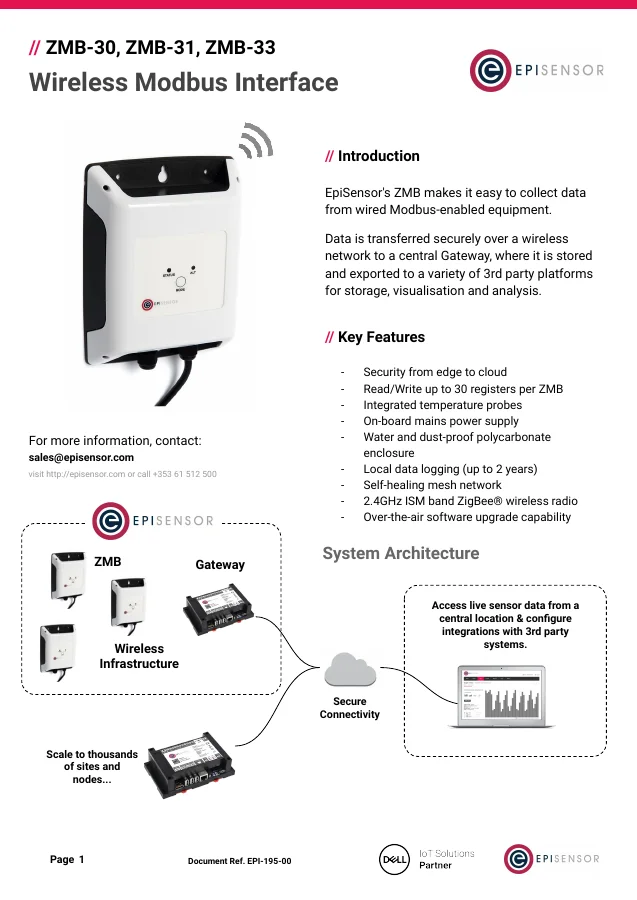
Wire the ZMB to a meter or controller’s serial port and its registers travel over the wireless mesh. The cost that usually dominates a Modbus integration is the cable back to the panel; there is not one.
ZMB-3X
Reads and writes Modbus RTU equipment over RS-485 and sends the registers over the Zigbee mesh to the Gateway, so no data cable has to run back to a panel. Up to 30 registers per unit, with an optional temperature probe.
From €399 ex VAT
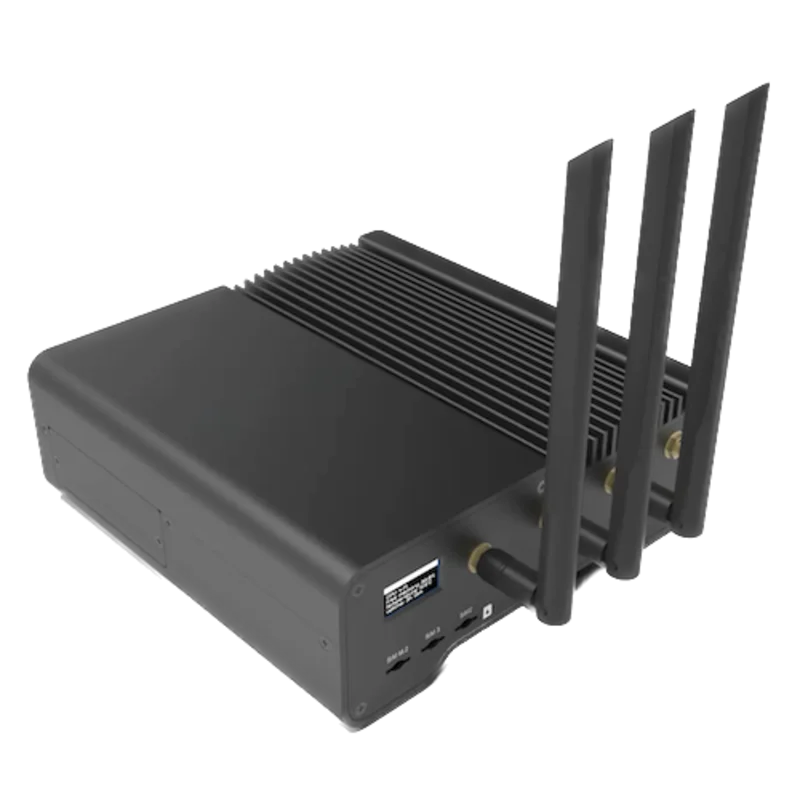 Works with the Gateway
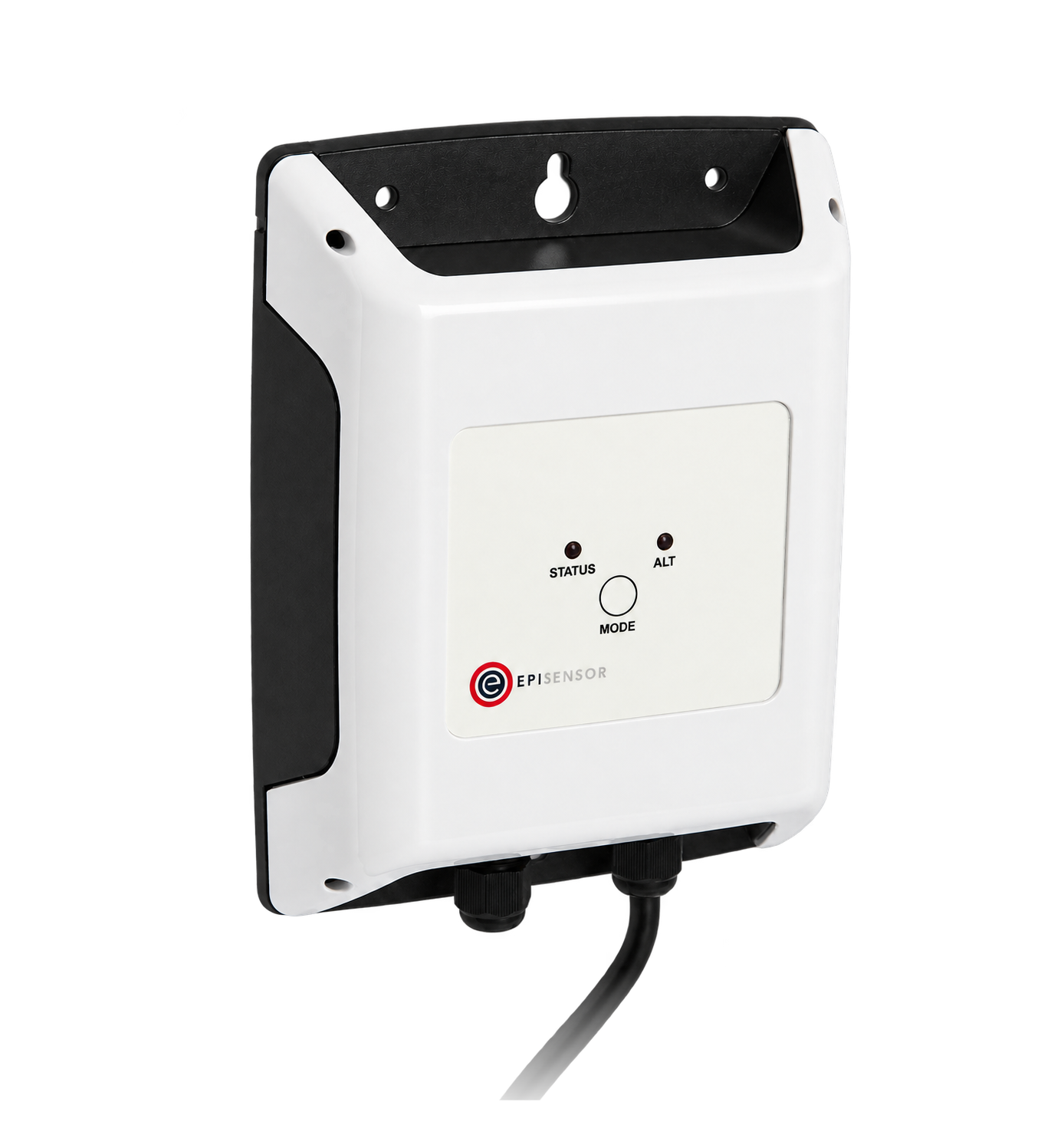
Wire the ZMB to a meter or controller’s serial port and its registers travel over the wireless mesh. The cost that usually dominates a Modbus integration is the cable back to the panel; there is not one.
Coil, discrete input, input and holding registers, over function codes 1 to 6, 15 and 16. Up to 5 of them in live stream.
ZMB-30 adds a 2.5 m waterproof temperature probe, so one device returns Modbus data and a temperature reading. ZMB-31 has no probe.
A built-in 85–264 V AC supply on a 2 m cable, inside an IP67 polycarbonate enclosure.
Device firmware updates arrive over the Zigbee network, so an upgrade needs no site visit.
Choose the options for your site. The summary shows the line that goes into your cart.
Not sure this is the right product for your site? Build a system
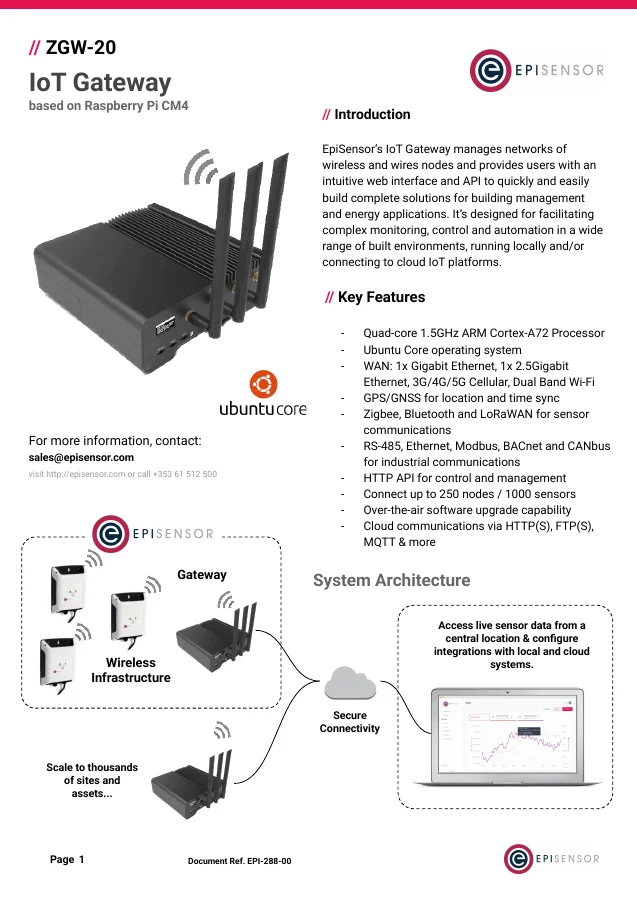
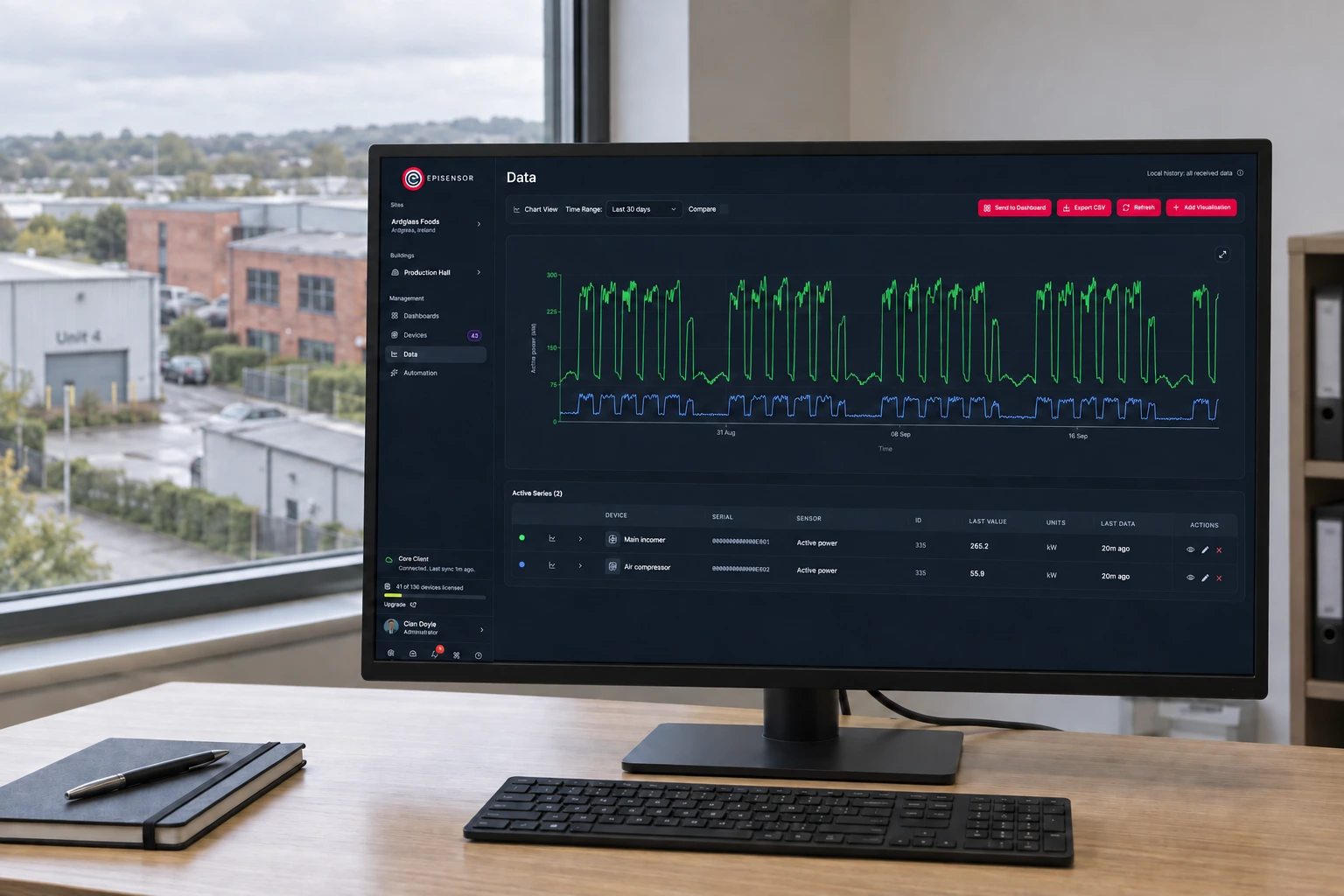
It reports over the Zigbee mesh to the Gateway, which runs Edge on site.
Up to 30, read or write, and up to 5 of them in live stream for readings that need a faster update than the normal reporting interval. A meter that needs more takes a second ZMB.
Equipment with Modbus TCP on the site network connects to Edge on the ZGW-20 Gateway directly, with no ZMB in between.
No. The ZMB polls the registers you configure and reports their values. It does not pass other Modbus traffic through.
Any Modbus RTU device on RS-485 at 300 to 115,200 baud that answers function codes 1 to 6, 15 or 16. The Device Directory has register maps for common meters.
As a daisy chain on twisted pair, up to 1,000 m, terminated at both ends and biased once. Our reference covers termination, bias and the common faults.