Refrigeration demand response
Probes in the product zone can veto an event. A representative site trial sets the permitted duration, and plant protection stays independent of the controller.
- Measure
- Product-zone and mapped temperatures, refrigeration electricity, compressor and defrost state
- Good practice
- Cold storage load shifting is bounded by the mapping study, not by the tariff WHO
- Sensors
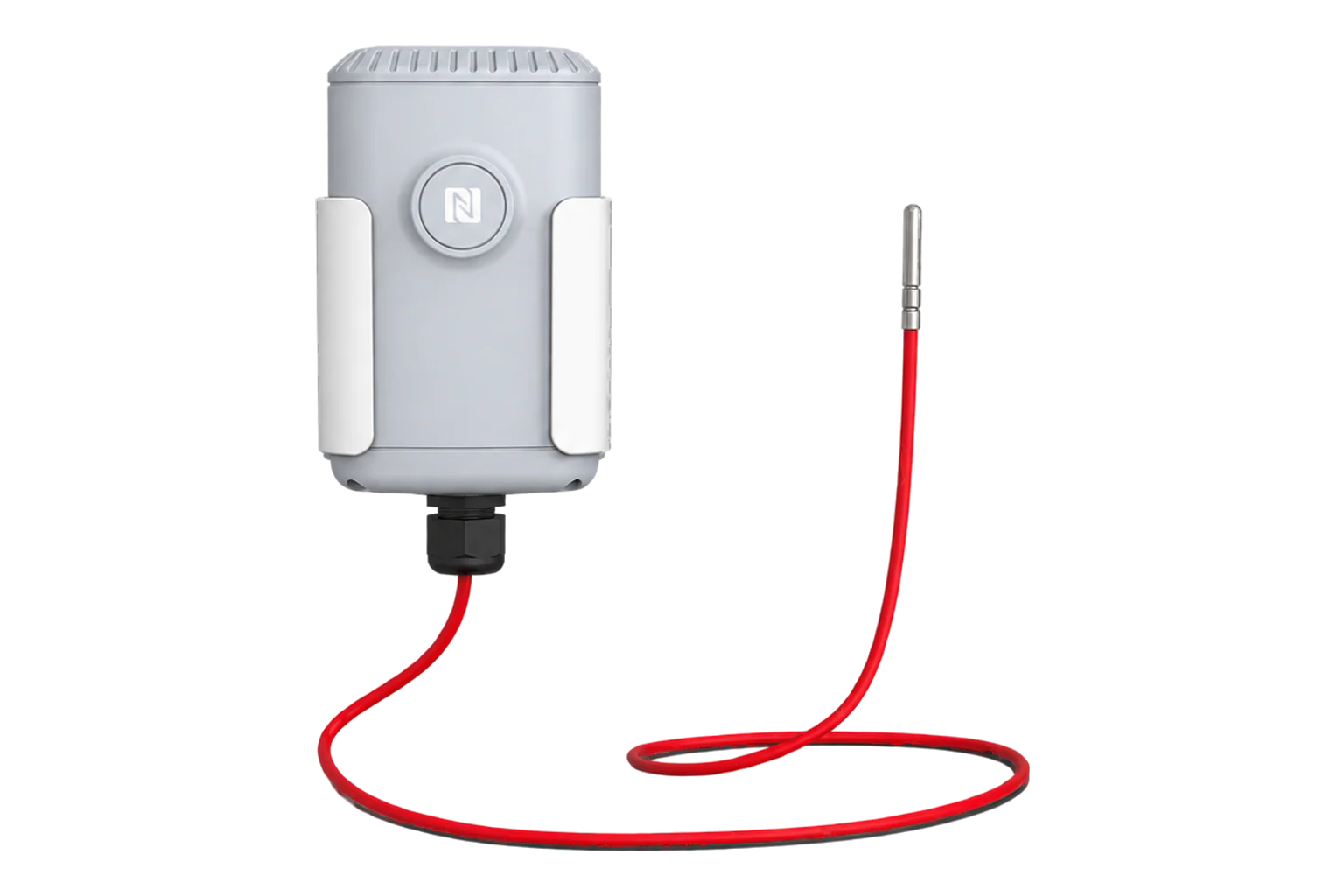
- TES-22 waterproof probes, ±0.2 °C in the normal range, ±0.5 °C to −40 °C Probe Temperature Sensor datasheet
- On site
- ZGW-20 Gateway, eligibility, dispatch and the recovery record Gateway datasheet
Hardware for refrigeration flexibility
The same probes the cold store should already have, the plant's electricity, and a way to ask the refrigeration controller for a change.
The product zone and the warmest mapped point, which provide the eligibility and veto inputs
1 per space two mapped points
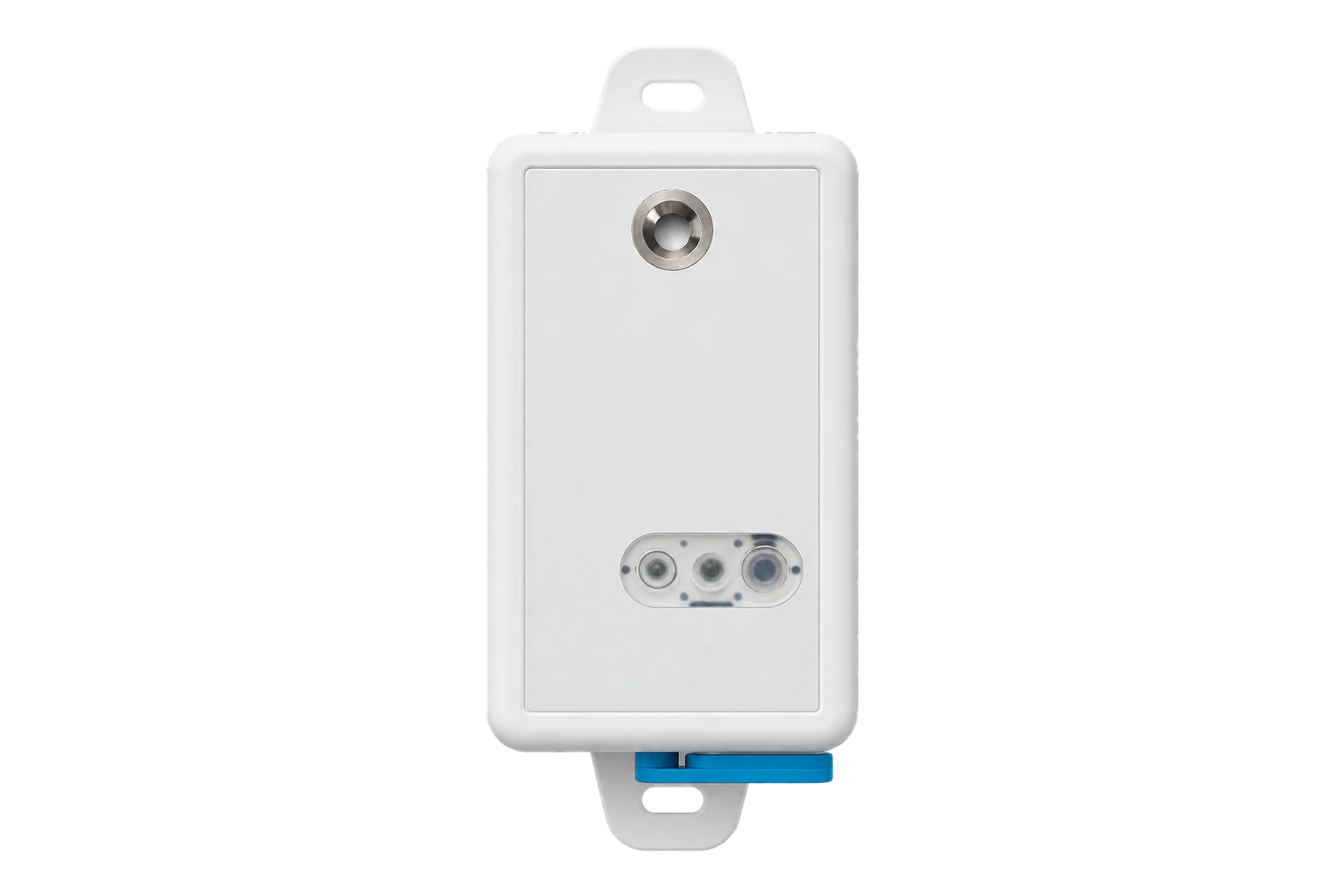
 2 waterproof probes, 2.5 m leads
±0.2 °C from −20 to 70 °C, ±0.5 °C from −40 to 105 °C
The refrigeration board, so a shed can be measured rather than claimed
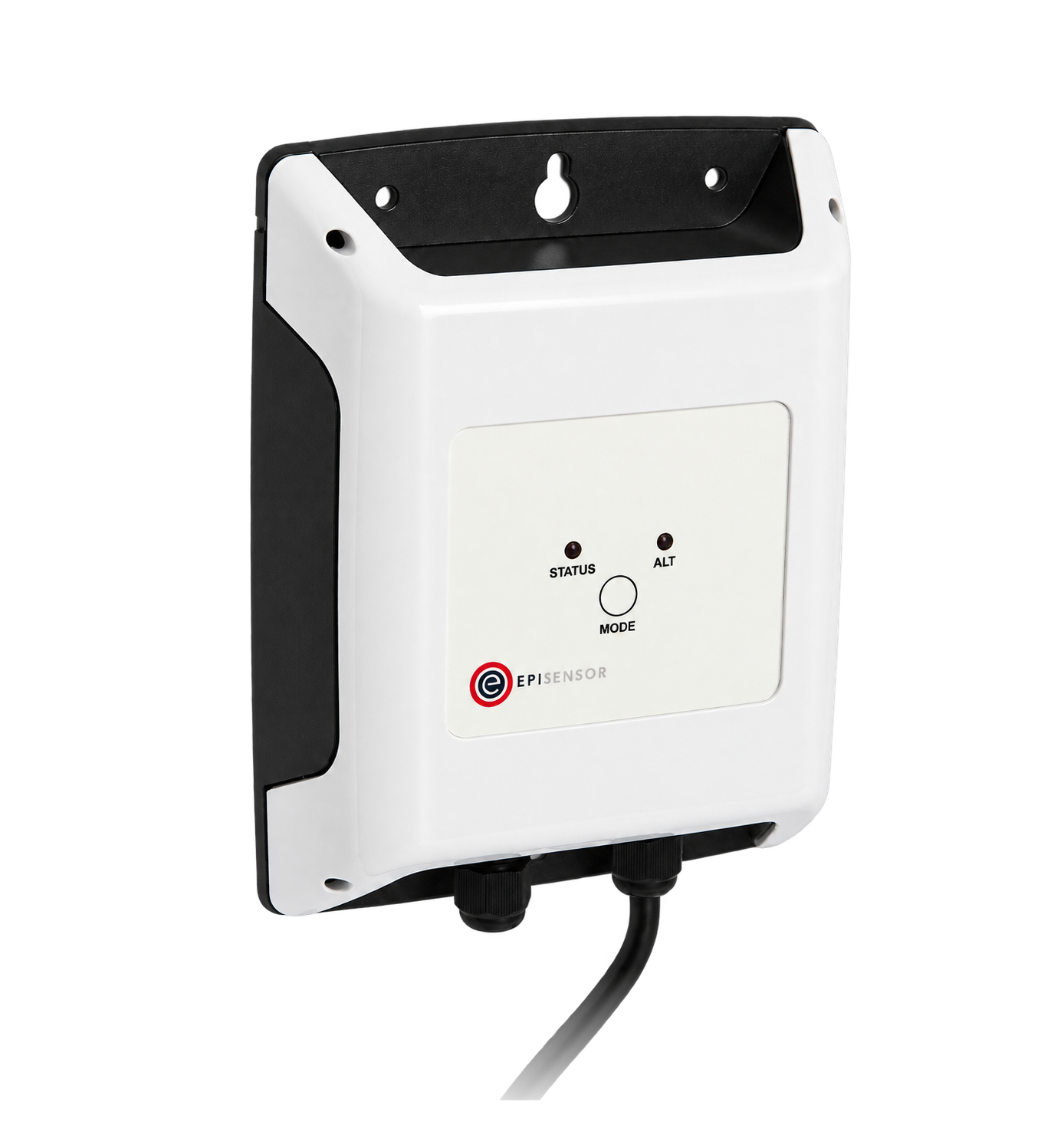
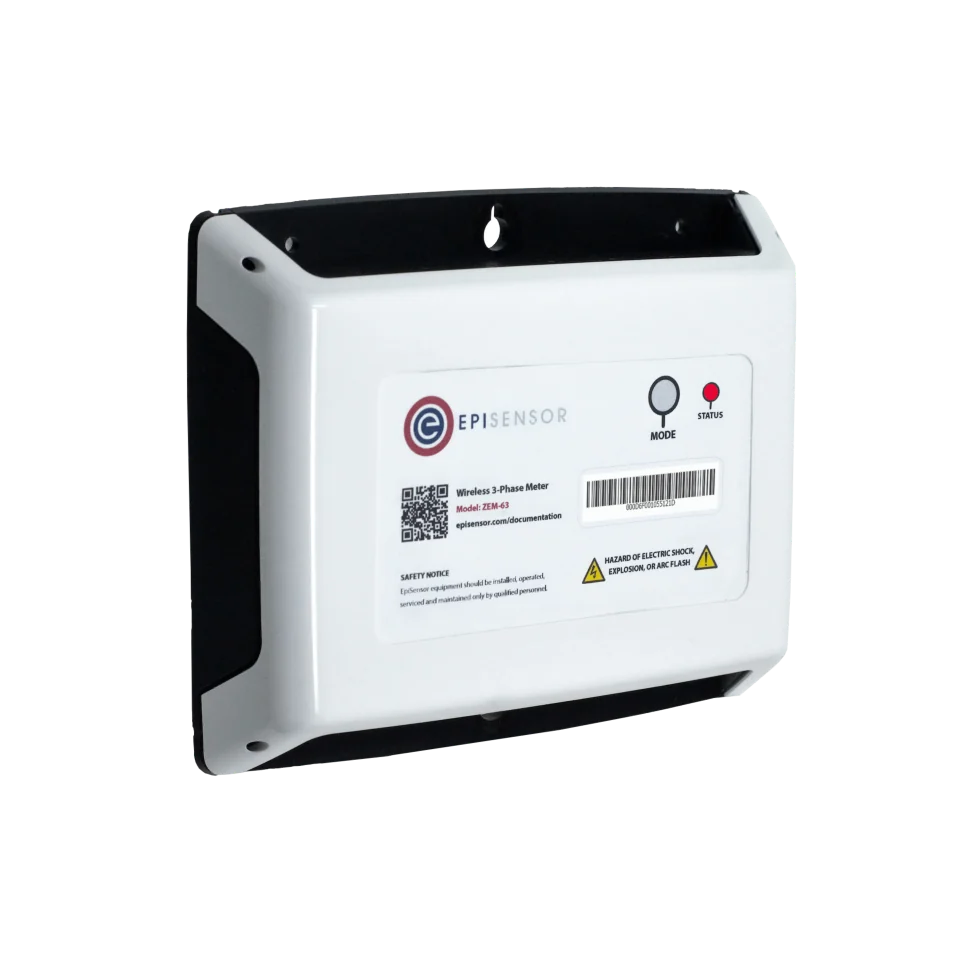
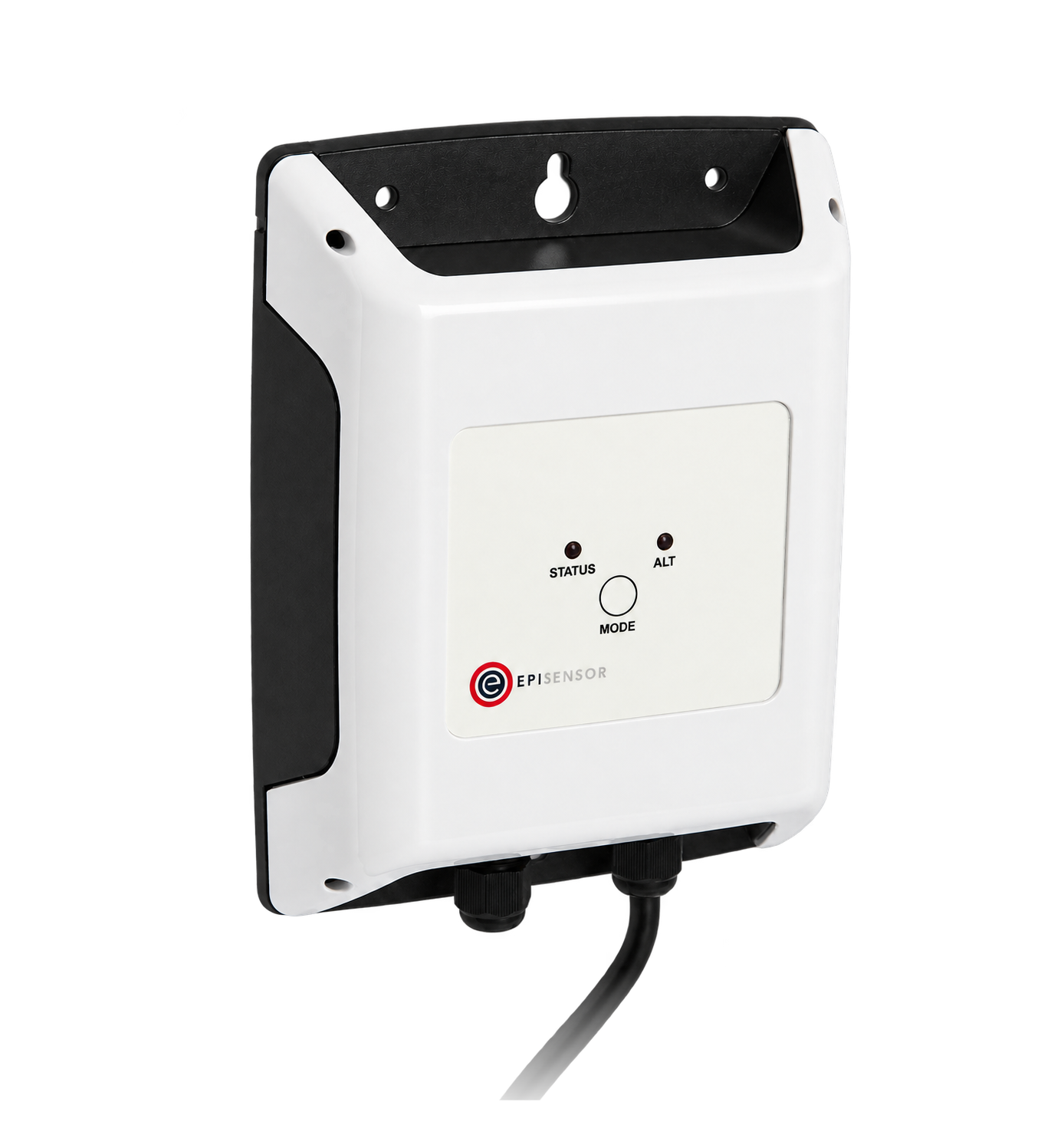
1 per board three-phase, 3 or 4 wire
- Choose the CT rating for the refrigeration board: 120 A split-core, or 300 A, 1 kA and 3 kA Rogowski coils
Class 0.5S to IEC 62053-22 with its CTs
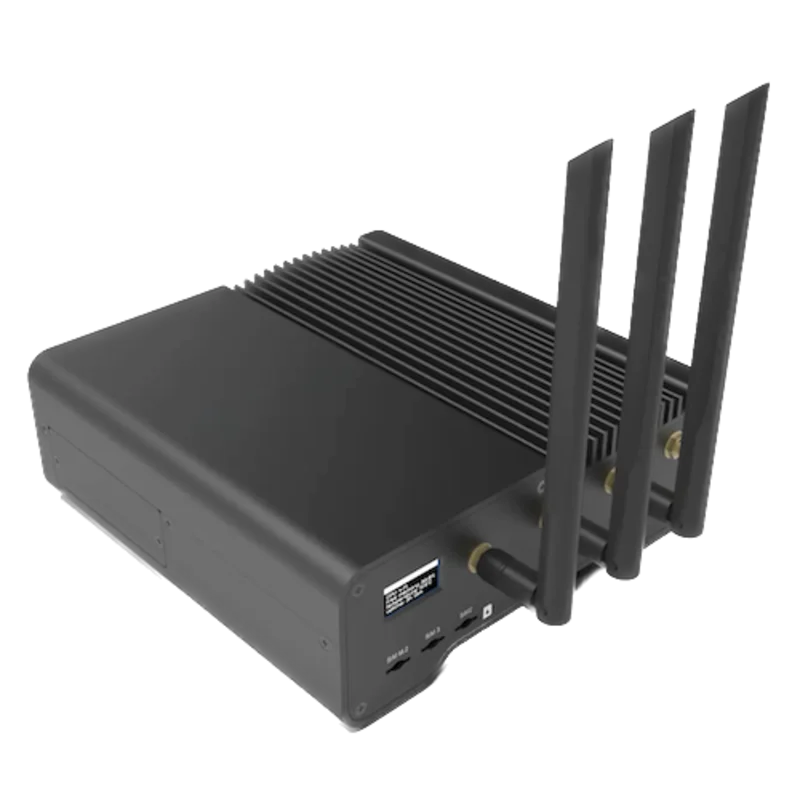
Runs the configured eligibility logic and records dispatch, acknowledgement and recovery evidence
1 per site up to 250 wireless devices
Reads controller state and, only where commissioned, carries an authorised command that the controller may accept
1 per controller up to 30 registers
Modbus RTU over RS-485, read and write function codes
What bounds a refrigeration event
Temperature margin is the safety veto, not a clock. Usable event duration comes from a documented autonomy test under representative load, weather and door use.
Measurement, commissioned control and proof
Temperature and electricity reach Edge as measurements. A separate magenta path shows the project-specific command from Edge through ZMB-31 to the refrigeration controller.
- Wired
- Zigbee
- Control
- Edge
- Platforms
| Position | What it tells you | Reference | Sensor |
|---|---|---|---|
| Product zone | The margin to the product limit that permits or vetoes an event | Positions from a documented mapping study WHO | TES-22 (on this page), probe 1 |
| Warmest mapped point | The first place an event will show, which is where the veto comes from | From the same study, under a representative load WHO | TES-22 (on this page), probe 2 |
| Refrigeration electricity | The shed, the shift and the recovery, in the units a programme settles on | One meter on the board that carries the plant Wireless 3-Phase Electricity Monitor datasheet | ZEM-65 (on this page) |
| Compressor and defrost state | Whether the plant was already in defrost, or in a state that must not be interrupted | Controller registers, with the model and firmware recorded Modbus Interface datasheet | ZMB-31 (on this page) |
Let the product zone decide. Room air and stored product can change at different rates after the plant restarts. The mapped product-zone limit and a representative autonomy test decide eligibility; room-air recovery alone does not.
Repeat the trial for each season and load. Thermal autonomy measured in an empty room in winter says nothing about a full room in summer with the doors working.
The product limit as a veto in Edge
The site's own rules decide whether a request is accepted. That decision runs on the Gateway, beside the probes it depends on.
- Eligibility from headroom
- A calculated sensor can expose the margin to the product limit as an eligibility condition. The permitted minutes come from the site's validated autonomy test, not from temperature difference alone.
- The veto is unconditional
- Reaching the product limit or losing a required input must trigger an explicitly configured expiry or recovery command through the commissioned controller path. Edge does not infer the inverse of an earlier command, and the controller's independent protection remains authoritative.
- Defrost is never interrupted
- The controller state is a condition on the rule, so a defrost period is excluded from dispatch.
- Reduction and recovery, both measured
- The electrical measurement continues through the event and the recovery, at the interval the programme settles on.
Commissioning checks
Run these with whoever owns the stored product, before any capacity is offered.
-
Retain the mapping study
Confirm the mapping study covers the loading and season the flexibility will be offered in.
Pass when the study exists, matches the conditions, and the permanent probes sit at its points.
-
Prove the veto
Simulate a product-zone temperature above its limit while a request is active, then separately make a required input stale.
Pass when the configured expiry or recovery action is issued, the controller acknowledges it within the accepted project time, the plant response is independently observed, and the record distinguishes all three stages.
-
Prove each controlled state
Exercise every state the dispatch uses, including a controller conflict, rejected write, lost connection and Gateway restart.
Pass when the controller's own interlocks remain effective, each configured expiry or recovery action is observed, and no test relies on a missing inverse command being inferred.
-
Run a supervised drift test
Hold the plant off under supervision and watch the product zone against the eligibility model.
Pass when the measured drift matches the model, or the model is corrected before it is used.
-
Measure a full event and recovery
Record the whole window, including defrost, door activity and production changes.
Pass when the reduction and the rebound are both quantified, with the context that explains them.
Limits of this measurement
Flexibility is what is left after the product's requirements are met, never before them.
- Demand response does not replace food, pharmaceutical or process temperature compliance and its alarm procedures.
- Room air temperature may not represent the product's core, surface or worst case.
- Thermal autonomy measured in one loading, weather or door-use condition does not transfer to another.
- The refrigeration controller and its protection stay in charge of the plant.
- Temperature telemetry and an Edge rule are not an independent safety interlock; the equipment designer must retain and test the controller's own protective functions.
Sources
- Temperature mapping of storage areas (opens in a new tab) (opens in a new tab) World Health Organization
- Measurement and verification for demand response (opens in a new tab) US Department of Energy and FERC
- Probe Temperature Sensor datasheet (opens in a new tab) EpiSensor. Specifications, ranges and ordering codes.
Related
Third-party devices for this application
More in the Device Directory: Energy meters (62), Current transformers (7), Temperature and humidity sensors (21)
Keep the product limit in charge of every event
An engineer can work out the honest headroom, and make the product limit the thing that decides.