Cold room and cold store temperature monitoring
Probes at the warm and cold points a mapping study found, one in the product zone, and alarms that carry a delay so a door opening is not an incident.
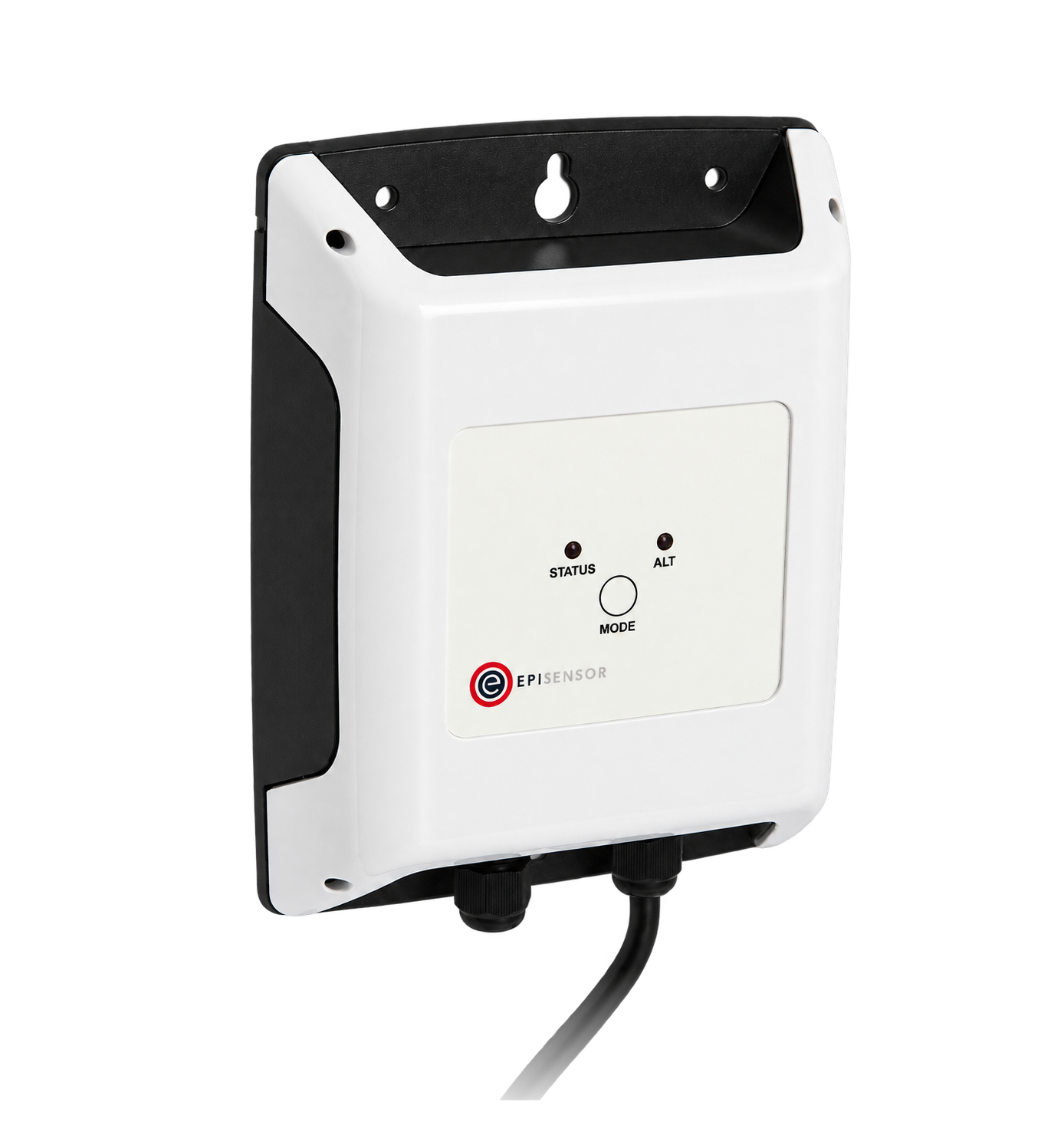
- Measure
- The mapped warm and cold locations, the product zone, and the refrigeration plant's electricity
- Good practice
- Map the space before choosing permanent positions WHO mapping guide
- Sensors
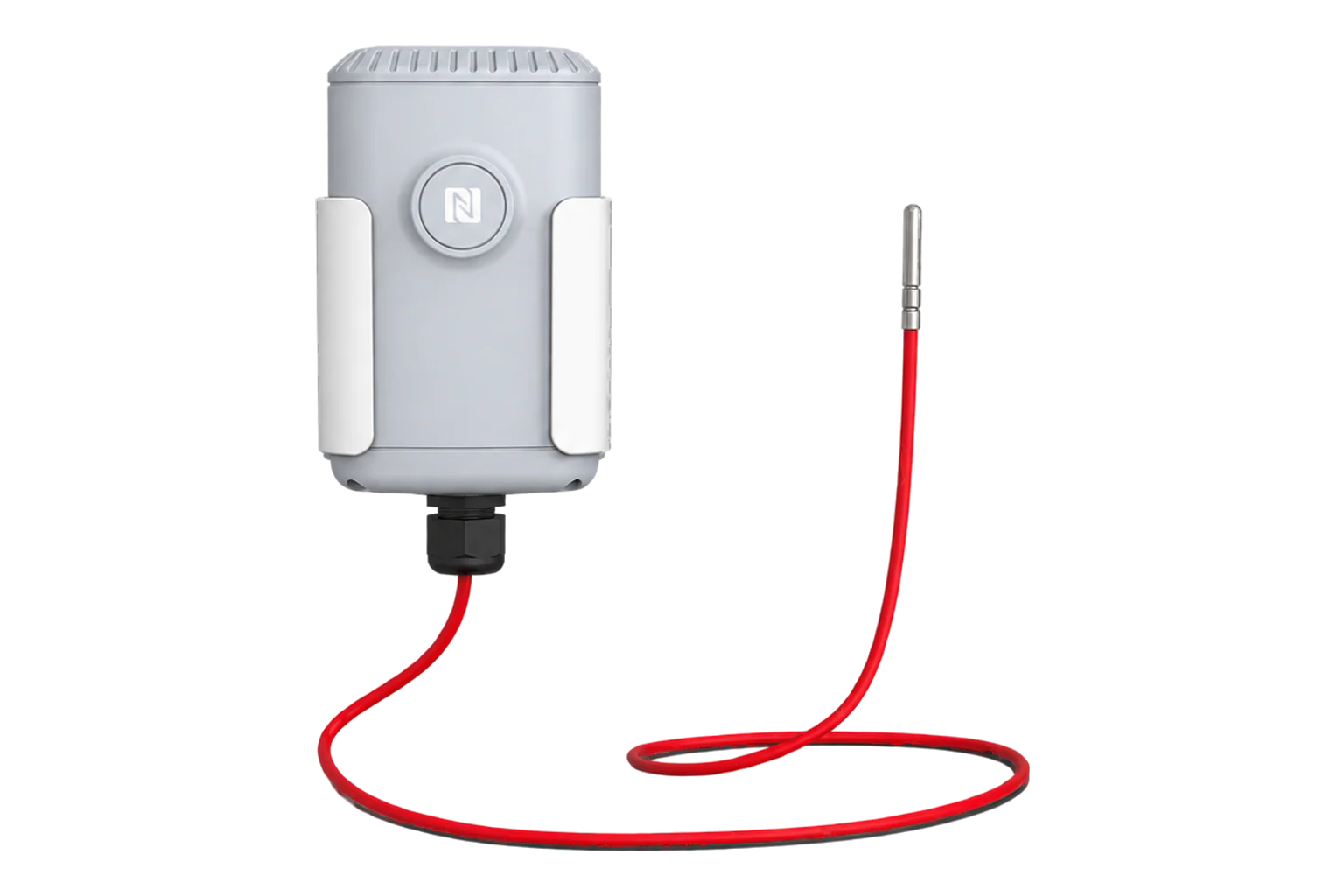
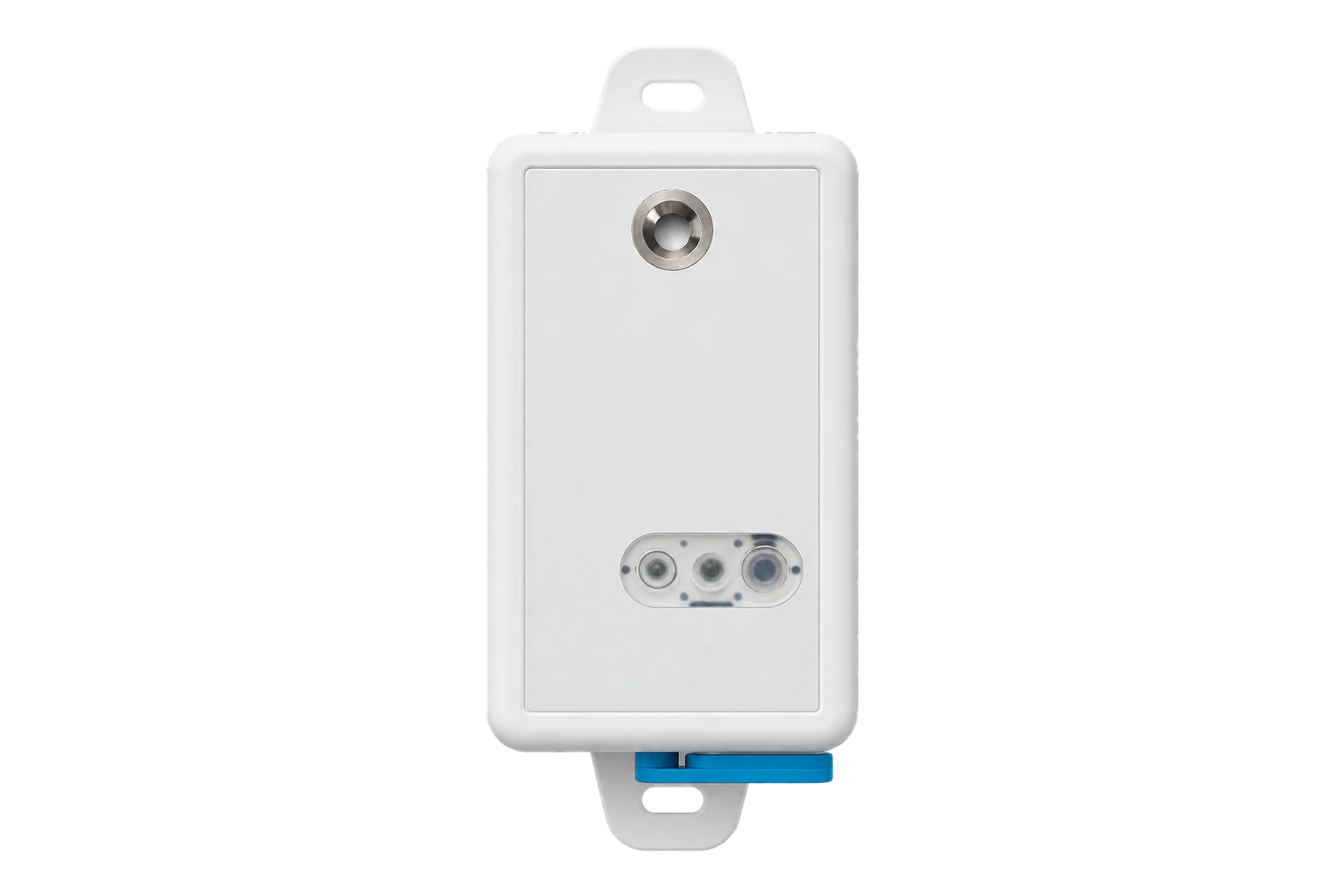
- TES-22 waterproof probes, ±0.2 °C in the normal range, down to −40 °C at ±0.5 °C Probe Temperature Sensor datasheet
- On site
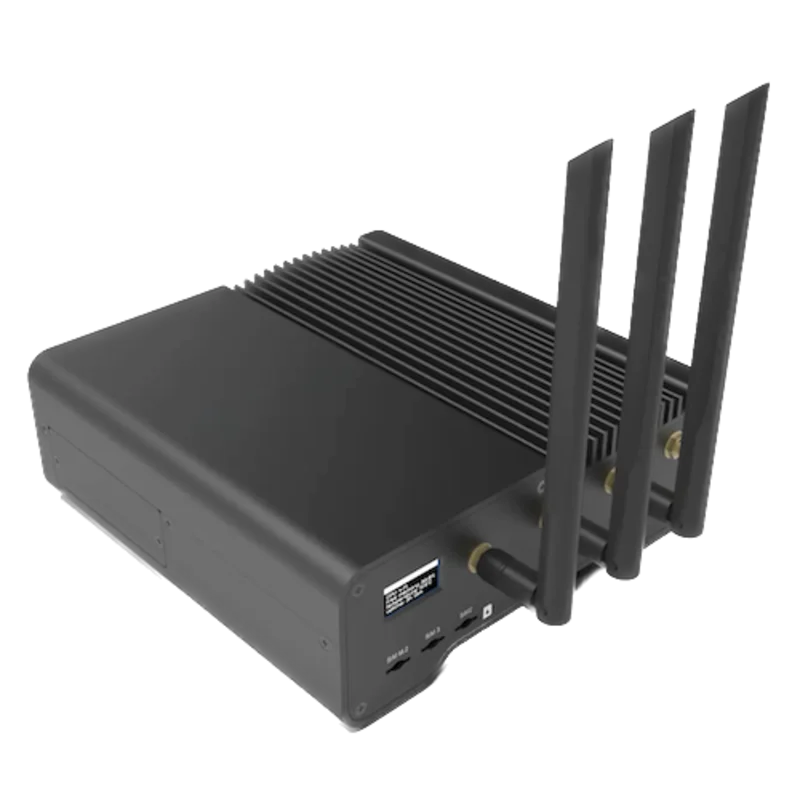
- ZGW-20 Gateway, alarms, records and up to 250 wireless devices Gateway datasheet
Mapping comes before monitoring
A temperature mapping study finds the warmest and coldest parts of a space under loaded, empty, defrost and door-opening conditions. Permanent probes then go where the map says, not where the cable is easiest. Without the map, a probe beside the thermostat reports the thermostat.
Hardware for cold room temperature monitoring
Two probes for the extremes of each space, one for the product zone, and the plant's electricity when the cause matters as much as the effect.
The warm and cold locations the mapping study found
1 per space two mapped points
 2 waterproof probes, 2.5 m leads
±0.2 °C from −20 to 70 °C, ±0.5 °C from −40 to 105 °C, battery life up to 10 years at 15-minute reporting
The product zone, or a buffered probe that follows the load rather than the air
1 per zone one mapped point
- 1 waterproof probe, 2.5 m lead
Keeps the record, runs the alarms and delivers them off site
1 per site up to 250 wireless devices
If plant behaviour has to be explained, not only recorded
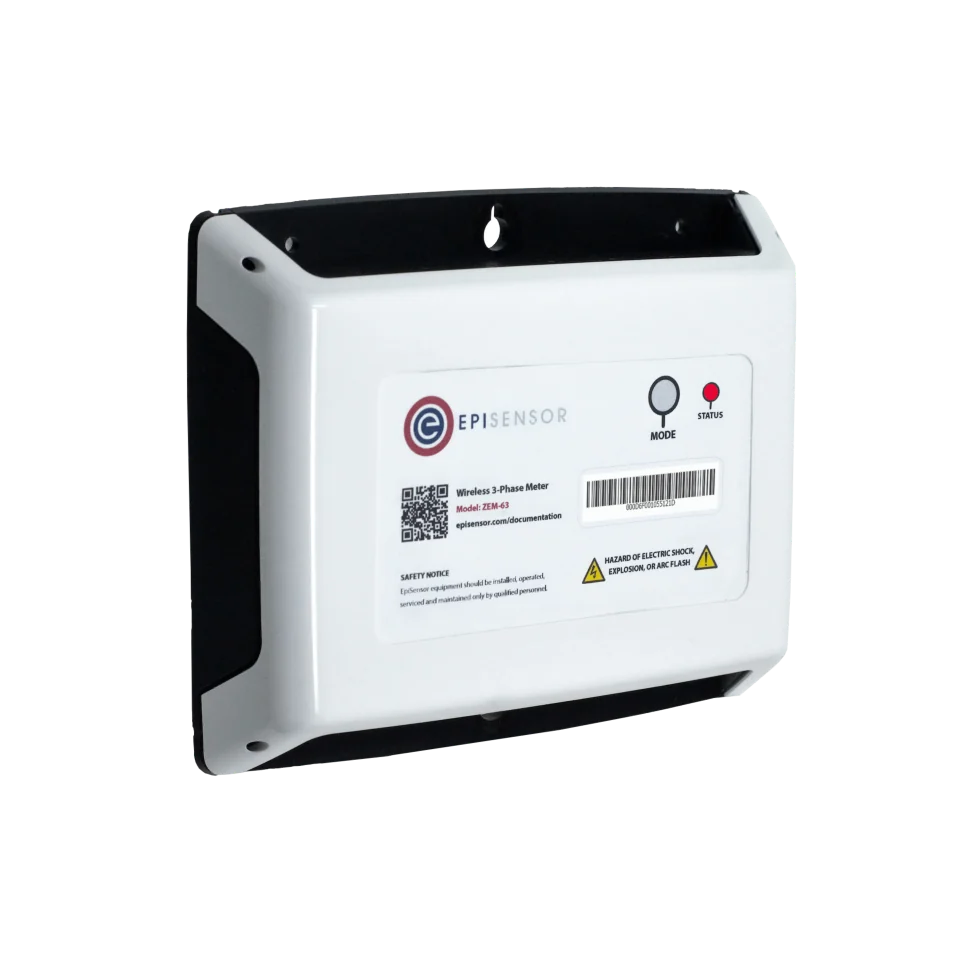
The refrigeration plant's electricity, which explains what the temperature did
1 per board three-phase, 3 or 4 wire
- Choose the CT rating for the refrigeration board: 120 A split-core, or 300 A, 1 kA and 3 kA Rogowski coils
If the controller has a published register map
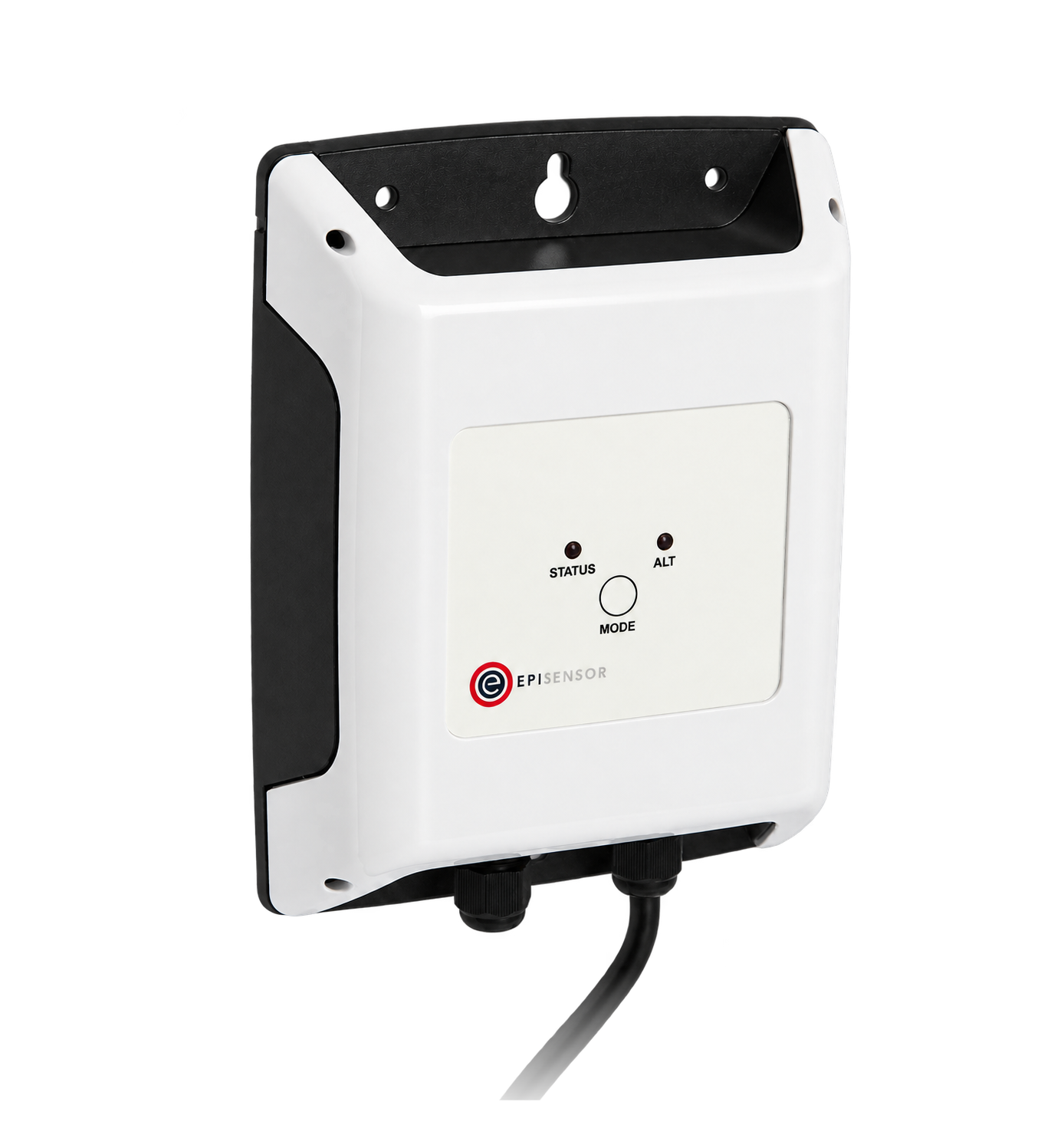
Setpoint, defrost and alarm state from the refrigeration controller
1 per controller up to 30 registers
Where the probes go in a cold store
Each probe answers a question the mapping study asked. Write the question beside the probe, so a later change of layout can be judged against it.
From field measurement to Edge
Each field signal reaches its named EpiSensor interface, reports through the site Gateway and is handled locally in Edge.
- Wired
- Zigbee
- Edge
- Platforms
| Position | What it tells you | Reference | Sensor |
|---|---|---|---|
| Mapped warm location | The worst case the stored product sees | Chosen from a documented mapping study, under representative conditions WHO mapping guide | TES-22 (on this page), probe 1 |
| Mapped cold location | Whether anything is being over-cooled or frozen | From the same study, usually in the evaporator's discharge WHO mapping guide | TES-22 (on this page), probe 2 |
| Product zone | What the load is doing, which lags the air | Say whether the probe reads air, a buffer or a product simulation | TES-21 (on this page) |
| Refrigeration electricity | Whether a temperature rise came with the plant running or with it stopped | One meter on the refrigeration board Wireless 3-Phase Electricity Monitor datasheet | ZEM-65 (on this page) |
| Controller state | Defrost and setpoint changes that explain a scheduled excursion | Controller registers, with the model and firmware recorded Modbus Interface datasheet | ZMB-31 (on this page) |
Probe the product zone. Air temperature moves in minutes and a pallet moves in hours. A door-opening spike in the air may mean nothing to the load, which is why the alarm carries a delay.
Record the defrost state. Keep the controller's defrost state so a regular rise can be recognised instead of investigated every time.
Allow ±0.5 °C below −20 °C. Below −20 °C the probe holds ±0.5 °C rather than ±0.2 °C. In a freezer, that is part of the measurement plan.
Alarms and records for a cold store
The rules run on the Gateway, so an alarm does not depend on somebody watching a dashboard.
- A temperature outside its limits
- A limit rule per probe, with a hold time agreed with the person responsible for the product, so a door opening does not raise an incident.
- A probe that stops reporting
- A no-data rule flags a silent sensor within a set time, from one minute to a day, because a missing reading is not a good reading.
- Who is told, and when
- Email, SMS, a webhook or an alert in Edge, with the recipients set per rule. Email and SMS need the Gateway's own settings and a connection.
- The record survives the network
- Each sensor holds up to 70,000 readings in its own memory. During a bounded outage, that buffer can retain readings for later recovery; retention depends on the reporting interval, outage length and available capacity.
Commissioning checks
Do these before the record is relied on, and repeat the mapping check after any material change.
-
Each probe matches the study
Photograph every fitted probe and mark its position on the mapping study's drawing.
Pass when every permanent probe is at a position the study identified.
-
Probes agree with a reference
Compare each installed probe with a traceable reference instrument at the operating temperature.
Pass when the differences are inside the tolerance the quality process accepts, and recorded per probe.
-
High, low and silent all alarm
Force each state in turn: warm one probe, cool another, and remove a battery.
Pass when all three reach the named recipient, who acknowledges them.
-
The delay is right for the product
Open the door for a normal loading period and watch whether the rule fires.
Pass when routine work does not raise an alarm, and a real excursion still does.
-
Time and retention are set
Check the Gateway's clock, the reporting interval and how long the record is kept.
Pass when the retention period matches what the quality process requires.
Limits of this measurement
Installing a probe does not turn an unvalidated room into a qualified cold chain.
- The mapping study, the qualification of the space and the quality process that owns them.
- The limits themselves: what is acceptable comes from the product and its regulator, not from the sensor.
- Calibration records, retention periods and the response procedure when an alarm fires.
- A controller reading is context. It does not replace an independent monitoring point where one is required.
Sources
- How to temperature map cold chain equipment and storage areas, second edition (2022) (opens in a new tab) (opens in a new tab) World Health Organization
- Cold chain equipment and dry store temperature mapping tool, version 9.2 (2024) (opens in a new tab) (opens in a new tab) World Health Organization
- Probe Temperature Sensor datasheet (opens in a new tab) EpiSensor. Specifications, ranges and ordering codes.
Related


Third-party devices for this application
More in the Device Directory: Energy meters (62), Current transformers (7), Temperature and humidity sensors (21)
Turn a mapping study into permanent probe positions
An engineer can place the permanent probes against the study, and size the sensors and Gateway for the site.