Supermarket energy monitoring
Monitor each store and its refrigeration, HVAC, lighting, food preparation, hot water, solar and EV charging loads, then compare like-for-like operating periods across the portfolio.
- Measure
- Whole-store electricity with non-overlapping child boundaries for refrigeration, HVAC, lighting, bakery or kitchen, hot water and EV charging
- Calculate
- Opening hours, weather, sales or activity, refrigeration state, defrost and approved store exceptions ENERGY STAR checklist
- Scale
- Grocery store energy management with reconciled kWh per store, floor area, opening hour or locally governed activity denominator ENERGY STAR grocery stores
- On site
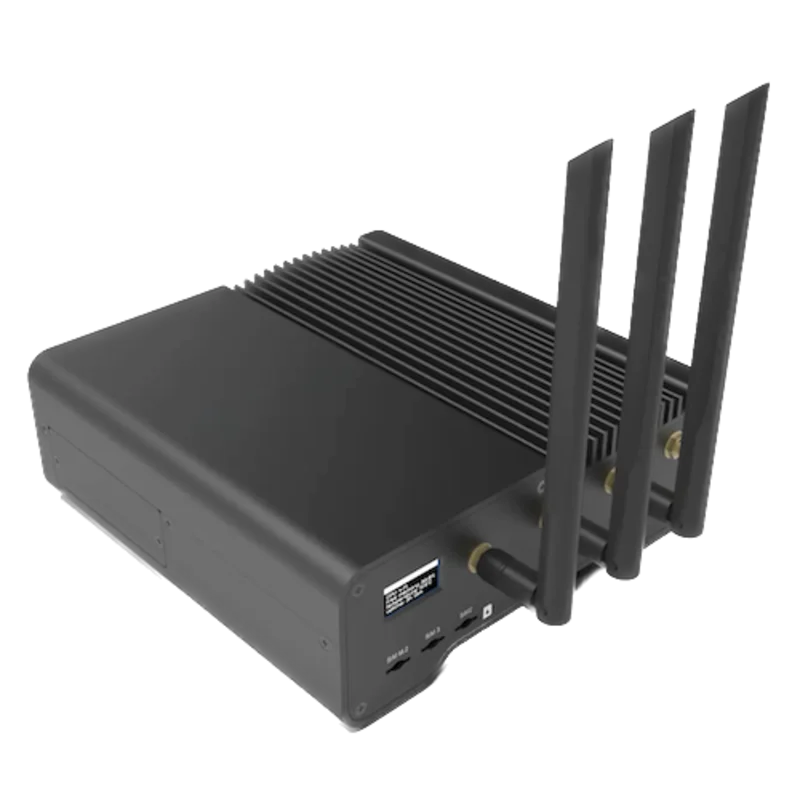
- ZGW-20 Gateway, Edge retains local trends, alarms, schedules and portfolio-ready records
Define the store and portfolio hierarchy before adding detail
Start with the incoming electricity meter, current single-line diagram, refrigeration schedule and store operating calendar. Give the whole store one parent boundary, then add only non-overlapping child boundaries that answer an operating question. Keep landlord supplies, concessions, shared services, onsite generation, EV charging and exports explicit. Use the same hierarchy and naming across sites before comparing stores. Food-safety temperature records remain a separate controlled dataset even when timestamps are aligned.
| Boundary | Measurement route | Question it answers |
|---|---|---|
| Store and portfolio total | Existing utility meter plus an owner submeter at the declared incomer where required | Can energy, demand and overnight baseload be reconciled for each store and the portfolio? |
| Refrigeration system and cases | Parent refrigeration boundary, selected packs or feeders, and documented read-only controller states | How do compressors, condensers, evaporators, cabinets and defrost contribute under the same trading and weather conditions? |
| Other store services | Non-overlapping HVAC, lighting, bakery or kitchen, hot-water and EV charging feeders | Which service explains a change, and what residual load remains at the parent boundary? |
| Operating context | Opening calendar, weather and governed sales or activity feed | Did the store operate for the same hours and activity, and were closures, maintenance or layout changes recorded? |
Hardware for food retail energy monitoring
Meter stable electrical boundaries and acquire only documented outputs from existing meters or refrigeration controllers. Size Gateway coverage on site and keep every child total inside one declared parent.
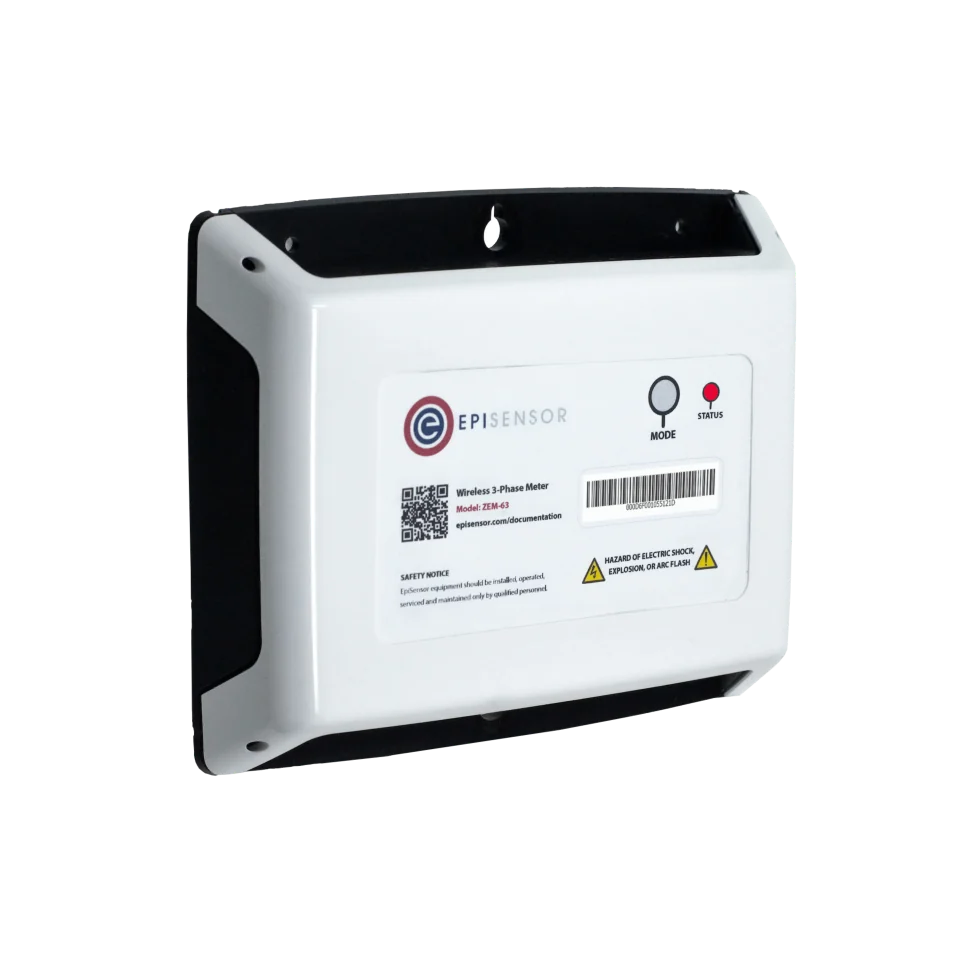
Measures the store incomer or a separately supplied refrigeration, HVAC, lighting, bakery, hot-water or EV charging boundary
1 per declared electrical boundary three-phase, 3 or 4 wire
- Choose the CT rating for each monitored supply: 120 A split-core, or 300 A, 1 kA and 3 kA Rogowski coils
Class 0.5S to IEC 62053-22 with its CTs, 0.1 A to 3 kA
Collects store energy and context records, keeps local history and evaluates schedules and alarms
1 per surveyed coverage area coverage and capacity checked on site
If the exact meter or controller has a published read-only Modbus RTU map and connection is approved
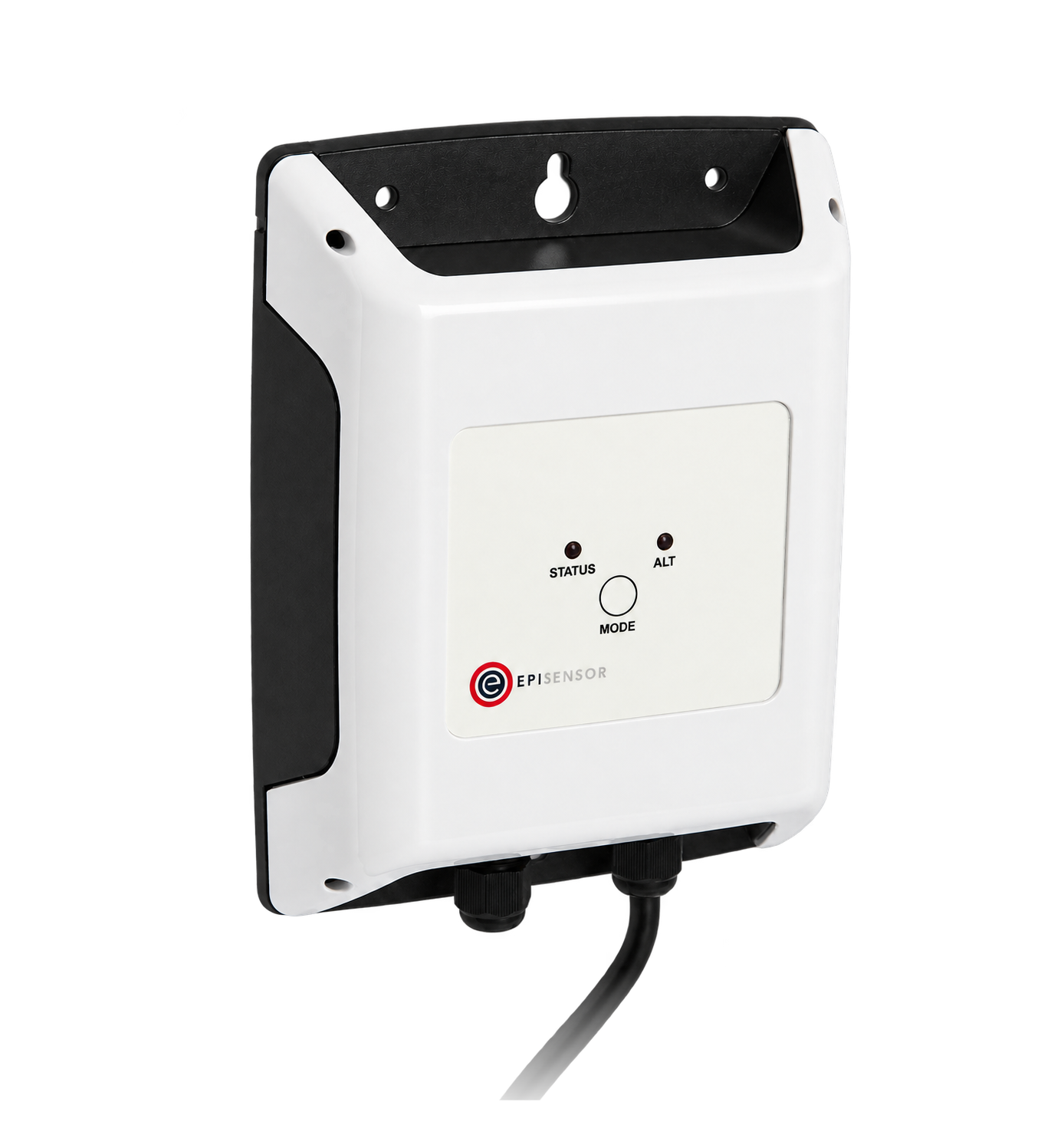
Reads documented observations from a suitable utility meter or refrigeration-controller Modbus RTU segment
1 per RS-485 segment up to 30 configured registers
Modbus RTU master over RS-485, up to 30 configured registers
Food retail energy monitoring boundaries
Reconcile the store parent with non-overlapping child services before ranking loads or comparing sites. Retain generation, import, export and EV charging as separate quantities.
How store energy reaches Edge
Electrical boundaries, documented refrigeration state and store context follow separate paths before Edge aligns them for local alarms and portfolio comparison.
- Wired
- Zigbee
- Link
- Platforms
- Edge
| Position | What it tells you | Reference | Sensor |
|---|---|---|---|
| Refrigeration packs, cases and defrost | Electricity for compressors, condensers, evaporators, cabinets, cold rooms and defrost, aligned with pack or case state | Refrigeration is a major grocery-store load; compare system energy with ambient conditions, trading state and documented controller operation ENERGY STAR grocery stores | ZEM-65 (on this page) |
| HVAC and lighting | Heating, cooling, ventilation and sales-floor or back-of-house lighting through trading and closed hours | Preserve weather, occupancy schedule and maintenance context before comparing stores or changing schedules ENERGY STAR checklist | ZEM-65 (on this page) |
| Bakery, kitchen and hot water | Energy for preparation, cooking, extraction, dishwashing and hot-water production where the store provides these services | Use service periods and activity counts; retain appliance, gas and water boundaries separately ENERGY STAR checklist | ZEM-65 (on this page) |
| Solar PV, grid and EV charging | PV generation, grid import and export, store demand and EV charging as separate time-aligned series | Reconcile the electrical balance at one interval; do not infer store demand from grid import when onsite generation is active ENERGY STAR checklist | ZEM-65 (on this page) |
| Closed-hours and overnight baseload | Expected refrigeration and safety-critical loads plus lighting, HVAC, hot water, chargers and plug loads that remain after closing | Define closed hours from each store calendar and investigate deviation from its own stable baseline ENERGY STAR checklist | ZGW-20 (on this page) |
Keep food safety separate. Case-air or controller temperature can explain energy, but it does not become a HACCP critical-control record. The approved food-safety system keeps its own probes, limits, checks, corrective actions and retention.
Record defrost state. A defrost interval can raise electrical load and product or air temperature. Retain the controller state and sequence before diagnosing waste or changing schedules.
Reconcile before benchmarking. Compare the parent store total with non-overlapping child meters, generation, export and named exclusions. Label the residual rather than allocating it silently.
Configure store-aware monitoring
Use one common naming and interval policy across the estate, while preserving each store calendar, equipment identity and approved exception. Begin read-only and assign every alarm to an operating owner.
- Keep a controlled point register
- Record store, board, feeder, meter or controller identity, point name, unit, scaling, sign, interval, timestamp source, stale threshold, expected range and owner. Preserve equipment model and firmware for acquired controller points.
- Align trading and operating context
- Retain opening, delivery, cleaning, bakery or kitchen and maintenance periods. Time-align weather and a locally governed sales, transaction, footfall or production measure, while marking missing and revised context.
- Tune actionable alarms
- Observe normal seasonal and trading variation before alarming on rising overnight baseload, missing refrigeration load, unexpected defrost, persistent peaks or a failed child-to-parent reconciliation. Give each alarm a delay, named recipient, escalation and reset rule.
- Preserve control authority
- Refrigeration, HVAC, lighting, PV and EV controllers remain authoritative. A write path needs a separate engineered control scope with permissions, interlocks, fallback, change records and witnessed tests; monitoring alone grants no authority.
Commissioning checks
Commission the store parent, clock and hierarchy first, then add service detail, context and portfolio comparison.
-
Freeze the measurement hierarchy
Mark incomer, generation, export, EV charging and every child feeder as parent, child, excluded or context-only on current drawings and the point register.
Pass when drawings, physical labels, point names and portfolio hierarchy describe the same non-overlapping boundaries.
-
Prove every acquisition path
Verify phase order, CT direction and ratio, pulse weights or documented register scaling against the local display and a known operating state.
Pass when direction, units, scaling, cumulative values, interval and timestamps agree within the declared tolerance.
-
Walk trading, closing and defrost
Observe an opening period, a representative trading interval, closing, overnight operation and at least one identified defrost sequence.
Pass when each material change has a plausible operating cause and controller state is distinguished from energy response.
-
Reconcile the store balance
Compare the parent total with synchronized non-overlapping children, generation, import, export and named exclusions over complete intervals.
Pass when the residual is quantified, signed correctly and investigated when it exceeds the site tolerance.
-
Test alarms without taking control
During an approved window, simulate a stale point, schedule exception and notification escalation without changing refrigeration, food-safety, HVAC, protection or charging controls.
Pass when gaps and exceptions are visible, alerts reach their owners and no safety or control function changes.
-
Qualify portfolio comparison
Check store area, opening hours, weather and the selected sales or activity denominator for definition, timestamp basis, completeness and ownership.
Pass when each comparison states its denominator, exclusions and data-quality status, and avoids ranking unlike stores as peers.
Limits of supermarket energy monitoring
This measurement layer explains energy use and operating patterns. It does not replace food-safety, refrigeration-control, building-control, electrical-protection, refrigerant-compliance, settlement or billing systems.
- Energy data and controller or case-air temperatures do not certify food safety. HACCP monitoring follows the site plan, calibrated probes, critical limits, checks, corrective actions and retention rules.
- Energy or controller trends do not replace the leak checks, leakage-detection systems, records or certified work required by applicable refrigerant law. The equipment inventory and refrigerant obligations remain separately governed.
- Observing refrigeration, HVAC, lighting, PV or EV points gives no command authority. Writes need an approved control design, permissions, interlocks, fallback, change logging and witnessed commissioning.
- Owner submeters and acquired utility registers are not automatically suitable for settlement, tenant charging, tax, incentives, emissions assurance or statutory reporting. Those uses require the specified meter class and governance.
- Electrical monitoring does not verify protection settings, fault level, selectivity, export limitation or grid-code compliance. These remain with the appointed electrical designer and approved protection or power-control equipment.
- A lower store total does not prove better efficiency when weather, opening hours, sales or activity, store format, equipment availability, product mix or the measurement boundary changed.
Sources
- Energy savings tips for small businesses: grocery stores (opens in a new tab) (opens in a new tab) US Environmental Protection Agency ENERGY STAR
- Energy and water efficiency checklist for supermarkets and grocery stores (opens in a new tab) US Environmental Protection Agency ENERGY STAR
- Regulation (EC) No 852/2004 on the hygiene of foodstuffs (opens in a new tab) (opens in a new tab) European Parliament and Council
- Regulation (EU) 2024/573 on fluorinated greenhouse gases (opens in a new tab) (opens in a new tab) European Parliament and Council
- Wireless 3-Phase Electricity Monitor datasheet (opens in a new tab) EpiSensor. Specifications, ranges and ordering codes.
Related
-
Refrigeration energy monitoring
Meter the whole refrigeration plant, split out compressors and fans, and compare periods with the same controller state and load. -
Cold room and cold store temperature monitoring
Probes at the warm and cold points a mapping study found, one in the product zone, and alarms that carry a delay so a door opening is not an incident. -
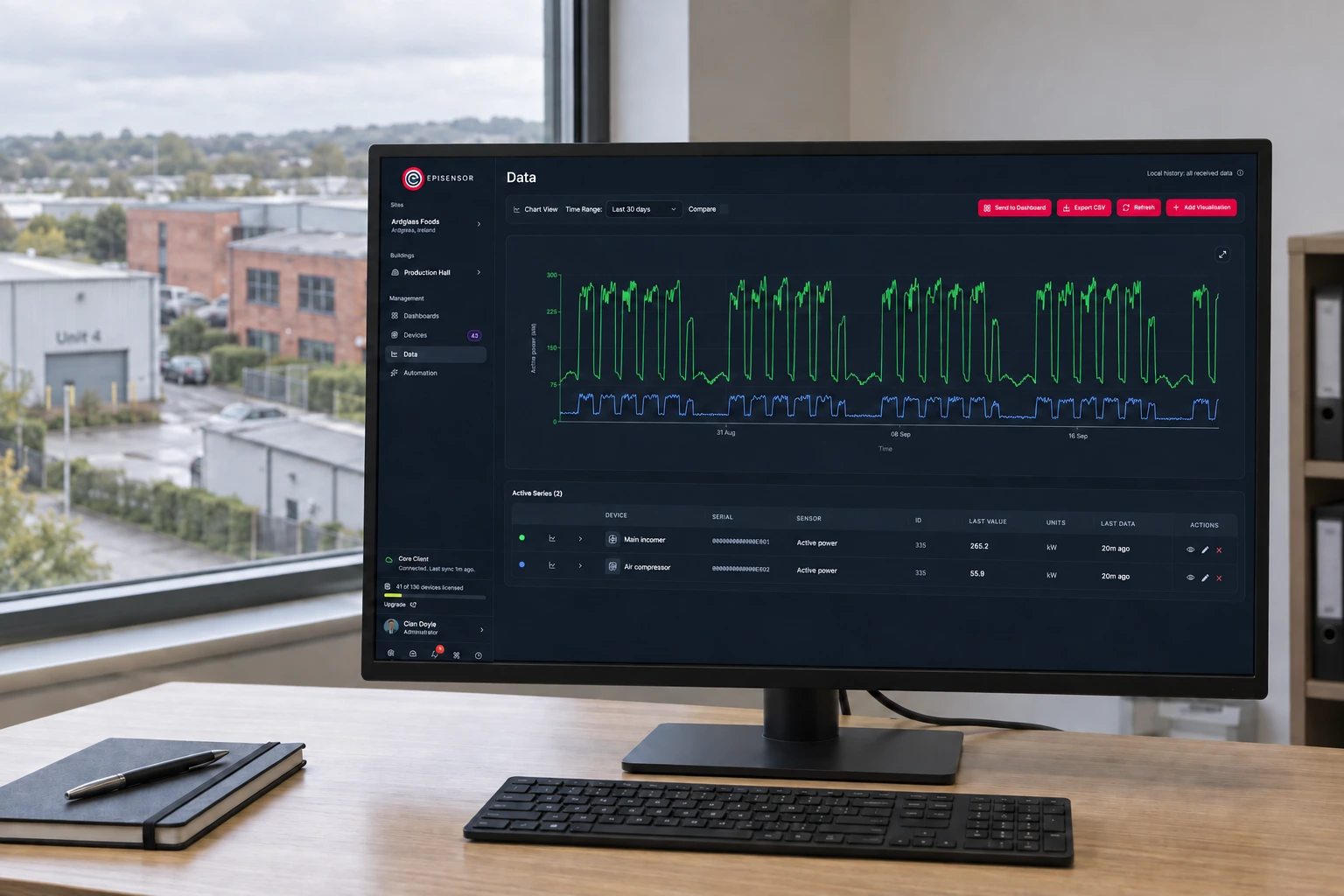
Multi-site energy monitoring
A Gateway on every site supports remote energy monitoring with local data continuity, a consistent point register and named owners for connections, credentials and change.
- OverviewEnergy monitoring
- CalculatorLoad factor calculator
- GuideEquipment performance monitoring boundaries
Third-party devices for this application
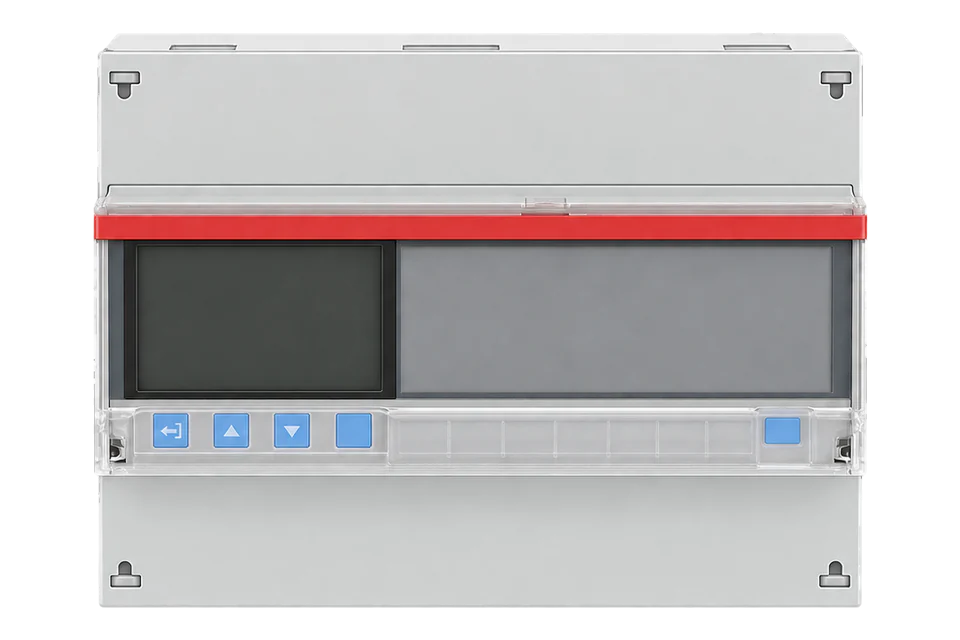
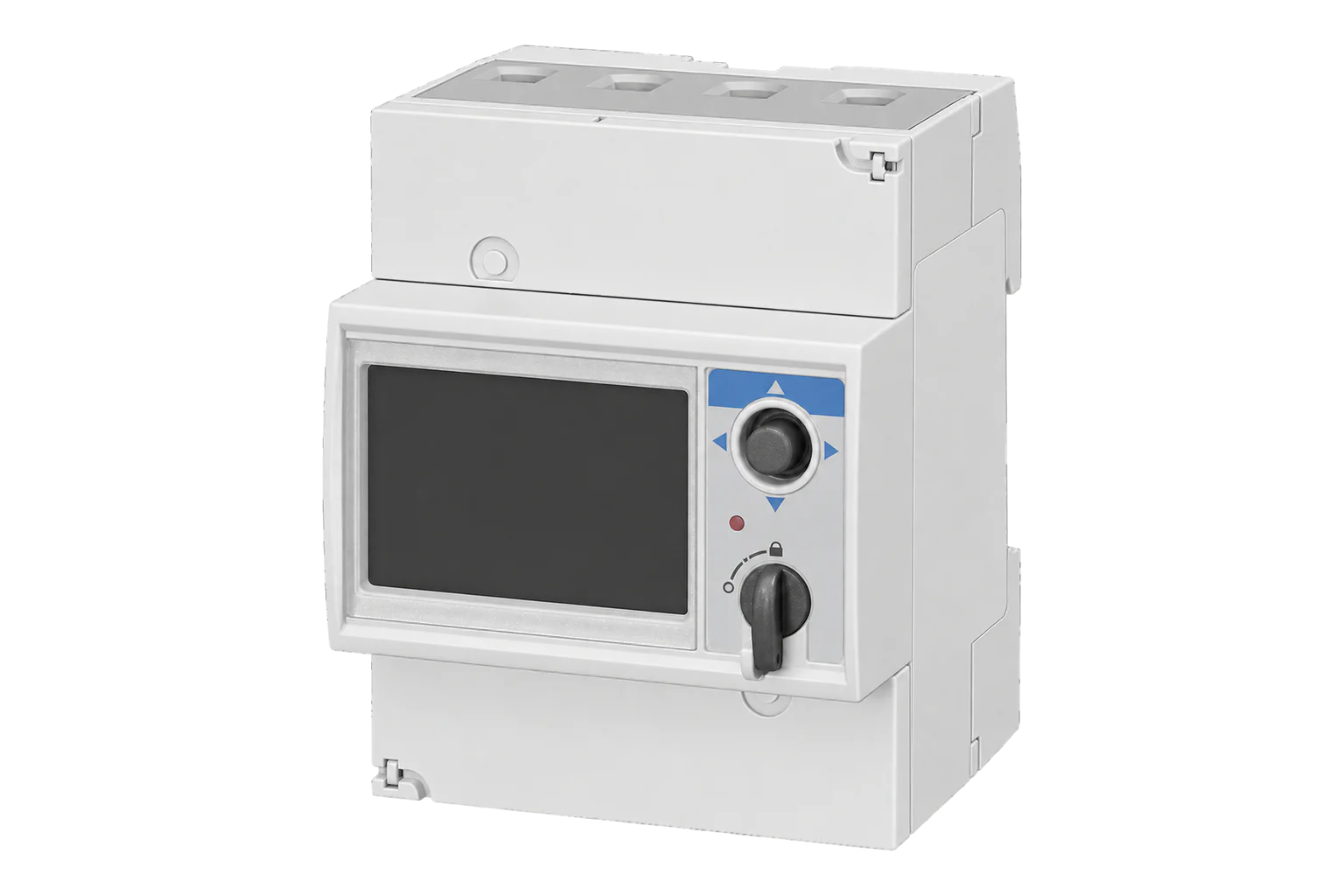
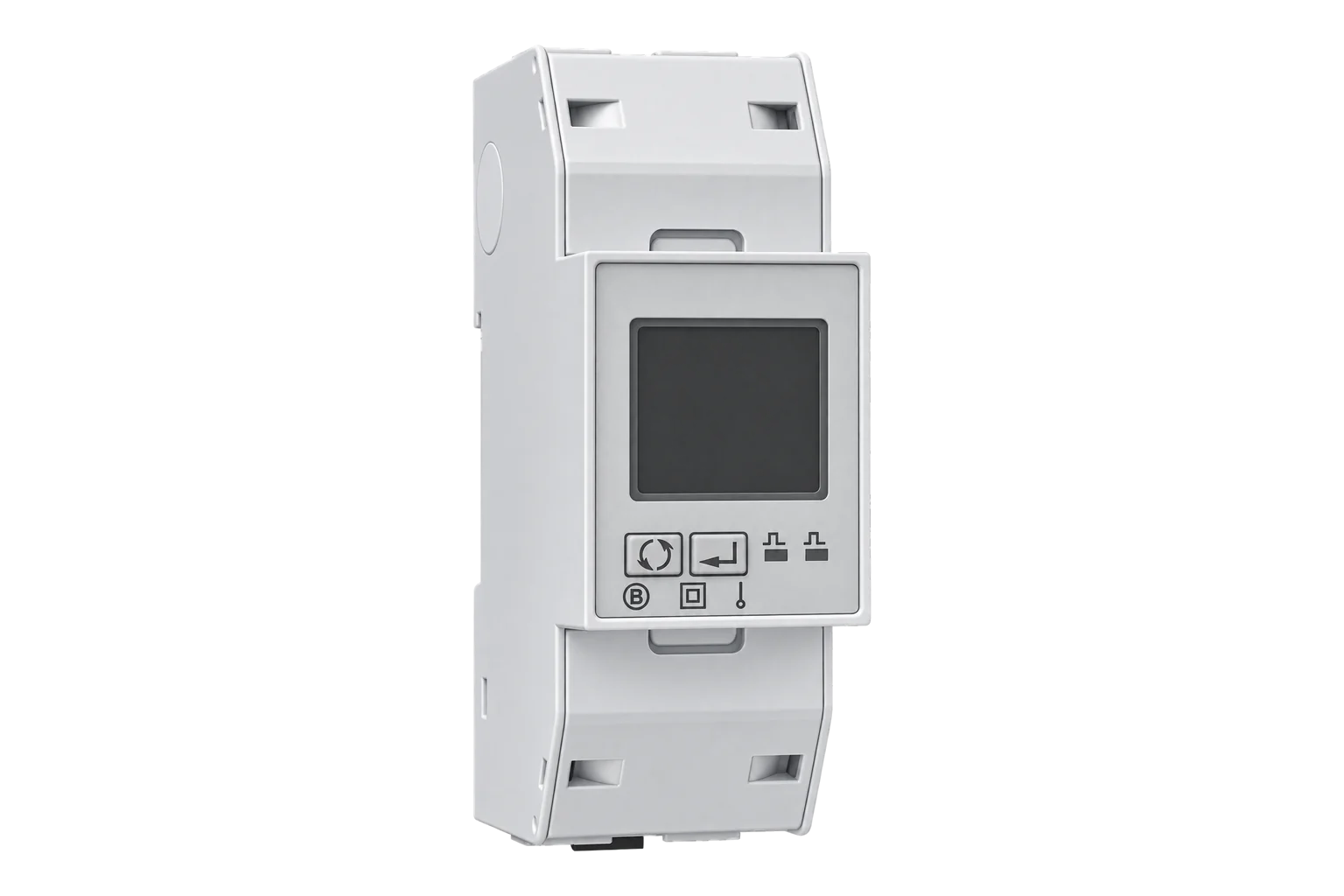
More in the Device Directory: Energy meters (62), Current transformers (7)
Commission a representative store week
An engineer can map the store hierarchy, commission stable meters and read-only context, reconcile trading and closed hours, and establish portfolio alarms without crossing food-safety or equipment-control responsibilities.