ZEM accuracy: Class 0.5S as a system
The ZEM and its CTs are calibrated together before they ship, so the accuracy class covers the whole measurement.
Why system accuracy matters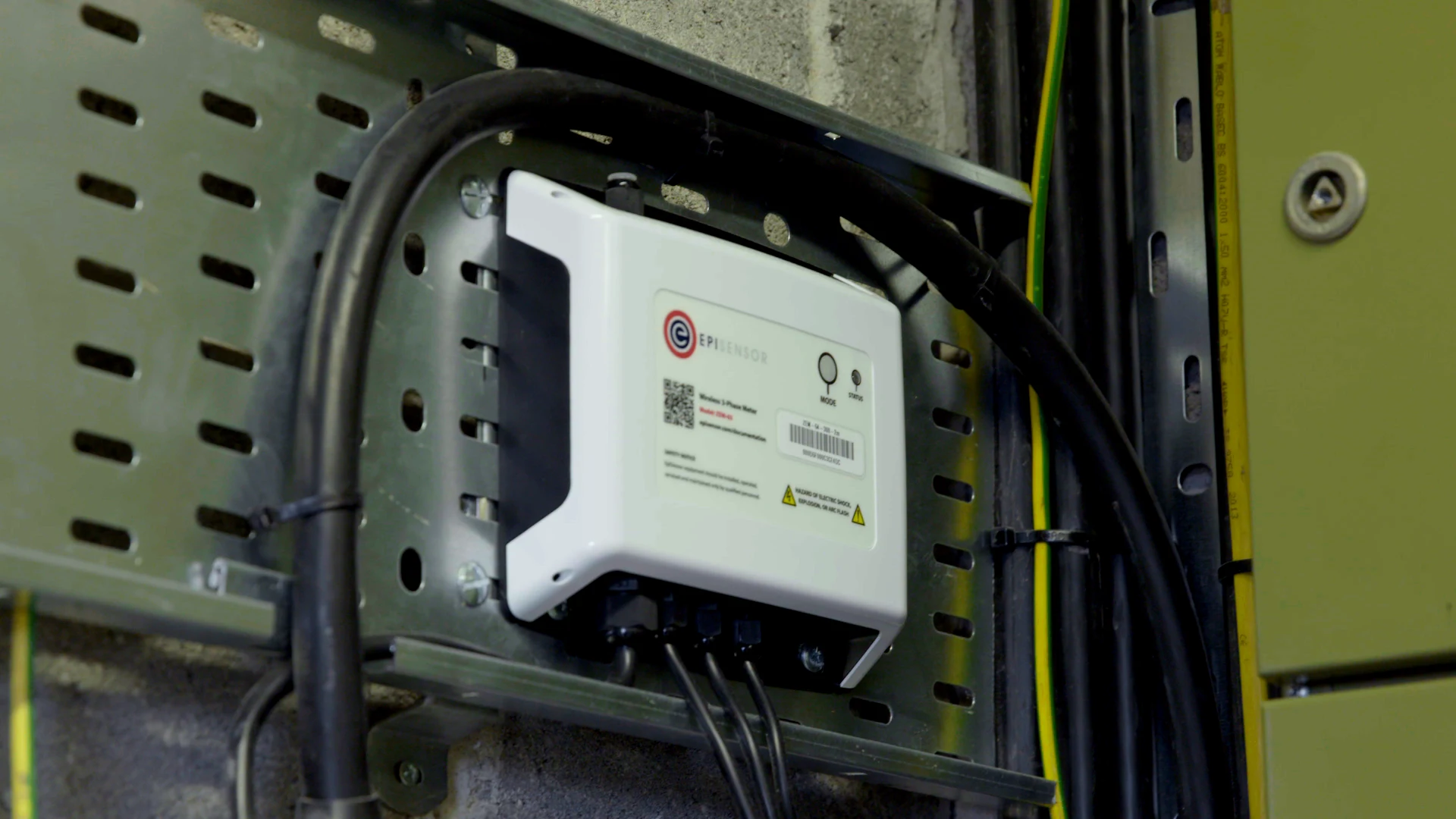
We build the sensors, Gateways and software that connect energy services to the equipment on site. Our partners use that infrastructure to monitor consumption, control assets and help their customers use energy more efficiently.
Three ways to meter a commercial or industrial site. The price of a meter is only part of the cost of a measurement you can rely on.
| EpiSensor | Consumer clamp meters | Hard-wired metering | |
|---|---|---|---|
| Accuracy | The ZEM electricity monitor is Class 0.5S for the whole measurement: meter and current sensors calibrated together before they ship. | Typically not specified as a system. The clamp and the meter are sold, and calibrated if at all, separately. | Revenue-grade meters reach Class 0.5S; the current transformers are specified and fitted separately. |
| Installation | Wireless to the Gateway, with split-core CTs or Rogowski coils around the existing conductors. No data cable back to a panel. | Quick to fit, usually one circuit or one site per device. | A data cable (RS-485 or Ethernet) to every meter, and usually a shutdown to fit the CTs. |
| Protocols | Zigbee, LoRaWAN, Modbus, BACnet and OPC UA into one Gateway; out over MQTTS, HTTPS, files and a documented API. | Typically the vendor's own app or cloud. | Modbus or M-Bus into a building management system or data logger. |
| Where the data lives | On the Gateway first. Edge keeps recording and runs rules without the internet, and no EpiSensor cloud service is required. | Typically the vendor's cloud. | In the system the meters are wired to. |
| Control | Local automation on the Gateway: relays, setpoints and demand response, with every protocol in the same rules. | Typically monitoring only. | Through a separate control system. |
| At scale | Up to 250 devices on a Gateway, and Core manages every Gateway in an estate from one place. | Typically built for a home or a small business, one account per site. | Each new point adds cable runs and panel work. |
Wireless sensors join a Zigbee mesh to the Gateway, so a retrofit needs no data cable back to a panel. CTs clip around existing conductors. Power, probes and electrical connections still need to suit the installation, and wireless coverage needs to be checked on site.
The hardware range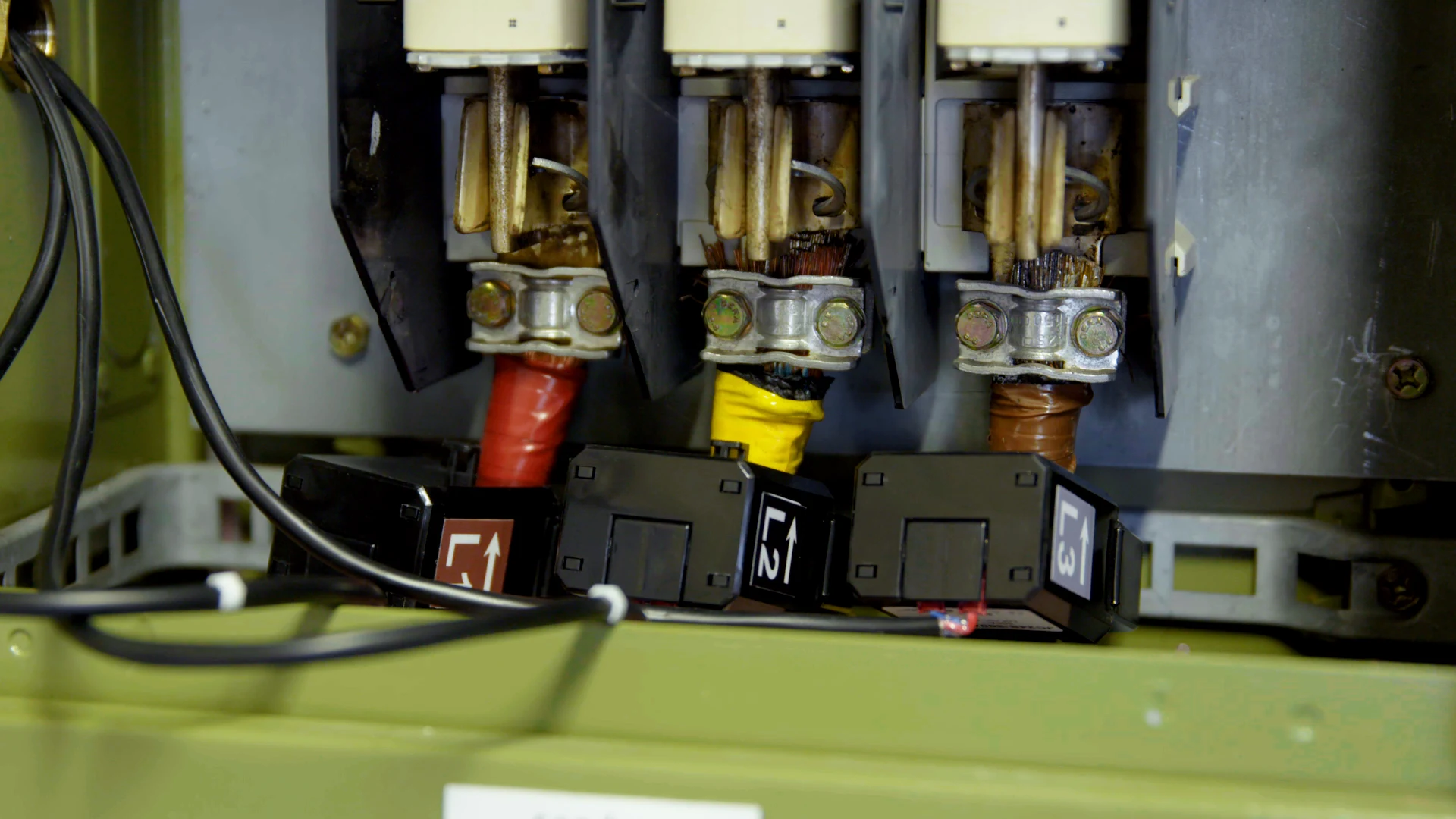
Three claims, and where each one is shown.
The ZEM and its CTs are calibrated together before they ship, so the accuracy class covers the whole measurement.
Why system accuracy mattersEpiSensor sensors have run in plant rooms, cold stores and on an Antarctic expedition, where a TES probe recorded sea temperature in 2009.
The Antarctic expeditionEdge keeps recording and running rules when the internet drops, and no EpiSensor cloud service is required.
Where Edge runsEdge runs on the Gateway at each site. Core brings connected Gateways into a shared view. Partners connect that infrastructure to the software their customers already use. Book a call to discuss your integration.


EpiSensor monitoring across seven facilities helped Foyle connect utility use to production activity and examine performance across its estate.


EpiSensor metering supplied the data for ETS and Spacewell Energy to monitor use and configure site-specific alerts across Woodie’s stores.






EpiSensor's products are install-and-forget. We can install, commission, and visualise data for a customer within a day - and their system's so resilient and robust that we've almost eliminated site revisits.
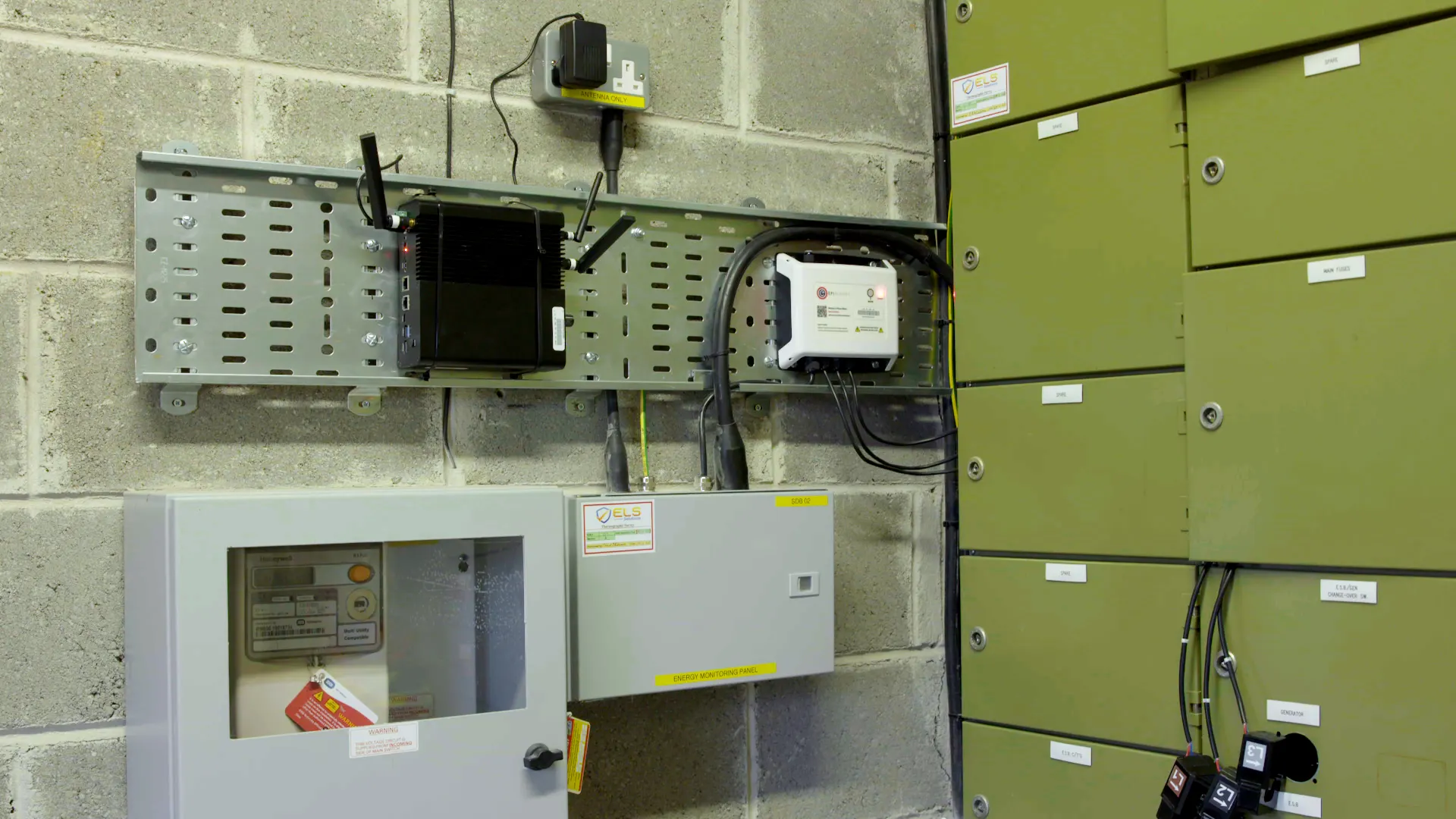
Tell us about your sites and we will help you work out the architecture, whether it is a single building or a portfolio of thousands.