Indoor environmental monitoring
A probe where people actually are, an outdoor reference to compare it with, and the ventilation state that explains the difference.
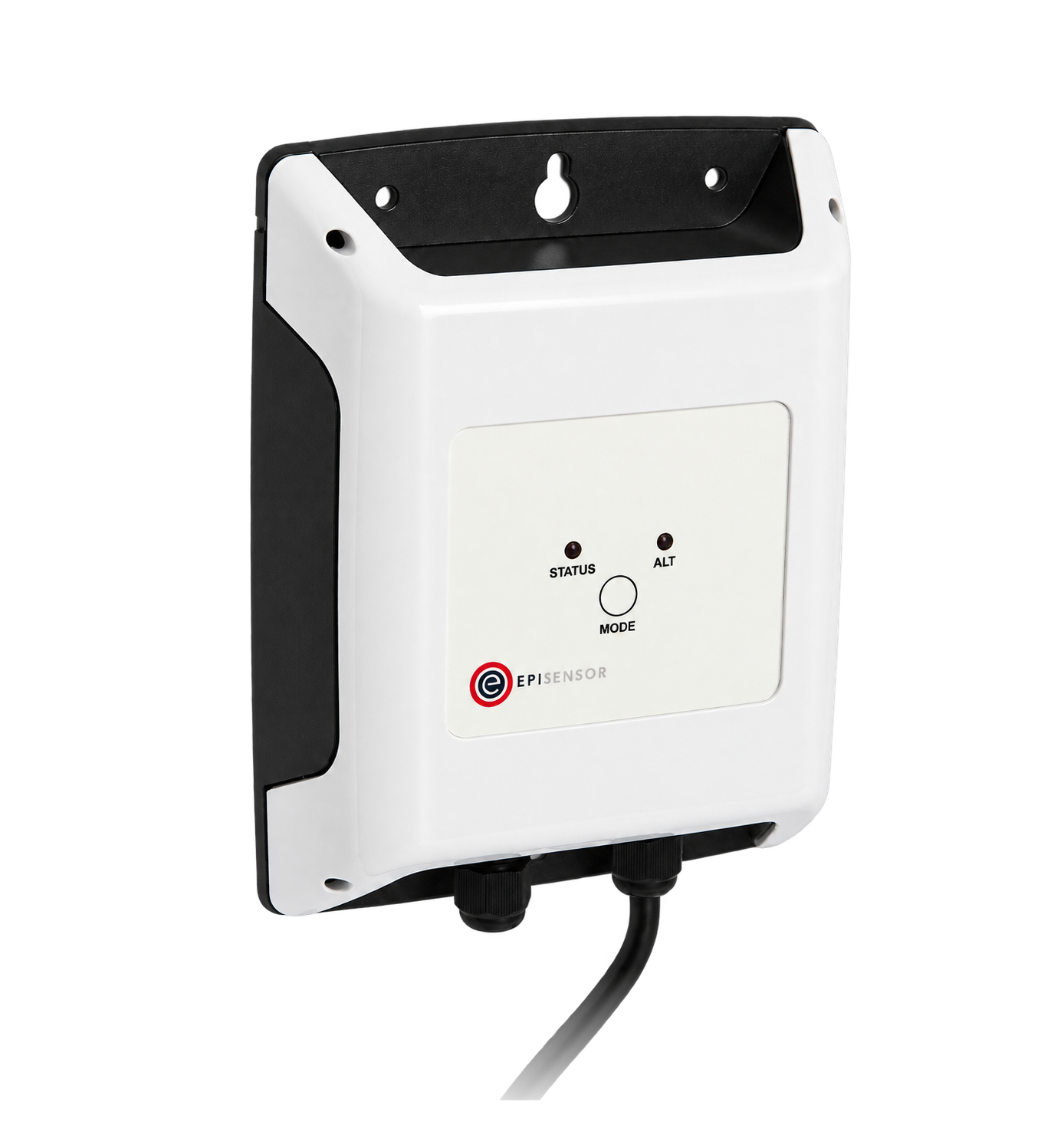
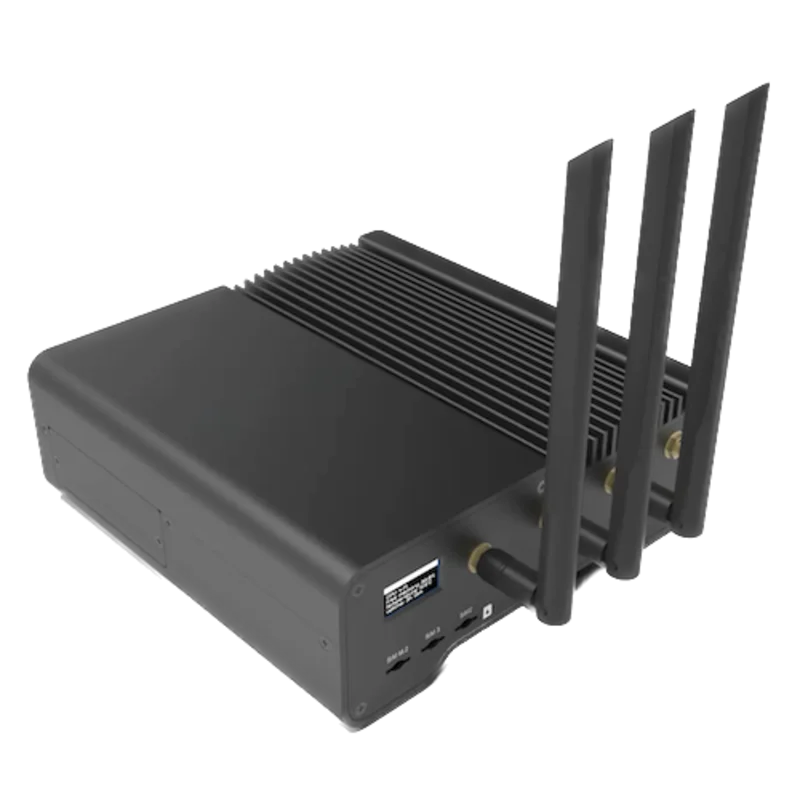
- Measure
- Occupied-zone temperature, an outdoor reference, the supply air and the ventilation plant's state
- Good practice
- An indoor air quality monitoring claim needs the instrument's own sensing principle stated
- Sensors
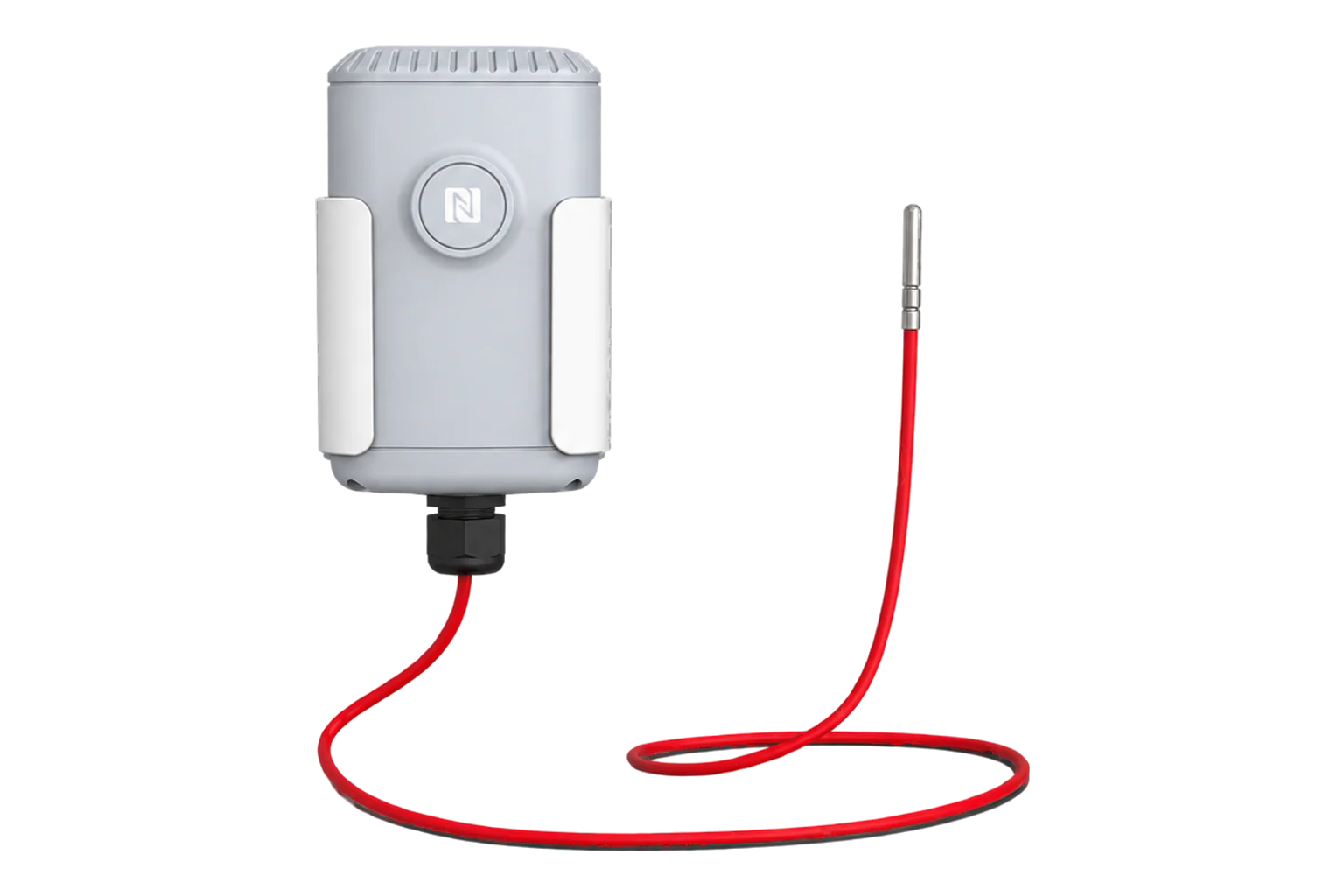
- TES-21, ±0.2 °C from 0 to 70 °C, 0.01 °C resolution Probe Temperature Sensor datasheet
- On site
- ZGW-20 Gateway, trends, alarms and integrations for the building Gateway datasheet
Name the decision before choosing a sensor
Comfort complaints, ventilation control, condensation risk and equipment protection need different variables, different locations and different response times. Write down the decision the measurement supports, then pick an instrument whose stated range and accuracy can support it.
Hardware for building temperature monitoring
Temperature comes from EpiSensor sensors. Humidity, carbon dioxide and air quality come from an instrument chosen for that job, read through an analogue or Modbus interface.
The occupied zone, an outdoor reference, or a surface at risk of condensation
1 per point steel probe, 2 m lead
 1 steel probe, 2 m lead
±0.2 °C from 0 to 70 °C, ±0.5 °C from −40 to 105 °C, up to 10 years on one cell
Collects the sensors and the instruments, and keeps their readings together
1 per building up to 250 wireless devices
If the building needs more than temperature
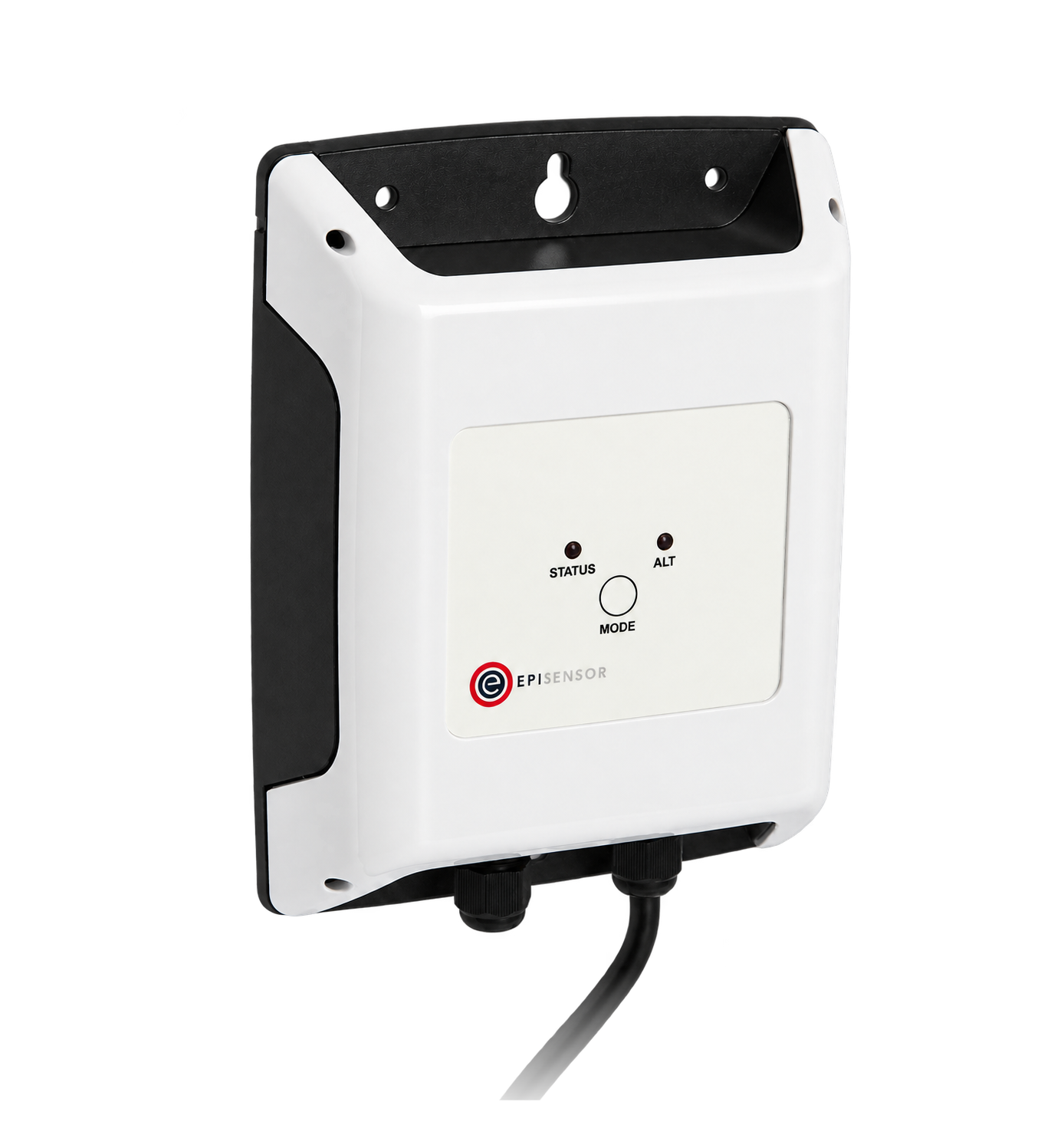
A humidity, carbon dioxide or air-quality transmitter with a 4-20 mA output
1 per transmitter externally powered loop
0 to 20 mA at 0.001 mA resolution, up to 36 V DC
If the plant has a controller with a register map
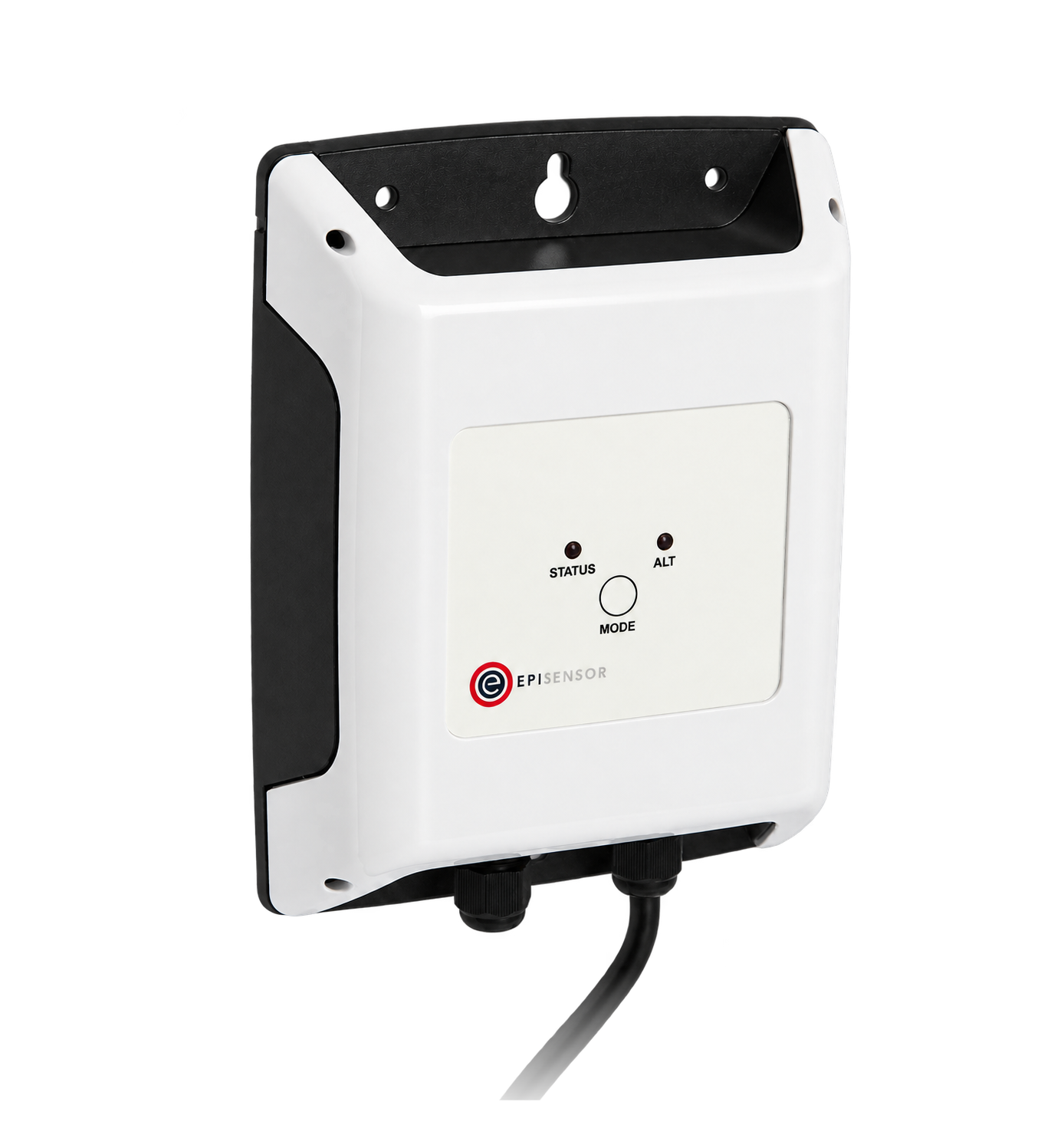
Fan, damper and setpoint state from the ventilation controller
1 per controller up to 30 registers
Where a room reading is representative
A sensor reports its own position. Choose positions that answer the question, and record what each one stands for.
From field measurement to Edge
Each field signal reaches its named EpiSensor interface, reports through the site Gateway and is handled locally in Edge.
- Wired
- Zigbee
- Edge
- Platforms
| Position | What it tells you | Reference | Sensor |
|---|---|---|---|
| Occupied zone | What the people in the space actually experience | Away from sun, supply jets, doors and local heat sources, unless one of those is the subject Probe Temperature Sensor datasheet | TES-21 (on this page) |
| Outdoor reference | How much of an indoor change came from the weather | A shaded, weather-protected position, on the same clock as the indoor points | TES-21 (on this page), outdoor |
| Supply air or transmitter | What the ventilation is delivering, and any other variable being measured | The instrument's own range, units and scaling, recorded with its model Analogue Signal Sensor datasheet | ZIO-20 (on this page) |
| Plant state | Whether the equipment that could explain a reading was running | Proven states or current, rather than an inference from room temperature Modbus Interface datasheet | ZMB-31 (on this page) |
Co-locate before you trust a difference. Put two sensors side by side for long enough to see their offset and their time constants, then separate them.
Label inferred values as indications. A carbon dioxide figure derived from a volatile-organic-compound sensor is an indication. Keep the sensing principle visible wherever the number is shown.
Trends and alarms for an indoor environment
The building's readings sit together on the Gateway, with the plant state beside them.
- A zone outside its range
- A limit rule with a hold time, so a short excursion during a meeting does not become an alert.
- A sensor that goes quiet
- A no-data rule reports a silent sensor, so a flat line is never mistaken for a stable room.
- Indoor against outdoor
- A calculated sensor takes the difference between the zone and the outdoor reference, which is usually the useful number.
- Control needs its own design
- Edge can write to equipment, but a control action needs limits, interlocks, authority and a defined safe state for a stale reading.
Commissioning checks
These are the checks that stop a plausible reading being trusted too early.
-
Every point is recorded
Write down the model, serial number, range, stated accuracy and calibration status of each measurement point.
Pass when the list is complete, and any instrument without a stated accuracy is marked as indicative.
-
Co-located sensors agree
Leave two sensors side by side for a day and compare their traces.
Pass when the offset and the lag are known and written down before they are separated.
-
A known change appears
Change the condition at one location deliberately and watch the trace and its timestamps.
Pass when the change appears at the right place and time, and nowhere it should not.
-
A missing sensor is obvious
Take one sensor off the network for longer than the no-data rule's time.
Pass when the dashboard shows missing data, not a plausible default.
-
The positions still fit the use
Re-walk the floor after a change of layout, partitioning or ventilation strategy.
Pass when each sensor still answers the question it was installed for, or it moves.
Limits of this measurement
An environmental reading describes a position, at a time, with a stated instrument.
- An indicative volatile-organic-compound or inferred carbon dioxide output is not a reference gas measurement.
- Monitoring does not diagnose health effects, mould, ventilation compliance or a building defect.
- One room does not characterise a building, and a corridor does not characterise a room.
- Control from these readings needs its own limits, interlocks, authority and safe state.
Sources
- BME680 gas, pressure, temperature and humidity sensor (opens in a new tab) (opens in a new tab) Bosch Sensortec
- Probe Temperature Sensor datasheet (opens in a new tab) EpiSensor. Specifications, ranges and ordering codes.
Related
Third-party devices for this application
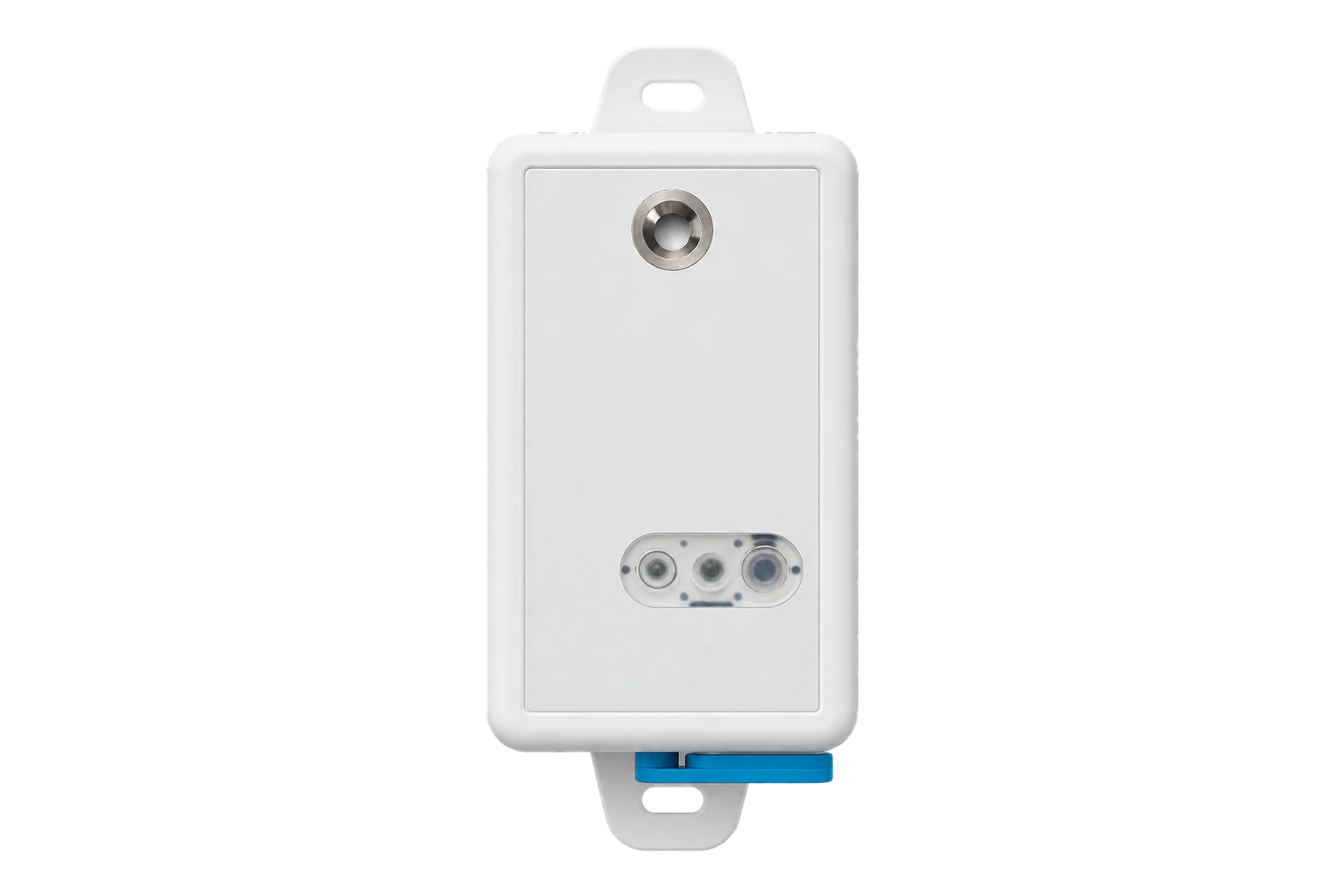
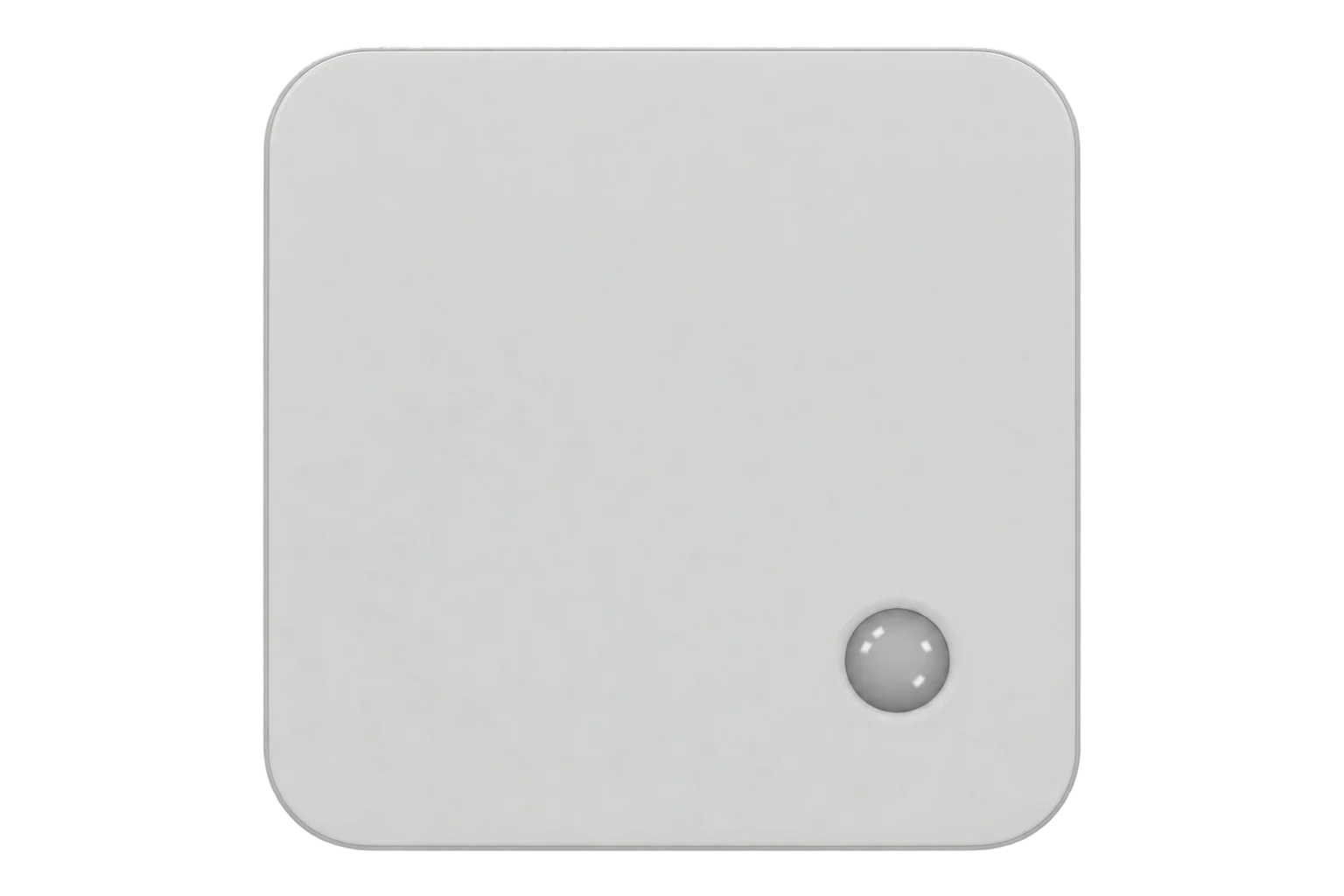
More in the Device Directory: Temperature and humidity sensors (21)
Tell us what the readings have to decide
An engineer can propose the points and the instruments, and say plainly which variables EpiSensor measures and which come from a third party.