Pharmaceutical energy management
Build a trustworthy energy and utility record across pharmaceutical buildings, cleanrooms and production without bypassing validated systems or the quality process.
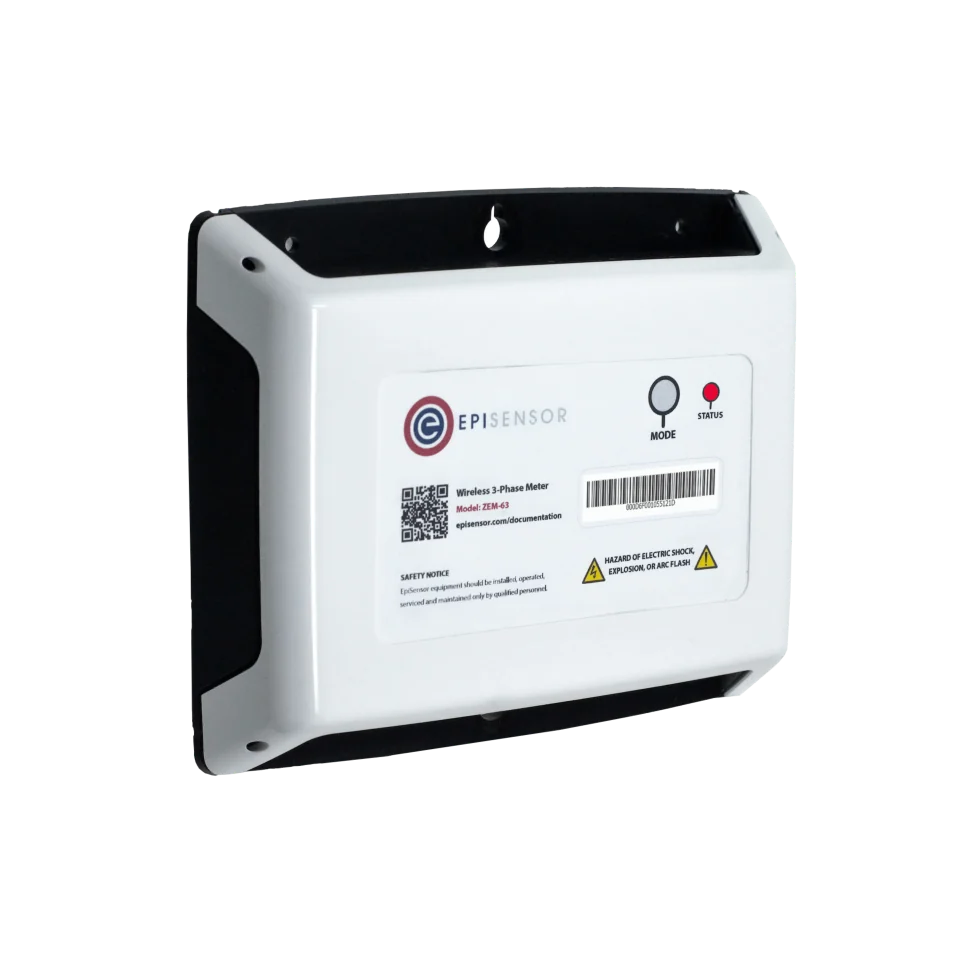
- Measure
- Site, building and process-area energy; cleanroom HVAC; chilled and hot water; steam; WFI generation and distribution; compressed air, gases and cold rooms
- Good practice
- Complete periods with batch, production, occupancy, weather, operating state, clock quality and approved change records
- Sensors
- ZEM-65, electrical boundaries; documented meter and automation points provide utility and operating context
- On site
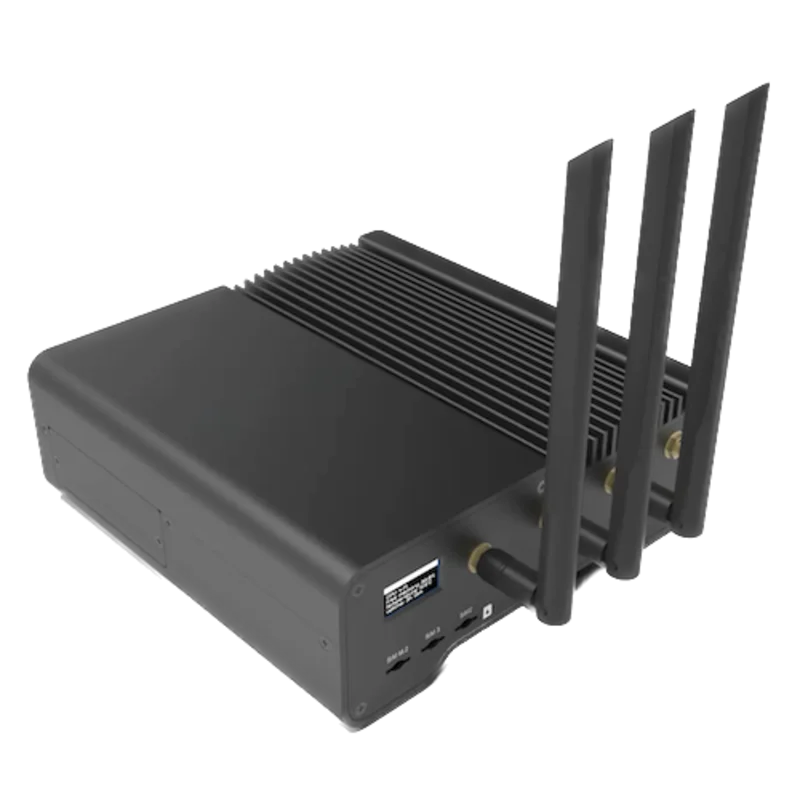
- ZGW-20 Gateway, Edge retains local histories, quality states and operational alarms
Life sciences energy management starts with the regulated process and its utility boundary
Map utility supplies, generation and non-overlapping site, building, cleanroom, process and support-system boundaries. Then identify which measurements can explain energy without becoming GMP records or control inputs. Environmental monitoring, process control, building automation, cold-chain systems, WFI, clean steam, pressure cascades and safety systems retain their approved roles. Any new connection, calculation or alarm that could affect product quality follows the site's risk assessment, validation, data-integrity and change-control procedures.
| Scope decision | Evidence to collect | Acceptance boundary |
|---|---|---|
| Site and buildings | Utility and on-site energy by site and building, with non-overlapping child meters and a complete reporting period | Child totals reconcile to their parent; comparisons state weather, floor area, production and material facility changes |
| Cleanrooms and controlled areas | HVAC energy, air-handler state, pressure, temperature, humidity, airflow or air-change context from approved sources | Energy analysis does not set cleanroom classifications, pressure cascades, alert limits or environmental-monitoring requirements |
| Process and support utilities | Chilled and hot water, steam, WFI generation and distribution, compressed air, gases, cold rooms, process equipment and plug loads beside production context | Qualified utilities, process parameters, equipment interlocks, safety systems and batch disposition remain under approved procedures |
Hardware for pharmaceutical energy monitoring
Measure major electrical boundaries independently, then read only approved meter and automation points needed to explain them. Survey voltage, conductor size, panels, classified areas, controller roles, network segregation, point count and wireless suitability before selecting hardware.
Measures site, building, cleanroom plant or process electrical boundaries independently of validated control systems
1 per declared three-phase electrical boundary 3 or 4 wire
- Choose 120 A split-core CTs or 300 A, 1 kA and 3 kA Rogowski coils after checking each declared supply
Class 0.5S to IEC 62053-22 with its calibrated CTs, 0.1 A to 3 kA
Reads approved BACnet/IP and Modbus points and retains local histories, data-quality states and operational alarms
1 per surveyed building or controls zone point count, network path, segregation and wireless coverage checked on site
For a dedicated segment or one on which its master role and quality impact are approved
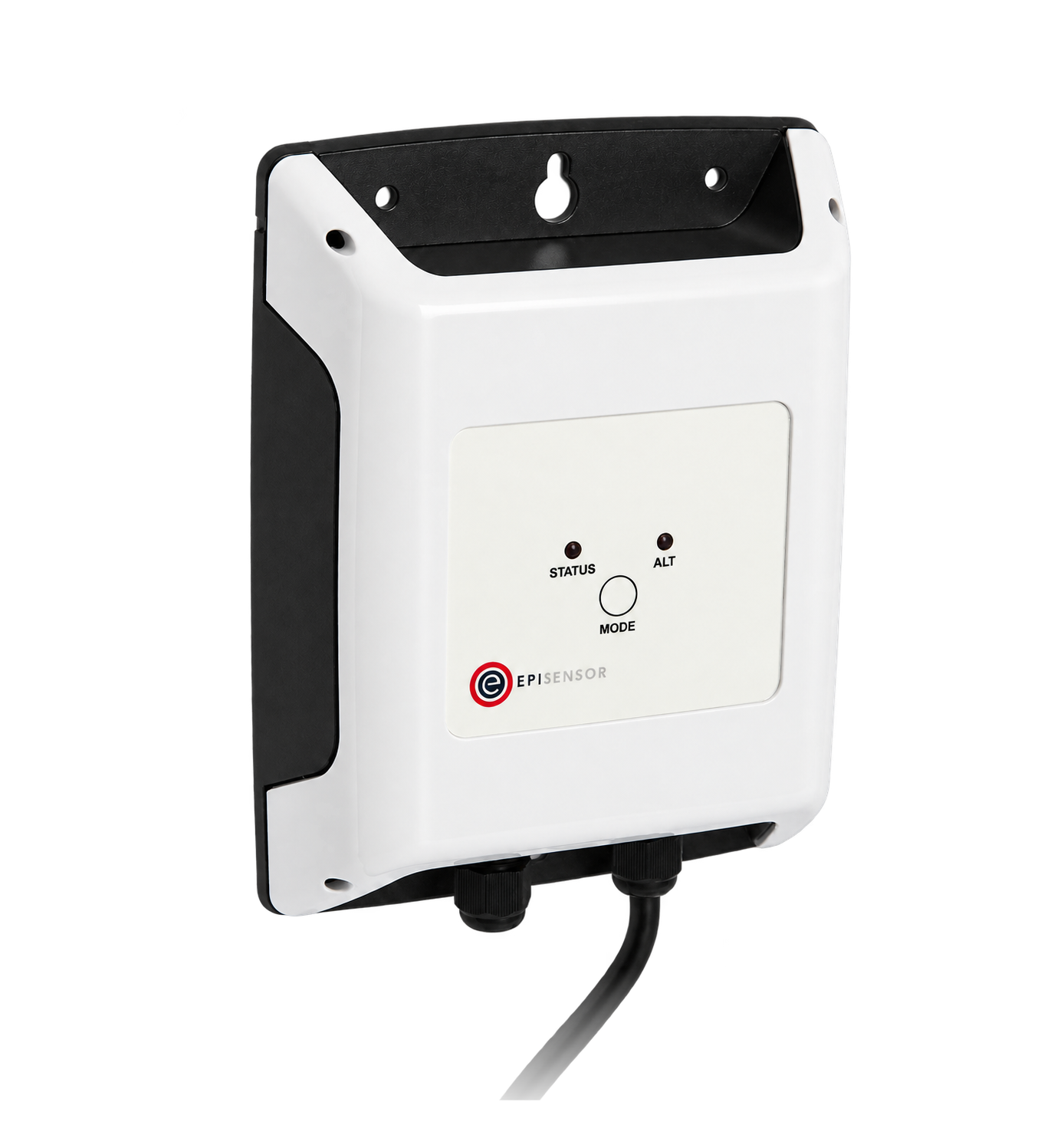
Reads approved energy, utility, temperature, state or production registers from a documented Modbus RTU segment
1 per suitable RS-485 segment up to 30 configured registers
Modbus RTU master over RS-485, 300 to 115,200 baud
Build the point list around utility and quality boundaries
Give every point a site, building, room, system or equipment boundary, source identifier, unit, interval, timestamp basis, valid range, quality rule and owner. Keep raw measurements and source states before producing ratios or baselines.
How pharmaceutical energy and utility data reach Edge
Independent meters and approved read-only points retain separate identities. Edge aligns their timestamps and quality without becoming the validated process, environmental or facility controller.
- Link
- Zigbee
- BACnet
- Edge
- Platforms
| Position | What it tells you | Reference | Sensor |
|---|---|---|---|
| Energy and utility hierarchy | Demand and cumulative electricity, gas, heat, water, steam, chilled water and compressed-air consumption for non-overlapping site, building, system and process boundaries | Reconcile child boundaries to the same-period parent and state the unmetered remainder before allocating energy to products or batches ENERGY STAR pharmaceuticals | ZEM-65 (on this page) |
| Cleanroom HVAC and environmental context | Air-handler demand and state beside approved pressure, temperature, humidity, airflow or air-change observations and room operating mode | Use only approved source values and limits; energy monitoring does not classify a room or replace environmental and process monitoring EU GMP Annex 1 | ZGW-20 (on this page) |
| Production, cold rooms and process loads | Process and plug-load energy, cold-room state and agreed batch, campaign, production, occupancy and cleaning context without product or patient identifiers | Separate commands from proven states and preserve the approved batch and quality records as the authoritative evidence FDA data integrity | ZMB-31 (on this page) |
| Clocks, gaps and interface health | Source time, Gateway receipt time, last valid sample, stale state, gaps, resets, overrides and interface availability | Keep data attributable, legible, contemporaneous, original or a true copy, and accurate when it is used in a GMP decision FDA data integrity | ZGW-20 (on this page) |
Separate energy data from the GMP record. Decide and document whether each value is for facilities investigation, business reporting or a quality-relevant use. A convenient copy does not silently become the authoritative record.
Keep cleanroom authority explicit. Pressure cascades, air-change strategy, temperature, humidity, classification and monitoring locations follow the approved contamination-control strategy and qualified systems, not an energy dashboard.
Preserve business continuity. Monitoring work must not interrupt qualified utilities, cold storage, environmental control, process availability, alarms or emergency response. Plan isolation, rollback and recovery before connection.
Pharmaceutical energy-management workflow
Start with read-only acquisition and one reconciled boundary. Add context only for a named operating decision, then assess any quality impact before a value, alarm or calculation enters a regulated process.
- Compare equivalent production periods
- State weather, batch or campaign mix, throughput, occupancy, operating hours, cleaning, shutdowns and material facility changes. Keep coverage and raw totals beside every normalised result.
- Make utility losses actionable
- Use off-shift and non-production periods to investigate ventilation, chilled water, hot water, steam, WFI generation and distribution, compressed air, gases, cold rooms and plug loads that continue to run.
- Treat clocks and quality as measurements
- Retain source and receipt time, quality state, gaps and resets. A last-known value must not appear current, and missing production or energy data must not appear as zero.
- Keep validated systems authoritative
- Default acquisition to read only. Any control, setpoint, schedule, alarm-limit or record-flow change needs approved requirements, risk assessment, validation, access control, rollback and witnessed tests.
Commissioning checks
Commission boundaries, point meaning, timestamps and governance before comparing production periods or reporting savings.
-
Approve the boundary and data-use map
Trace supplies and child meters to buildings, cleanrooms, utilities and process areas; classify each point as facilities, business or quality-relevant data.
Pass when every point has one boundary, owner and approved use; overlaps are excluded and the unmetered remainder is stated.
-
Verify point identity and authority
Compare each object or register with the approved source documentation and operating state; distinguish command, setpoint, proven state, alarm and measured value.
Pass when names, units, scaling, meanings and authority agree, and all writes remain disabled.
-
Prove clocks, gaps and recovery
Compare source, Gateway and report timestamps across an interval boundary; interrupt and restore one approved feed without affecting its controller.
Pass when period assignment is reproducible, stale and missing data remain visible, and recovery creates no false zero or duplicate.
-
Witness one operational alarm
Create an approved non-GMP condition such as stale energy data or an out-of-hours load, hold it through its delay, acknowledge it and record the response.
Pass when the correct facilities owner receives the boundary and evidence, escalation and closure work, and no process or control command is issued.
-
Reconcile and baseline a complete period
Reconcile child readings to the parent, then compare an agreed baseline and reporting period with production, weather, operating hours, changes and data coverage stated.
Pass when differences are explained or logged and any saving claim retains the adjustment method, exclusions and uncertainty.
Limits of pharmaceutical energy monitoring
A connected operating record supports investigation and improvement. It does not itself prove GMP compliance, product quality, room classification, utility qualification, data integrity, savings or safe control.
- Energy monitoring does not replace environmental or process monitoring, batch records, calibration, qualification, validation, deviation handling, change control, quality review or product release.
- Pressure, airflow or air-change context does not certify a cleanroom or containment state. Use the approved contamination-control strategy, monitoring plan and qualified instruments.
- A protocol connection does not establish point meaning, record status, permission to write or a safe sequence. Approve the exact object or register contract and keep validated systems authoritative.
- A lower energy total is not automatically a saving. Adjust the baseline for weather, production mix, throughput, occupancy, cleaning, shutdowns, facility changes and data coverage.
- Do not expose batch, product, patient, employee or security data to an energy system unless the defined use, access, retention and integrity controls have been approved.
Sources
- EU GMP Annex 1: Manufacture of Sterile Medicinal Products (opens in a new tab) European Commission
- Guidelines on heating, ventilation and air-conditioning systems for non-sterile pharmaceutical products (opens in a new tab) (opens in a new tab) World Health Organization
- Data Integrity and Compliance With Drug CGMP: Questions and Answers (opens in a new tab) (opens in a new tab) US Food and Drug Administration
- ENERGY STAR Focus on Energy Efficiency in Pharmaceutical Manufacturing (opens in a new tab) (opens in a new tab) US Environmental Protection Agency ENERGY STAR
- Wireless 3-Phase Electricity Monitor datasheet (opens in a new tab) EpiSensor. Specifications, ranges and ordering codes.
Related
- OverviewEnergy monitoring
- CalculatorLoad factor calculator
- GuideISO 50001 energy management and the data it needs
- GuideMeasuring energy savings against a baseline
Third-party devices for this application
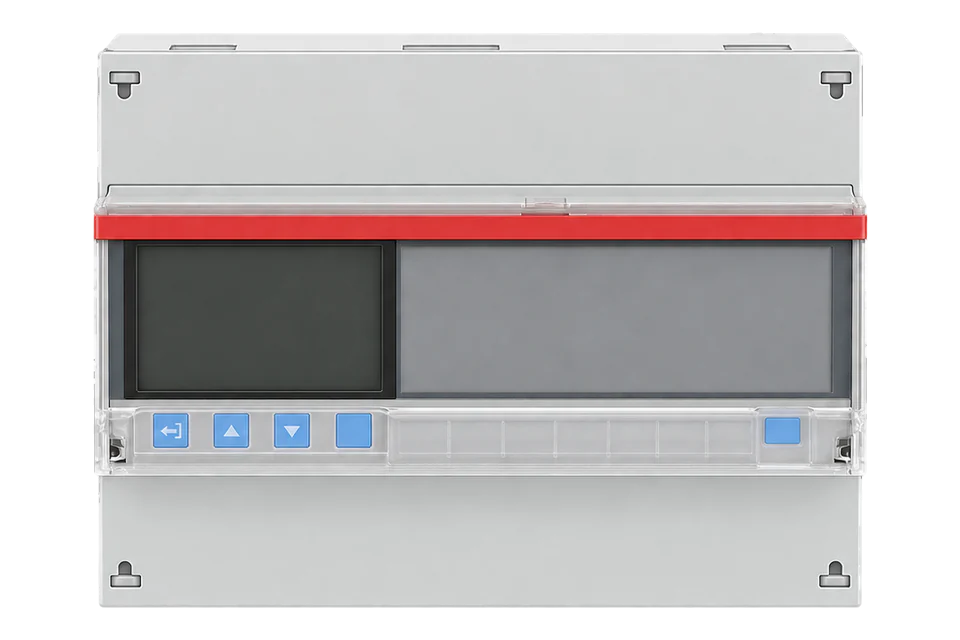
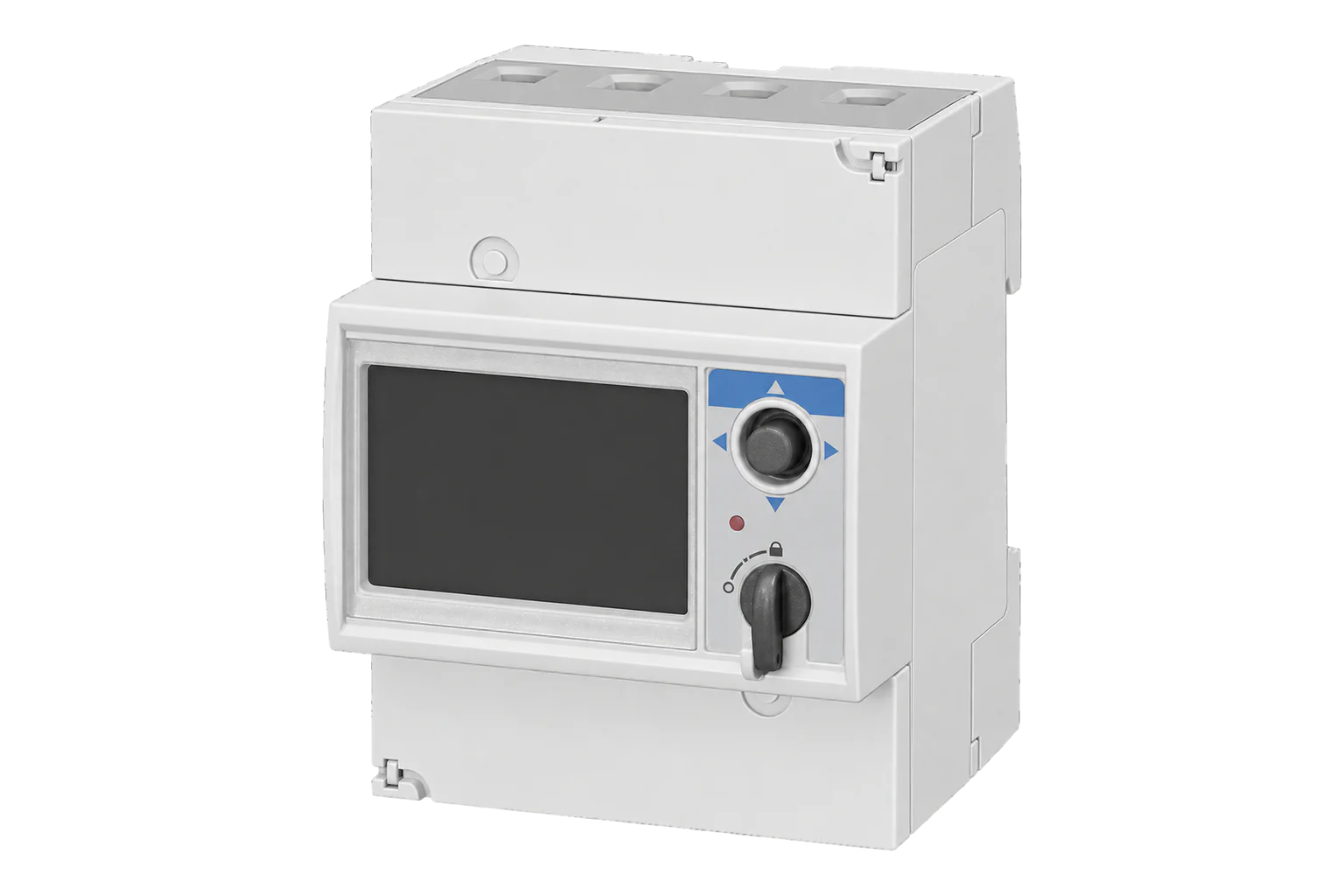
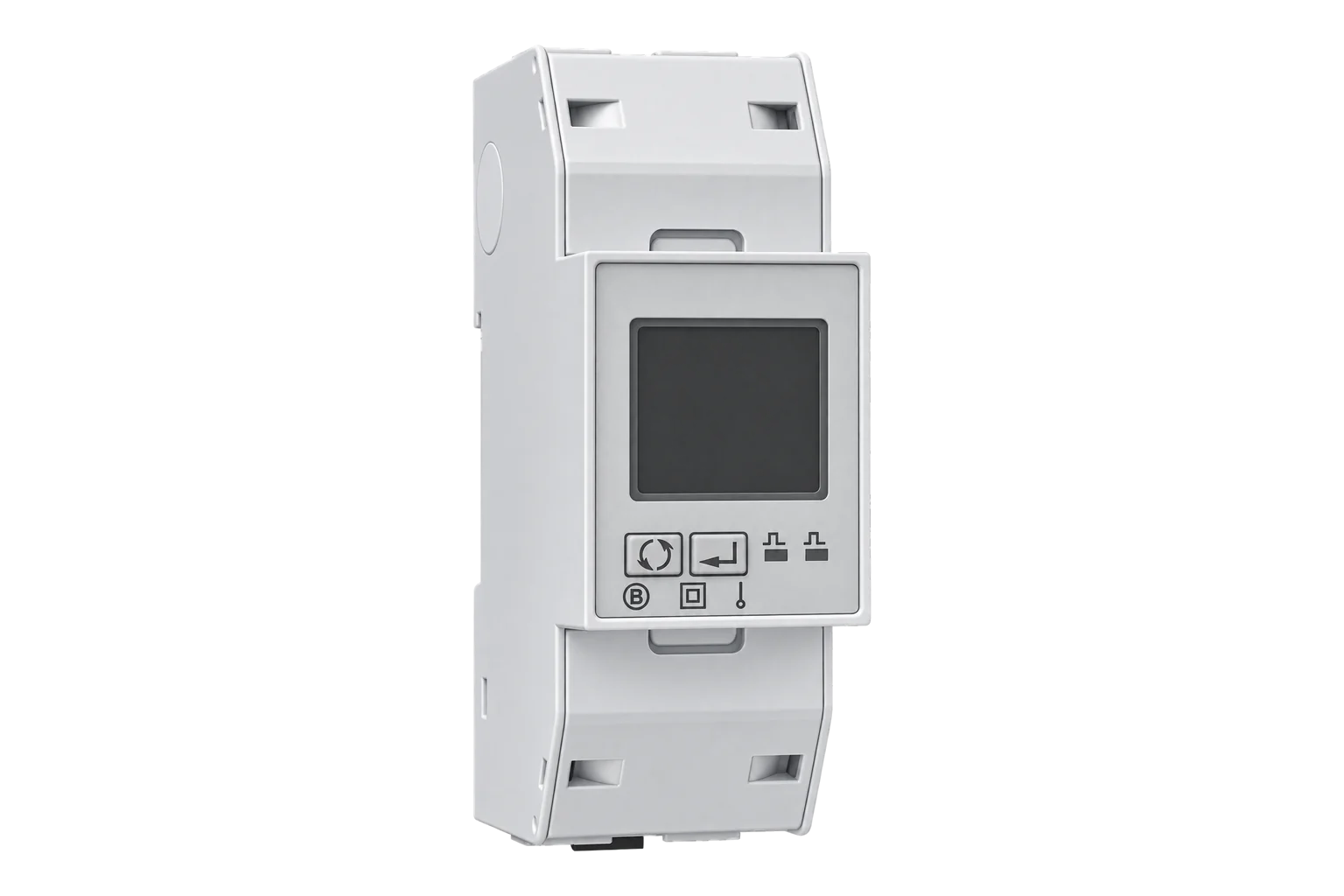
More in the Device Directory: Energy meters (62), Current transformers (7)
Start with one utility balance
Send the single-line diagram, meter schedule, building and cleanroom layout, utility schematics, controller models, approved point exports, network zones, production calendar and intended data use. An engineer can define a read-only pilot and its commissioning evidence.