EV charging load management
A meter at the connection and another on the charger board, so the headroom the chargers may use is measured rather than assumed.
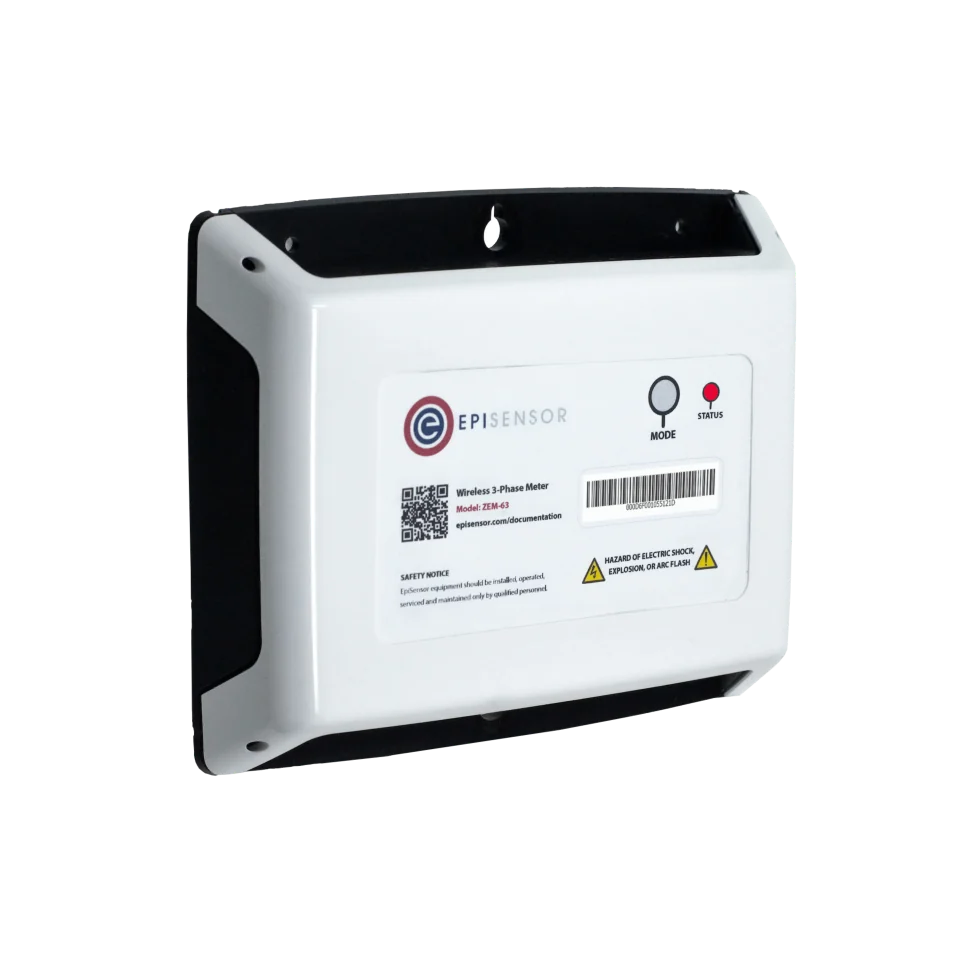
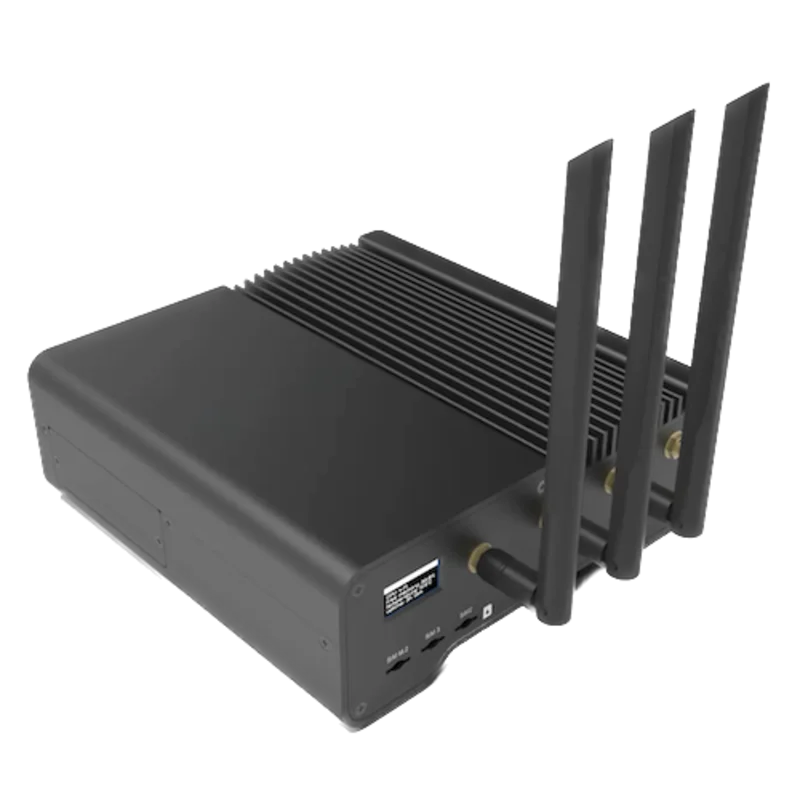
- Measure
- Site import at the connection, the charger board separately, and the rest of the site by difference
- Calculate
- Available headroom for EV load balancing, interval by interval, with a stated reserve
- Sensors
- ZEM-65, Class 0.5S metering, per-phase currents kept separately Wireless 3-Phase Electricity Monitor datasheet
- On site
- ZGW-20 Gateway, the headroom calculation and the limit it publishes Gateway datasheet
Who controls the chargers
The charge-point management system knows the sessions, users and tariffs, and it is what changes a charger's current. This guide measures the shared electrical constraint and publishes it with freshness information. The charging platform must implement and prove its own expiry, fallback and recovery behaviour when that value or connection is lost.
Hardware for EV charger energy monitoring
Two measurements are the minimum: the whole site at its connection, and the charging board on its own.
The site connection, and the charger board or group
1 per point three-phase, 3 or 4 wire
- Choose the CT rating per point: 120 A split-core, or 300 A, 1 kA and 3 kA Rogowski coils
Class 0.5S to IEC 62053-22 with its CTs, per-phase currents available
Calculates headroom on site and publishes the value and its freshness to the charging platform
1 per site up to 250 wireless devices
If the charging equipment speaks Modbus RTU
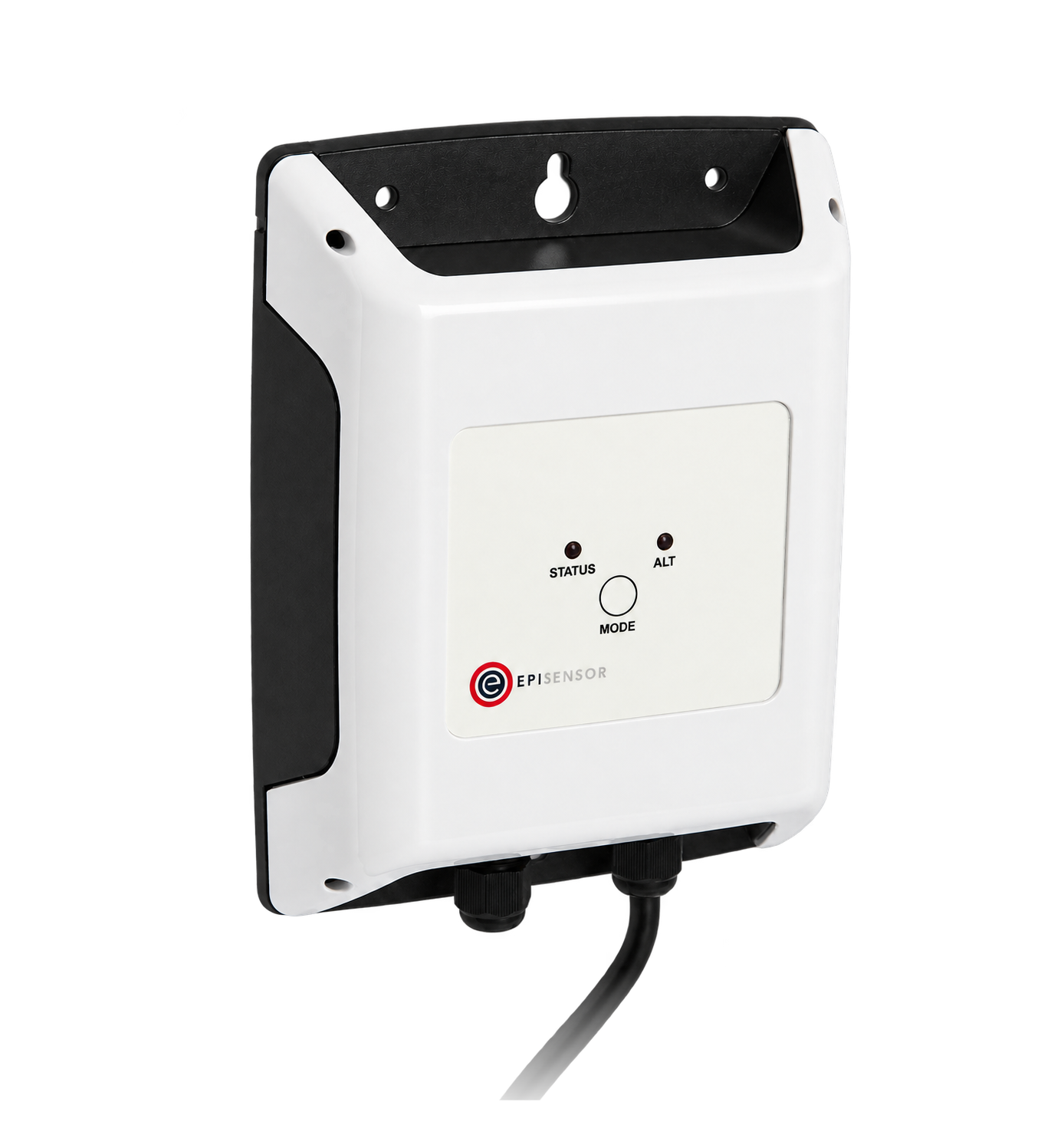
A charger controller or load-management unit that exposes Modbus RTU
1 per bus up to 30 registers
What decides how much charging the site can take
Headroom is the site limit, minus a reserve, minus everything that is not charging. Each part of that sentence is a measurement or a decision.
Measured headroom to a required charging platform
Site and charger-board electricity reach Edge through separate meters. Edge publishes headroom and freshness; the charging platform remains responsible for applying a limit to chargers.
- Wired
- Zigbee
- Edge
- Platforms
| Position | What it tells you | Reference | Sensor |
|---|---|---|---|
| Site connection | The constraint every load shares, and how close it is | The contracted or physical import limit, written down with its source | ZEM-65 (on this page), connection |
| Charger board | How much of the site's demand is charging, separately from the rest | Phase allocation recorded where the chargers are single phase Wireless 3-Phase Electricity Monitor datasheet | ZEM-65 (on this page), chargers |
| Per-phase currents | Whether one phase reaches its limit before the total does | Keep the three currents rather than a balanced total | ZEM-65 (on this page) |
| Charger state | What the charging equipment says it is doing, where it exposes it | Vendor register map, with its version recorded Modbus Interface datasheet | ZMB-31 (on this page) |
Calculate on the worst phase. A site with headroom on its total can still be at its limit on one phase. Keep the per-phase currents and calculate on the worst of them.
Publish the limit to the charging platform. EpiSensor does not speak the charging protocols the chargers use. The limit is published for the platform that does, which is why the fallback matters.
Headroom and its fallback in Edge
The Gateway calculates the number and publishes it. What the chargers do with it is the platform's decision, and what happens when it stops arriving is yours.
- Headroom, interval by interval
- A calculated sensor takes the site limit, subtracts the reserve and the non-charging demand, and never returns less than zero.
- The reserve is explicit
- The reserve is a number somebody chose and wrote down, not a rounding in the arithmetic.
- Published, not commanded
- The limit leaves over MQTT, HTTP or Modbus to the charging platform. Edge does not talk to the chargers itself.
- A safe number when data stops
- The project must define whether Edge publishes a configured replacement, withholds the value or marks it stale. The charging platform must expire old values and apply its agreed fallback; neither behaviour is implied by the calculation alone.
Commissioning checks
The failure that matters here is the one where nothing looks wrong, so test the broken paths deliberately.
-
Both boundaries are proven
Switch a known load at the charger board and watch both meters.
Pass when the charger meter and the connection meter move together, with the right sign and the right phases.
-
Headroom responds to the site
Step a large non-charging load and watch the calculated headroom.
Pass when the headroom falls by about the same amount, within one interval.
-
The platform receives the limit
Change the published limit and watch what the charging platform reports.
Pass when the platform's own view of the limit changes, and its response is visible in the charger meter.
-
Every broken path has a behaviour
Break the site meter, the charger link and the WAN in turn.
Pass when Edge's value and freshness behave as configured, the charging platform expires old data and applies its declared fallback, and charger-meter evidence confirms the resulting physical response.
-
Local override works
Ask the site to override the limit by its agreed method.
Pass when the override takes effect, is visible in the record, and expires or is cleared deliberately.
Limits of this measurement
This measurement produces a number. Somebody else's system acts on it.
- EpiSensor does not replace charger protection, the charging platform or the distribution design.
- Charging protocols and their smart-charging profiles have to be verified at both ends: support is per charger and per platform.
- Vehicle energy needs, departure times and tariff optimisation belong to the charging platform, not to this measurement.
- A headroom figure is not a network study: diversity, protection and phase balance stay with the designer.
Sources
- Open Charge Point Protocol (opens in a new tab) (opens in a new tab) Open Charge Alliance
- Wireless 3-Phase Electricity Monitor datasheet (opens in a new tab) EpiSensor. Specifications, ranges and ordering codes.
Related
- OverviewEnergy monitoring
- CalculatorEV charging capacity calculator
- CalculatorInterval demand calculator
Third-party devices for this application
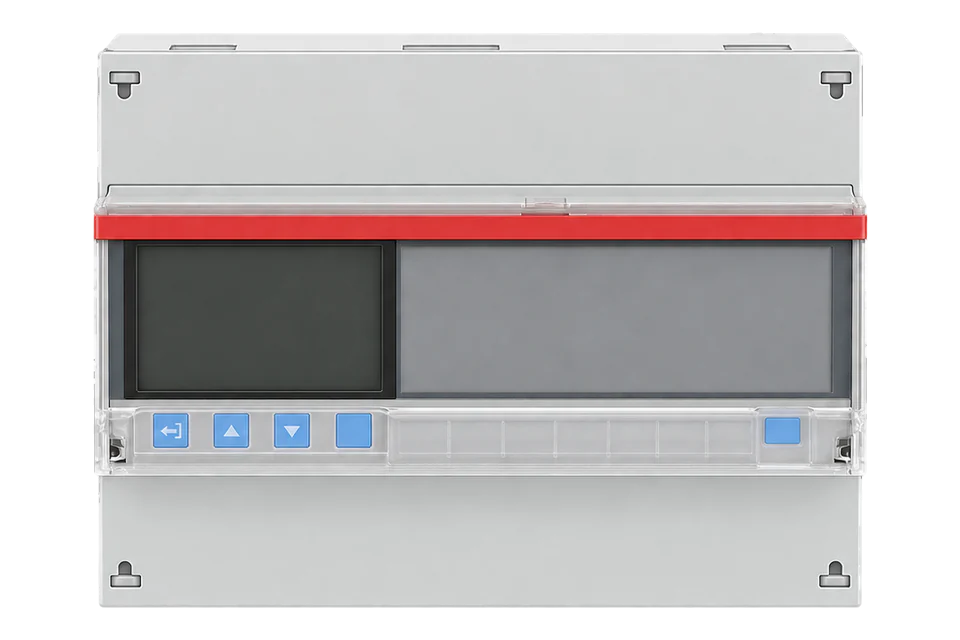
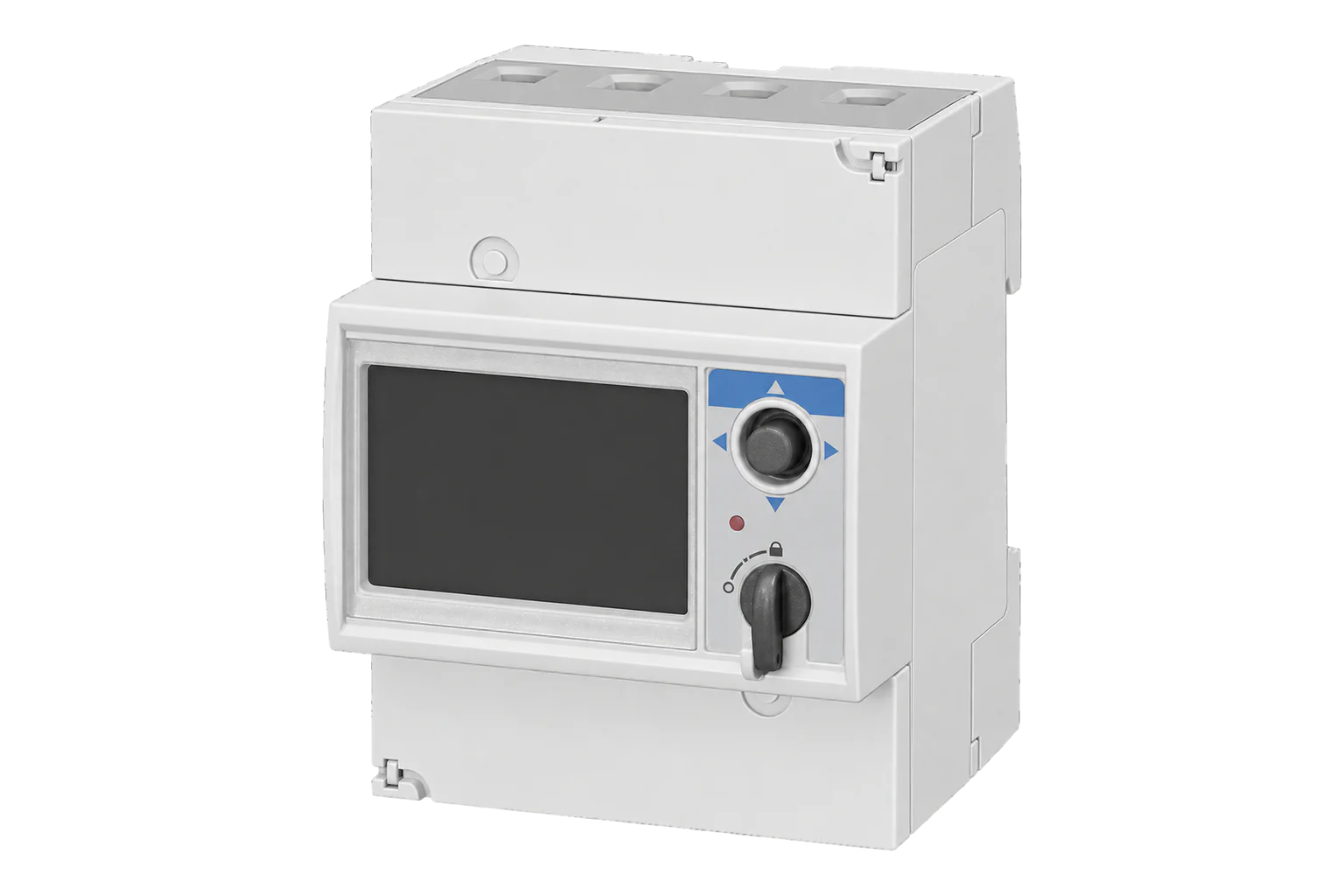
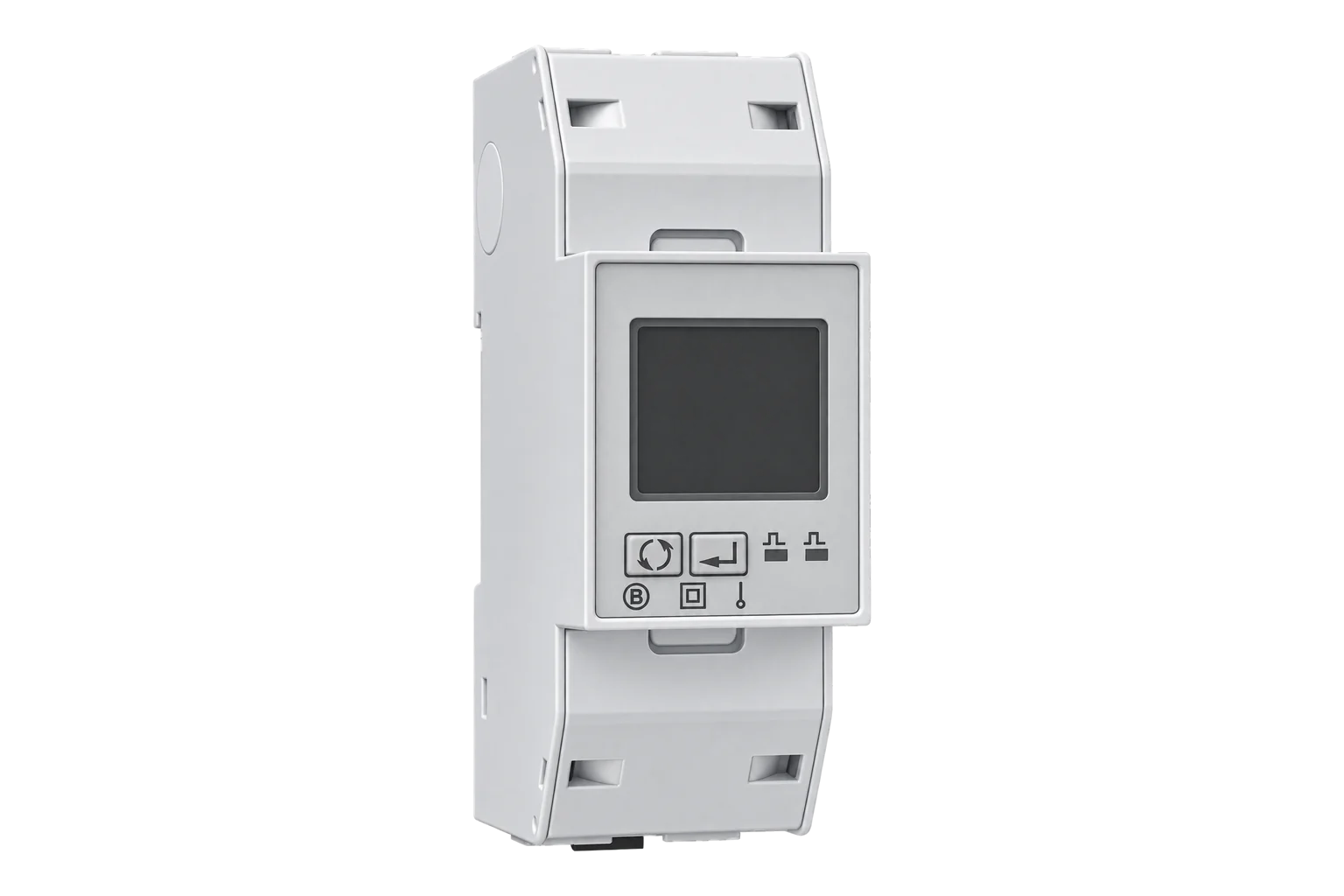
More in the Device Directory: Energy meters (62), Current transformers (7)
Measure the headroom your chargers are allowed
An engineer can place the meters, agree the reserve and the fallback, and define how the limit is published.