Building energy management systems (BEMS)
Use the Gateway to build a trustworthy operating record across meters, HVAC, lighting and indoor conditions, with explicit point ownership, alarm response and control authority.
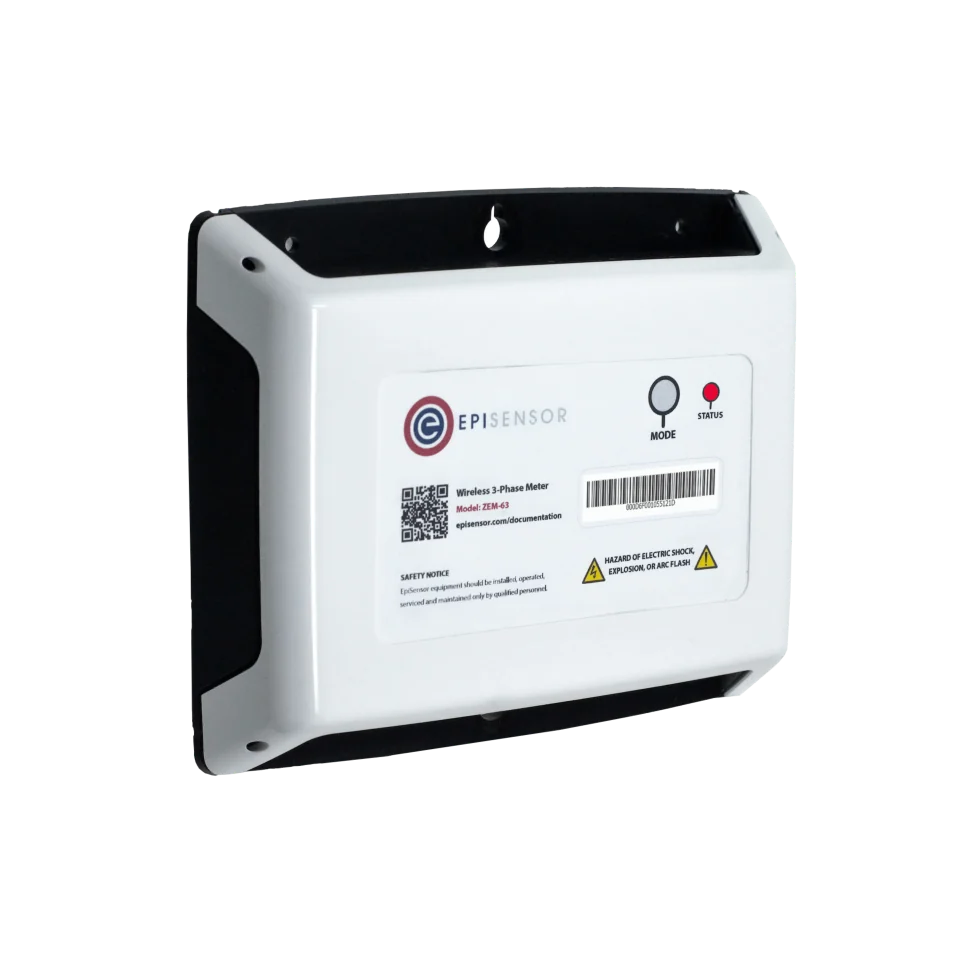
- Measure
- Whole-building and system energy, HVAC and lighting state, schedules and representative indoor conditions
- Good practice
- One governed point list with units, intervals, alarm ownership, overrides and commissioning evidence
- Sensors
- ZEM-65, electrical boundaries; ZMB-31 and Edge read documented Modbus and BACnet points
- On site
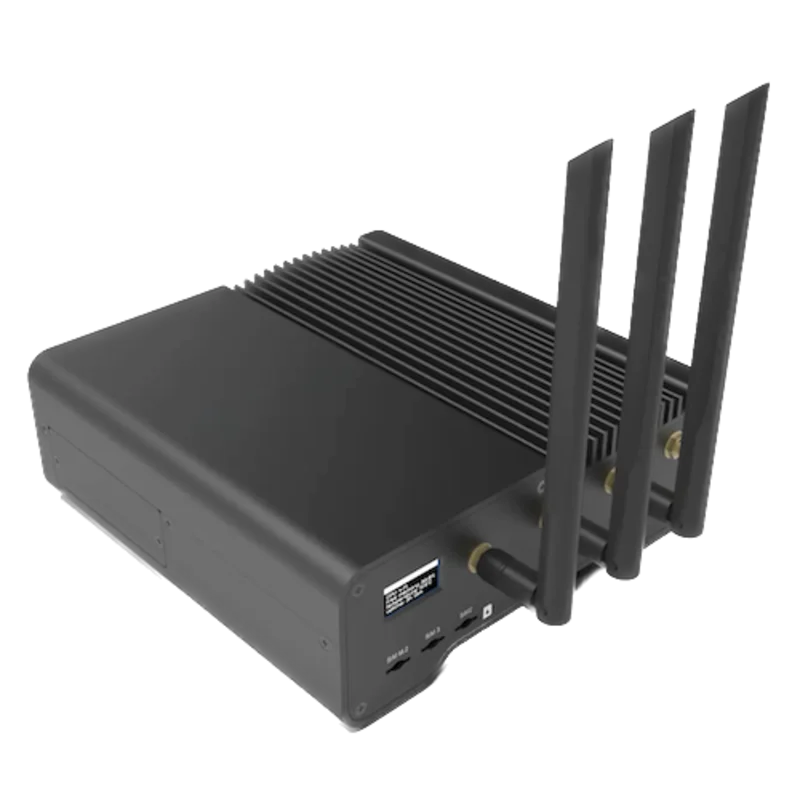
- ZGW-20 Gateway, Edge retains local trends, alarms and integration health
Define the BEMS operating questions before connecting points
A BEMS is useful when each value answers an operating question and has a known source, unit, interval and owner. Start with energy boundaries, HVAC and lighting schedules, representative indoor conditions and the alarms operators must act on. Record which system remains authoritative for every command. Fire detection, smoke control, security, access control, lifts and other life-safety or mission-critical functions keep their approved controllers, networks and procedures.
| Scope decision | Evidence to collect | Acceptance boundary |
|---|---|---|
| Energy performance | Utility and submeters mapped to named building and system boundaries | Totals reconcile without adding child meters to their parent again |
| HVAC, lighting and indoor conditions | Commands, proven states, setpoints, schedules, temperatures and selected air-quality points | A command is not treated as proof of operation; sensor position and quality are recorded |
| Control and alarms | Sequence of operation, alarm class, delay, recipient, override and safe-state rules | Write access is withheld until separately designed, authorised and witnessed |
Hardware for a building energy management system
Keep independent energy measurement separate from controller context. Read existing automation points through documented interfaces, and select a Gateway only after the network, coverage and point count are surveyed.
Measures whole-building or system electrical boundaries independently of the BEMS controller
1 per declared three-phase electrical boundary 3 or 4 wire
- Choose 120 A split-core CTs or 300 A, 1 kA and 3 kA Rogowski coils for each declared supply
Class 0.5S to IEC 62053-22 with its calibrated CTs, 0.1 A to 3 kA
Reads approved BACnet/IP and Modbus points, retains local histories and serves governed trends and alarms
1 per surveyed building or controls zone point count, network path and wireless coverage checked on site
For a dedicated segment or a segment on which its master role is approved
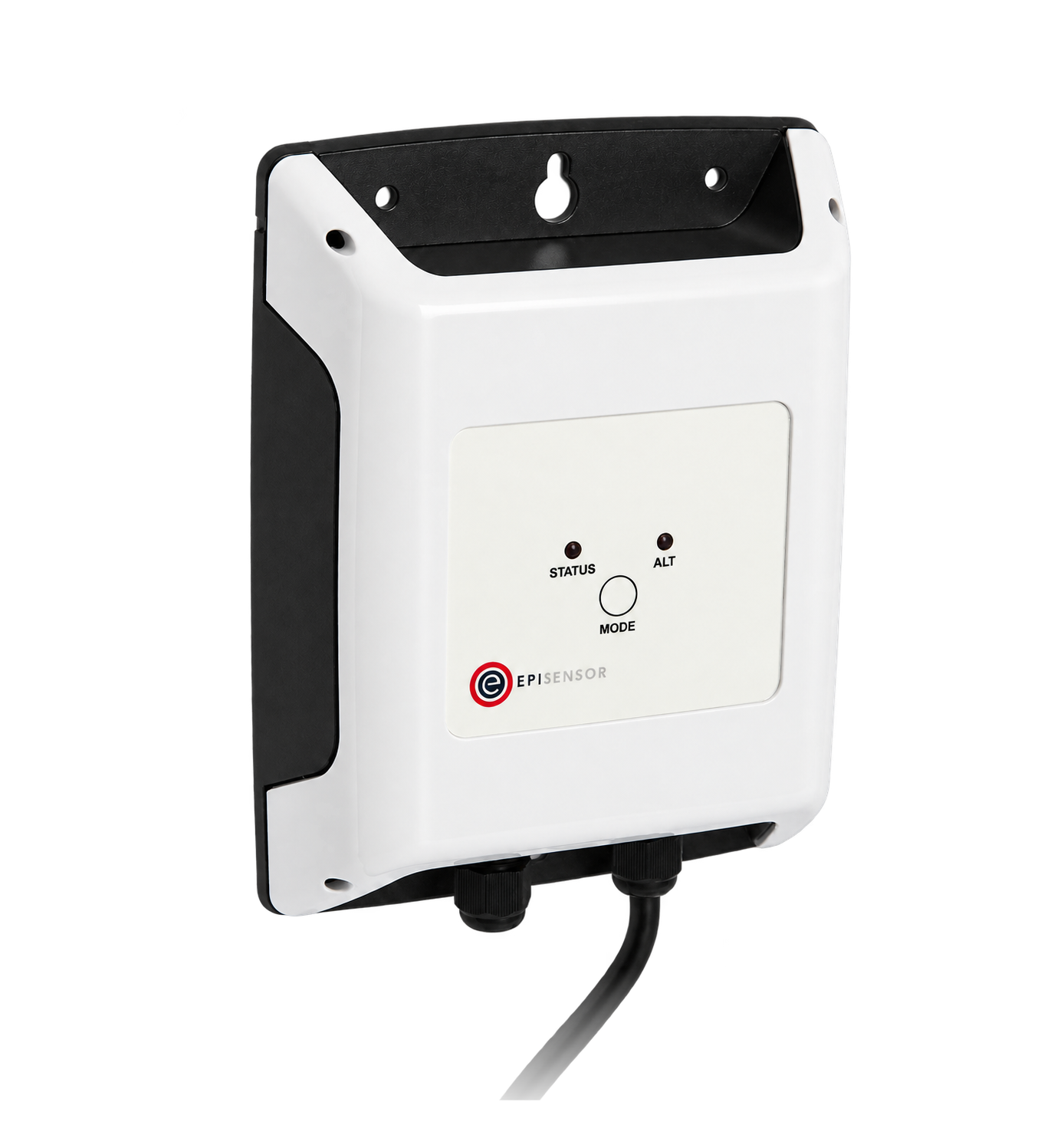
Reads approved points from a documented Modbus RTU meter or controller segment
1 per suitable RS-485 segment up to 30 configured registers
Modbus RTU master over RS-485, 300 to 115,200 baud
Build the BEMS point list around decisions and proof
A usable list distinguishes measured values, commands, proven states, setpoints, alarms and calculated values. Each point needs a source object or register, engineering unit, valid range, interval, timestamp basis and owner.
How building automation and control systems data reach Edge
Independent meters and documented automation interfaces retain separate identities. Edge aligns their timestamps and health without taking authority from the BACS.
- Wired
- Zigbee
- Edge
- Platforms
| Position | What it tells you | Reference | Sensor |
|---|---|---|---|
| Electricity and other energy boundaries | Demand and cumulative consumption by whole building and non-overlapping HVAC, lighting or tenant boundaries | Retain raw cumulative values and reconcile child boundaries to the parent before reporting shares DOE EMIS | ZEM-65 (on this page) |
| HVAC and lighting operation | Schedules, commands, proven states, setpoints, temperatures, valve or damper position and lighting state where documented | BACnet supports building automation exchange, but each object still needs an approved semantic mapping and authority BACnet | ZGW-20 (on this page) |
| Indoor environmental conditions | Representative temperature, humidity and selected air-quality observations beside occupancy and operating mode | Record sensor location, coverage, calibration or stated accuracy; do not infer whole-building conditions from one point EU EPBD | ZMB-31 (on this page) |
| Alarms, overrides and communications health | Active alarms, acknowledgement, stale data, manual overrides and interface availability | Give each actionable condition a named recipient, delay, escalation and reset rule DOE EMIS | ZGW-20 (on this page) |
Separate BEMS from life safety. A shared protocol or head-end view does not transfer authority. Fire, smoke control, security, access, lifts, emergency shutdown and equipment safeties remain under their approved systems and procedures.
Treat intervals as part of the point definition. Retain source timestamps and quality. Use faster intervals for operational diagnosis and stable longer intervals for portfolio reporting; label gaps rather than replacing them with zero.
Pair every command with evidence. A start command, enable flag or setpoint proves only what was requested. Use a suitable proven-state, measured load or process response to establish what happened.
Building automation and control systems workflow
Start with read-only acquisition and a small agreed point set. Build trends and alarms that lead to a named check, then change controls only through a separate approved sequence and change process.
- Use a point register, not a screenshot
- For every point retain the source controller, BACnet object or Modbus address, data type, unit, scale, valid range, interval, timezone, quality flag and responsible owner. Version the register when controllers or mappings change.
- Choose intervals from the decision
- Use a common analysis interval only after preserving raw source timestamps. A 15-minute energy comparison can sit beside faster plant-state observations; resampling must not turn stale or missing data into a valid value.
- Design alarms for response
- Define condition, persistence, deadband, priority, recipient, acknowledgement, escalation and reset. Suppress dependent nuisance alarms during a known parent fault, while retaining the underlying event record.
- Keep control authority explicit
- Default external acquisition to read only. Any schedule, setpoint or actuator write needs an approved sequence, role-based permission, safe-state and rollback behaviour, interlocks, override indication and witnessed functional test.
Commissioning checks
Commission identities and timestamps before analytics, then prove alarm handling without disturbing the building's authoritative controls.
-
Approve the scope and authority matrix
List each included meter, controller and system, its owner, network path, read or write role, and the systems explicitly excluded from the BEMS integration.
Pass when facilities, controls, IT and safety owners agree the matrix, and every write remains disabled unless separately authorised.
-
Validate every point at source
Compare identifier, label, unit, scale, data type, state text and quality against the controller display, register map or meter during a known operating condition.
Pass when the point register and live value agree, including off, fault, override and out-of-service states rather than only a normal value.
-
Prove clocks, intervals and missing data
Compare source, Gateway and reporting timestamps across an interval boundary and a daylight-saving change; interrupt one approved test feed and restore it.
Pass when timezone and interval assignment are reproducible, the gap is marked missing, and stale data cannot appear current or zero.
-
Witness alarm delivery and closure
Create one approved non-safety test condition, hold it through its delay, acknowledge it, remove the condition and record the operator action.
Pass when the correct recipient sees the right asset and evidence, escalation works, return-to-normal is recorded and no control command is issued.
-
Reconcile an operating week
Compare the independent energy boundary with non-overlapping child measurements and align HVAC, lighting, occupancy and indoor-condition trends for the same complete period.
Pass when energy differences are explained or logged for investigation, data coverage is stated and each claimed operating event has measured or proven-state evidence.
Limits of a BEMS monitoring layer
A connected point set supports operations and energy review. It does not by itself prove compliance, comfort, indoor-air quality, savings, billing accuracy or safe control.
- BEMS, BAS, BACS and EMIS overlap in market language. Define the actual functions, data scope, intervals and control authority rather than assuming capability from the product label.
- BACnet or Modbus connectivity does not establish correct meaning, units, scaling, object selection, security or permission to write. Commission the exact device and point contract.
- Representative indoor readings do not certify ventilation, occupant health or statutory compliance. Those conclusions need the applicable assessment method, sensor specification and coverage plan.
- A dashboard cannot replace fire detection, smoke control, security, access control, lift control, plant safeties or emergency procedures, even where a protocol can expose their status.
- An energy reduction requires a defined baseline and adjustment for weather, occupancy, operating hours, service level and data coverage. A trend change alone is not a verified saving.
Sources
- Directive (EU) 2024/1275 on the energy performance of buildings (opens in a new tab) (opens in a new tab) European Parliament and Council
- About building controls (opens in a new tab) (opens in a new tab) US Department of Energy
- About BACnet (opens in a new tab) (opens in a new tab) ASHRAE BACnet Committee
- Modbus specifications and implementation guides (opens in a new tab) (opens in a new tab) Modbus Organization
- Energy management information systems cybersecurity best practices (opens in a new tab) (opens in a new tab) US Department of Energy Federal Energy Management Program
- Wireless 3-Phase Electricity Monitor datasheet (opens in a new tab) EpiSensor. Specifications, ranges and ordering codes.
Related
- OverviewEnergy monitoring
- CalculatorLoad factor calculator
- GuideFrance’s BACS decree: building automation requirements
- GuideGermany’s GEG building automation requirements
Third-party devices for this application
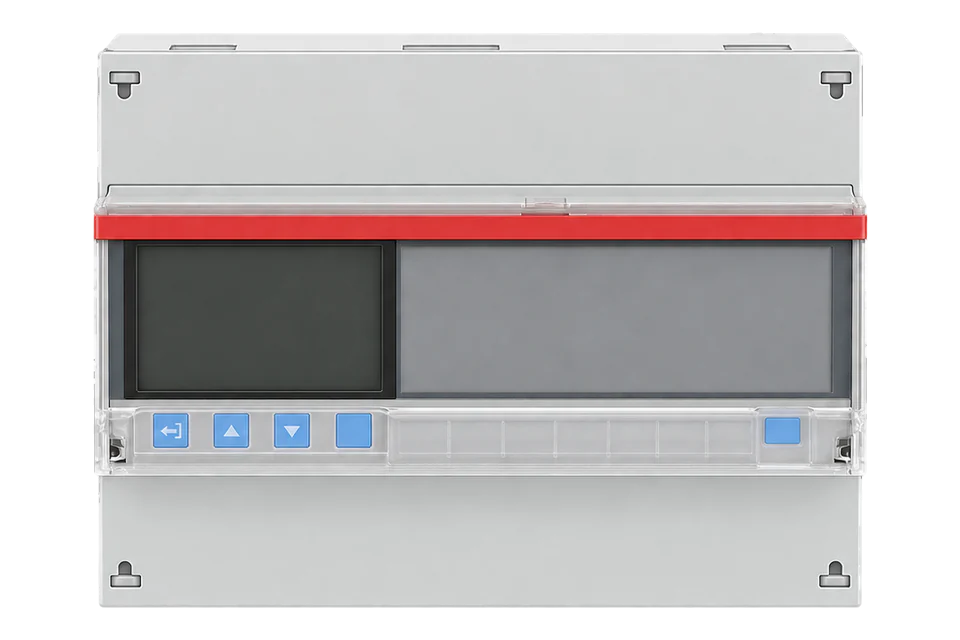
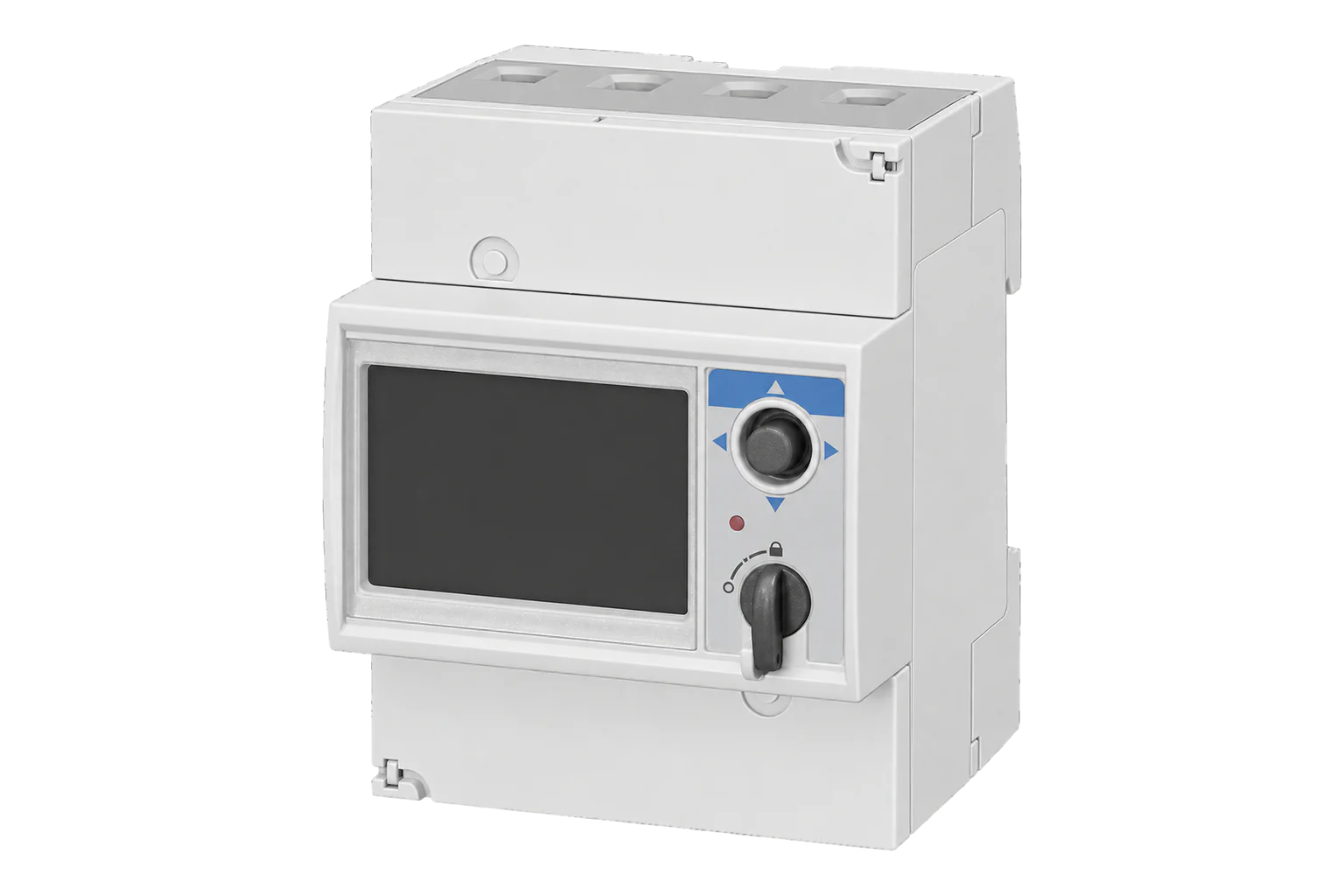
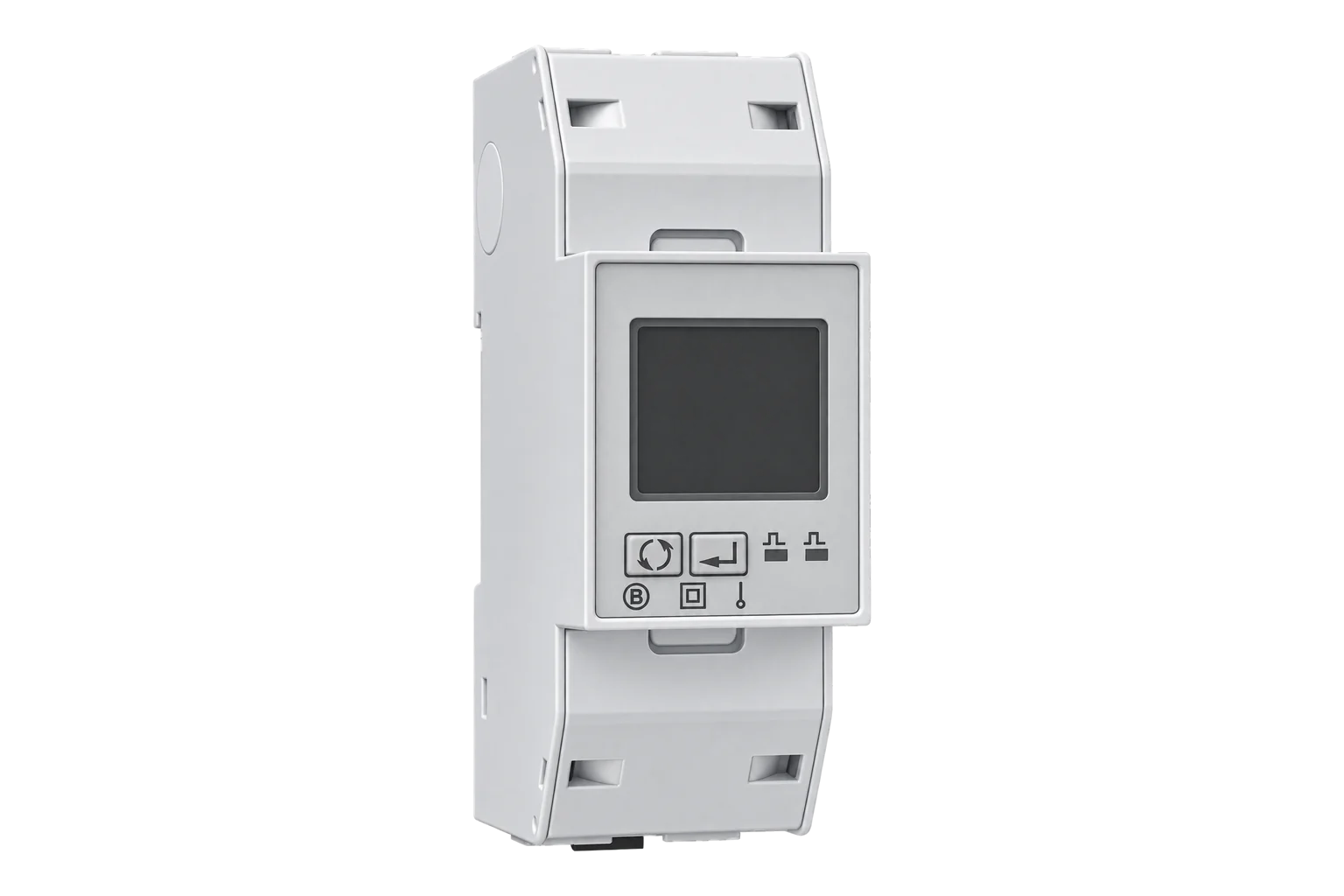
More in the Device Directory: Energy meters (62), Current transformers (7)
Scope the point register and authority matrix first
Send the meter schedule, BACS architecture, controller models, point exports, sequences, alarm responsibilities and required decisions. An engineer can define a read-only pilot and the evidence needed before any control change.