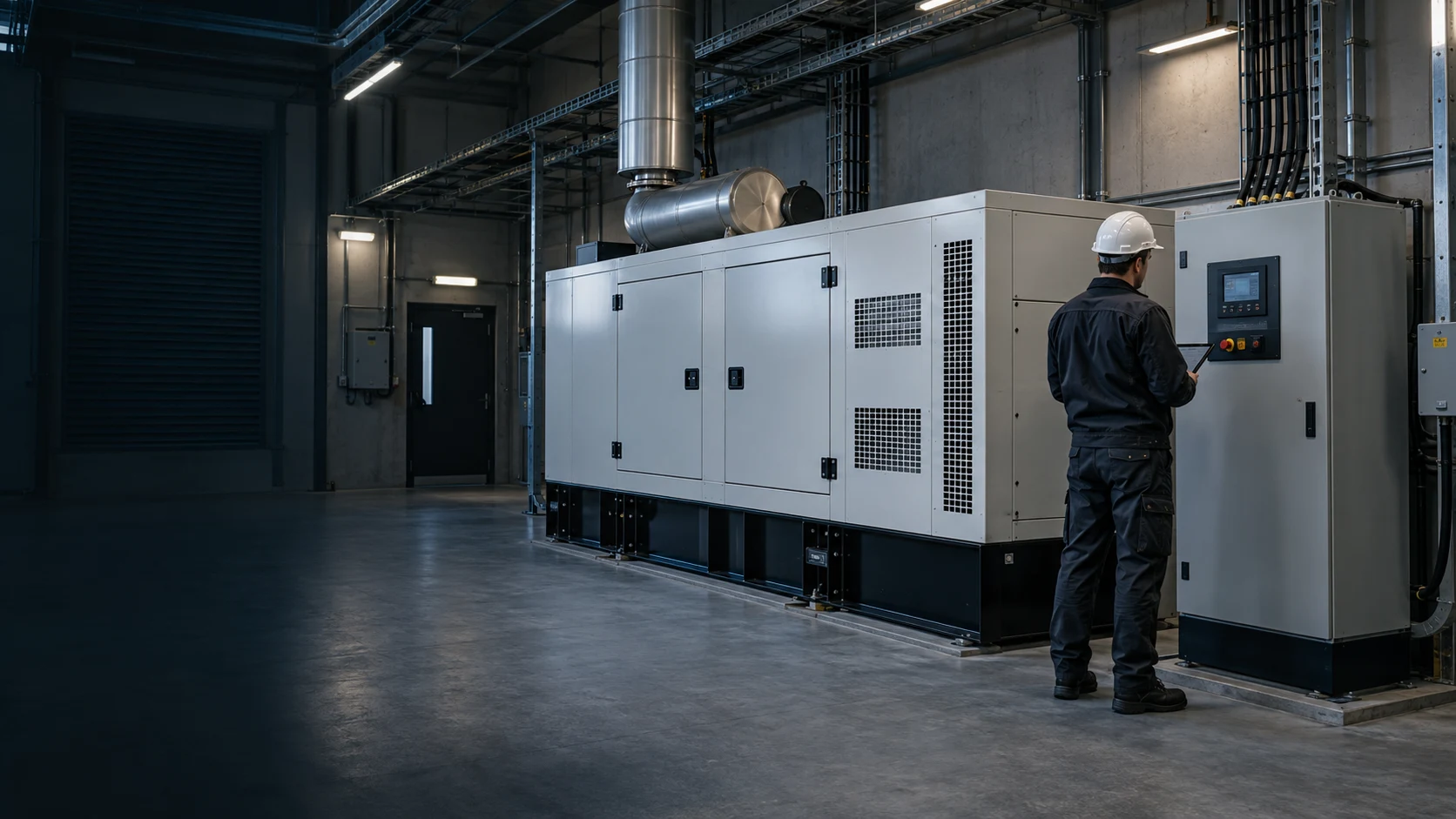
Generator remote monitoring
An independent meter proves what the generator carried, the controller says what it thought it was doing, and the fuel signal says how long it can keep going.
- Measure
- Generator output, run and fault states, fuel level, and the site connection it backs up
- Good practice
- Monitoring only. Protection, transfer and safety stay with the generator's own controls
- Sensors
- ZEM-65, Class 0.5S metering with CTs sized for the alternator Wireless 3-Phase Electricity Monitor datasheet
- On site
- ZGW-20 Gateway, event history and alarms, with a standby generator energy monitoring record Gateway datasheet
A run signal is not proof of output
A run contact says the controller believes the set is running. Independent voltage, current and power say whether it actually carried load, and how much. Test regimes usually need both, because a healthy start that never took load is a common failure.
Hardware for a generator monitoring system
One meter on the generator feeder on the generator side of the automatic transfer switch, the controller if it will talk, and an analogue input for fuel.
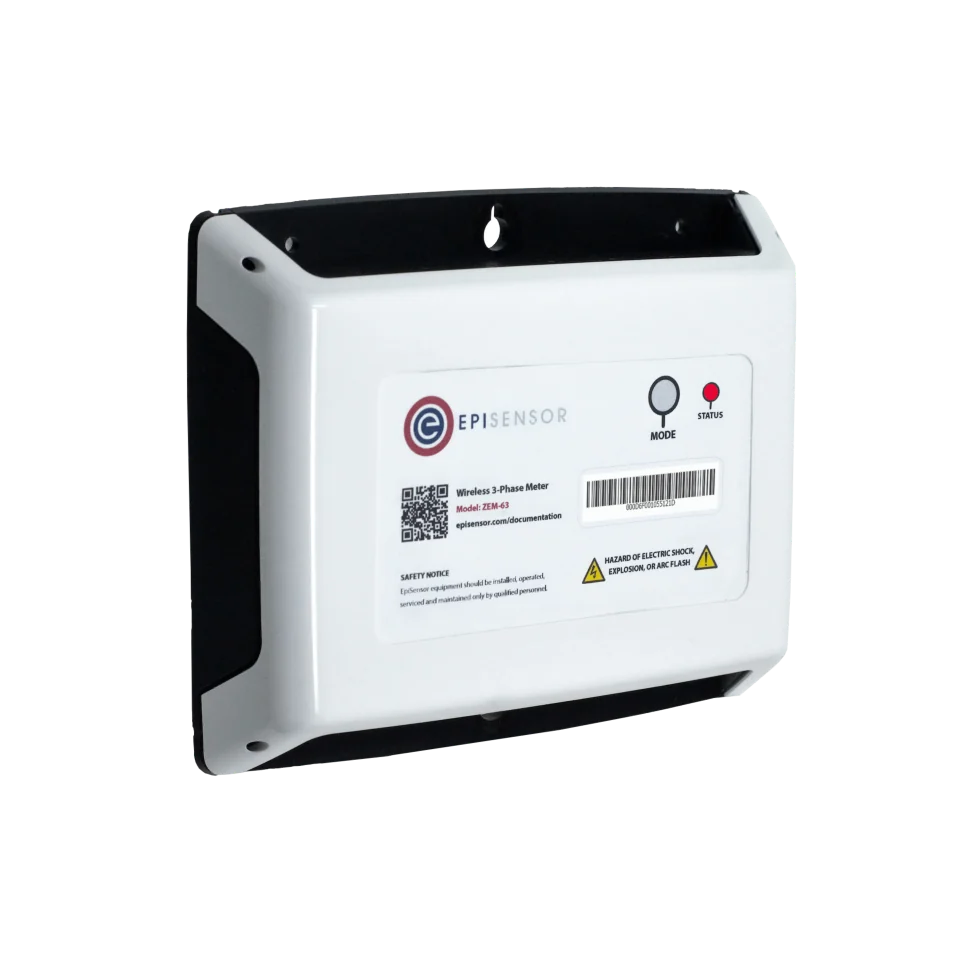
The generator output, measured independently of the controller
1 per set three-phase, 3 or 4 wire
- Choose the CT rating for the alternator output: 120 A split-core, or 300 A, 1 kA and 3 kA Rogowski coils
Class 0.5S to IEC 62053-22 with its CTs, 110 to 480 V line to line, CAT III at 480 V
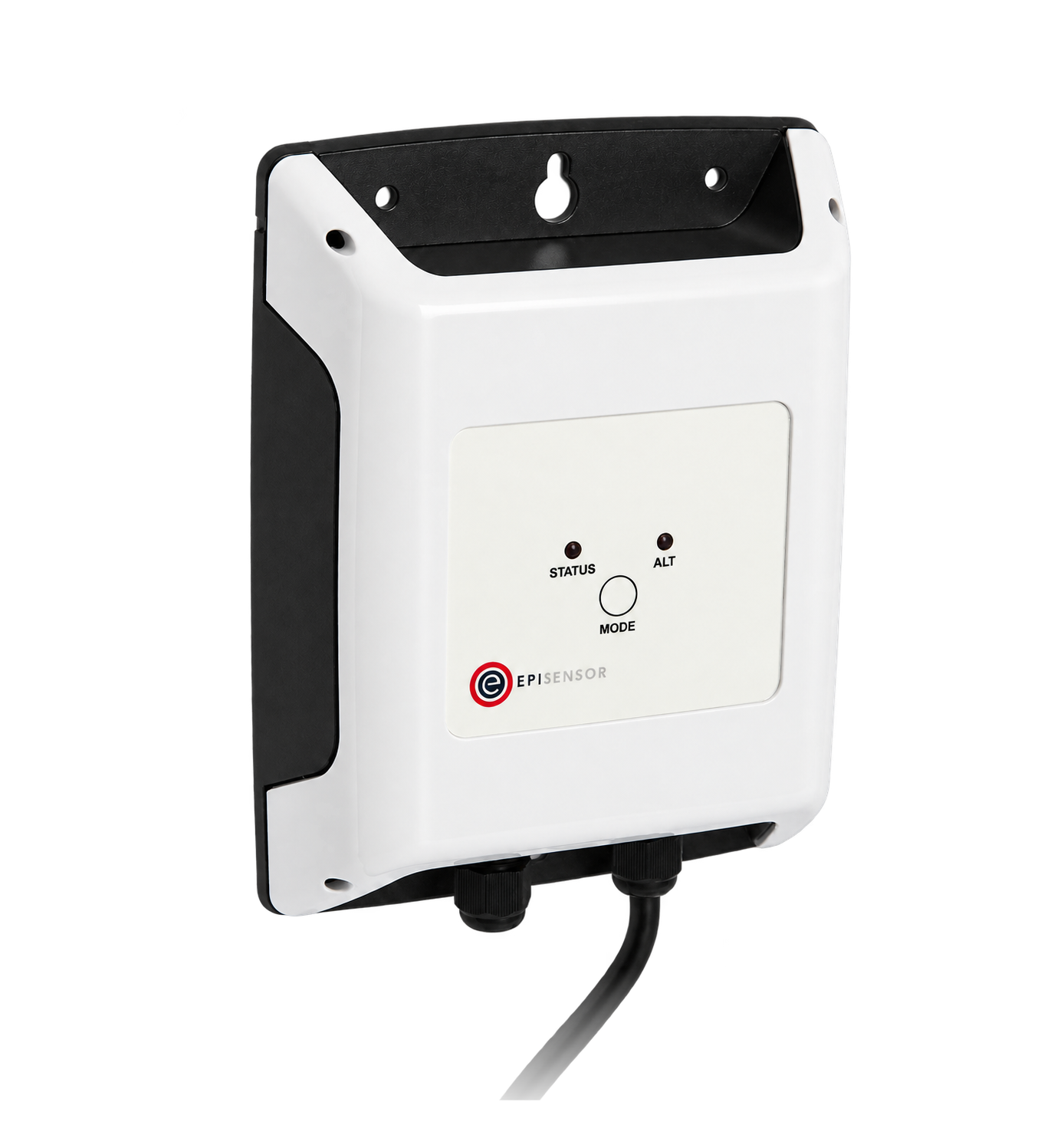
Run, available, fault and engine data from the generator controller, read only
1 per controller up to 30 registers
Modbus RTU over RS-485, function codes 1 to 6, 15 and 16
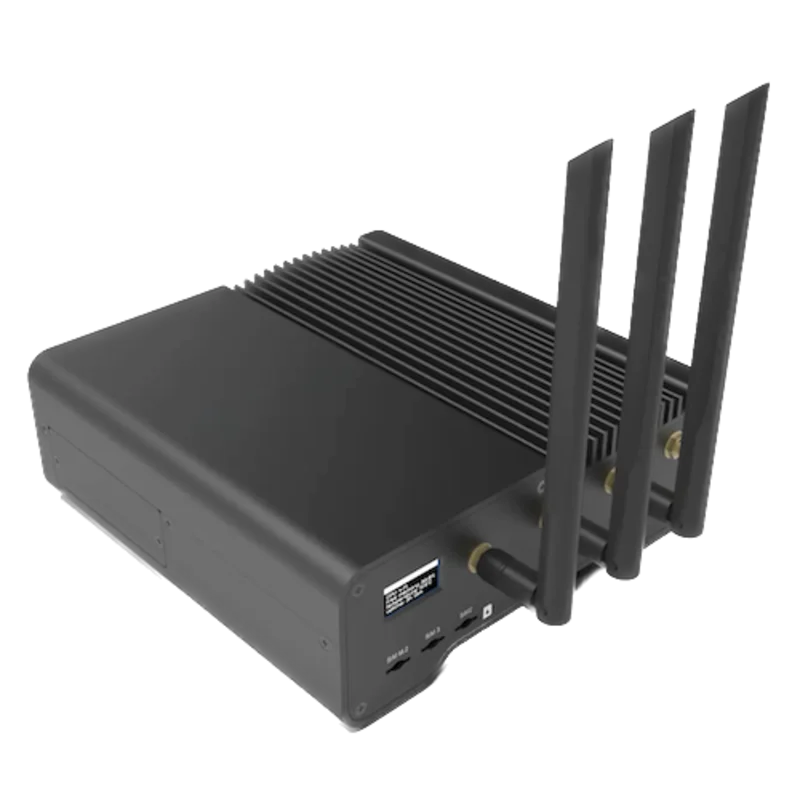
Keeps the event history, raises the alarms and exports the test record
1 per site up to 250 wireless devices
If fuel level is monitored
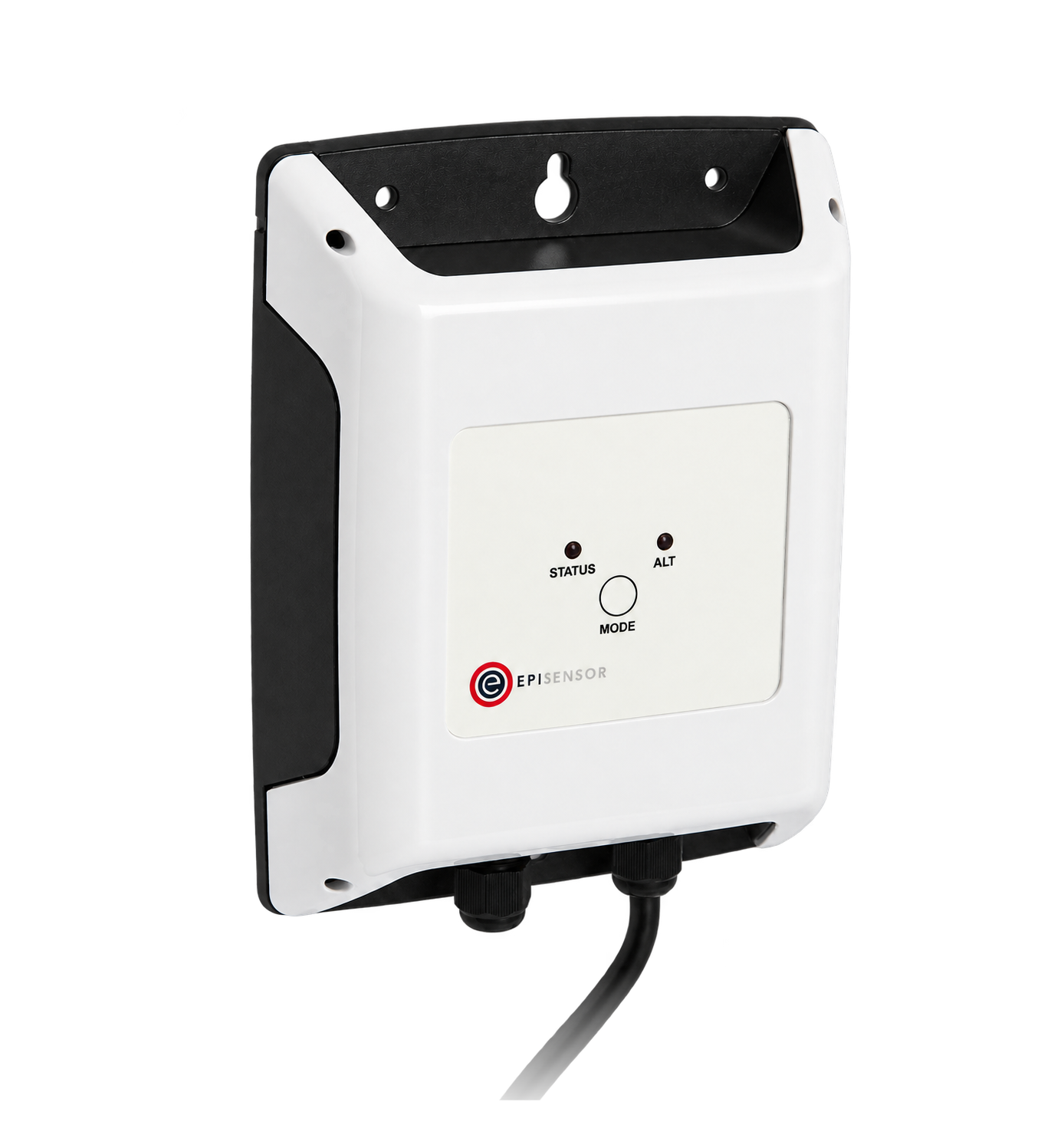
The fuel level transmitter's 4-20 mA output
1 per tank externally powered loop
0 to 20 mA at 0.001 mA resolution, up to 36 V DC
What to measure around a generator
Measure outside the protection boundary. Everything here is read only, and nothing in it changes how the set behaves.
From field measurement to Edge
Each field signal reaches its named EpiSensor interface, reports through the site Gateway and is handled locally in Edge.
- Wired
- Zigbee
- Edge
- Platforms
| Position | What it tells you | Reference | Sensor |
|---|---|---|---|
| Generator output | Voltage, current, power and energy: what the set actually carried | Install on the generator feeder before the automatic transfer switch and record that boundary Wireless 3-Phase Electricity Monitor datasheet | ZEM-65 (on this page), output |
| Run, available and fault | What the controller thought was happening, in its own words | Map each state exactly: one common fault loses the diagnosis Modbus Interface datasheet | ZMB-31 (on this page) |
| Fuel level | How long the set could keep running | The transmitter's range and scaling, recorded with its calibration Analogue Signal Sensor datasheet | ZIO-20 (on this page) |
| Site connection | Whether the site was on the grid or on the generator at the time | The same sign convention as the generator meter | ZEM-65 (on this page), site |
Keep controller access read-only. Acquiring controller data is not the same as commanding the set. A remote start or a demand-response command is a separate safety and operational design.
Record the controller’s model and firmware. Write down the controller model, its firmware and the register map version. A firmware change can move a register without warning.
Test records and alarms in Edge
The useful output is a record of every start, and what the set did during it.
- A start that carried no load
- A rule compares the run state with measured power, so a test that started and never loaded is visible rather than filed as a pass.
- Fuel below its reserve
- A limit rule on the fuel signal, with the reserve agreed with whoever refuels the tank.
- A controller that goes quiet
- A no-data rule on the controller's registers, because a silent controller during an outage is the worst time to find out.
- The record leaves the site
- Events and interval data export over MQTT or HTTP to whatever holds the maintenance record.
Commissioning checks
Run these during a planned test, with the person who maintains the set.
-
The measurement boundary is on the drawing
Mark on the single-line diagram where the generator meter and the site meter sit.
Pass when both are on the drawing, and it says which side of the transfer equipment each one is.
-
Electrical values agree with a reference
During a loaded test run, compare the meter with an independent instrument.
Pass when voltage, current and power agree within the instruments' accuracy.
-
The full sequence is exercised
Walk through start, transfer, loaded run, return and stop while watching the states and the power.
Pass when each state appears in the right order, with timestamps that match the observed events.
-
A lost connection is visible
Disconnect the controller's serial link during a test.
Pass when Edge reports the loss instead of repeating the last known state.
-
Nothing here can start the set
Review the configuration for any write to the controller.
Pass when the acquisition is read only, or any control has its own documented safety design.
Limits of this measurement
Everything on this page sits outside the generator's own protection.
- It does not replace generator, alternator, transfer-switch, fuel-system or life-safety protection.
- A remote start or a demand-response command needs a site-specific safety and operational design, and the maintainer's agreement.
- Fuel-consumption and efficiency conclusions need a calibrated fuel measurement over a matched electrical period.
- A controller's own values are the controller's: they carry its calibration, not an independent one.
Sources
- Modbus specifications and implementation guides (opens in a new tab) (opens in a new tab) Modbus Organization
- Wireless 3-Phase Electricity Monitor datasheet (opens in a new tab) EpiSensor. Specifications, ranges and ordering codes.
Related
- OverviewEnergy monitoring
- CalculatorGenerator fuel consumption calculator
- CalculatorLoad factor calculator


Third-party devices for this application
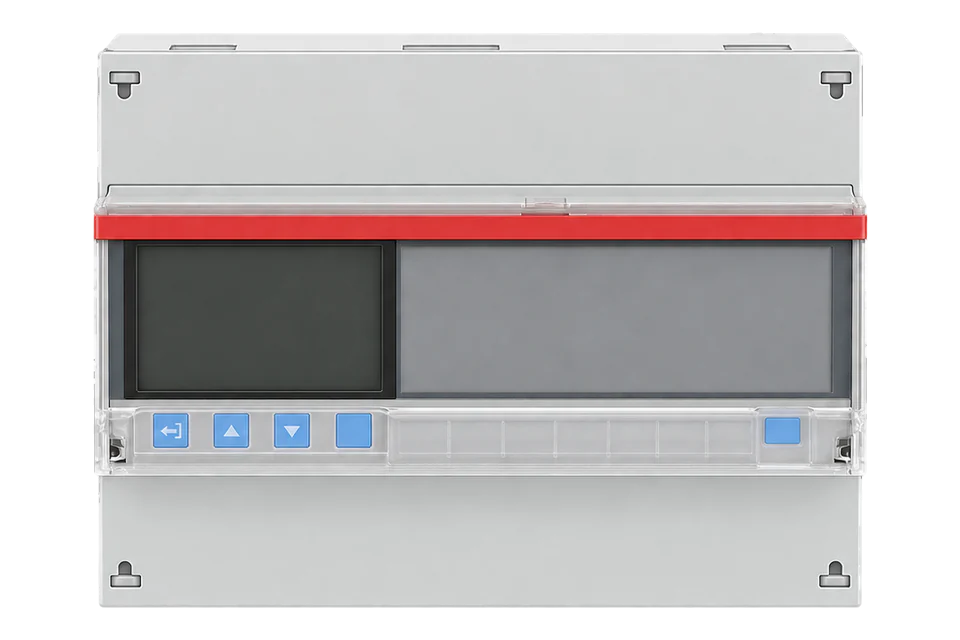
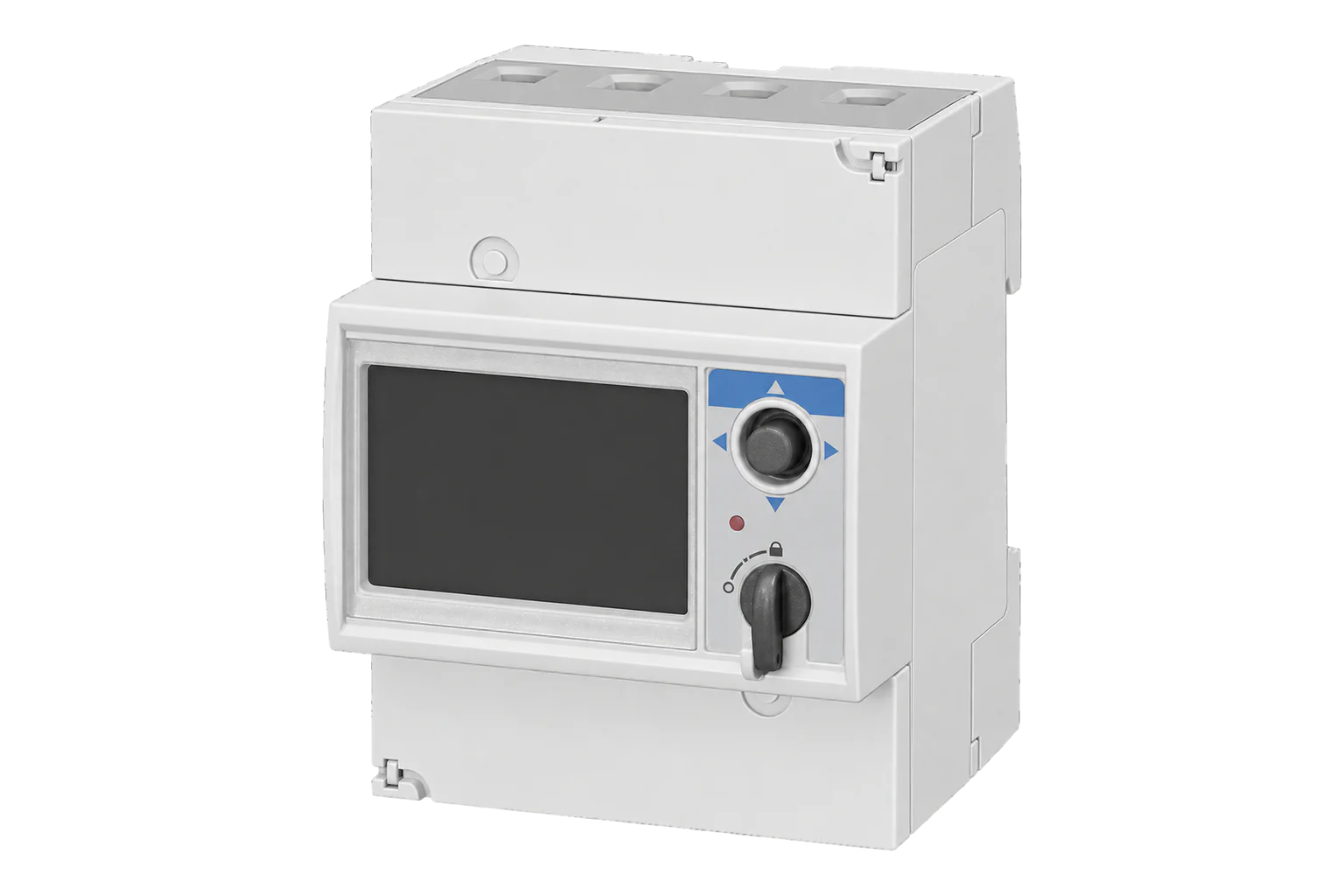
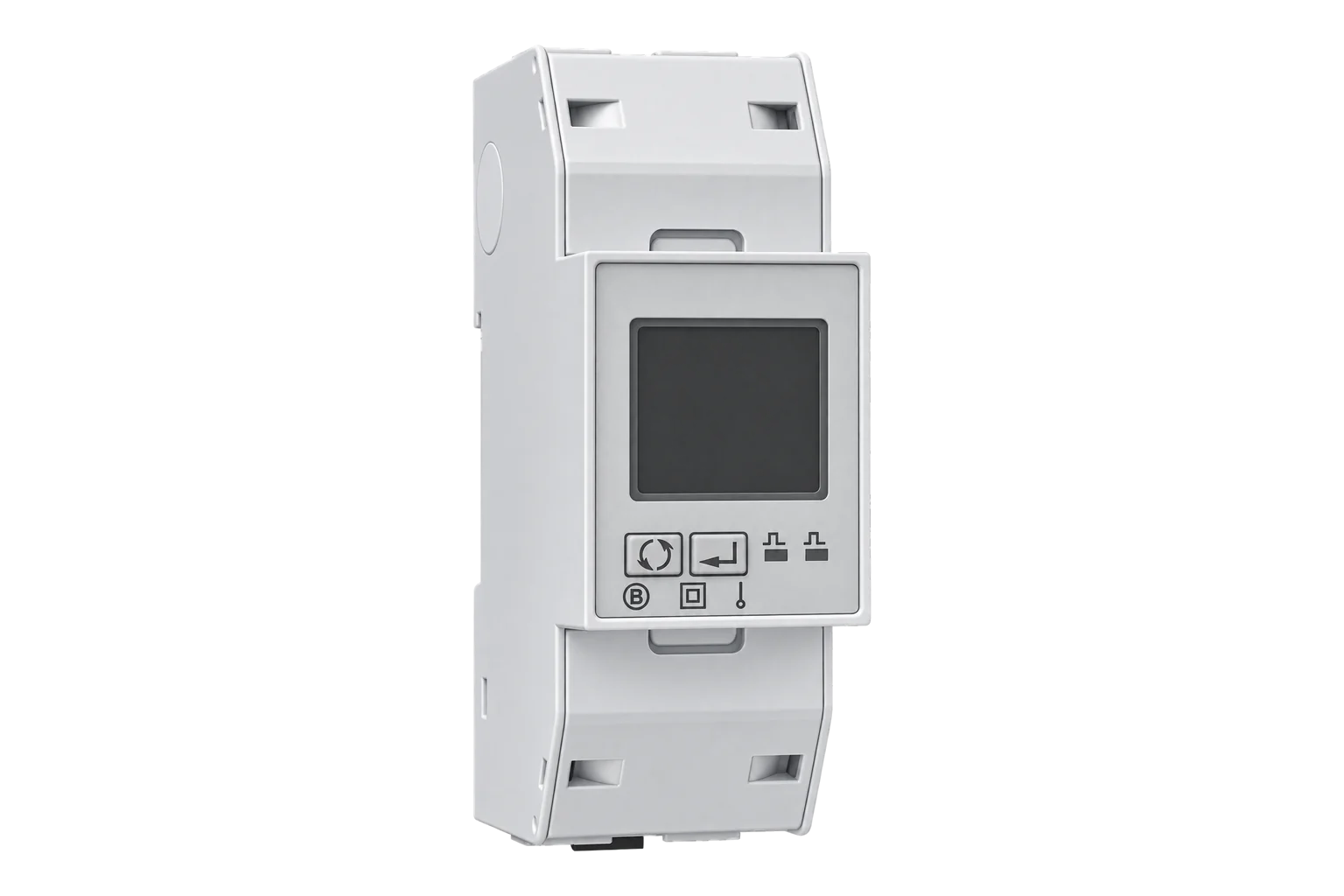
More in the Device Directory: Energy meters (62), Current transformers (7)
Prove what a generator carried, without touching it
An engineer can check the register map, place the meter, and keep the whole thing outside the protection boundary.