Warehouse and logistics energy monitoring
Measure the site incomer and non-overlapping warehouse electrical service boundaries, then explain demand with shifts, occupancy, throughput and equipment state.
- Measure
- Site, building and zone electricity, with separate lighting, HVAC, docks, conveyors, material handling, charging, solar PV and EV boundaries
- Good practice
- Compare complete periods with weather, shifts, occupancy, operating hours, throughput and exceptional operations stated
- Sensors
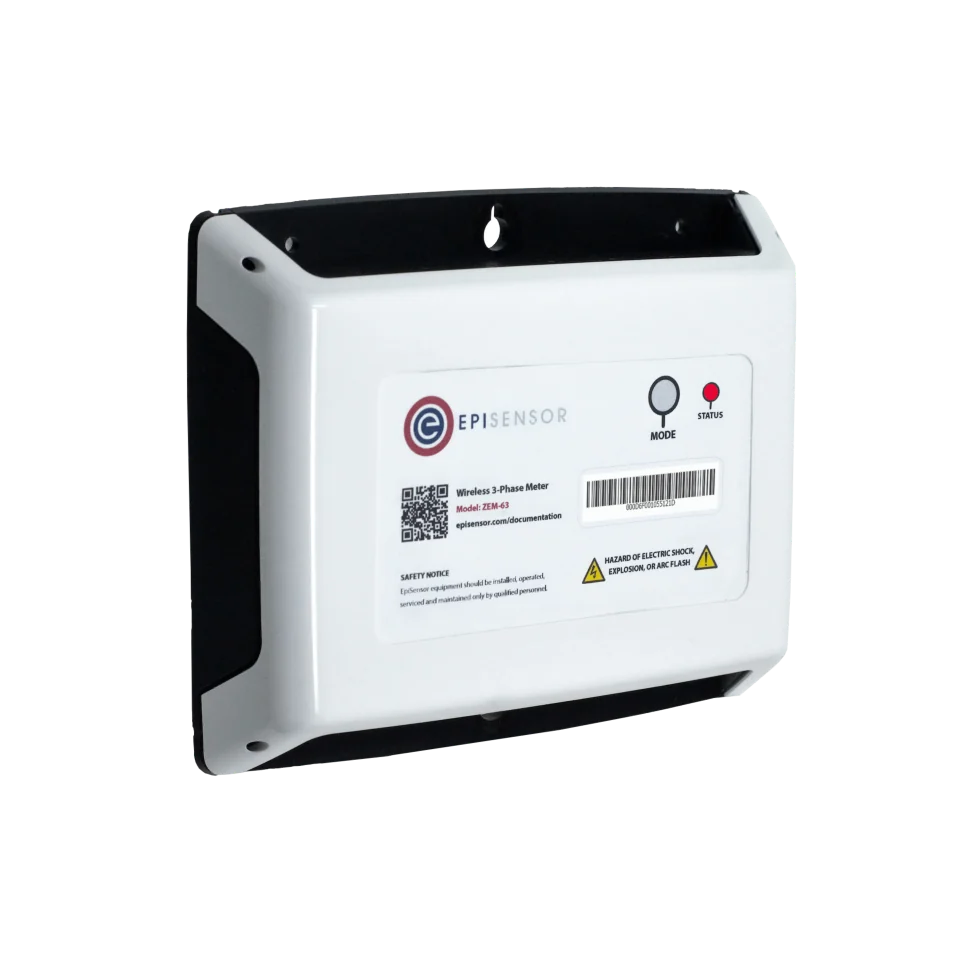
- ZEM-65, electrical boundaries; documented meters and controllers provide read-only operating context
- On site
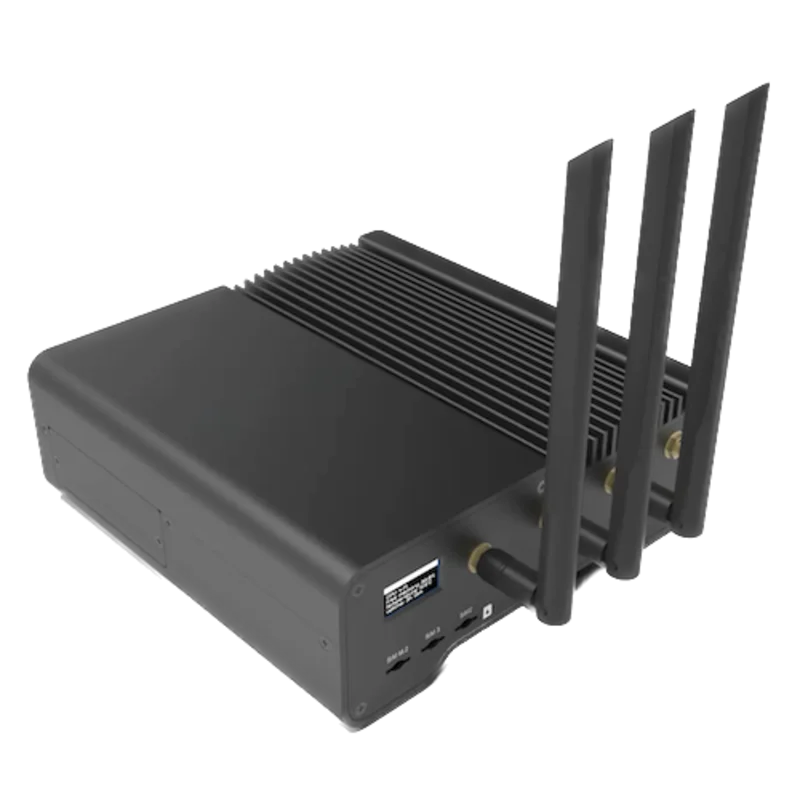
- ZGW-20 Gateway, Edge retains local histories, quality states, schedules and actionable alarms
Logistics energy management starts with the site hierarchy
Map every utility supply, on-site generator and export from portfolio to site, building and zone. Give each child meter one parent and keep ambient warehouse areas separate from offices, workshops and temperature-controlled storage. Use shifts, occupancy and throughput to explain energy, never as permission to command equipment. Warehouse management, automation, machinery, charging, refrigeration, fire and electrical protection systems retain their approved authority.
| Boundary | Evidence to collect | Acceptance boundary |
|---|---|---|
| Portfolio, site and building | Utility import, generation, export and non-overlapping building totals for complete reporting periods | Children reconcile to their parent; comparisons state floor area, weather, operating hours, throughput and material site differences |
| Ambient warehouse zones | Lighting, HVAC, docks, conveyors, automation and material-handling energy beside schedule and proven operating state | A schedule or warehouse-system state is context, not proof that a motor, fan, heater or dock device operated safely or efficiently |
| Cold-storage zones | Separate refrigeration electrical boundaries and approved read-only plant states, linked to the specialist cold-chain record | Food-safety temperatures, alarms, defrost and refrigeration safeties stay under their validated systems and procedures |
| Charging and on-site energy | Forklift and material-handling charging, EV charging, rooftop solar PV, batteries and generator flows measured separately | The energy record does not replace charger, battery, inverter, generator, transfer-switch or electrical protection controls |
Hardware for distribution centre energy monitoring
Measure stable electrical boundaries independently, then read only the documented meter and controller points needed to explain them. Survey the single-line diagram, conductor size, voltage, panel access, controller roles, networks, point count and wireless coverage before selecting hardware.
Measures the site incomer or a separate building, zone, service, charging or generation boundary
1 per declared three-phase electrical boundary 3 or 4 wire
- Choose 120 A split-core CTs or 300 A, 1 kA and 3 kA Rogowski coils after checking each declared supply
Class 0.5S to IEC 62053-22 with its calibrated CTs, 0.1 A to 3 kA
Reads approved warehouse BACnet/IP and Modbus points and retains local histories, data-quality states and alarms
1 per surveyed building or controls zone point count, network path and wireless coverage checked on site
For a dedicated segment or one on which its master role is approved
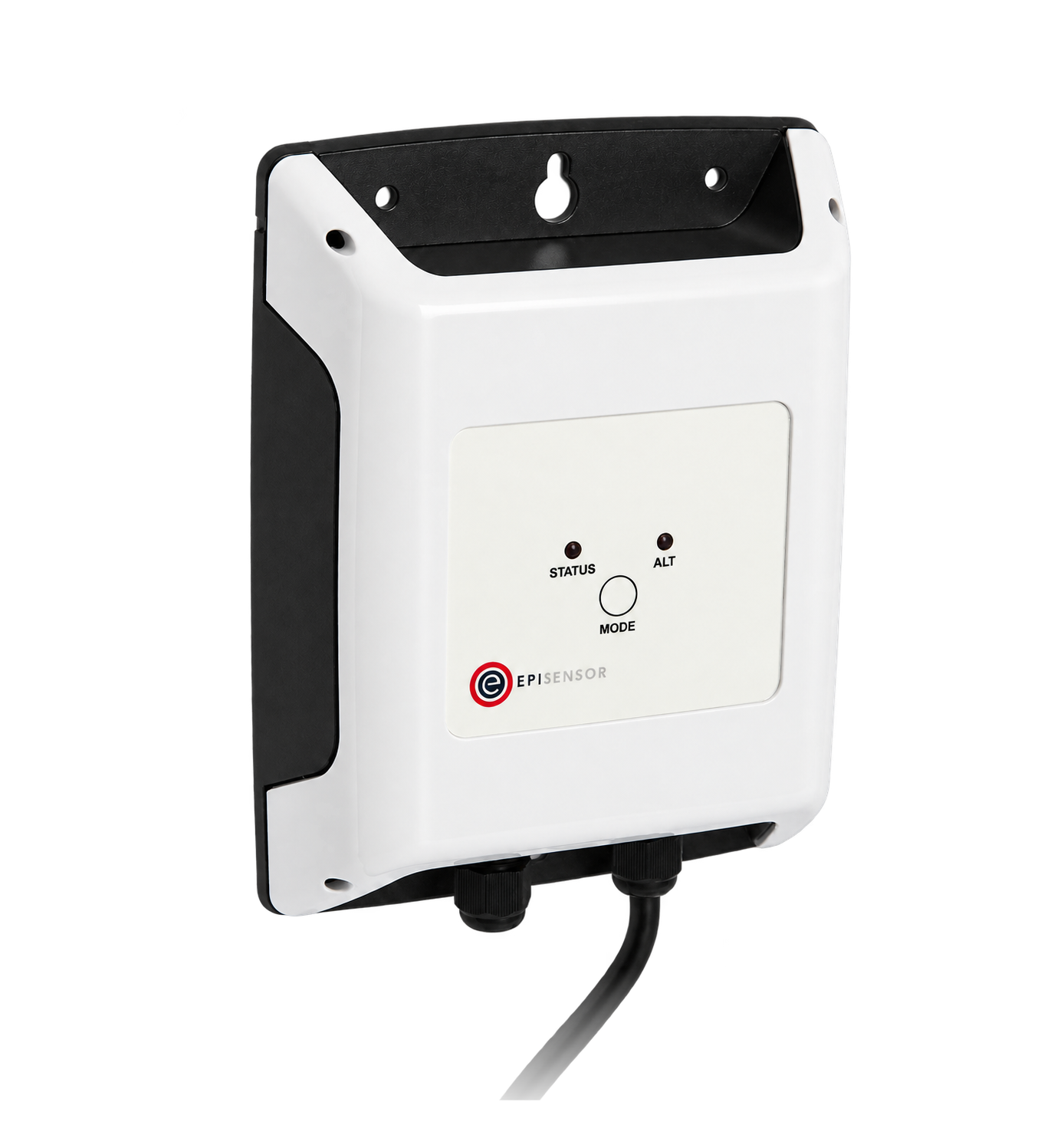
Reads approved energy, demand, state or throughput registers from a documented Modbus RTU segment
1 per suitable RS-485 segment up to 30 configured registers
Modbus RTU master over RS-485, 300 to 115,200 baud
Build the warehouse point list around boundaries and decisions
Give every point a portfolio, site, building, zone or service, source identifier, unit, interval, timestamp basis, valid range, quality rule and owner. Retain raw cumulative meters and source states before producing ratios or portfolio comparisons.
How warehouse energy and operating context reach Edge
Independent energy meters, documented equipment states and logistics context keep separate identities. Edge aligns their timestamps and quality without becoming the warehouse, machinery, charging or safety controller.
- Link
- Zigbee
- BACnet
- Edge
- Platforms
| Position | What it tells you | Reference | Sensor |
|---|---|---|---|
| Site and building energy | Demand and cumulative import, export, generation and consumption for each site, building and non-overlapping zone | Reconcile children to the parent for the same complete period and state the unmetered remainder ENERGY STAR warehouse score | ZEM-65 (on this page) |
| Warehouse services and equipment | Lighting, HVAC, docks, conveyors, automation, material handling and separate ambient and cold-storage demand with documented commands and proven states | Keep lighting, HVAC, refrigeration, plug equipment and automated processes as distinct operating questions ENERGY STAR warehouse practices | ZGW-20 (on this page) |
| Charging and on-site energy | Forklift and equipment charging, EV charging, solar PV, battery and generator power, cumulative energy, direction and availability | Measure generation, grid exchange and charging separately so one flow does not hide another ENERGY STAR warehouse practices | ZEM-65 (on this page) |
| Operations and data quality | Shifts, occupancy, hours, throughput, weather, last valid sample, gaps, stale states, resets, overrides and communications availability | Compare equivalent periods and keep the raw totals, operating context and data coverage beside every normalised value ENERGY STAR benchmarking | ZMB-31 (on this page) |
Use a non-overlapping hierarchy. Every building, zone and service meter is a child of one declared parent. Do not add a child to a total that already includes it or compare a partial boundary with a whole site.
Keep cold storage distinct. Use this hierarchy for refrigeration energy, then link to the cold-chain and refrigeration guides for temperatures, defrost, alarms, product protection and plant performance.
Preserve operating authority. WMS and automation, machinery, charging, fire and life safety, refrigeration, food safety and electrical protection systems keep their approved controls, interlocks and procedures.
Warehouse energy management workflow
Start with read-only acquisition and one site balance. Add service and zone detail only where a named operating decision justifies it, then test changes against safety, service, throughput and asset constraints.
- Compare equivalent logistics periods
- State weather, shifts, occupied hours, throughput, tenant or customer activity and material operational changes. Keep raw totals and coverage beside each normalised value.
- Find peak demand and after-hours baseload
- Review interval demand around shift starts, concurrent charging, HVAC recovery and equipment starts. During closed periods, identify the named lighting, HVAC, charging, refrigeration or automation load before assigning waste.
- Make state and data quality visible
- Retain run, proven, override, out-of-service, stale and communications states. A last-known value must not appear current, and a stopped line must not silently become zero throughput.
- Keep operational controllers authoritative
- Default acquisition to read only. Any schedule, charging, lighting, HVAC, conveyor or other equipment write needs an approved sequence, permissions, interlocks, safe-state and rollback behaviour, plus witnessed functional tests.
Commissioning checks
Commission the hierarchy, operating context and timestamps before comparing buildings, sites or reporting savings.
-
Approve the warehouse boundary map
Trace utility, generation and major child meters to sites, buildings, zones and services; record parent, direction, unit and multiplier for each.
Pass when every warehouse point has one declared boundary, overlapping totals are excluded and the unmetered remainder is stated.
-
Validate logistics context
Compare shifts, occupancy, operating hours and throughput with their source systems across known starts, stops and exceptional operations.
Pass when state meanings and timestamps agree, governance is approved and missing context is marked rather than inferred.
-
Prove clocks, intervals and gaps
Compare warehouse meter, controller, Gateway and report timestamps through an interval boundary and daylight-saving change; interrupt and restore one approved feed.
Pass when warehouse period assignment is reproducible, gaps remain visible and stale values cannot appear current or zero.
-
Witness one non-safety alarm
Create an approved test condition such as a stale meter, an after-hours load or an unexpected demand peak, hold it through its delay, acknowledge it and record the response.
Pass when the correct operator receives the site, boundary and evidence, escalation and closure work, and no equipment command is issued.
-
Reconcile and baseline a complete period
Reconcile child measurements to the site total, then compare an agreed baseline and reporting period with weather, shifts, occupancy, throughput and data coverage stated.
Pass when differences are explained or logged, material operational changes are declared and any saving claim retains its adjustment method and uncertainty.
Limits of warehouse energy monitoring
A connected operating record supports investigation and improvement. It does not itself prove safety, product condition, equipment performance, compliance, savings or permission to control.
- A warehouse-management or automation state does not prove physical occupancy, equipment movement, safe operation or permission to issue a command.
- Energy monitoring does not replace machinery guarding, dock safety, fire detection, smoke control, emergency lighting, refrigeration and food-safety controls, charger and battery protections, electrical protection or emergency procedures.
- An electrical boundary does not diagnose conveyor, motor, HVAC, refrigeration, charger, inverter or battery condition without the relevant operating measurements and engineering method.
- On a warehouse site, BACnet or Modbus access does not establish point meaning, permission to write or a safe sequence. Commission the exact object or register contract and keep approved controllers authoritative.
- A lower energy total is not automatically a saving. Adjust the baseline for weather, shifts, occupancy, operating hours, throughput, service level, material changes and data coverage.
Sources
- Warehouse Best Practices (opens in a new tab) US Environmental Protection Agency ENERGY STAR
- ENERGY STAR score for warehouses (opens in a new tab) US Environmental Protection Agency ENERGY STAR
- Measure, track, and benchmark (opens in a new tab) (opens in a new tab) US Environmental Protection Agency ENERGY STAR
- Directive (EU) 2024/1275 on the energy performance of buildings (opens in a new tab) (opens in a new tab) European Parliament and Council
- Wireless 3-Phase Electricity Monitor datasheet (opens in a new tab) EpiSensor. Specifications, ranges and ordering codes.
Related
-
Multi-site energy monitoring
A Gateway on every site supports remote energy monitoring with local data continuity, a consistent point register and named owners for connections, credentials and change. -
Refrigeration energy monitoring
Meter the whole refrigeration plant, split out compressors and fans, and compare periods with the same controller state and load. -
Cold room and cold store temperature monitoring
Probes at the warm and cold points a mapping study found, one in the product zone, and alarms that carry a delay so a door opening is not an incident.
- OverviewEnergy monitoring
- CalculatorLoad factor calculator
- CalculatorInterval demand calculator
- GuideEquipment performance monitoring boundaries
- GuideIntelligent energy management systems (IEMS)


Third-party devices for this application
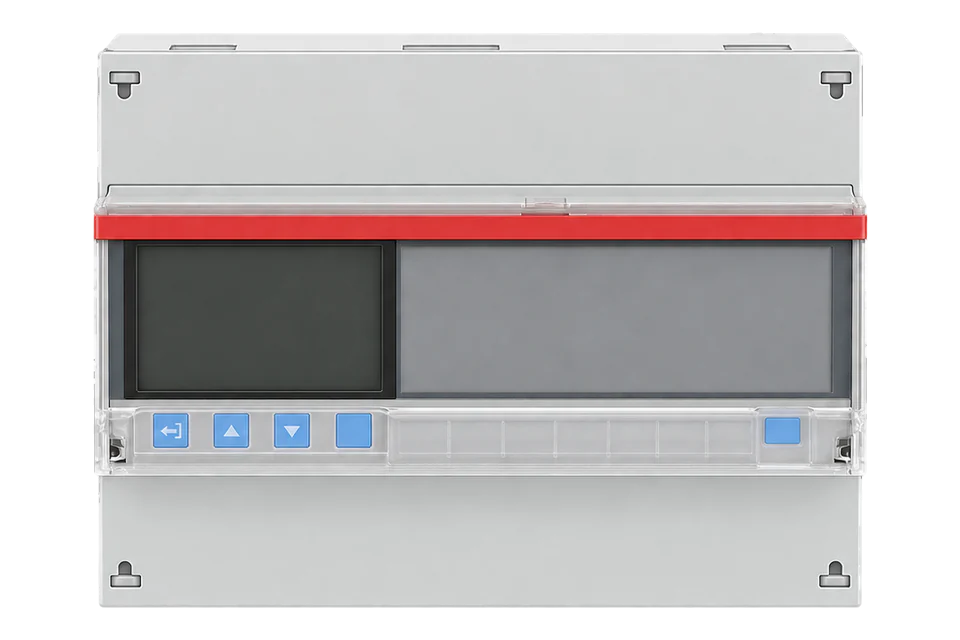
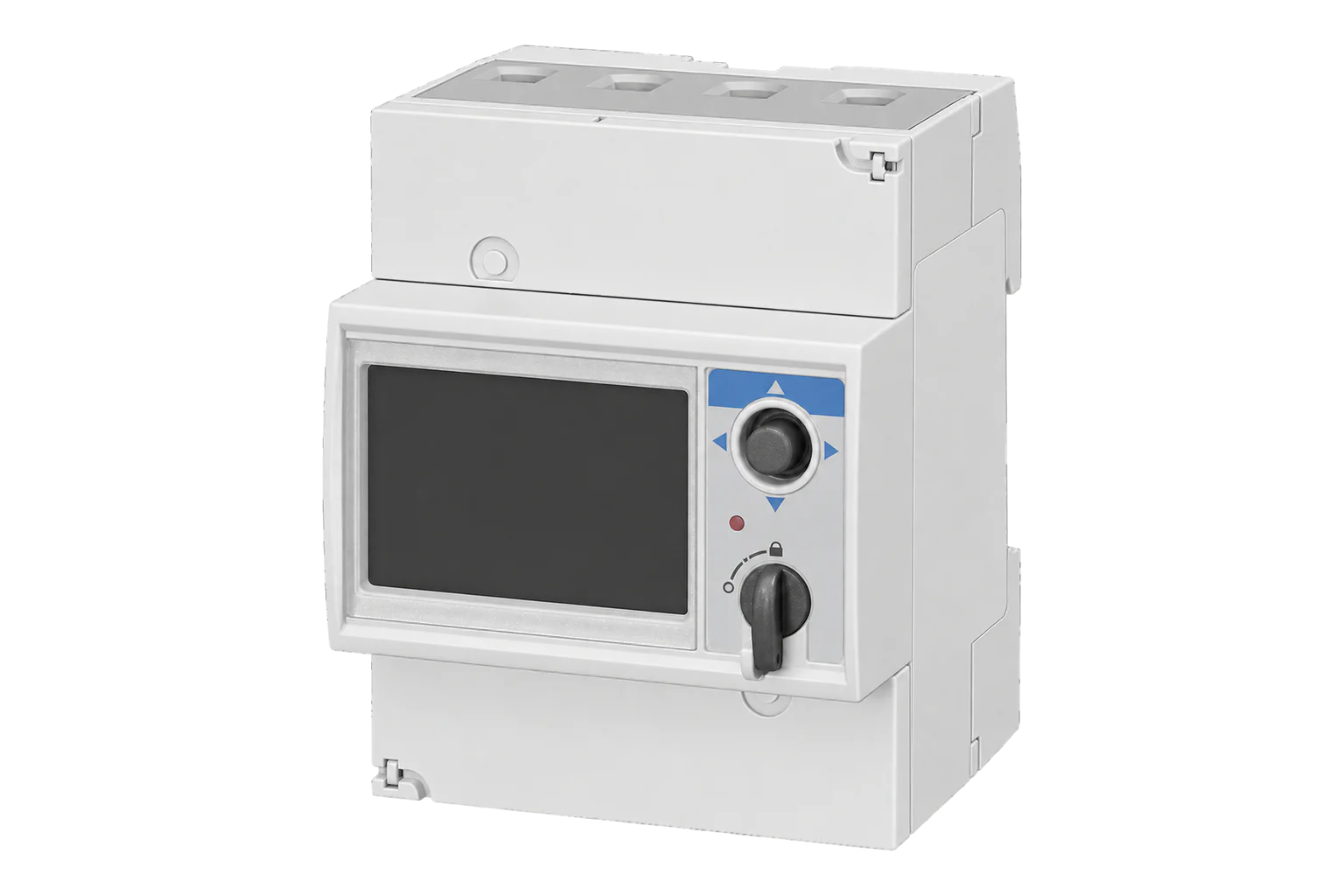
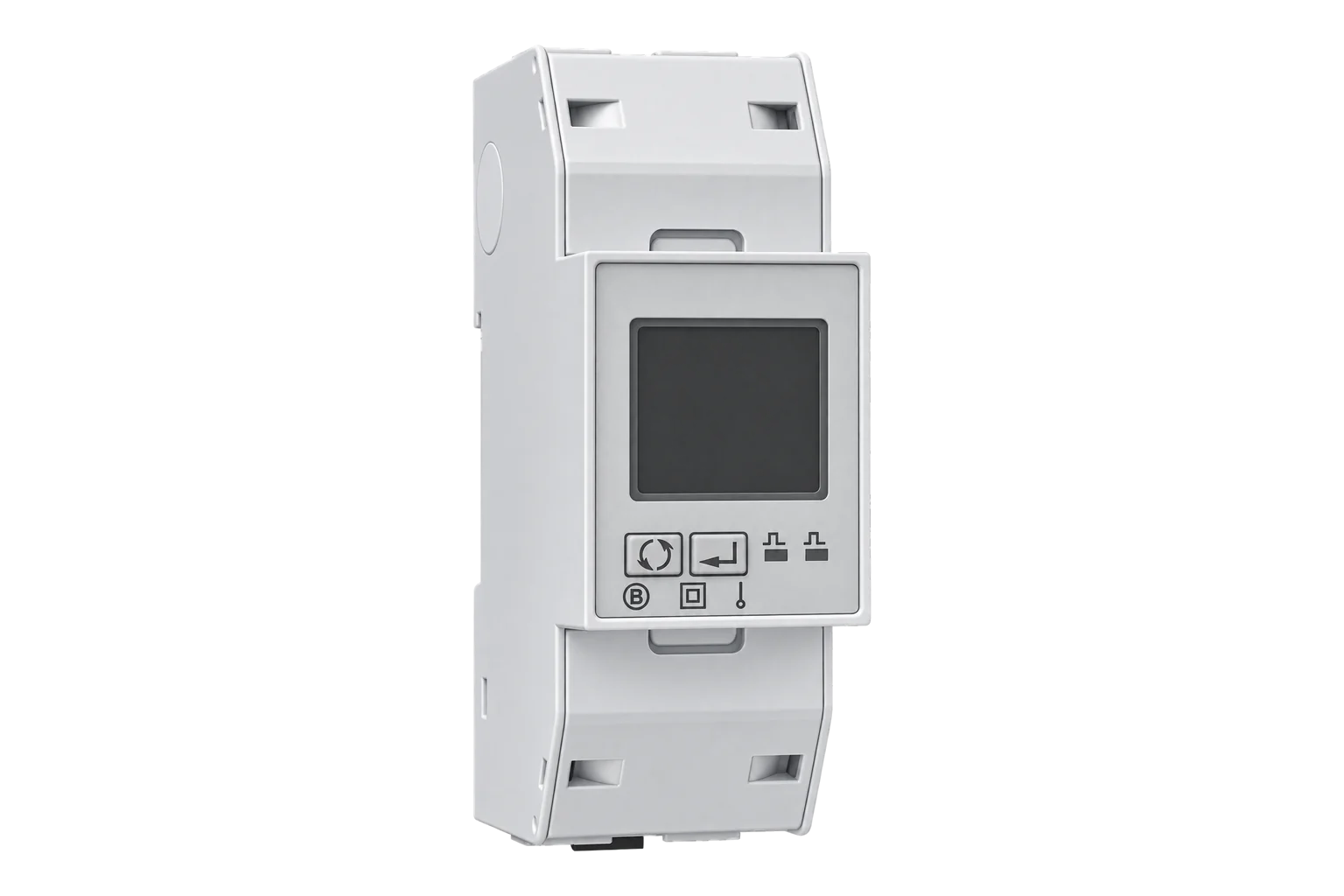
More in the Device Directory: Energy meters (62), Current transformers (7)
Define the first warehouse energy boundary
Send the site and building layouts, single-line diagrams, meter schedules, panel and controller models, network architecture, operating calendar, shift and throughput definitions, and required decisions. An engineer can define a read-only pilot and its commissioning evidence.