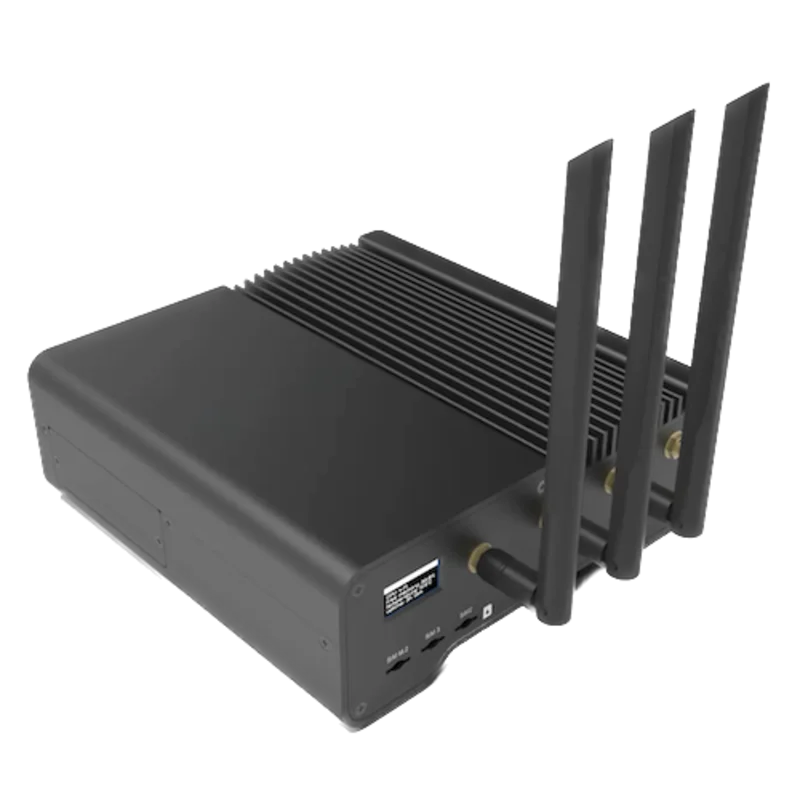
Gateway
ZGW-20
€999ex VAT
Connects the site hardware over Zigbee and runs Edge locally: dashboards, history, alerts and exports.
1 per site
- Cellular, EU plug
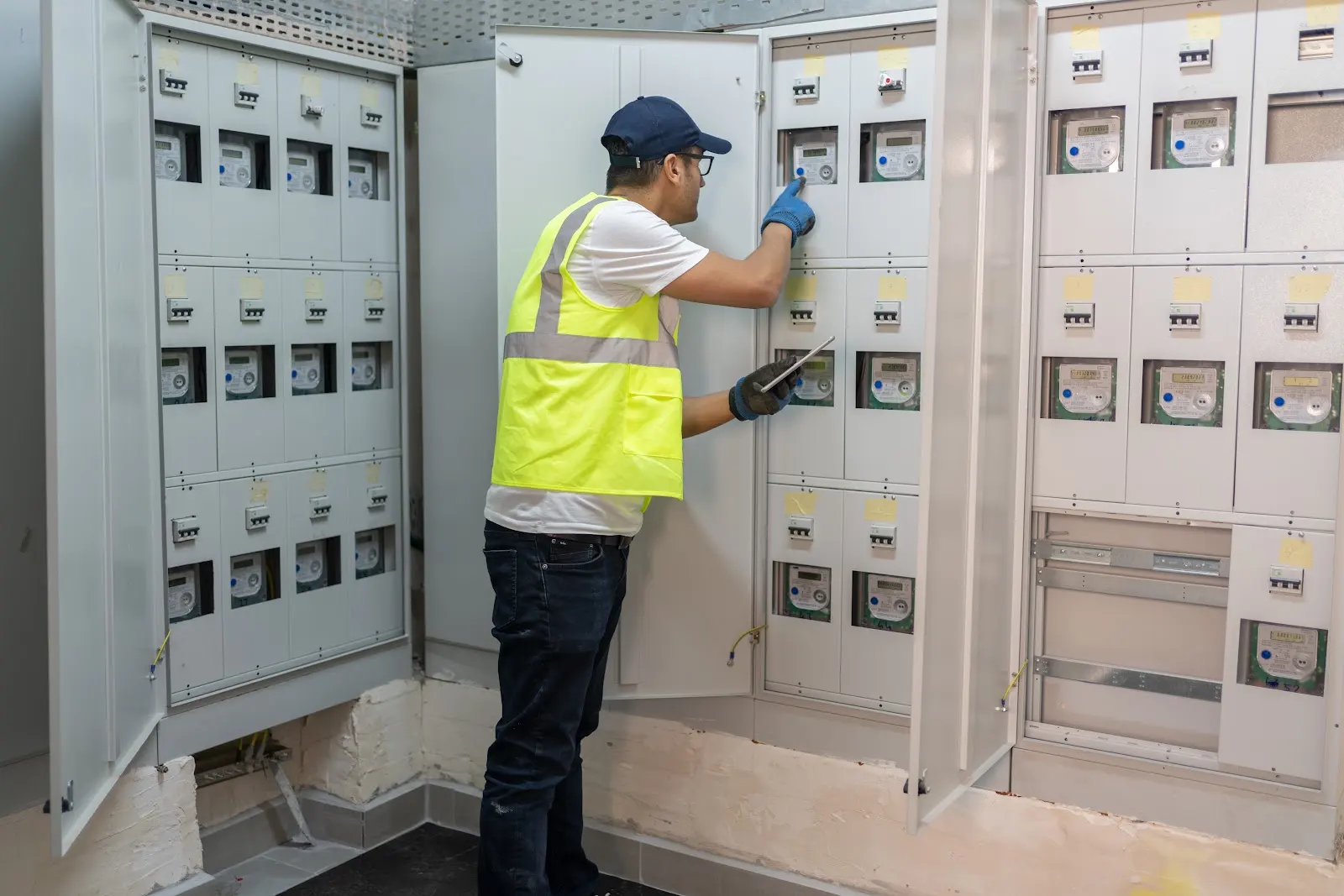
Measure mains, circuits, equipment and existing meters across one site or a portfolio. Use Edge as the local energy management system, or deliver verified site data to the software your team already uses.
Start with the decisions the energy team needs to make. Measure the main incomer, then add the circuits, equipment and existing meters that explain the load. Keep protection, billing and power-quality duties with instruments approved for those jobs.
See all hardware
| Measurement need | Connection path | Check first |
|---|---|---|
| New three-phase power and energy | ZEM-65 → Zigbee → Gateway and Edge | Current range and conductor size |
| Existing Modbus RTU equipment | RS-485 → ZMB interface → Zigbee → Edge | Register map, address and serial settings |
| Existing IP or BMS equipment | Modbus TCP, BACnet/IP or OPC UA → Edge | Point identity and write permission |
| Pulse-output meter | Meter pulse output → ZPC → Zigbee → Edge | Pulse weight and maximum rate |
| Wired M-Bus heat meter | One meter → ZHM-21 → Zigbee → Edge | Meter address and the records you need |
| Process or utility transmitter | 4-20 mA → ZIO, or 0-10 V → ZVO → Zigbee → Edge | Range, units and loop power |
Most projects start with the main incomer and the three largest loads on one site: one Gateway and four electricity monitors, each measuring one three-phase circuit. The same Gateway carries up to 250 devices as the site grows.
Hardware total €3,499
Excluding VAT, delivery and installation.
System Builder starts from energy monitoring with this kit in mind.
Plan the points, owners and acceptance checks with the first-site planning worksheet.
Connects the site hardware over Zigbee and runs Edge locally: dashboards, history, alerts and exports.
1 per site
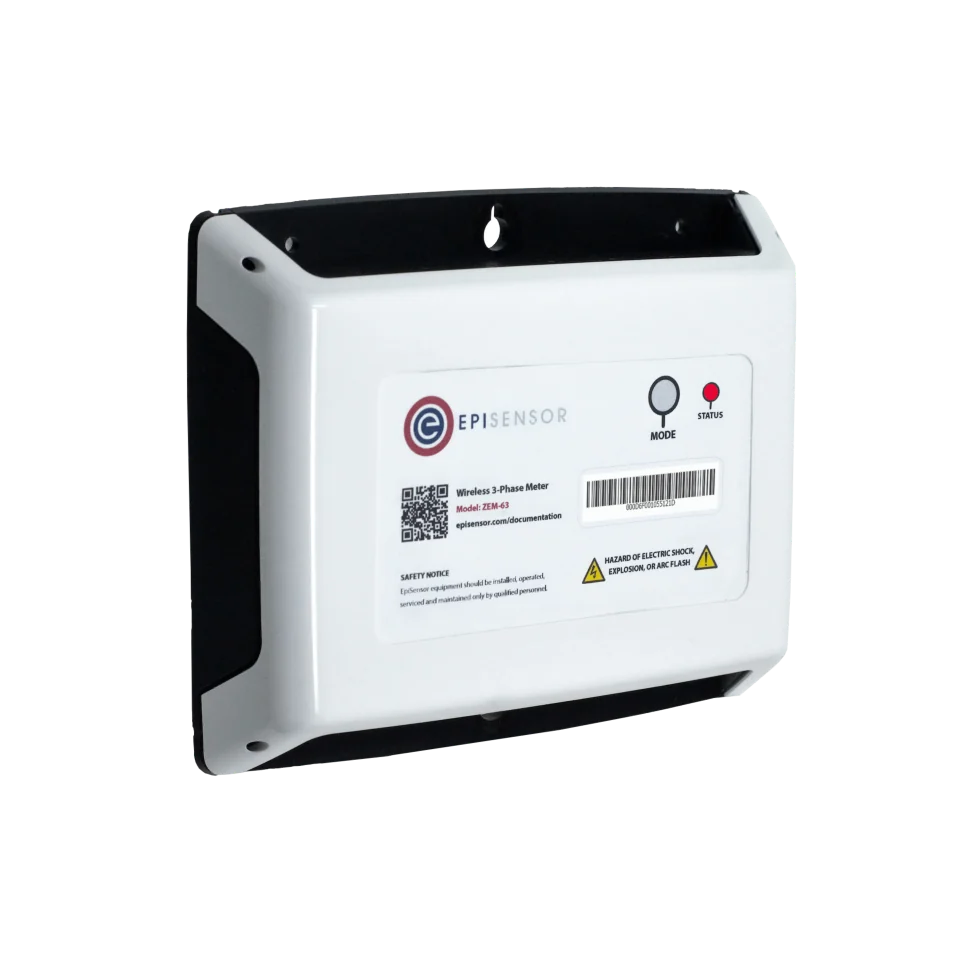
Measures one three-phase circuit to Class 0.5S as a system, with its current sensors connected and calibrated before it ships.
4 mains and three loads
Field devices measure the site, the Gateway connects them, and Edge stores, analyses and acts on the data locally. A portfolio platform can receive the same readings while collection and approved local rules continue at the site.
Configure devices, investigate data, build dashboards and run approved rules locally, including during an internet outage.
Explore EdgeDefine the destination, point identities, units, timestamps, quality states and receipt checks before installing and commissioning the required flow on the Gateway.
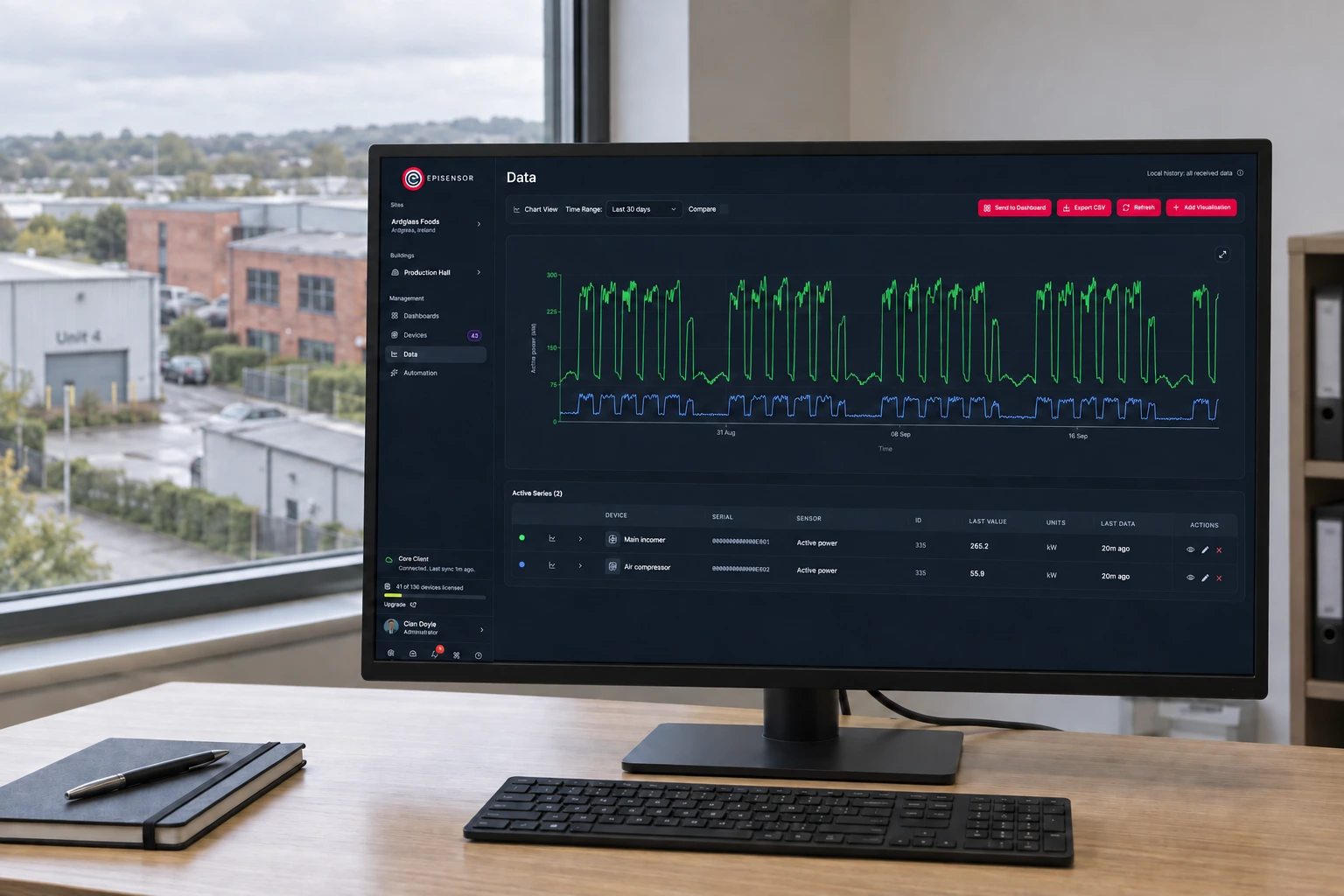
Compare circuits and equipment over time, investigate out-of-hours loads, assign a finding and verify the result of each operational change. Keep the chart controls and sensor list together in one workspace.
Explore dashboards, data and automation
See the main incomer and individual equipment on the same timeline.
Change time ranges and show or hide sensors to isolate what matters.
Send an alert or run a rule when a reading crosses a limit.
These projects show the path from site measurements to operational decisions across manufacturing, retail and a nationwide estate.
All case studies

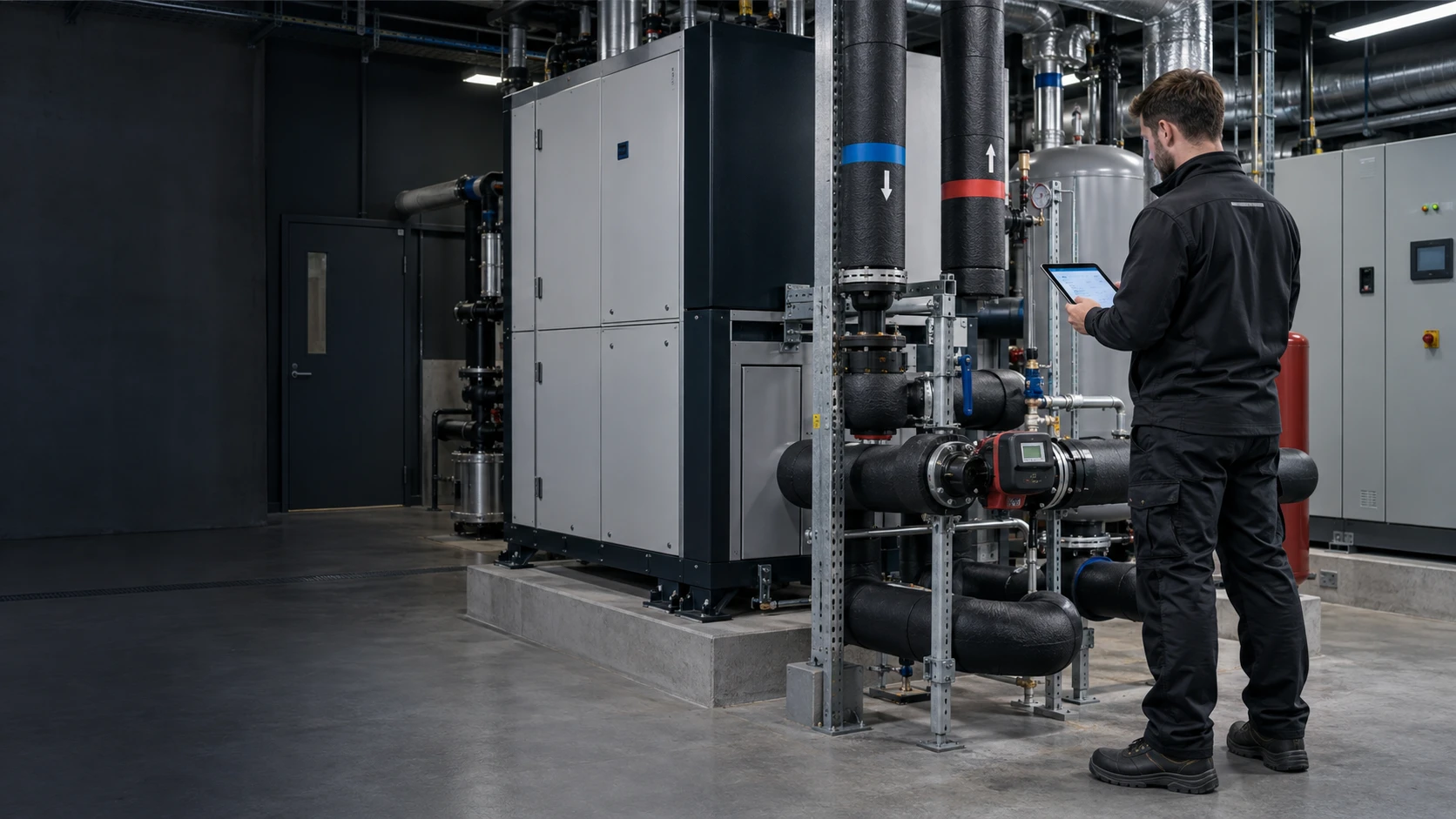
Circuit-level measurements helped CoolPlanet find boiler trips and out-of-hours loads, then target changes to plant operation.


A Cardiff pilot connected site measurements to the existing EnergyCAP platform, providing the basis for a 40-mail-centre rollout.


EpiSensor metering supplied the data for ETS and Spacewell Energy to monitor use and configure site-specific alerts across Woodie’s stores.
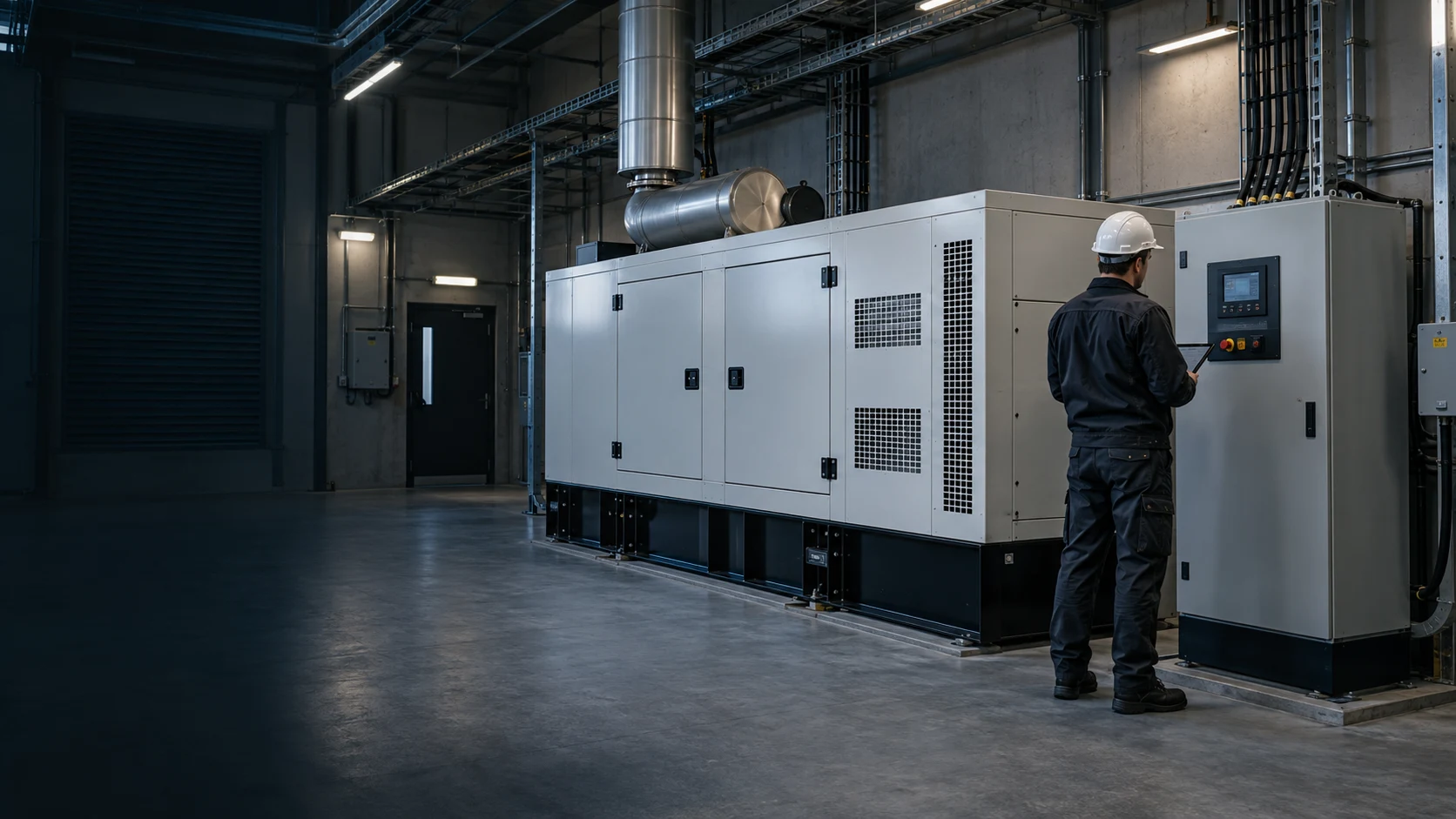
Each guide names the measurement points, the hardware, the Edge setup and the commissioning checks for one kind of site or equipment.
One ZGW-20 Gateway carries up to 250 devices and around 1,000 sensor feeds. Zigbee devices form a mesh, and each hop reaches roughly 50 m indoors or 300 m outdoors, so the device count and the spacing between devices decide the layout together. Larger sites add Gateways.
The ZEM-65 is Class 0.5S as a system: its current sensors are connected and calibrated to the meter before it ships, so the accuracy class describes the whole measurement rather than the meter alone.
Yes. Edge runs on the Gateway, so collection, local history, dashboards and configured rules continue without an internet connection. Exports to another platform resume when the connection returns, within the limits of each integration’s buffering.
Yes. Fitting current sensors around live conductors and connecting the ZEM-65 voltage reference is work for a qualified electrician. Split-core sensors and Rogowski coils close around existing cables, so no conductor has to be disconnected.
The example below includes one Gateway and four electricity monitors. That hardware is €3,499, excluding VAT and delivery. Installation, connectivity and any additional sensors or integration work are scoped separately. Check current range and conductor size before choosing monitor variants.
Not on its own. Legal metrology, approvals and billing rules depend on the jurisdiction, the instrument and the commercial process, so select and approve billing meters separately from the monitoring system.
Describe the sites, equipment, existing software and decisions the team needs to make. An engineer will map the measurements, local operation, data delivery and acceptance checks with you.