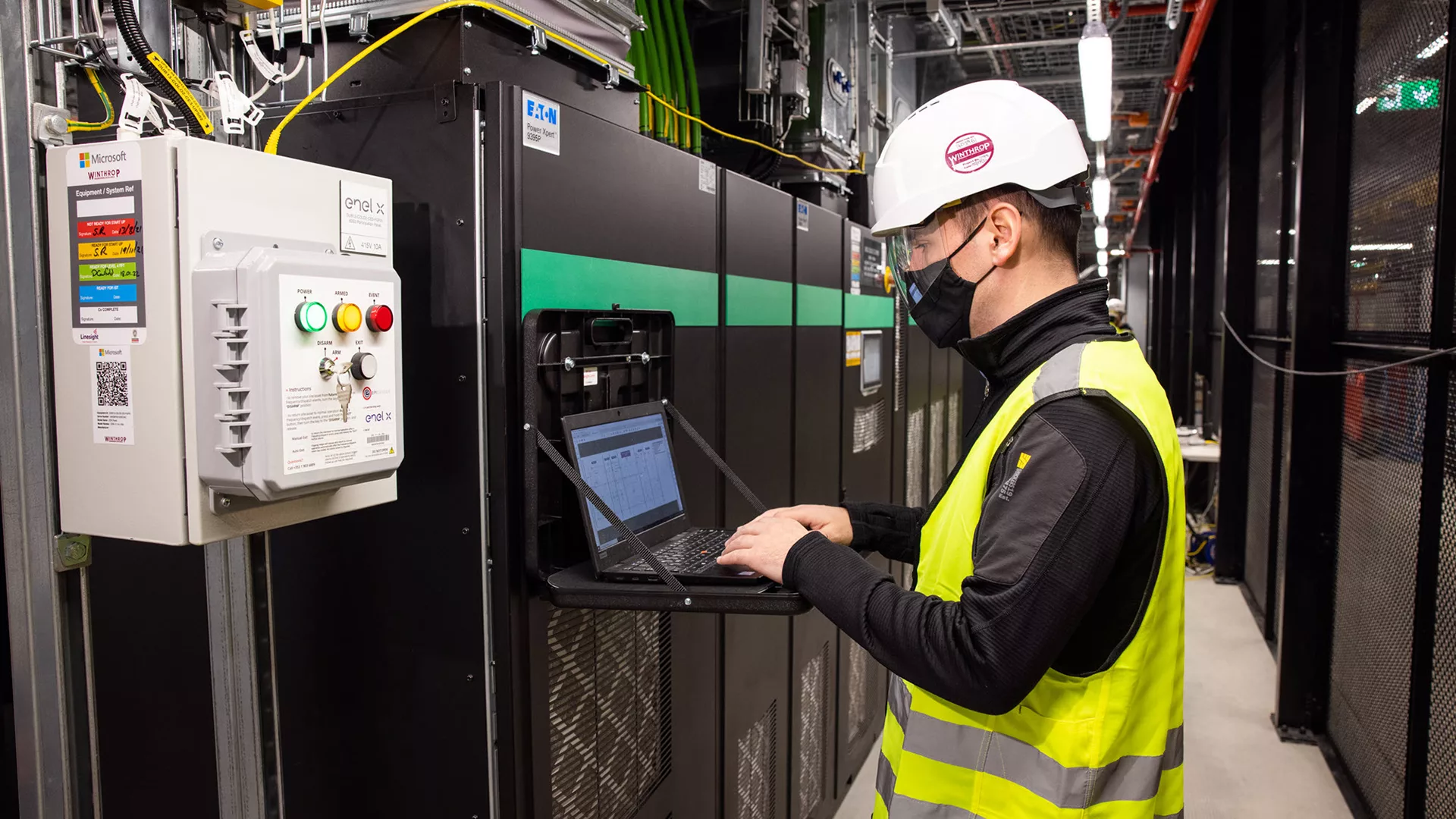
An engineer at a laptop beside a row of UPS cabinets, with a demand-response control panel showing power, armed and event lights on the wall.

Site infrastructure for your virtual power plant platform

Connect, meter and control batteries, standby generators and flexible loads at each site. EpiSensor provides the physical operating layer for your VPP; your platform keeps portfolio optimisation, bidding, trading and settlement.

Demand response assets

Batteries, standby generators and flexible loads respond to a programme in different ways. Bring the measurements, equipment state and control interface for each asset into one site data model.

  • Measure power at the point of connection and at each asset that takes part.
  • Switch a load or start a generator through a relay, or send a battery or UPS a set point over Modbus.
  • Agree control limits, safe states and recovery with the asset owner before the first event.
Devices and protocols in Edge
Split-core current sensors marked L1, L2 and L3 on a changeover panel labelled generator and mains supply.
Current sensors on the supply side of a generator changeover.

Hardware for demand response

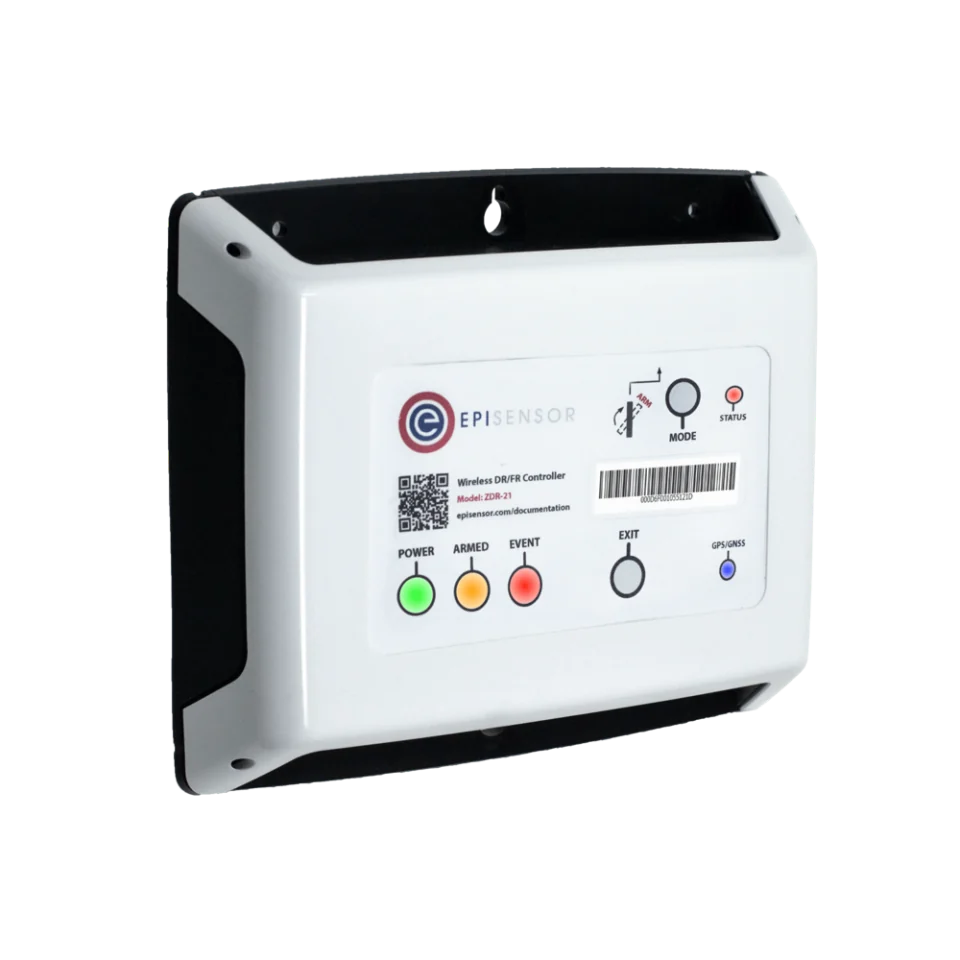
A controller for each asset that responds, a meter for the rest of the site, and one Gateway running Edge. Each ZDR meters its own supply, so the response is measured by the device that made it.

Frequency response

When grid frequency falls, a frequency-response service needs contracted assets to cut demand or add supply within seconds. The ZDR measures frequency at the site and acts on it there, so the response does not wait for a message from a platform.

Standby generation at Dublin Airport

Asset
Standby generation
Programmes
8 MW in I-SEM and 3 MW in the faster DS3 programme, enrolled by Enel X
Response
ZDR controllers watch grid frequency and move the airport to its standby generators when a frequency event is detected
Result
Readings at 20 ms resolution for 30 seconds around each event
Read case study

UPS batteries in a Microsoft data centre

Asset
Eaton UPS batteries in the data centre's backup power system
Programme
Dynamic DS3, through Enel X
Response
UPS output rises and falls with grid frequency, which depends on accurate time synchronisation across the site
Result
In this project, about 80 ms to detect a frequency event and 500 ms to full output, with 20 ms readings for 30 seconds around each event
Read case study

Connect your VPP platform to the site

EpiSensor provides local measurement, limits, automation and response records. Your platform decides how the portfolio participates, then sends the agreed site instructions and receives measured results.

  • Wired
  • Control
  • Zigbee
  • Edge
  • Platforms
Site assets
Controller and meter
Gateway
Local Edge
Programme platform
Grid frequency
Standby generator
Flexible load
Battery / UPS
Point of connection
ZDR-20/21Relay output
ZDR-22Modbus set point
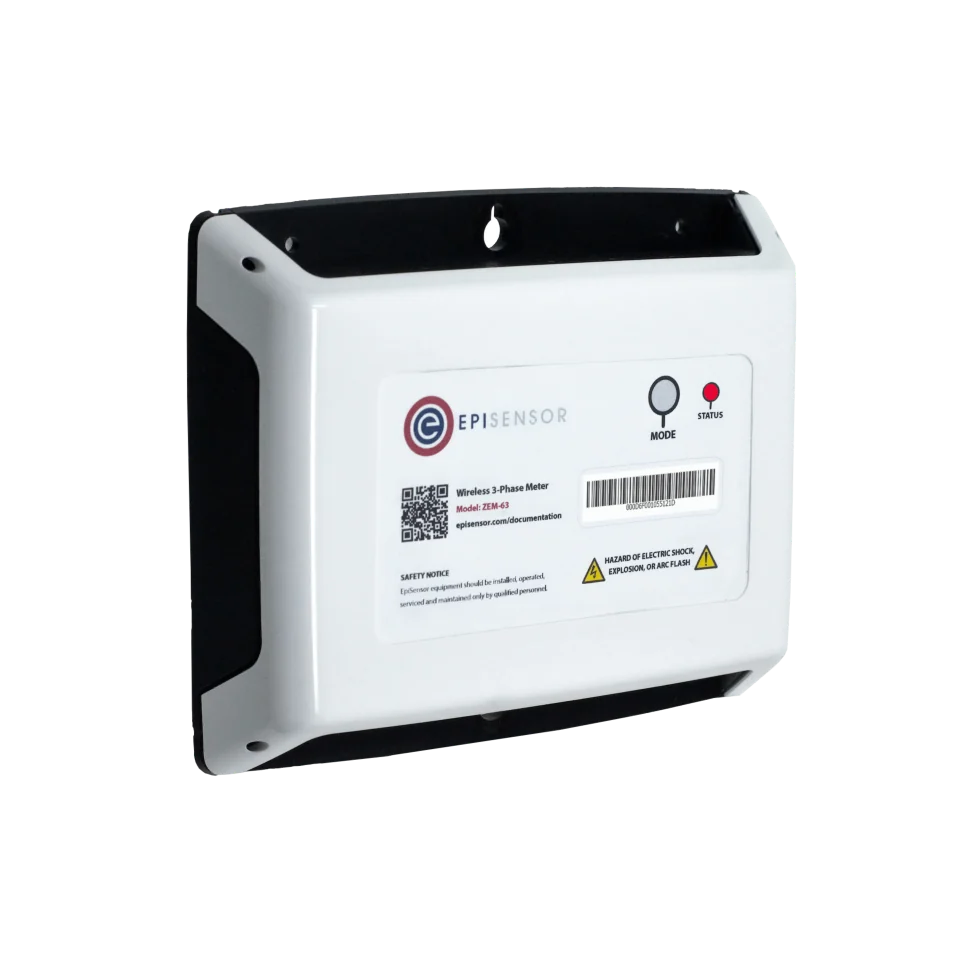
ZEM-65Point of connection
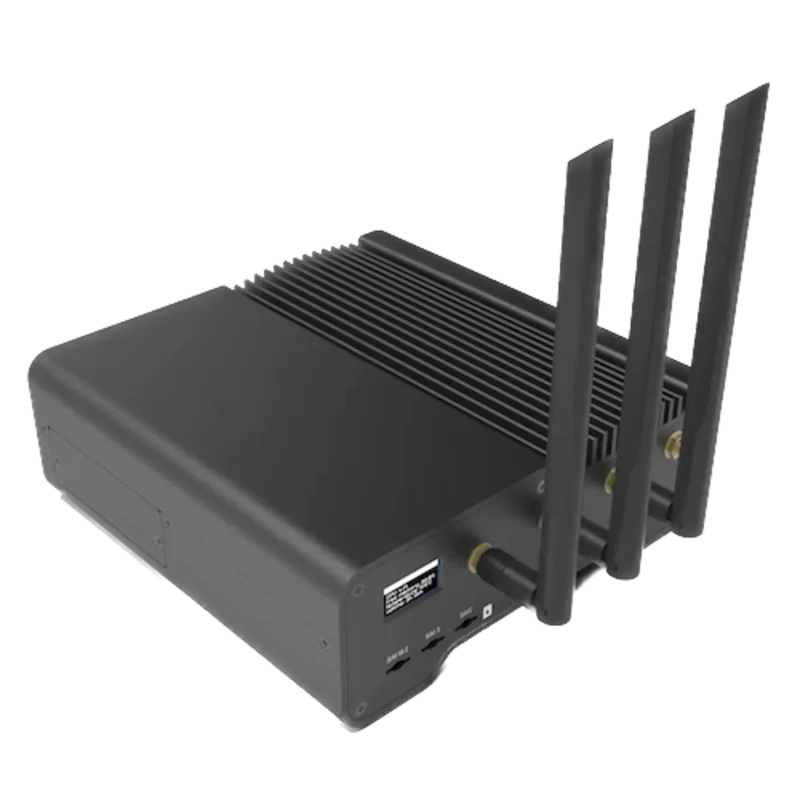
ZGW-20Gateway
EdgeLocal data, rules and records
VPP / DR platformPortfolio and dispatch
Responds on site, no platform round trip
Relay
Modbus set point
Voltage + CT inputs
Zigbee mesh
Runs locally
MQTTS / HTTPS
VPP / DR platformPortfolio and dispatch
EdgeLocal data, rules and records
ZGW-20Gateway
ZDR-20/21Responds on site, no platform round trip / Relay
Grid frequency
Standby generator
Flexible load
ZDR-22Modbus set point
Battery / UPS
ZEM-65Voltage + CT inputs
Point of connection
MQTTS / HTTPS
Runs locally
Zigbee mesh
The site layer connects assets to the VPP platform. A command acknowledgement and a measured physical response remain separate records.

Keep site operation local

Configure devices, enforce equipment limits, inspect data and run time-critical rules on the Gateway with Edge.

Gateway running Edge

Connect your portfolio platform

Use a commissioned project integration for telemetry and dispatch. Your platform retains forecasting, portfolio optimisation, bidding, trading, market registration and settlement.

Connecting Edge to your platform

See how the assets work together

Compare battery state of charge with charging, discharging and solar generation. Use the time controls and sensor list to see how the system responds through the day.

Explore data tools in Edge
The complete Edge Data workspace, with navigation, range controls, battery state of charge, battery power, solar generation and the active sensor list.
Battery and solar power over 24 hours in Edge. Positive battery power is discharge; negative power is charging.

Automation on site

Readings, schedules and equipment state trigger actions in Edge. A partner platform can dispatch through a commissioned integration, with permissions, limits, expiry, readback and the offline state agreed for every command.

Automation in Edge
The Edge automation list: four rules with their on and off switches, trigger type, name, action, author, age and when each last fired. Their actions are Send Email, Run on Device and Call Webhook.
Automations in Edge: each runs an action when its trigger fires, on a data limit or on a device that stops reporting. Device commands depend on the connected equipment and project configuration.

Demand response guides

Each guide sets out the measurements, the control interface, the safe states and the commissioning checks for one kind of asset.

All 43 guides

Qualify the whole operating path

A protocol is only the starting point. Test the instruction, transport acknowledgement, equipment state and measured response against the target programme, then record ownership, failure behaviour and support.

Common questions

Which ZDR does my programme need?

Which ZDR does my programme need?

ZDR-20 answers under-frequency through its own relay, rated 4 A at 250 V AC, to drop a load or call a standby generator. ZDR-21 does the same and adds GPS time sync and 20 ms recording around each event, which several programmes ask for as evidence. ZDR-22 follows grid frequency continuously and sends a changing set point to a battery or UPS over Modbus. Every model meters its supply to Class 0.5S.

How fast does the controller respond?

How fast does the controller respond?

The ZDR samples grid frequency at least every 100 ms, at 0.01 Hz resolution, and acts on site, so the response does not wait for a platform message. The time a programme measures also includes the asset's own reaction, so the complete installation is tested against the programme's own procedure.

Do we need a VPP platform to use Edge?

Do we need a VPP platform to use Edge?

No. Edge monitors assets, analyses data and runs local automation without a VPP platform. EpiSensor does not supply market bidding, trading or commercial settlement; connect your chosen VPP, DERMS, aggregator or utility platform when those services are required.

Can we connect our own platform?

Can we connect our own platform?

Yes, through a commissioned project integration. Depending on the agreed design, Edge can expose authenticated data through its API, post selected readings over HTTPS, use an approved MQTTS flow or expose mapped readings to an approved BMS or SCADA client over Modbus TCP. Agree identities, units, timestamps, commands, permissions, retries and receiver-side checks before rollout.

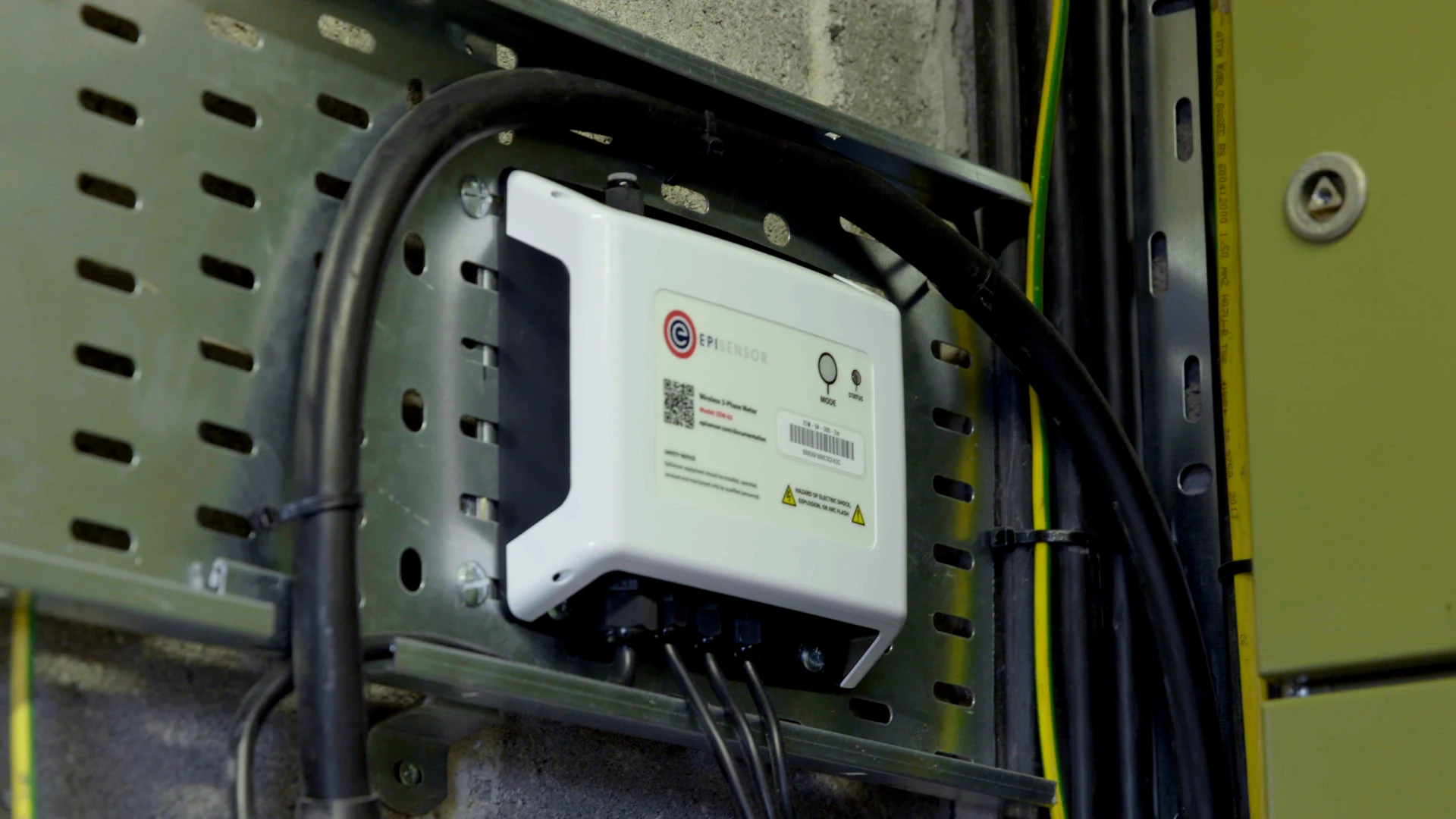
A ZEM electricity monitor fixed to cable tray, with its current sensor leads running down to the supply cables.

Build the site layer for your VPP

Tell us which assets your platform needs to monitor or control, the programme requirements and the interface you expect. We will define and test the site operating contract with you.