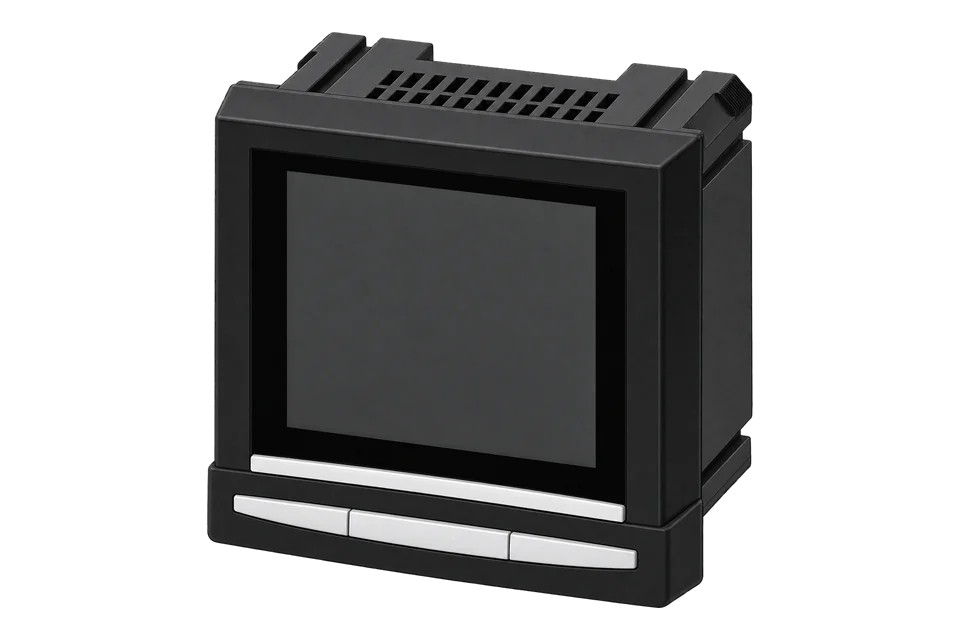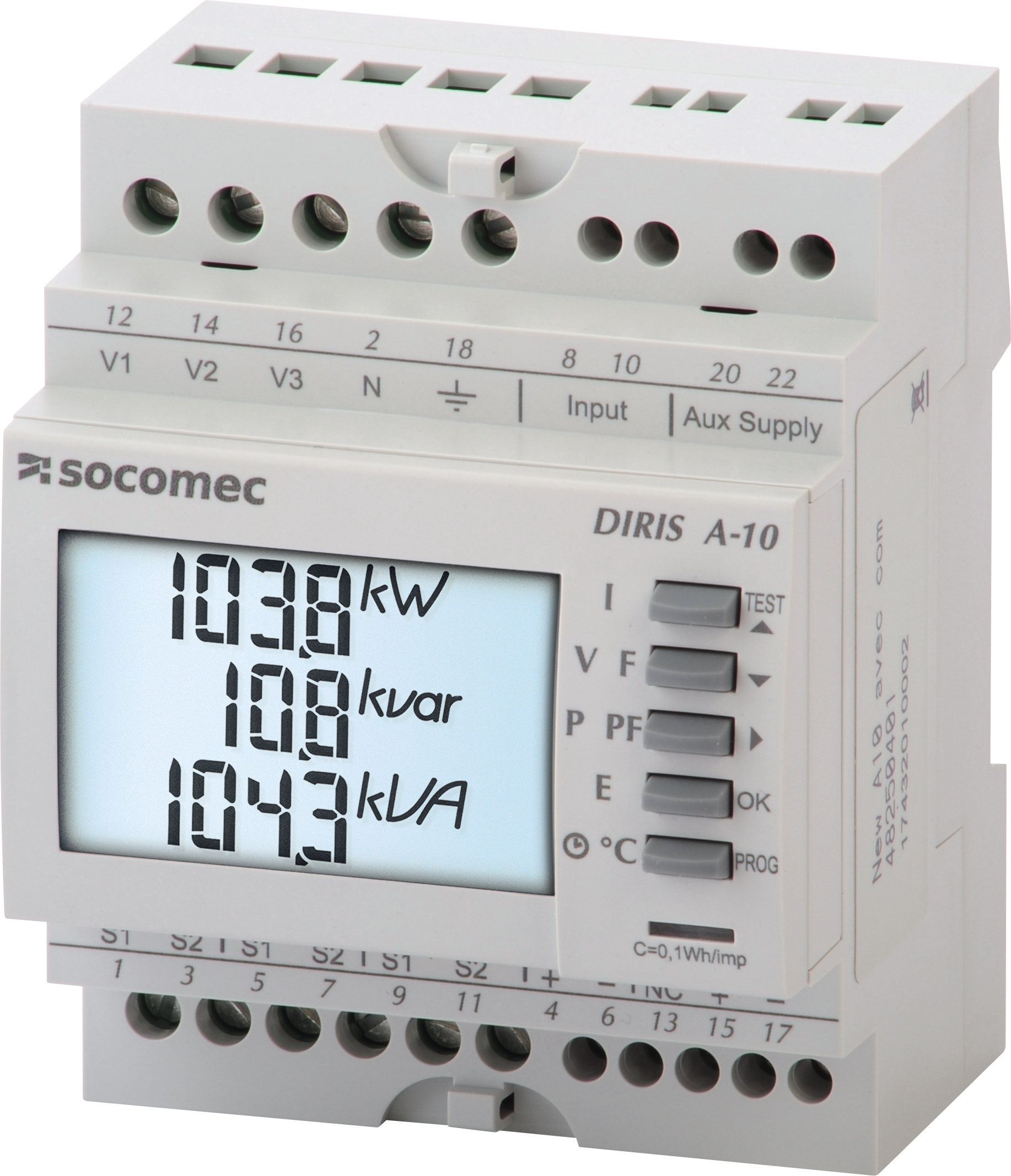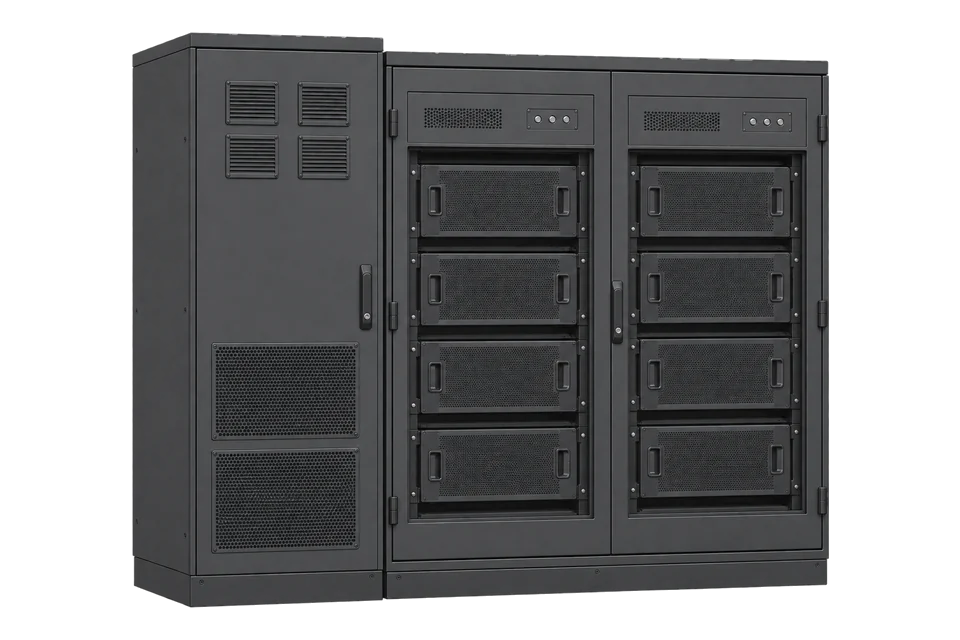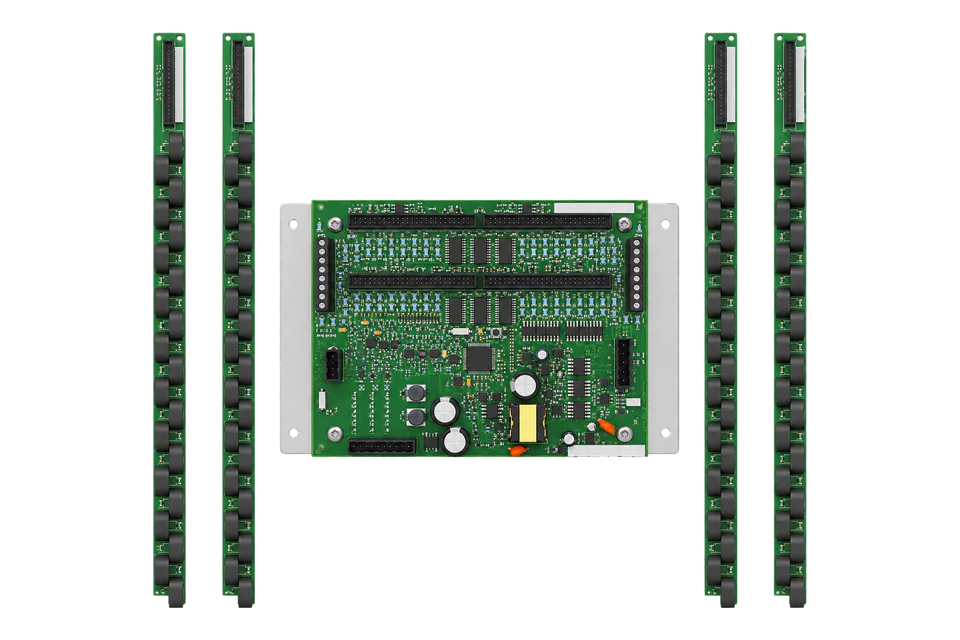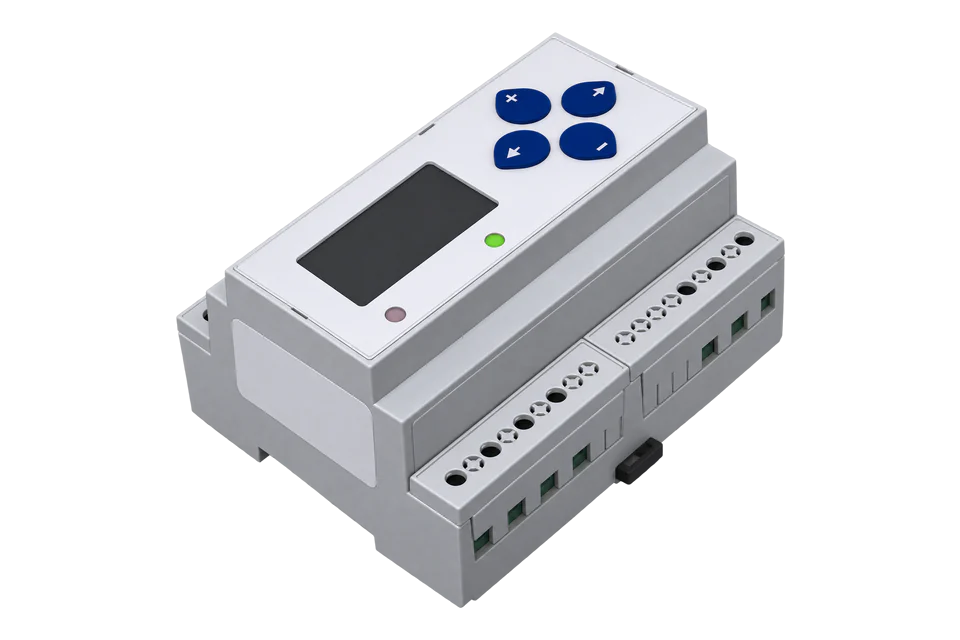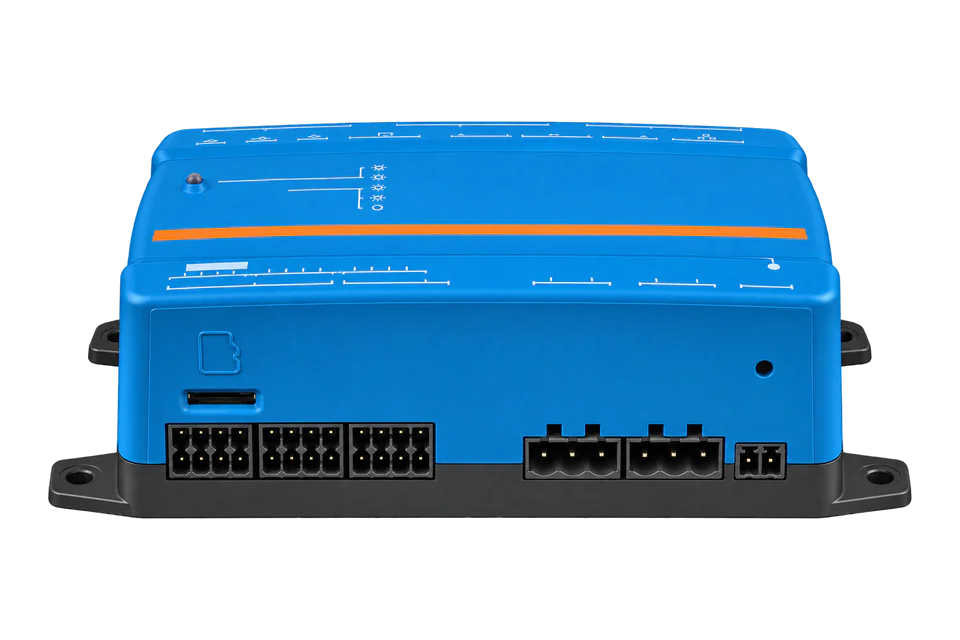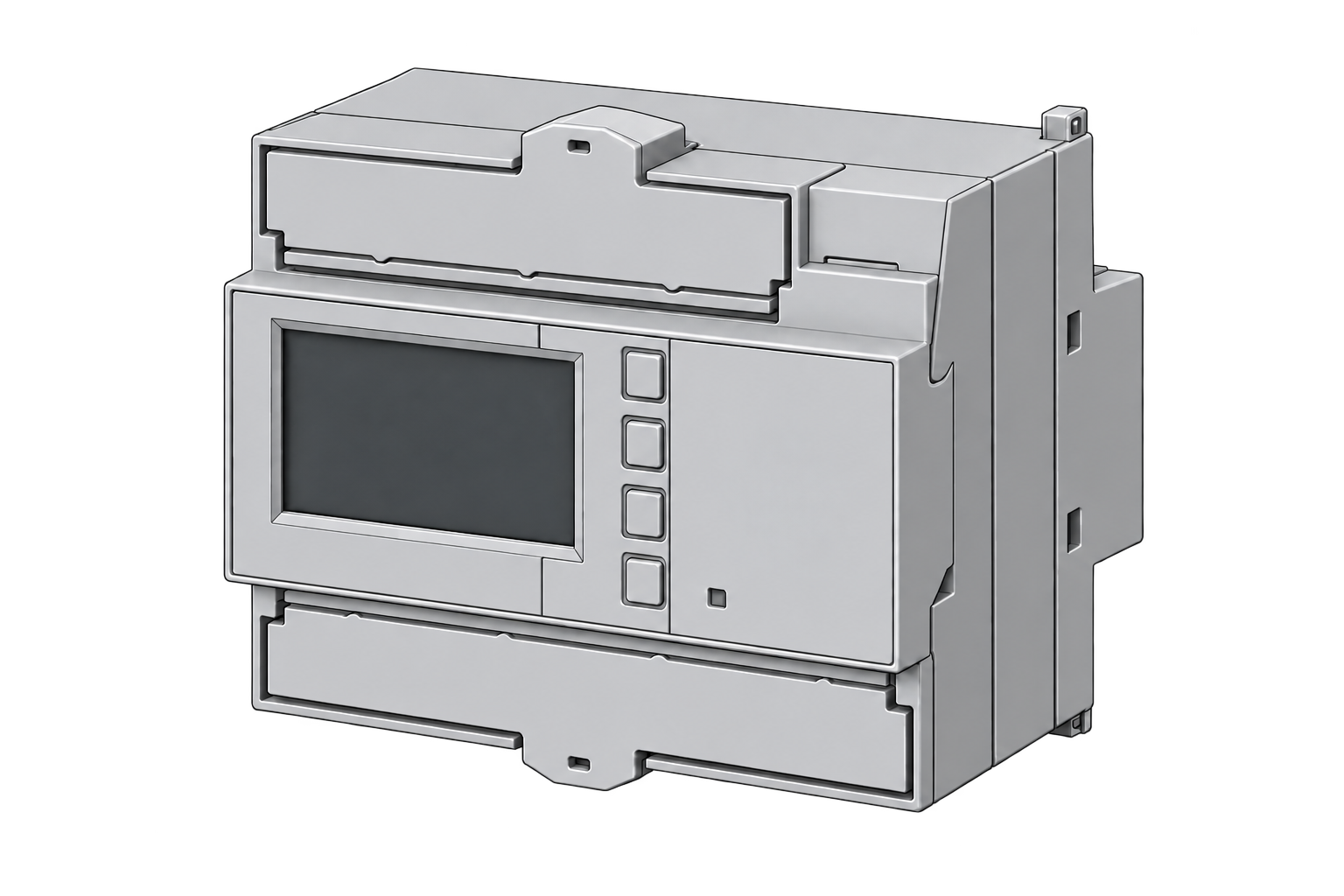
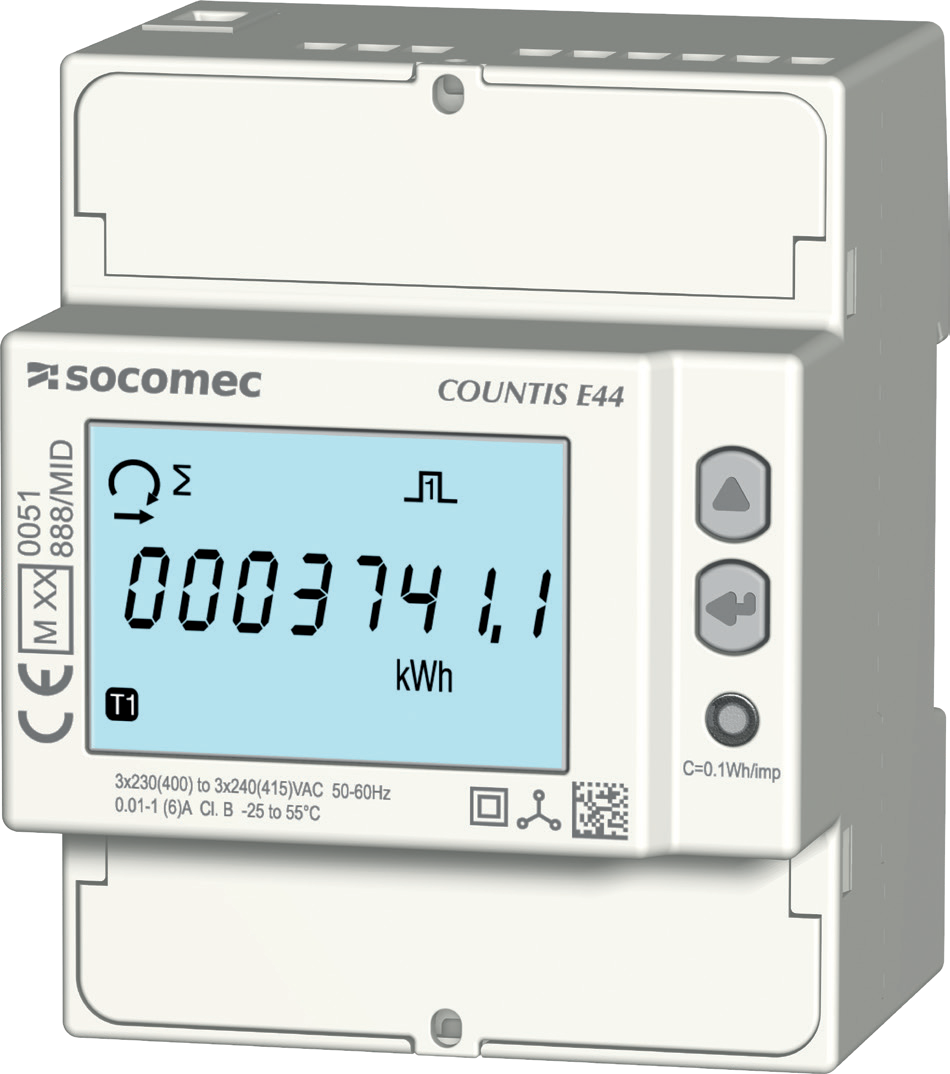
Socomec COUNTIS E44
Four-module three-phase MID energy meter for 1 A or 5 A current transformers up to 12000 A, with RS-485 Modbus RTU and a published communication table.
- Energy meters
Meters, sensors and controllers, and how each connects to Edge.
394 device pages · 121 manufacturers with device pages
398 devices
Four-module three-phase MID energy meter for 1 A or 5 A current transformers up to 12000 A, with RS-485 Modbus RTU and a published communication table.
Panel-mounted CT energy metering: identify the 5 A input, auxiliary supply, RS-485 settings and four-tariff functions before integrating an installed meter.
Four-module CT-connected multifunction meter. Reference 48250401 adds an RS-485 Modbus RTU port, and Socomec publishes a decimal register table for it.
Read Socomec DIRIS Digiware I-35 AC through a D-50 or D-70 gateway: identify the load, check current scaling and reject unavailable values.
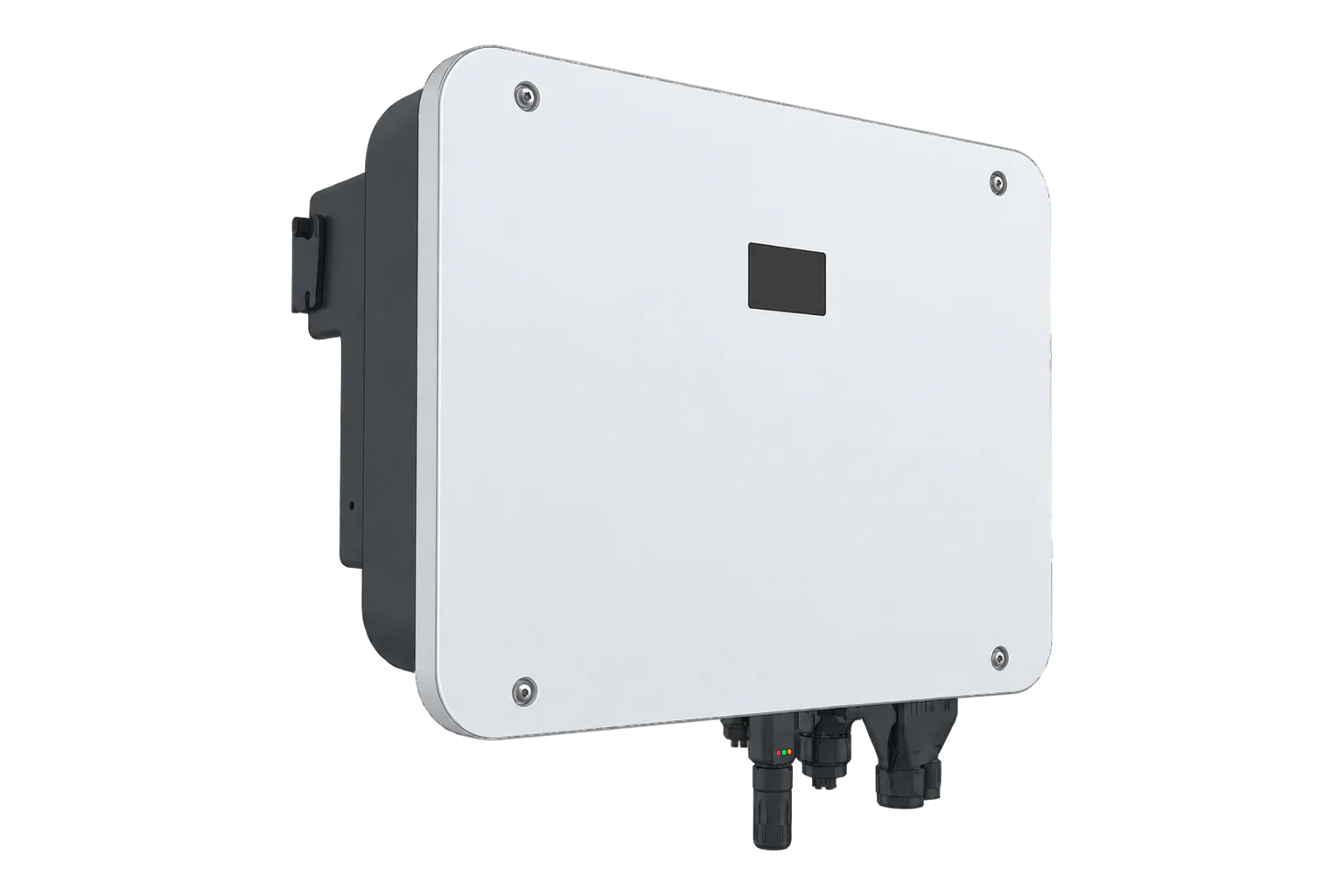
SolarEdge SE66.6K and SE100K are three-phase commercial inverters with modular Synergy technology.
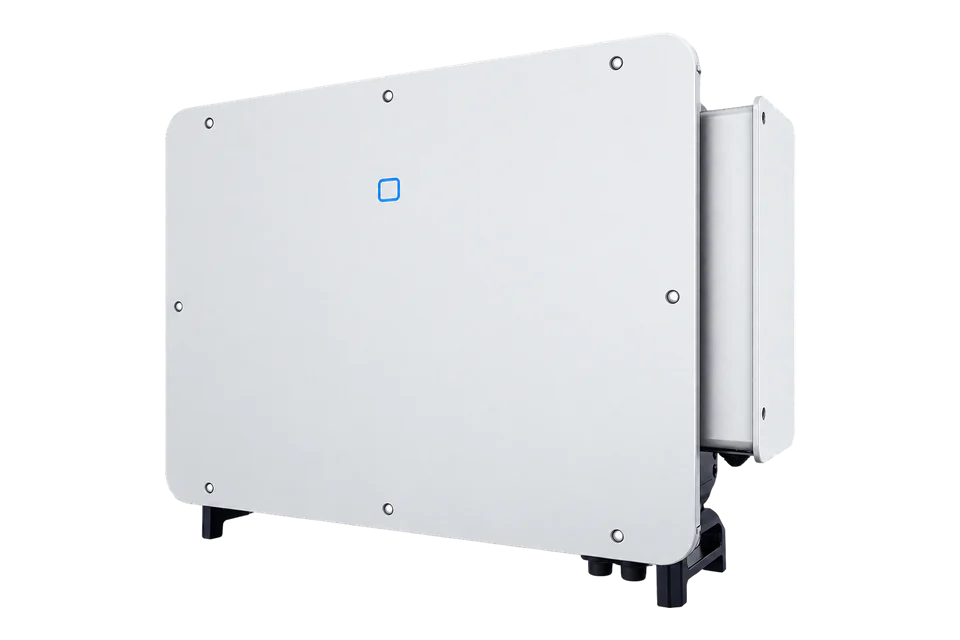
Three European-voltage commercial string inverter ratings with four, five or six MPPTs and separate RS485 inverter-network and meter terminals.
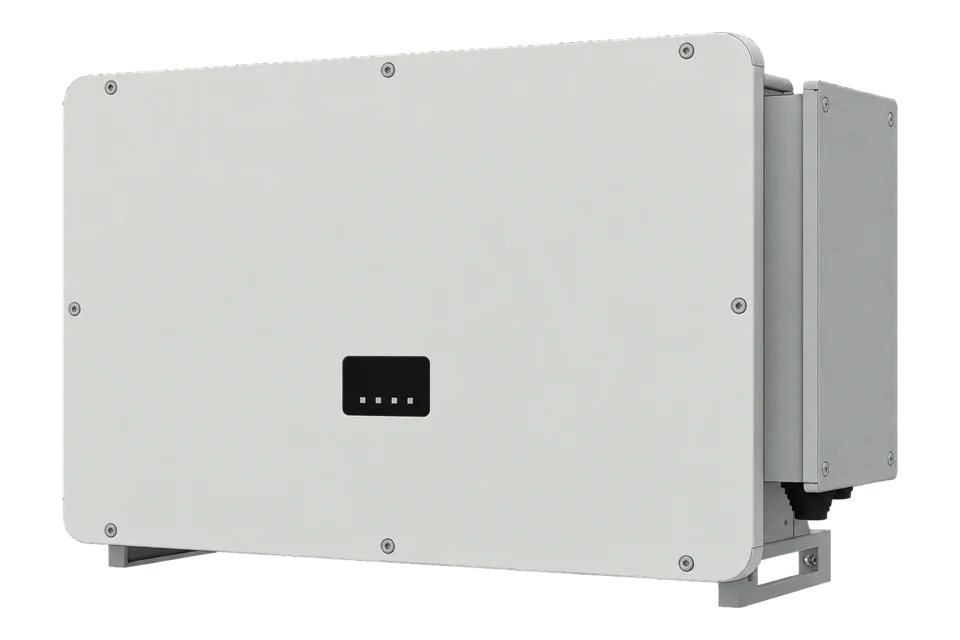
A three-phase commercial string-inverter family from 75 to 125 kW with rating-dependent MPPT configurations.
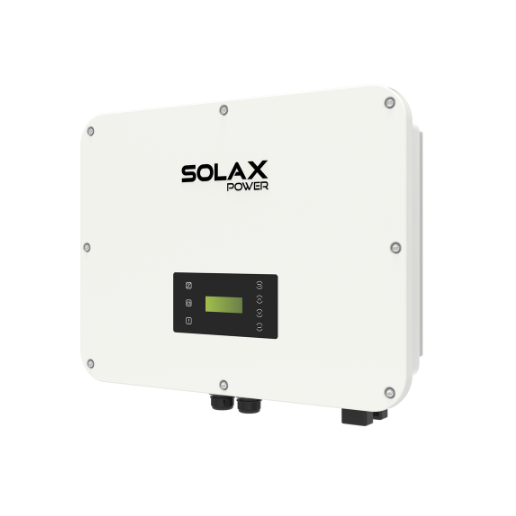
Connect SolaX X3-ULTRA monitoring through its third-party RS-485 pair or a supported Pocket TCP module, with public voltage, frequency, battery and meter registers.
Monitor the European Solis S6-EH3P50K-H through its EMS interface or supported logger, using public Modbus frequency, battery SOC and PV power registers.
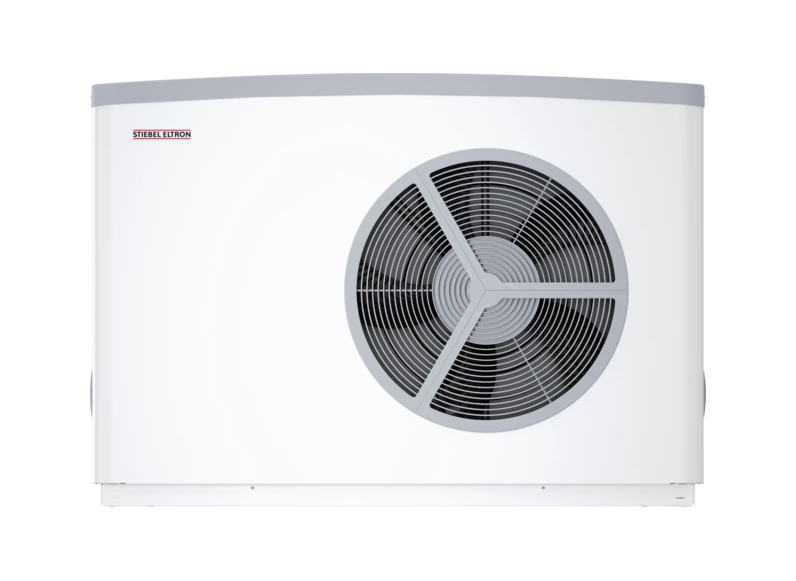
Monitor WPL 25 AC through its WPM and a compatible ISG: Modbus TCP setup, temperature register candidates and independent heat/electricity metering.
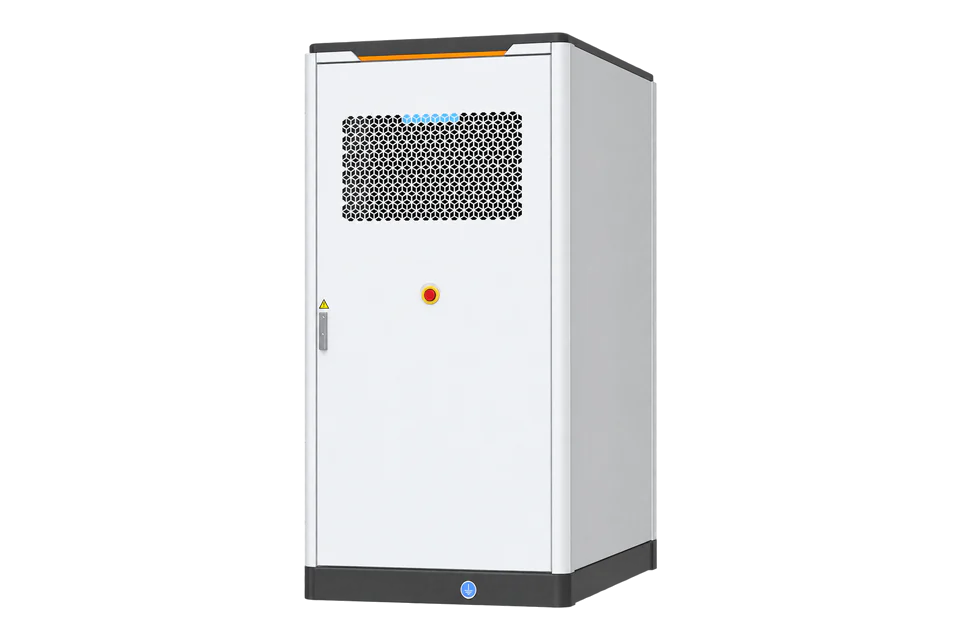
Connect the Sungrow PowerStack 255CS (ST255CS-2H) to Edge over Modbus TCP from its EMS300CP, or measure its 400 V AC feeder with an EpiSensor ZEM-65.
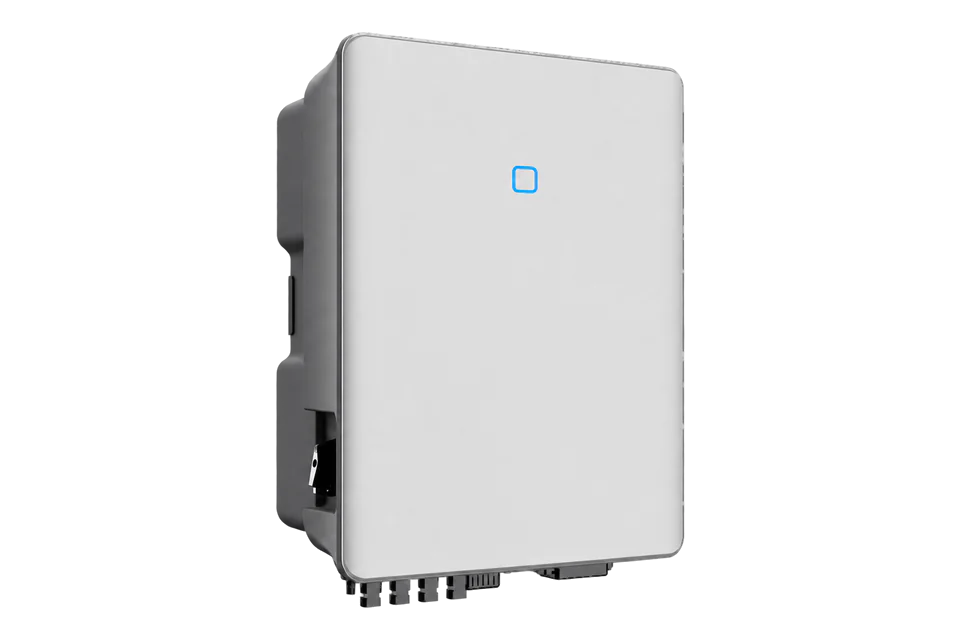
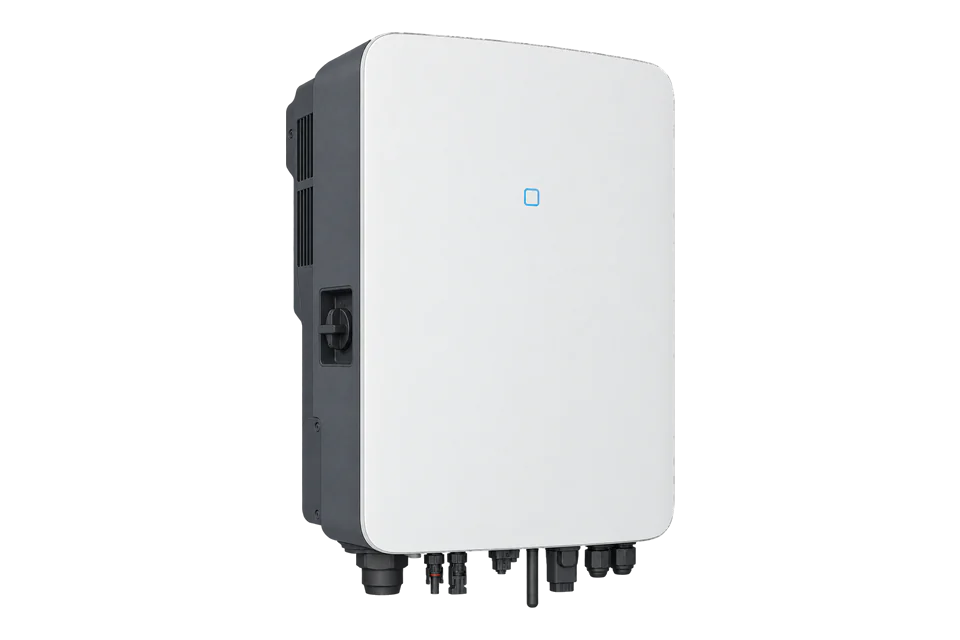
A 15, 17 and 20 kW three-phase PV inverter family with two MPPTs, a COM2 RS-485 daisy-chain connection and separate meter terminals.
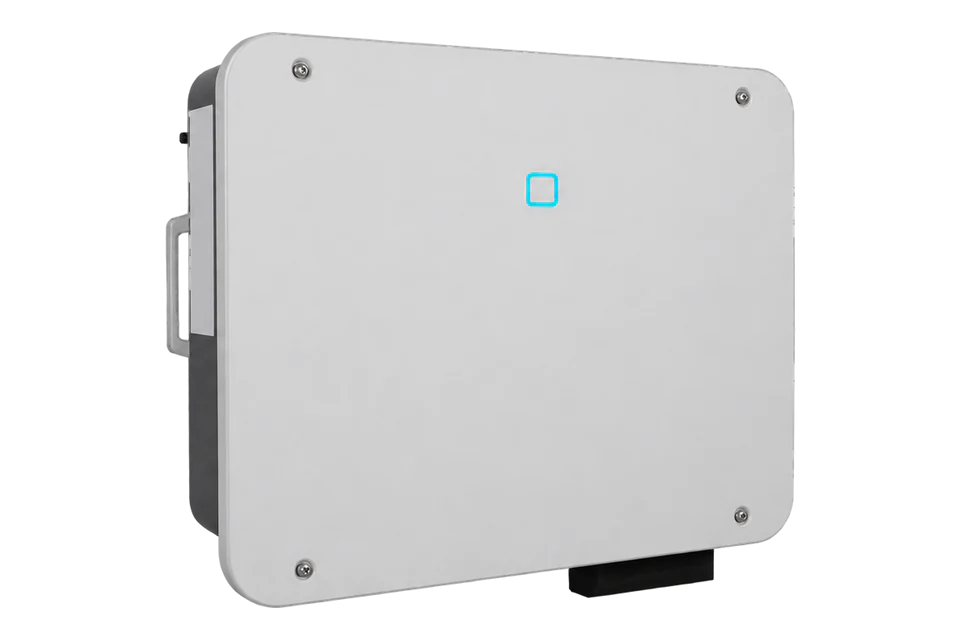
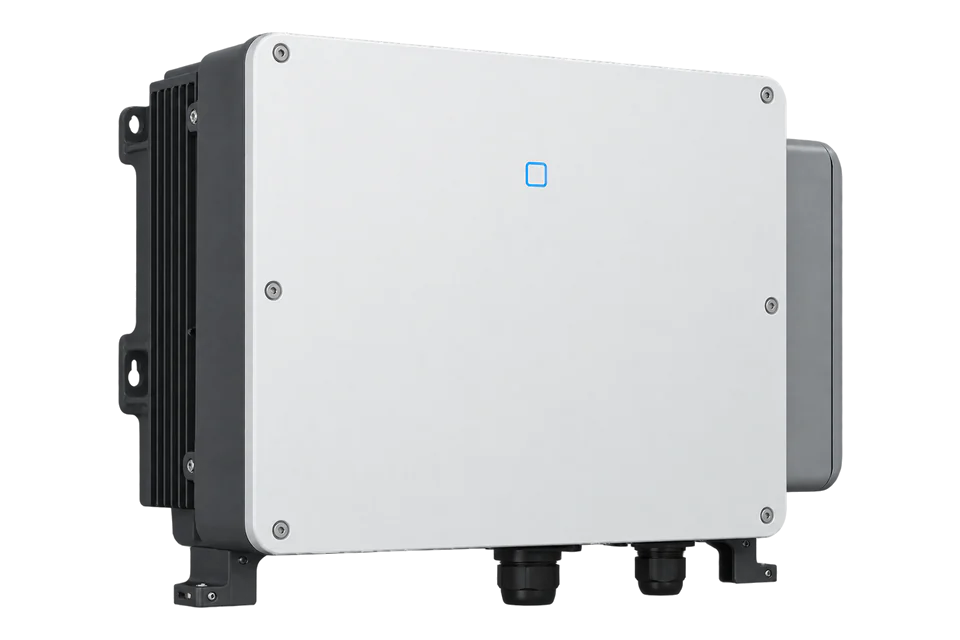
A 25 to 50 kW three-phase PV string inverter family with three or four MPPTs, an RS485 monitoring port on COM2 and an optional WiNet-S module for Ethernet.
The original SG110CX has nine MPPTs and two strings per MPPT.
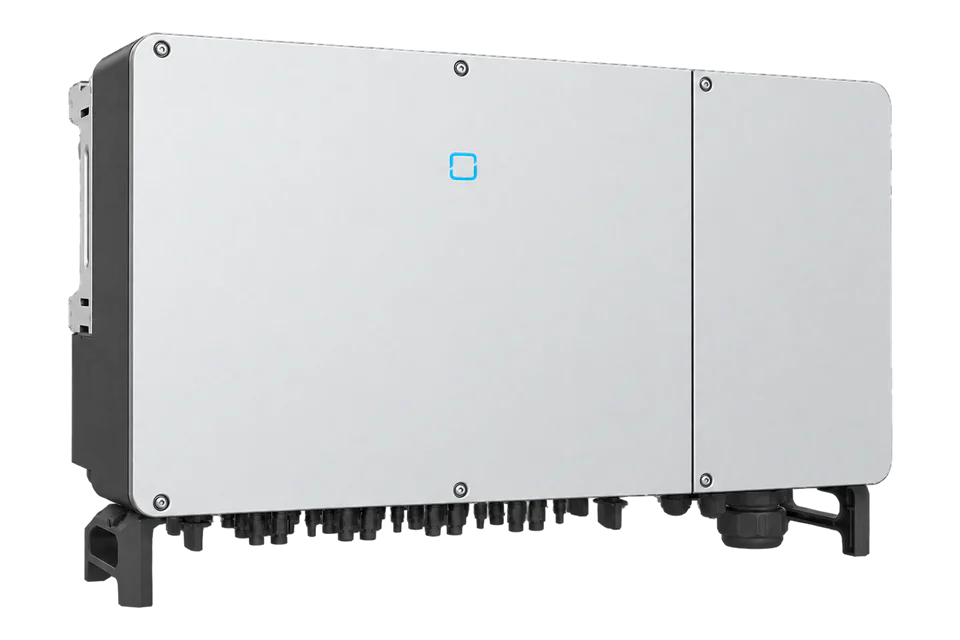
A 125 kW three-phase string inverter with twelve MPPTs and a documented RS485_1 monitoring interface.
A 150 kW three-phase string inverter with seven MPPTs and a documented RS485_1 monitoring terminal.
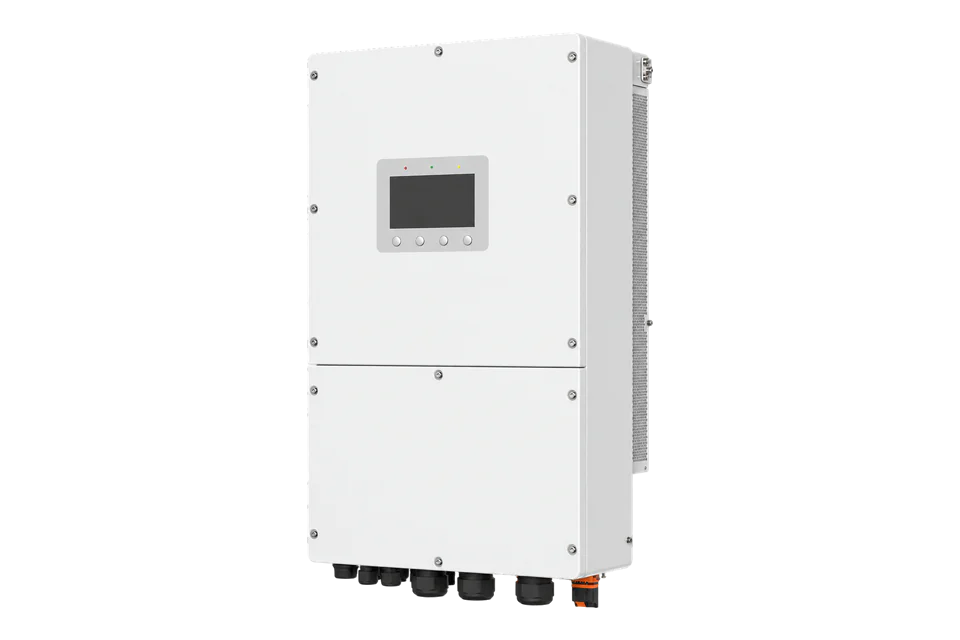
Identify the original SH10RT and read its PV, battery and meter measurements through the documented local Modbus path.
Read Sungrow SH20T identity, battery SOC and active power over WiNet-S2 Modbus TCP, using the published hybrid map and clear meter boundaries.
Read TS-I HV 80 state of charge, battery power, grid and PV power through the TESVOLT Energy Manager's Modbus TCP marketer interface on port 1505.
Panelboard monitoring systems from Veris Industries that measure up to 84 branch circuits and two sets of mains, with Modbus RTU on RS-485: the E30 with solid-core sensor strips and the E31 with split-core CTs.
DIN-rail power and energy meter from Veris Industries for 0.333 V or 1 V CTs, with Modbus RTU on a 2-wire RS-485 port on the E50C2 and the data-logging E50C3.
Read battery, inverter/charger and solar-charger data through the Cerbo GX MK2 local Modbus TCP gateway.
Read MultiPlus-II AC input, AC output, battery and alarm values through the GX device's Modbus TCP server, using the VE.Bus service unit ID.
Read Quattro AC input, active-source, battery and alarm values through the GX device's Modbus TCP server, including which of the two AC inputs is live.
No devices match your filters
Try a broader model fragment, manufacturer or application.
Built from public Zigbee, LoRaWAN and Modbus device definitions and manufacturer documents, including BACnet/IP guides. Exact manufacturer and model identities are joined; similar names are never assumed to be the same device.
Each device page explains the documented connection to Edge, what the device reports and how to check its setup. An Edge template is offered only where an exact reviewed import is available.
Every page cites its sources. Zigbee device photographs come from the Zigbee2MQTT project and are credited under each photograph. We never run code from these sources, and register maps are for reading: never write to a meter from a map on this site.
Tell us the manufacturer and model, and we'll look at its documentation.