Sungrow PowerStack 255CS
Commercial battery energy storage system
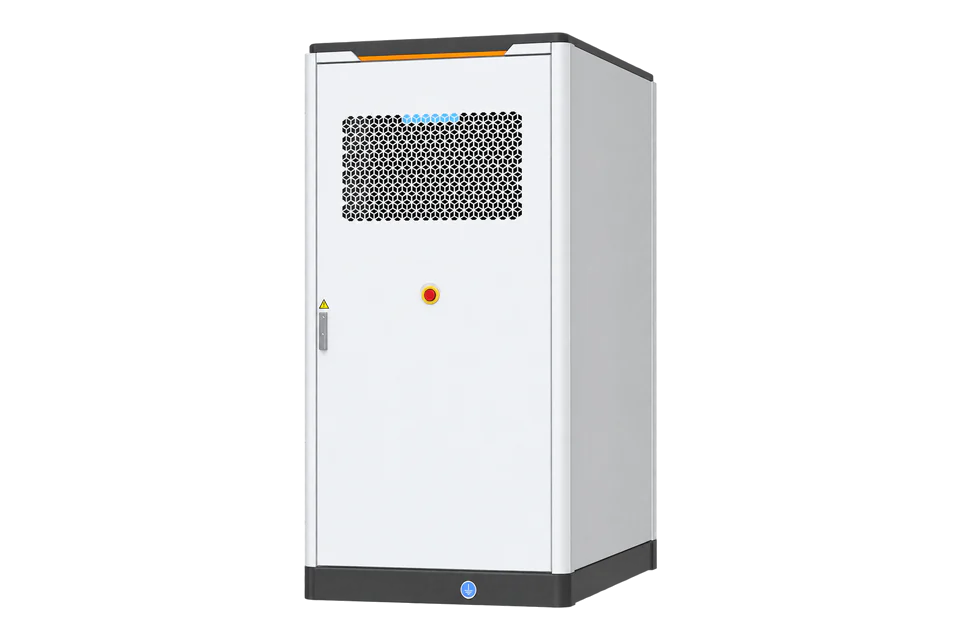
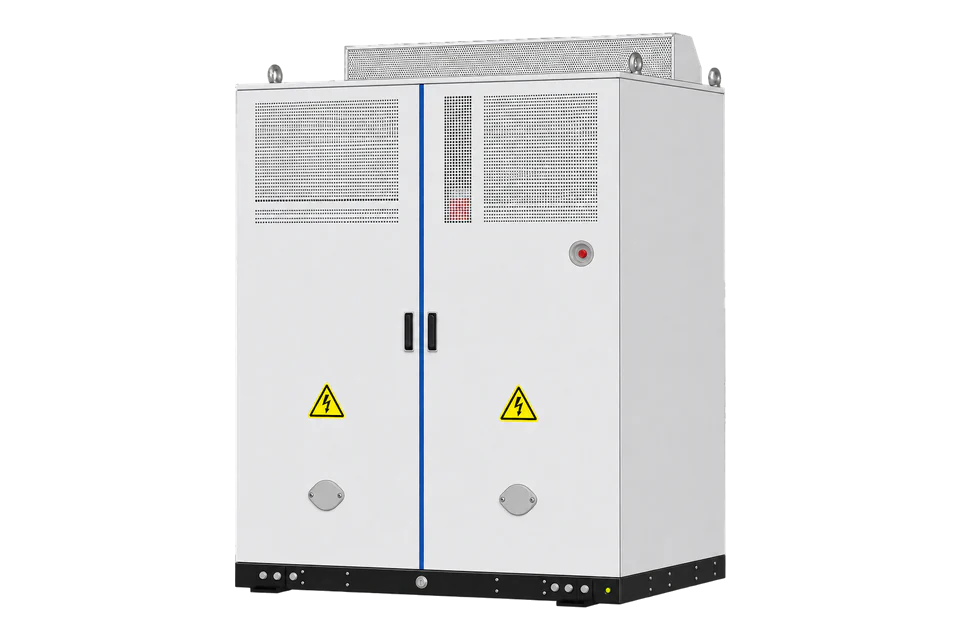
PowerStack 255CS is Sungrow's liquid-cooled C&I cabinet: 257 kWh of LFP and a 125 kW DC/AC converter at 400 V. The datasheet names Ethernet and Modbus TCP; the optional EMS300CP inside the cabinet door is the part that joins the customer network. Edge reads it over Modbus TCP from the project point list, or measures the cabinet's AC feeder with an EpiSensor ZEM-65.
Compatibility
Compatible with EpiSensor Edge over Modbus TCP from the EMS300CP, or through a ZEM-65 on its AC feeder
Sungrow's datasheet names Ethernet and Modbus TCP for the ST255CS-2H, and the user manual has the ESS with an EMS300CP join the customer network through the EMS Ethernet ports. Edge is a Modbus TCP client and reads that interface from the point list Sungrow supplies for the project. Without that list, an EpiSensor ZEM-65 with CTs on the 400 V AC feeder measures the cabinet's charge and discharge at its AC boundary.
ST255CS-2H (IEC) with datasheet Version 2 and user manual ST255CS-2H-UEN-Ver11-202512. Site check: confirm whether the cabinet carries an EMS300CP, obtain the EMS point list for its firmware, and record whether the auxiliary supply is internal or external. Read-only monitoring; no scheduling, power or on/off writes.
Connect it with
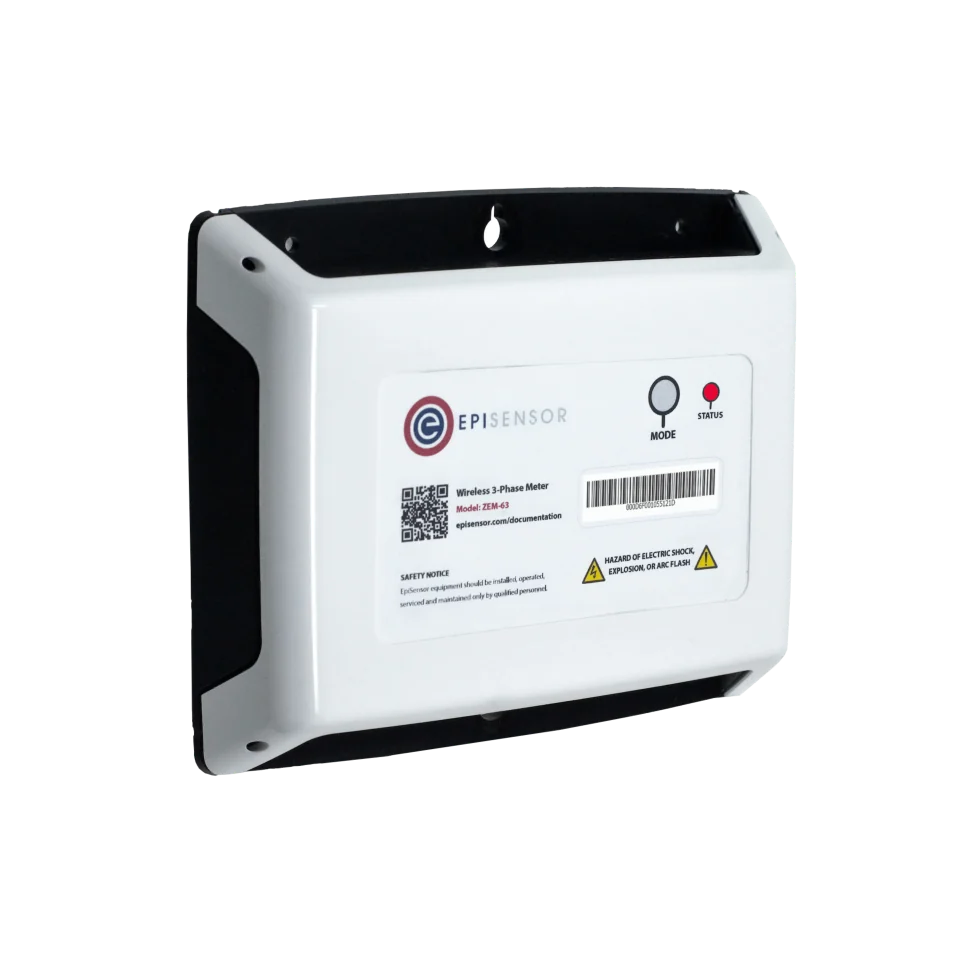
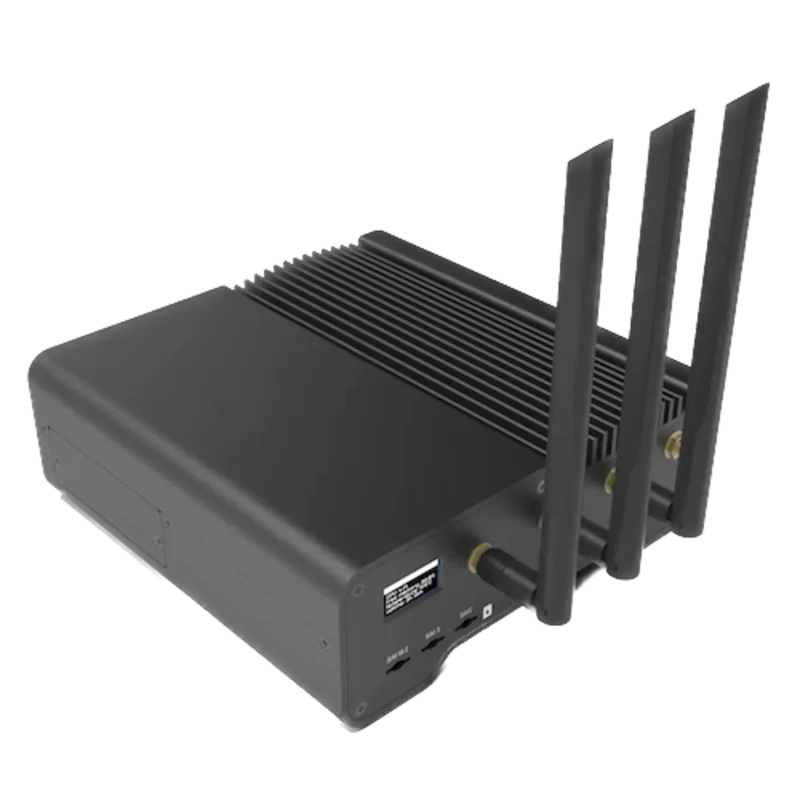
When the cabinet carries an EMS300CP and Sungrow supplies its point list for the installed firmware
- Wired
- Edge
- Platforms
For charge and discharge power and energy at the 400 V AC connection, with or without a point list
- Wired
- Edge
- Platforms
Models
| Models | Interface | Route into Edge |
|---|---|---|
| ST255CS-2H (PowerStack 255CS, IEC) | 257 kWh, 125 kW, 400 V 3P4L; Ethernet and Modbus TCP; optional EMS300CP | Read the EMS300CP over Modbus TCP with the project point list, or meter the AC feeder with a ZEM-65. |
| ST255CS-2H-US | North American variant: 125 kVA at 45 °C, 480 V output, Modbus TCP, with its own datasheet | Use its own documents; do not transfer IEC ratings or wiring. |
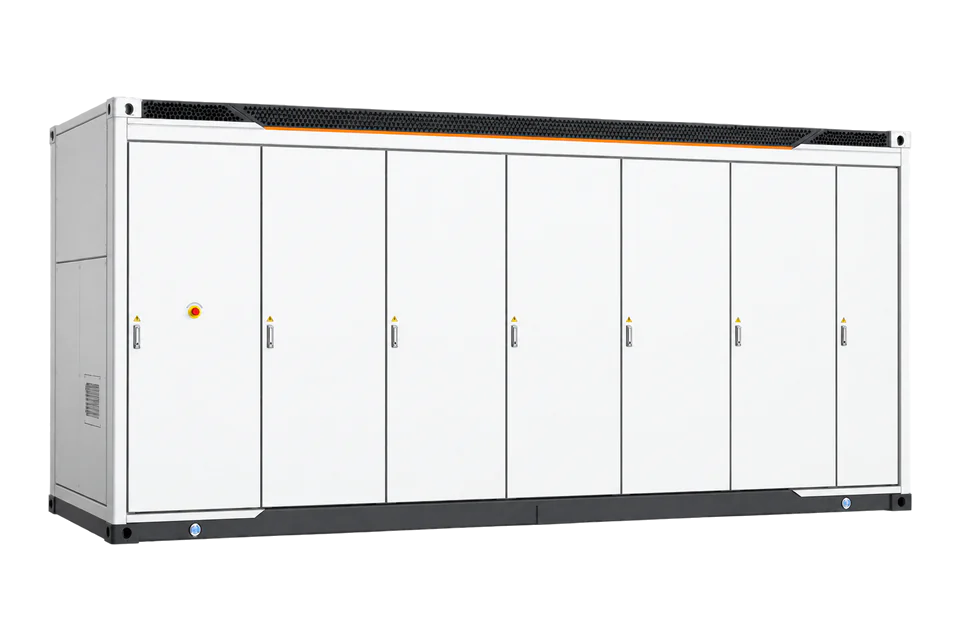
| PowerTitan 2.0 and other Sungrow utility containers | Utility-scale containers with different PCS and EMS | Use their own guides. |
Specifications
The cabinet combines 257 kWh of LFP cells (3.2 V, 314 Ah, 256S1P) with a 125 kW DC/AC power converter on a 400 V three-phase four-wire connection, cooled by liquid. It runs on-grid, off-grid and with automatic switching.12
- Battery
- LFP 3.2 V / 314 Ah, 256S1P, 257 kWh nominal, 691.2 to 934.4 V, 0 to 100 % depth of charge and discharge2
- AC, on-grid
- 125 kW nominal, 400 V 3P4L, 340 to 440 V, 50/60 Hz; power factor 1.0 leading to 1.0 lagging2
- AC, off-grid
- 400 V, 50/60 Hz, 100 % unbalanced load capacity2
- Communication
- Ethernet, Modbus TCP2
- Default IP addresses
- LC-ETH1 192.168.1.100, LC-ETH2 192.168.13.100; EMS ETH1 192.168.13.200, ETH2 192.168.1.200, ETH5 13.13.13.133
- Enclosure and environment
- IP55; anti-corrosion C4 (default) or C5 (optional); -30 to 50 °C, derating above 45 °C; up to 3,000 m; 65 dB or less at 1 m2
- Size and supply
- 1150 x 2450 x 1610 mm, 3200 kg or less; internal auxiliary power supply (default) or external (optional)2
- Standards
- IEC 62619, IEC 63056, IEC 62040, IEC 62477, IEC 61000, IEC 62933, UN 38.32
Interface
Documented measurements and integration boundaries for PowerStack 255CS.
- Sungrow publishes no public point list for the EMS300CP or the cabinet. Identity, operating state, SOC, SOH, AC power, energy and alarms come from the EMS point list for the installed firmware; keep each value's source, sign, unit and timestamp.
- Through a ZEM-65 on the feeder: active power, energy in each direction, and current and voltage per phase at the cabinet's 400 V AC terminals. Record whether the auxiliary supply is internal (the default) or external, because that changes what the feeder carries.
- The EMS300CP needs a gateway meter, an overload monitoring meter and an electricity meter for some functions. Leave those meters in their roles; Edge does not take their bus.
- Third Party Scheduling (Fixed Value) on the EMS300CP web hands control to a northbound controller. Edge does not use it and sends no scheduling, power or on/off command; control needs the site owner's and Sungrow's agreement.
Assessment
ST255CS-2H (IEC), datasheet Version 2 and user manual Ver11-202512. The EMS point list is project-supplied; scheduling and control are outside this scope.
- InteroperabilityLimited
- Ethernet and Modbus TCP are named and the EMS network ports are documented, but the register map is not public.23
- AccuracyNot yet assessed
- The readable point set, units, signs and update rates are not in the public documents; they come from the EMS point list.23
- SecurityNot yet assessed
- The manual documents ports and default addresses but not authentication or read-only access for a Modbus TCP client.3
- ReliabilityLimited
- Operating limits and three-level overcurrent and fire protection are published; client timeouts, stale-data behaviour and concurrent-client limits are not.2
- RuggednessSupported with conditions
- IP55, C4 or C5 corrosion protection, -30 to 50 °C with derating above 45 °C and 3,000 m are published.2
Setup
-
Identify the cabinets
Record the model and serial from each nameplate, the number of cabinets, which one carries the EMS300CP (the product label says), and the EMS and local controller firmware. The manual's technical data is for reference; the nameplate governs.
-
Choose the route
With an EMS300CP and its point list, read it over Modbus TCP. Without them, or for an independent check, fit a ZEM-65 on the cabinet's AC feeder. 125 kW at 400 V is about 180 A per phase at unity power factor; size the CTs for the feeder.
-
Connect to the EMS network
The EMS300CP's ETH1 and ETH2 exchange data with a background master through a router or switch. Give it a site address in place of the defaults, put the Gateway on the same protected network and allow only the Gateway to reach the Modbus TCP port.
-
Start with a small read set
From the EMS point list, read identity, operating state, SOC and AC power first. Compare them with the EMS300CP local web and with a connection-point meter during a known charge and a known discharge, then add energy and alarms.
-
Leave scheduling alone
Do not change Scheduling Mode on the EMS300CP web; Third Party Scheduling (Fixed Value) is for a northbound controller. Record failed reads as unavailable, not zero.
Common questions
- Is the Modbus point list public?
- No public list was found for the EMS300CP or the cabinet. Ask Sungrow or the commissioning provider for the point list that matches the installed EMS firmware.23
- Can an EpiSensor ZEM-65 measure the cabinet?
- Yes. The cabinet connects at 400 V three-phase four-wire, within the ZEM-65's supply range, so CTs on the feeder give power and energy in both directions at the AC boundary. That includes conversion losses, and the auxiliary load when the internal supply is used.2
- What does Third Party Scheduling do?
- It is the EMS300CP mode that lets a northbound controller schedule the cabinet. Monitoring does not need it, and this guide leaves the commissioned mode unchanged.3
Related devices
Sources
- PowerStack 255CS, 125 kW / 257 kWh ST255CS-2H product page (opens in a new tab)
- ST255CS-2H PowerStack liquid cooled C&I energy storage system datasheet, Version 2 (opens in a new tab) (PDF)
- Energy Storage System PowerStack-ST255CS-2H User Manual, ST255CS-2H-UEN-Ver11-202512 (opens in a new tab) (PDF)
- ST255CS-2H-US liquid cooled C&I energy storage system datasheet, Version 1, 2025-04-16 (opens in a new tab) (PDF)
Further reading
- ApplicationBattery demand response
- GuideSungrow PowerTitan 2.0 monitoring
- GuideBESS, BMS, EMS and PCS roles
- ToolBattery autonomy calculator
- ToolModbus register address converter
- ToolModbus data decoder
- ToolRS-485 termination and bias
- ManufacturerSungrow devices
- ProtocolModbus devices and register maps
- CategoryBattery systems and controls
Product names and trademarks belong to their owners. Publication does not imply endorsement or a commercial relationship.