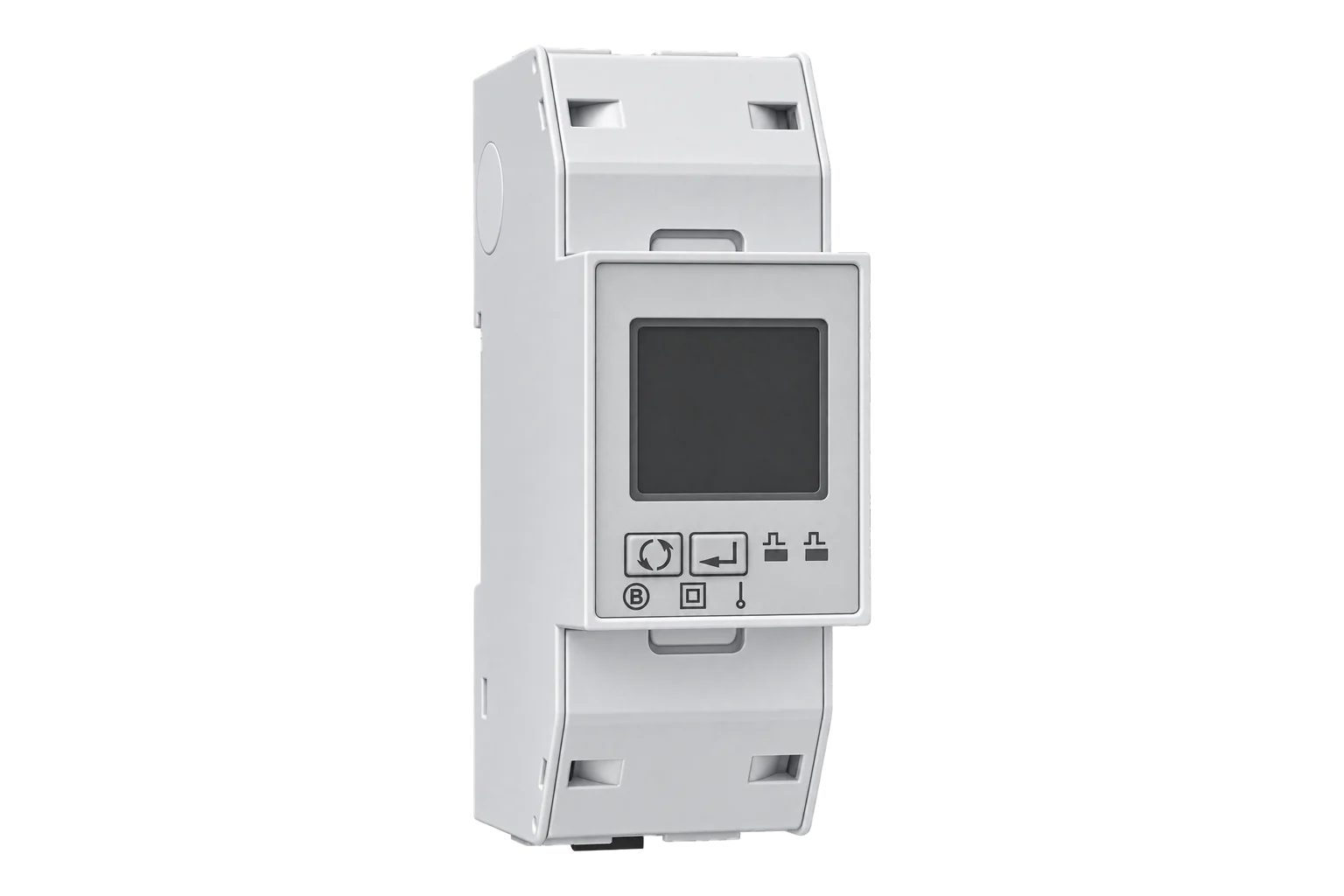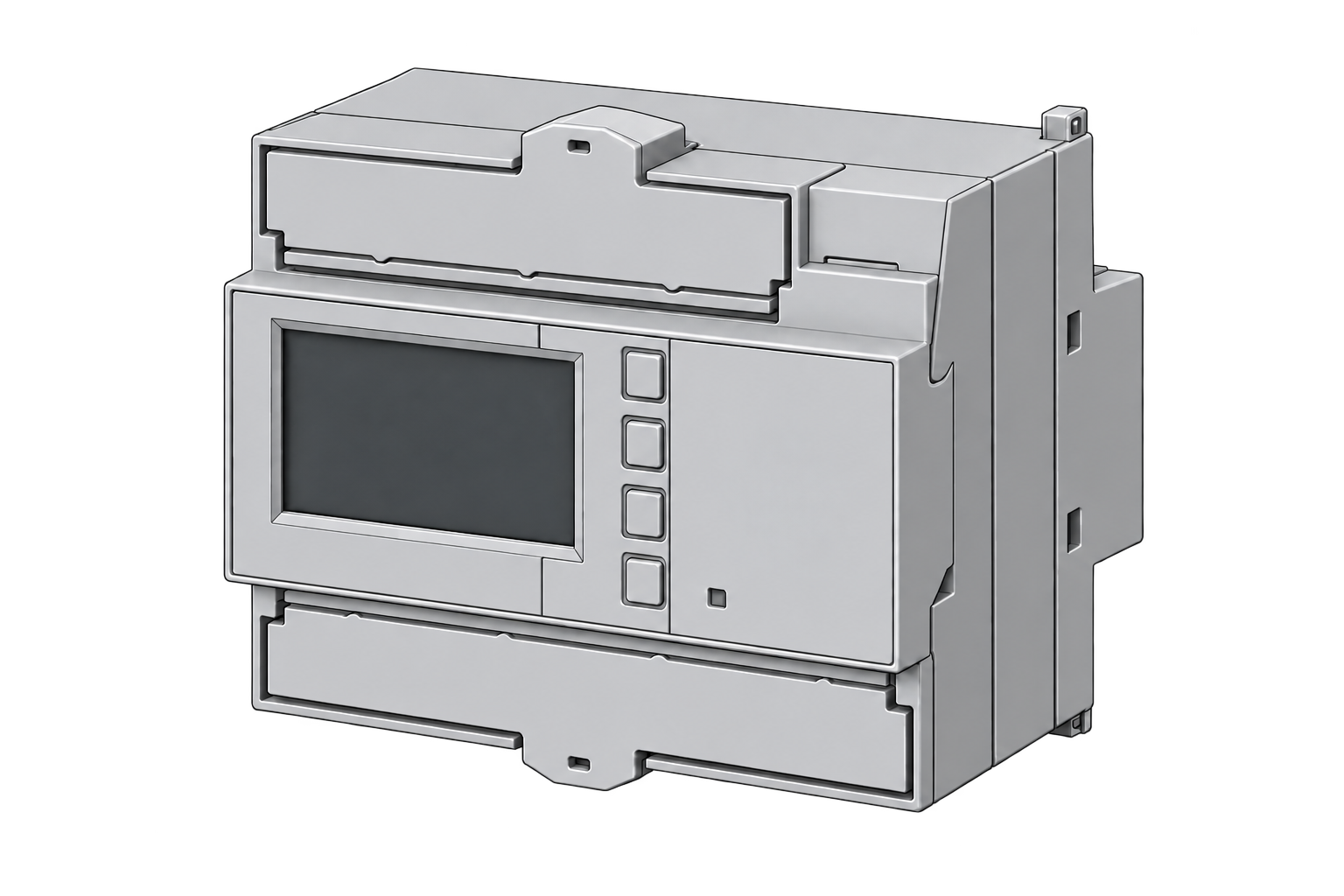
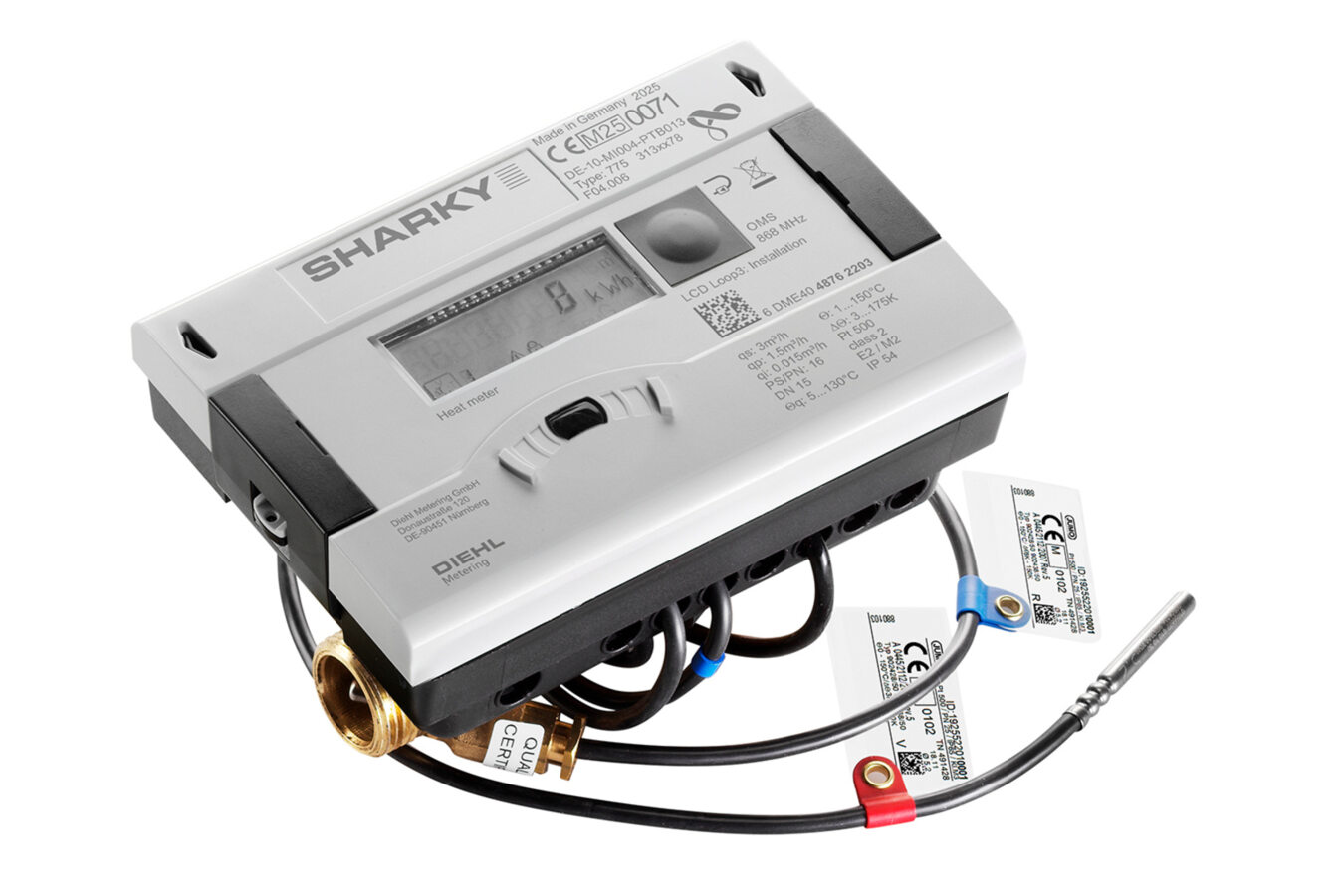
Diehl Metering SHARKY 775 Modbus
Read thermal energy, power, flow and temperature from a SHARKY 775 fitted with Diehl's Modbus RTU module. Includes a documented first energy read.
Meters, sensors and controllers, and how each connects to Edge.
279 device pages · 84 manufacturers with device pages
283 devices
Read thermal energy, power, flow and temperature from a SHARKY 775 fitted with Diehl's Modbus RTU module. Includes a documented first energy read.
SDM230-Modbus is a two-module, single-phase meter for direct connection up to 100 A. Read import and export energy separately, match the installed serial settings and decode complete float32 register pairs.
Direct-connected three-phase meter up to 100 A with an RS-485 Modbus RTU port. Edge reads it through a Modbus interface or the Gateway’s serial port.
A direct-connected 100 A energy meter with native Ethernet. Set its network address, read complete float measurements and compare them with the display.
A DIN-rail energy meter for external 1 A or 5 A current transformers. Configure the CT secondary and ratio on the meter, then read complete float32 measurements over RS-485 Modbus RTU.
PVS-100/120-TL is a 100 or 120 kW three-phase string inverter with two- and six-MPPT variants.
Compare Fronius Smart Meter TS 100A-1, TS 65A-3 and TS 5kA-3 for import/export monitoring, with their current inputs and Modbus interface limits.
Three-phase hybrid inverter with a local Modbus TCP and RTU interface. Read inverter production and a connected Smart Meter through the documented SunSpec models.
Tauro Eco 100-3-D is a 100 kW commercial PV inverter with direct string inputs and one MPP controller.
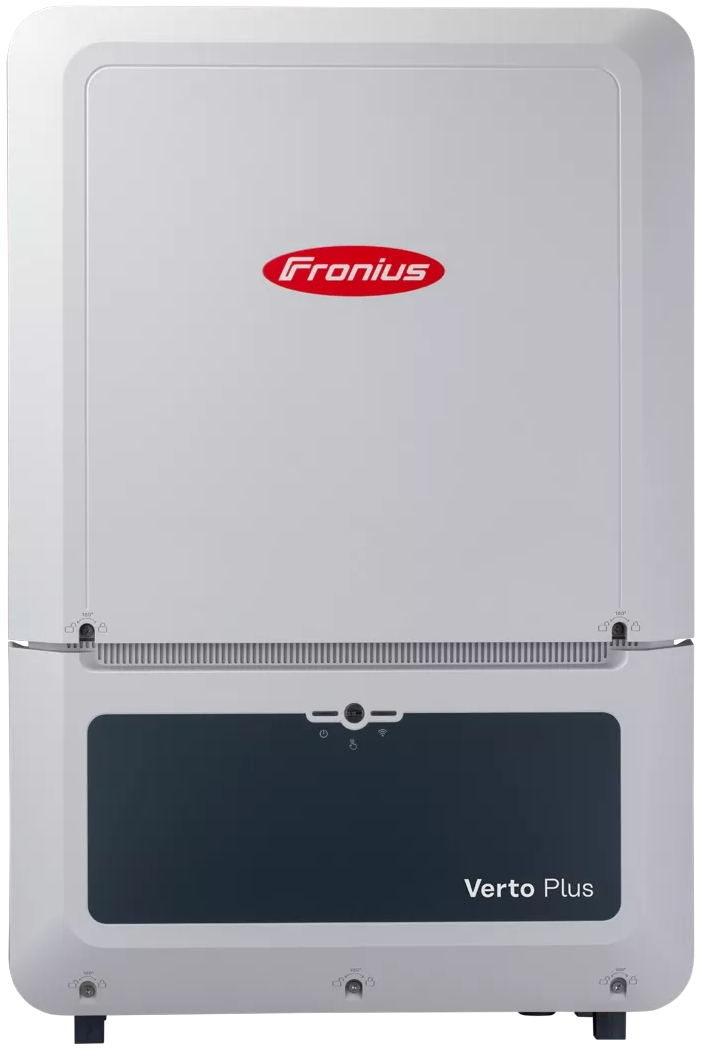
Thirty-kilowatt-class three-phase PV inverter in the Fronius Verto 25.0–33.3 family.
Three-phase commercial hybrid PV inverter family with six 15.0–33.3 kW variants, three MPPTs, high-voltage battery input and configurable local SunSpec Modbus TCP monitoring.
Compare the exact 10 kW ESA G20 inverter’s PV, battery and backup limits and qualify its dedicated EMS interface.
The 10 kW ET G2 combines three PV trackers, a high-voltage battery connection and three-phase backup output. It differs from both the original ET and the low-voltage ET-L family. Its separate meter, battery and EMS connections have different jobs: an RS-485 connector used by the battery or meter is not a spare monitoring port.
A 100 kW three-phase hybrid inverter with eight MPPTs and two high-voltage battery inputs. This guide covers its documented EMS RS-485 monitoring path.
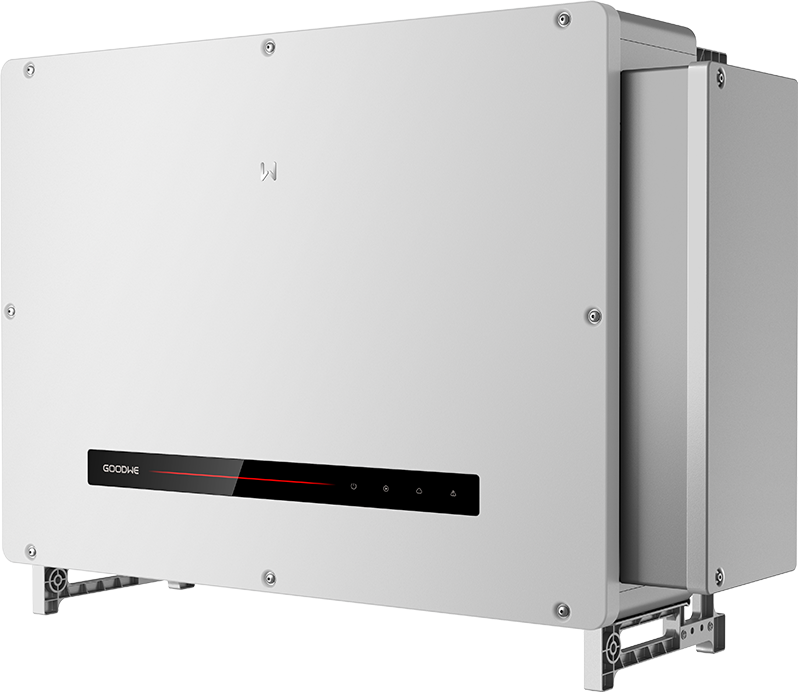
GoodWe HT commercial inverters provide 100, 110 and 120 kW ratings with ten or twelve MPPTs.
Compare the GoodWe SMT 50 and 60 kW EMEA inverters, including -EU grid-code variants, RS485 wiring and monitoring prerequisites.
800 V three-phase utility PV string inverter family with 320/350 kW classes, 1500 V DC input, 12 or 15 MPPTs and RS-485 or AC-cable PLC monitoring topologies.
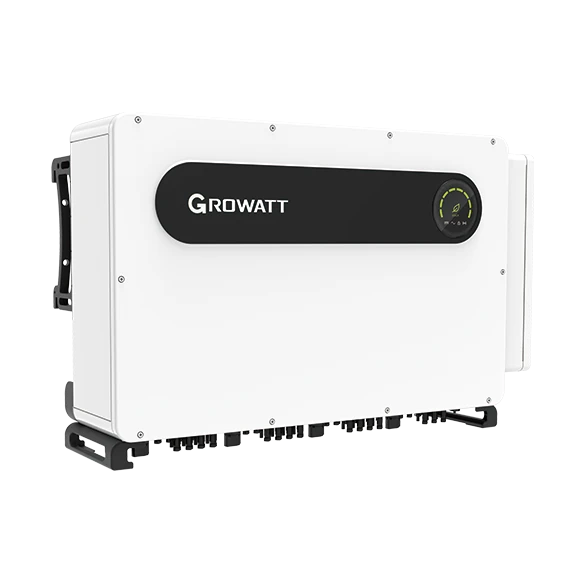
Three-phase 50 to 80 kW PV inverter family at nominal 400 V, with six or seven MPPTs and RS-485 connections for Growatt plant monitoring.
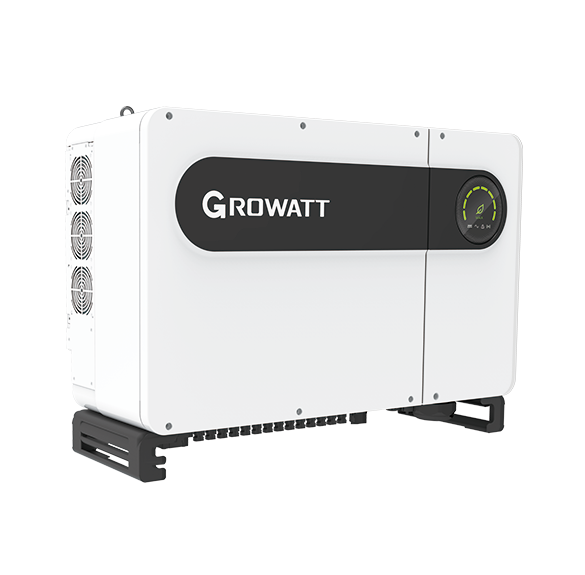
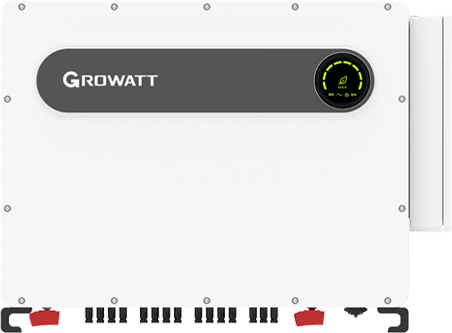
Compare MAX 185, 216, 250 and 253 kW HV inverters by MPPT count, 800 V grid design, RS485 wiring and the evidence needed for external monitoring.
Three 800 V AC, six-MPPT utility PV inverter models with RS485 inverter networking and optional PLC monitoring.
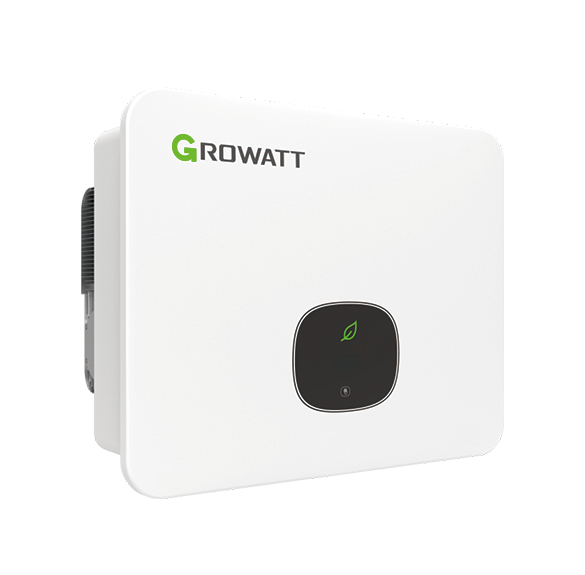
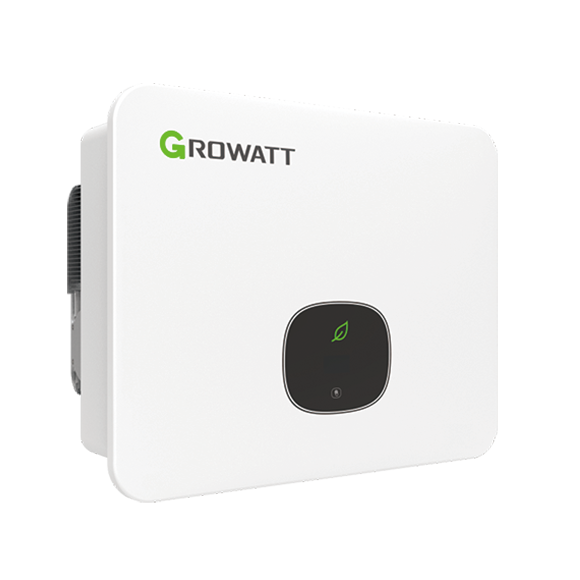
Compare Growatt's two-MPPT MID X and X2 string inverters by exact model, enclosure and monitoring versus meter wiring.
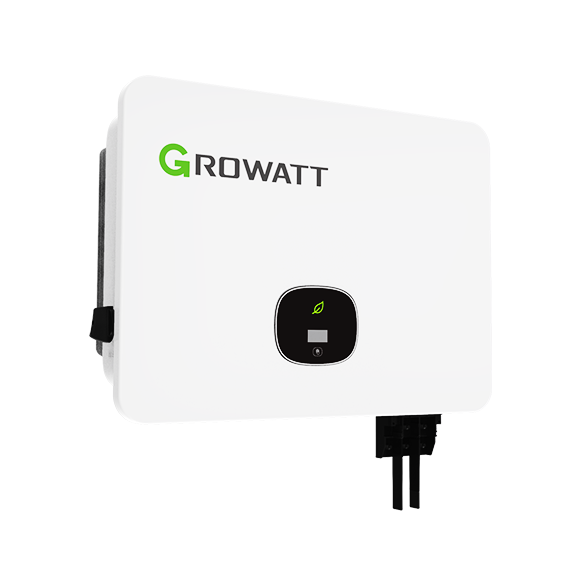
Identify Growatt MID 30–50KTL3-X2 models, MPPT counts and the separate monitoring, meter and logger interfaces before planning PV monitoring.
Three-phase 36 to 60 kW PV inverter family with four or five MPPTs and separate RS-485 connections for inverter monitoring and a commissioned meter.
Monitor a Hager ECR300C CT-connected three-phase meter through its documented Modbus RTU interface while preserving the separate rules for MID billing data.
No devices match your filters
Try a broader model fragment, manufacturer or application.
Built from public Zigbee, LoRaWAN and Modbus device definitions and manufacturer documents, including BACnet/IP guides. Exact manufacturer and model identities are joined; similar names are never assumed to be the same device.
Each device page explains the documented connection to Edge, what the device reports and how to check its setup. An Edge template is offered only where an exact reviewed import is available.
Every page cites its sources. Zigbee device photographs come from the Zigbee2MQTT project and are credited under each photograph. We never run code from these sources, and register maps are for reading: never write to a meter from a map on this site.
Tell us the manufacturer and model, and we'll look at its documentation.