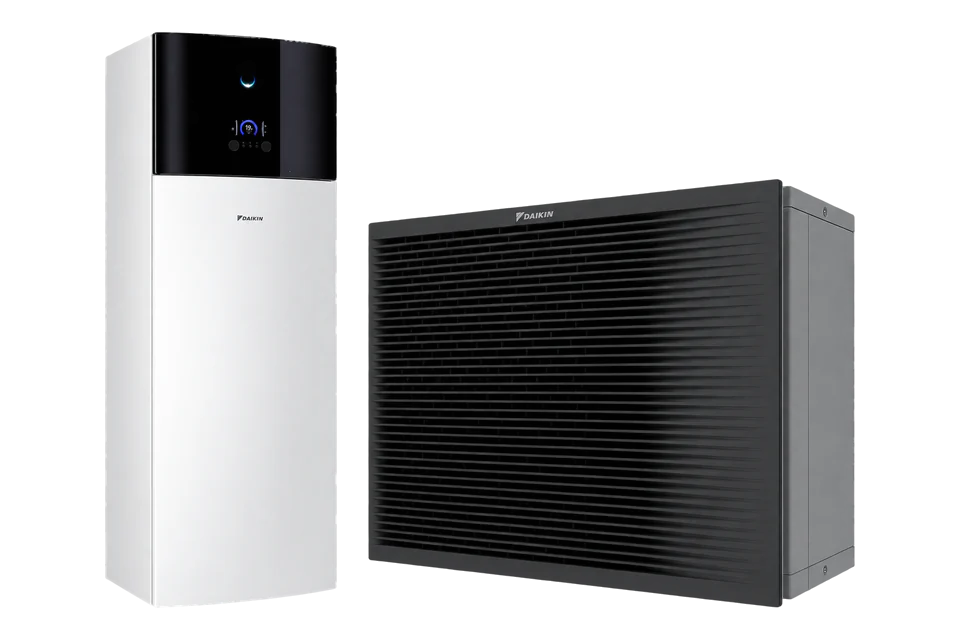
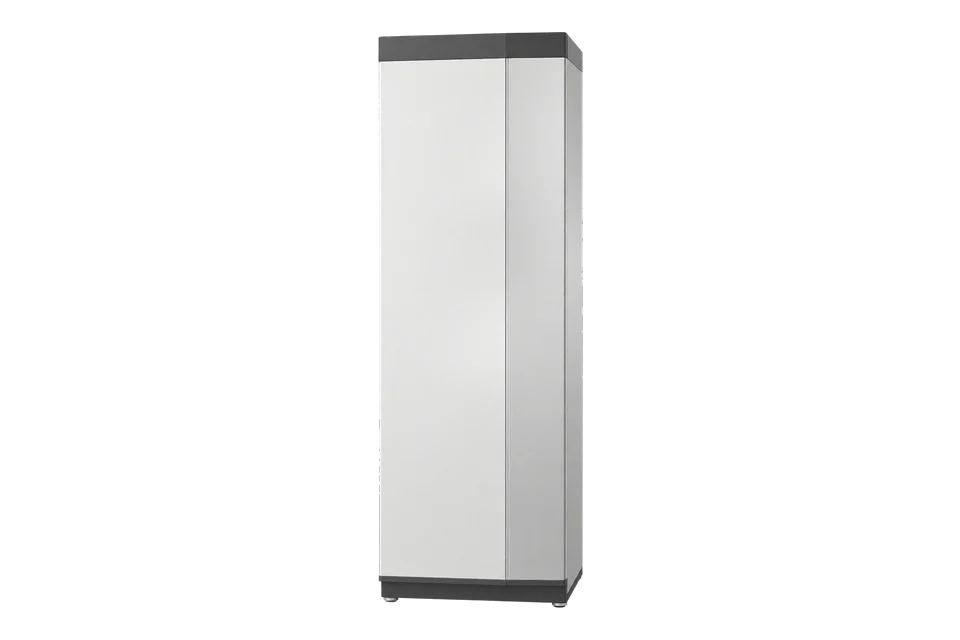
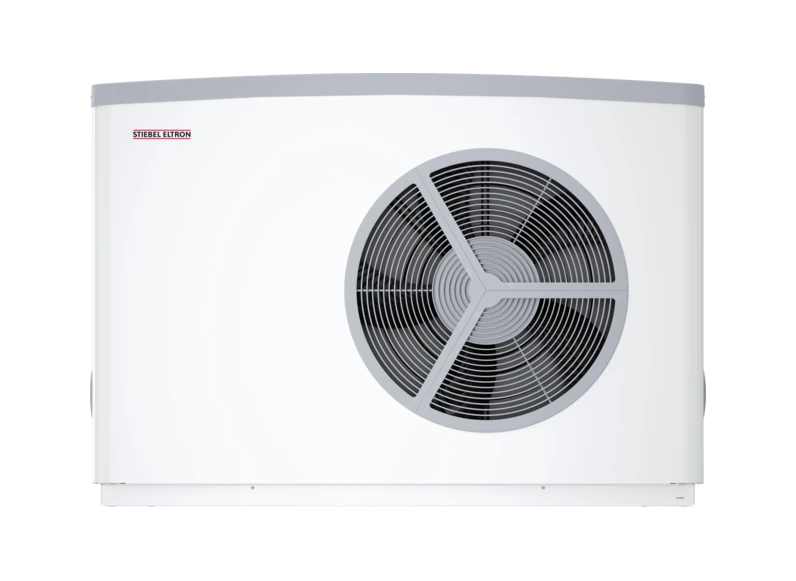
Daikin Altherma 3 H HT ETVH16S18E6V7
Air-to-water heat pump
Daikin's combination table pairs the ETVH16S18E6V7 indoor unit with EPRA14DV37 and lists DCOM-LT/MB as an option. The accessory translates a compatible Altherma controller's P1P2 connection into Modbus RTU. Use its input registers for read-only operating telemetry, and independent heat and electricity meters for measured performance.
- Modbus RTU
Air-to-water heat pump
Compatibility
Compatible for read-only monitoring through DCOM-LT/MB
Daikin's ETVH16-E7 combination table lists EPRA14DV37 and DCOM-LT/MB for this exact indoor variant. Daikin's DCOM-LT/MB manual documents the P1P2-to-Modbus RTU interface and its read-only input-register map.
Confirm the ETVH16S18E6V7 and EPRA14DV37 nameplates, compatible Altherma LT master controller, fitted DCOM-LT/MB, P1P2 ownership, DCOM operating mode and available inputs. Do not substitute the older non-E7 ETVH16UE6V or assume a Daikin HomeHub EKRHH configuration shares this register map.
Connect it with
-
Modbus Interface ZMB-3XFrom €399 ex VAT Configure Modbus Interface
-
Gateway ZGW-20From €899 ex VAT Configure Gateway
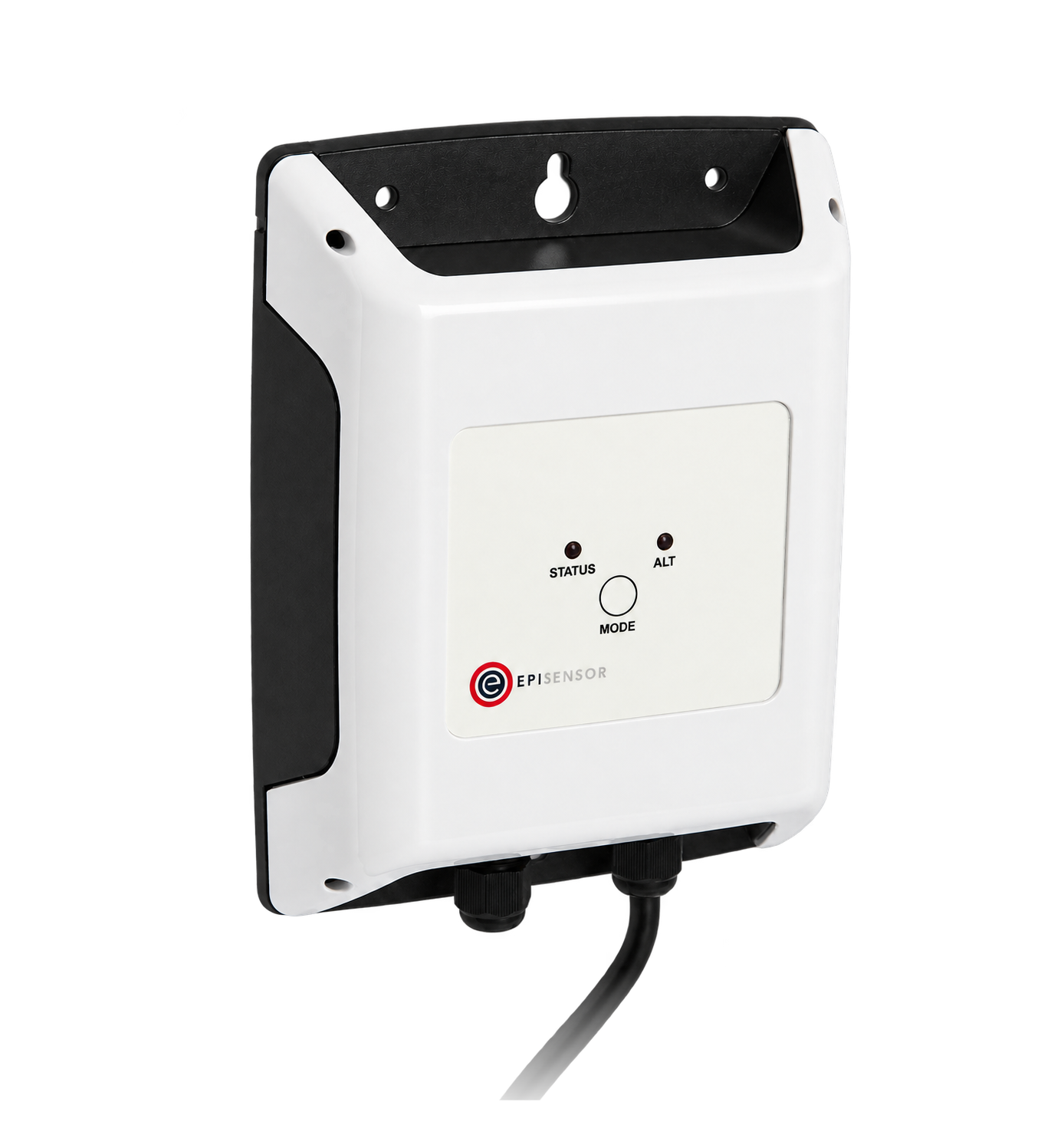
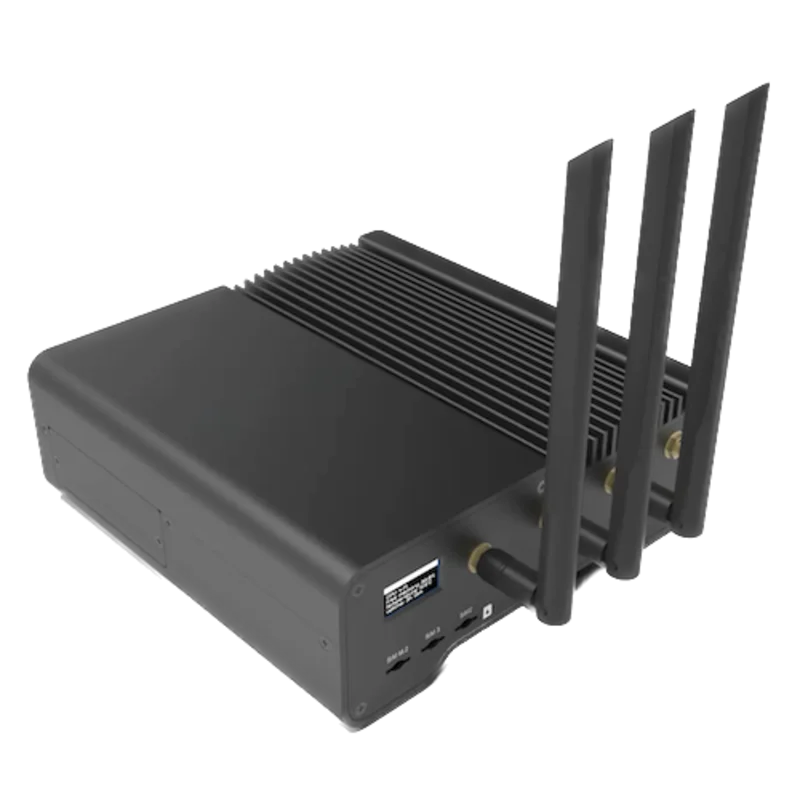
The exact E7 pairing and a compatible Altherma LT master controller have a commissioned DCOM-LT/MB in normal monitoring mode
- Wired
- Edge
- Platforms
Models
| Models | Interface | Route into Edge |
|---|---|---|
| ETVH16S18E6V7 | E7 indoor hydronic unit with 180 litre domestic hot-water tank | Connect the approved DCOM-LT/MB to a compatible Altherma master, then read its Modbus inputs. |
| EPRA14DV37 | Paired 14 class outdoor unit in Daikin's combination table | The outdoor unit is not the Modbus endpoint in this arrangement. |
| DCOM-LT/MB | P1P2 input, separate 15–24 VDC supply and EIA-485 Modbus RTU slave output | Treat its register map and commissioning mode as the source of controller telemetry. It can also write controls; this guide approves reads only. |
Specifications
The Daikin combination table names the ETVH16S18E6V7 indoor unit, EPRA14DV37 outdoor unit and DCOM-LT/MB accessory. This exact E7 suffix matters: a similarly named older indoor variant is not the same interface case.1
- System identity
- ETVH16S18E6V7 indoor plus EPRA14DV37 outdoor, as listed in the combination table1
- Field bus
- Two-wire EIA-485 Modbus RTU, 9600 baud, 8 data bits, one stop bit; DCOM is the slave2
- Worked read
- FC04, zero-based input offset 31: compressor run, 0 off or 1 on, in standard mode2
- Temperature decode
- FC04 input offset 42: signed 16-bit return-water temperature divided by 100 °C, in standard mode2
- Invalid values
- 32767 unsupported; 32766 unavailable; 32765 waiting for value2
- Performance boundary
- Independent heat and electricity meters are needed for measured COP or SPF2
Interface
Documented measurements and integration boundaries for Altherma 3 H HT ETVH16S18E6V7.
- In the manual's standard mode, FC04 input offset 31 reports compressor run and offset 32 reports booster-heater run. Confirm each against the installed controller before accepting a point.
- Standard-mode input offsets 40 and 42 report leaving-water and return-water temperatures. Decode signed temp16 values as degrees Celsius divided by 100; validate them against the controller display.
- The DCOM manual uses zero-based register offsets, not 3xxxx labels. Unsupported, unavailable and waiting values are 32767, 32766 and 32765 and must not enter a temperature or energy calculation.
- Controller values do not establish delivered heat or whole-system COP. Independently meter thermal output and all electrical loads included in the chosen system boundary.
- No operation-mode, setpoint, DHW, weather compensation or smart-grid write is approved here. DCOM's writable holding registers remain under the commissioned heating controller.
Assessment
ETVH16S18E6V7 with EPRA14DV37, compatible Altherma master and installed DCOM-LT/MB in standard mode. No write or flexibility control is approved.
- InteroperabilitySupported with conditions
- The exact E7 combination table includes DCOM-LT/MB, whose documented RTU inputs are readable by a Modbus master.12
- AccuracyLimited
- Operating temperatures and states are available; heat output and complete electricity require external meters for COP.2
- SecurityLimited
- The physical EIA-485 bus can be kept within the plant room, but the Modbus RTU link has no documented authentication and writable functions must be excluded.2
- ReliabilitySupported with conditions
- The DCOM documents master-synchronisation status and explicit unsupported, unavailable and waiting return values for quality handling.2
- RuggednessNot yet assessed
- The DCOM manual gives environmental limits, but no installation location or enclosure evidence was supplied.2
- ScalabilityLimited
- The RTU bus permits multiple addressed devices, but each heat pump's controller, DCOM and independent meter boundary need a commissioned design.2
Setup
-
Verify the installed pair
Record the ETVH16S18E6V7 and EPRA14DV37 nameplates, indoor controller revision, installed accessories and site heating-control owner. Use Daikin's combination table for this exact E7 configuration.
-
Check the DCOM topology
Confirm the fitted DCOM-LT/MB, its separate power supply, short P1P2 link to a compatible Altherma LT master and three-wire EIA-485 bus. Record its DIP-selected slave address and operating mode.
-
Commission a bounded read
With the heating contractor present, read standard-mode FC04 input offset 31 for compressor state and offset 42 for return-water temperature. Confirm the client uses zero-based offsets, compare both with local operation and reject unavailable or waiting codes.
-
Measure performance separately
Select the heat and electricity meter positions before reporting COP or SPF. Include pumps and auxiliary heaters when they fall inside the declared electrical boundary; align sampling periods.
Common questions
- Does ETVH16S18E6V7 have a native Modbus port?
- The documented path uses the separate DCOM-LT/MB accessory on a compatible controller's P1P2 connection. The DCOM is the Modbus RTU slave; do not connect Edge to the heat pump as if the outdoor unit were a Modbus server.12
- Which DCOM registers are safe to read first?
- In the manual's standard mode, FC04 offset 31 reports compressor run and offset 42 reports return-water temperature as signed hundredths of a degree Celsius. Check the DCOM mode and zero-based addressing, then compare the readings with local operation.2
- Can the DCOM values prove heat-pump COP?
- No. The DCOM map supplies controller operating values. Meter delivered heat and the chosen electrical boundary independently over the same periods before calculating COP or SPF.2
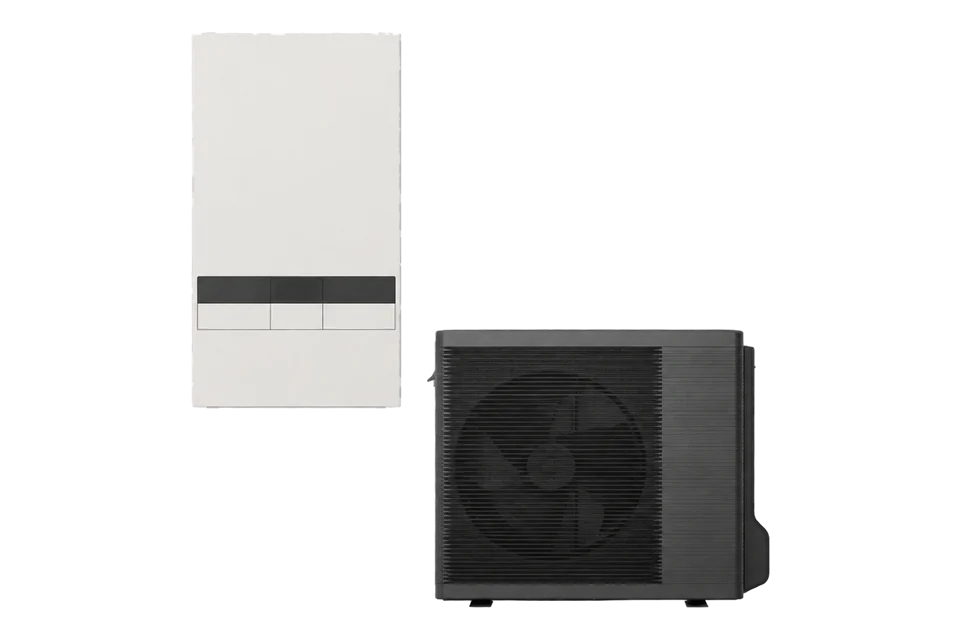
Related devices
Sources
- Altherma 3 H MT and HT combination table and options, ECPEN22-767A (opens in a new tab) (PDF)
- DCOM-LT/MB reference manual (opens in a new tab) (PDF)
- DCOM-LT/MB product information (opens in a new tab)
Further reading
Product names and trademarks belong to their owners. Publication does not imply endorsement or a commercial relationship.