Electrical measurement
Three-phase power, kW and kWh, power factor, current transformers, Rogowski coils and submetering.
Every reading comes from a chain of current sensor, voltage reference and meter, and it is only as good as the weakest part.
Start with the three-phase power formula if you need to calculate a load. Start with selecting current transformers if you are specifying hardware.
Power fundamentals
6 guides · about 39 minutes
- Three-phase power formula and measurement Three-phase kW, kVA and kvar: line and phase values in star and delta, the power formula and metering on an unbalanced circuit. 6 min
- kW vs kWh: the difference between power and energy kW is power; kWh is energy. Convert between them, derive average power from an energy counter, and distinguish energy and demand charges. 4 min
- Power factor, kW and kVA explained What power factor is, how kW, kVA and kvar relate, the 0.95 tariff threshold, true versus displacement power factor, and how to read power factor from a meter. 9 min
- True RMS measurement in energy metering What true RMS means, why average-responding instruments misread distorted current, and why an RMS current reading alone does not give kW or kWh. 6 min
- Negative power readings and meter reconciliation Distinguish power export from reversed CTs or phase errors, and reconcile a main meter with submeters within the meters' accuracy. 9 min
- Solar PV monitoring: generation, self-consumption and export Measure solar generation, grid import and export, calculate self-consumption, and avoid double-counting battery energy. Includes a worked interval example. 5 min
Metering and CTs
8 guides · about 92 minutes
- Selecting current transformers (CTs) for energy monitoring How to size a CT for the real load, read its accuracy class, keep the secondary burden within rating and match the output to the meter. 11 min
- Rogowski coils for energy monitoring: how they work and how to choose one Rogowski coils and integrators for AC current: low-load accuracy, sizing, fitting and commissioning compared with split-core CTs. 14 min
- Conductor size, voltage drop and CT aperture Convert AWG and mm², estimate conductor resistance and voltage drop, and check measured cable dimensions against current-sensor apertures. 9 min
- High-accuracy electricity metering Class 0.5S meter limits, CT accuracy classes, how CT phase error grows at low power factor, MID billing classes and how to commission a metering chain. 14 min
- Operational monitoring, revenue metering and settlement Choose metering for energy analysis, billing, market settlement, power quality and protection. One meter is not proof for every purpose. 7 min
- Electricity submetering in commercial buildings Choose submetering points, reconcile the metering tree with the main meter, reuse existing meters and find installation faults that corrupt data. 15 min
- Wireless vs wired energy monitoring for retrofits How to choose between wireless and wired energy monitoring in an existing building: power, data path, reporting rate, installation work and failure behaviour. 9 min
- Energy monitoring commissioning checklist Commission energy monitoring: point schedules, source-to-report tolerances, timestamps, daylight saving, failure tests, receiver checks and acceptance. 13 min
Calculators
All calculators- Three-phase power Work out active, reactive and apparent power for a balanced three-phase load from voltage, current and power factor.
- kW to amps Convert kW or kVA to amps, or amps to kW or kVA, for DC, single-phase and three-phase circuits.
- kW, kVA, kvar and power factor Find the rest of the power triangle (kW, kVA, kvar and power factor) from two known values.
- Transformer current Work out the full-load primary and secondary current of a transformer from its kVA rating and voltages.
- Power factor correction Estimate the kvar needed to raise a lagging power factor to a target, and the current it saves.
- Voltage unbalance Calculate voltage unbalance from three line-to-line readings using the NEMA method.
- THD and TDD Calculate voltage or current THD, or current TDD, from measured harmonic magnitudes.
- AWG to mm² Convert conductor sizes between AWG and mm².
- CT ratio and burden Work out a CT's secondary current and check its rated burden covers the meter and the lead loop.
- Conductor resistance Estimate the DC resistance of a conductor run at its operating temperature.
- Voltage drop Voltage drop on a cable run, and the smallest cable size that keeps it within 3% or 5%.
- Current transformer selection Size the aperture, check a candidate CT and match its output to the meter.
- Ohm’s law Find volts, amps, ohms or watts from any two known values.
- Motor full-load current Find a motor’s full-load current from its kW or hp rating, efficiency and power factor.
- Transformer losses Separate the loss that remains while energised from the loss that rises with current.
EpiSensor products
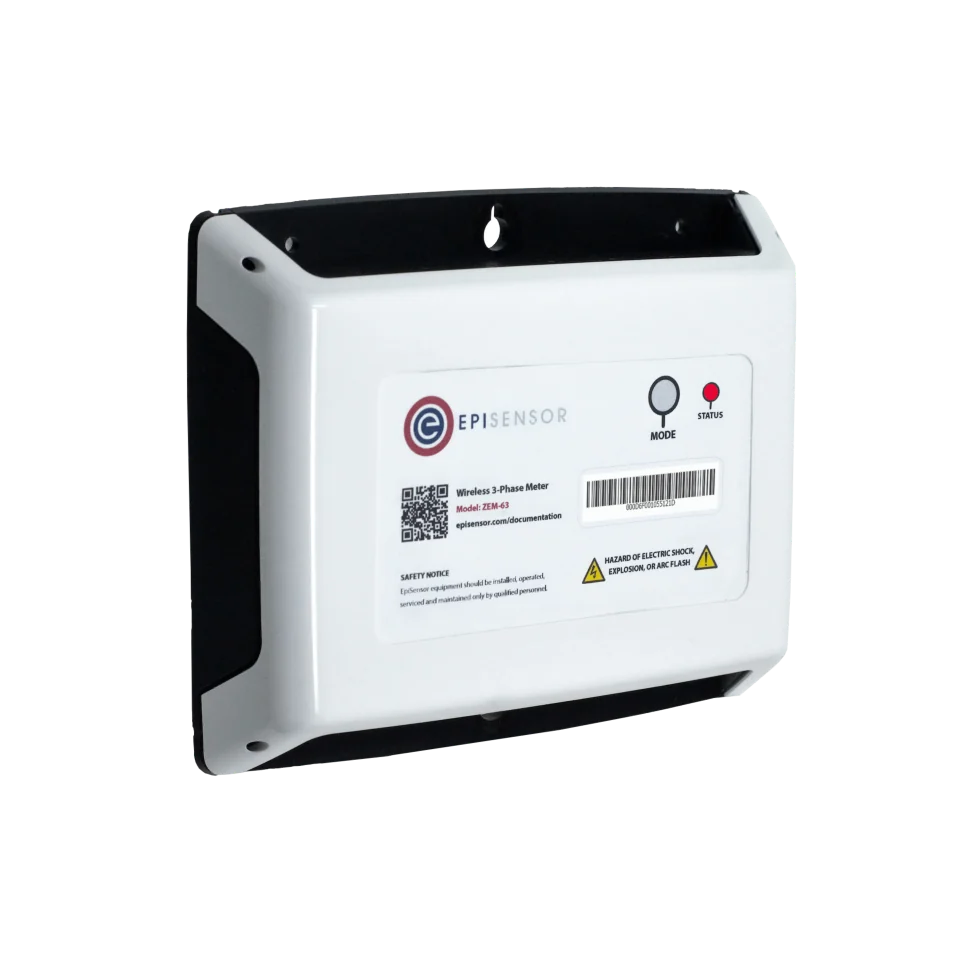
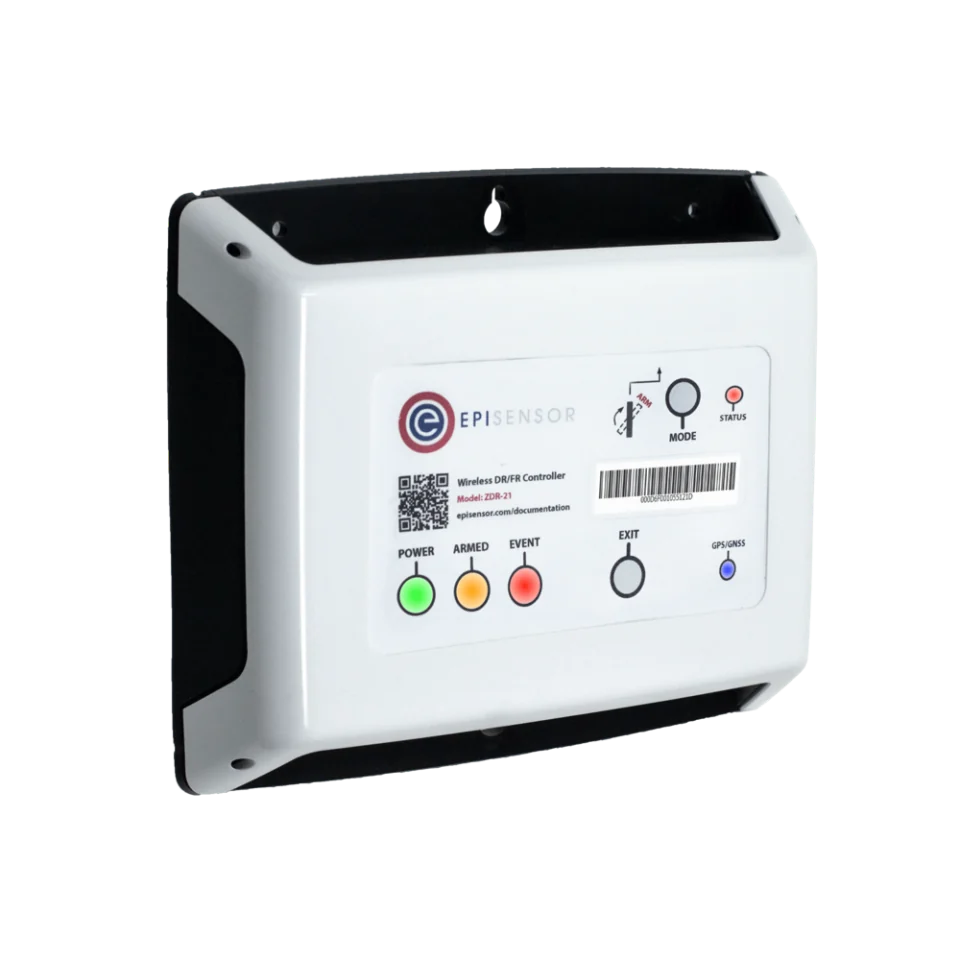
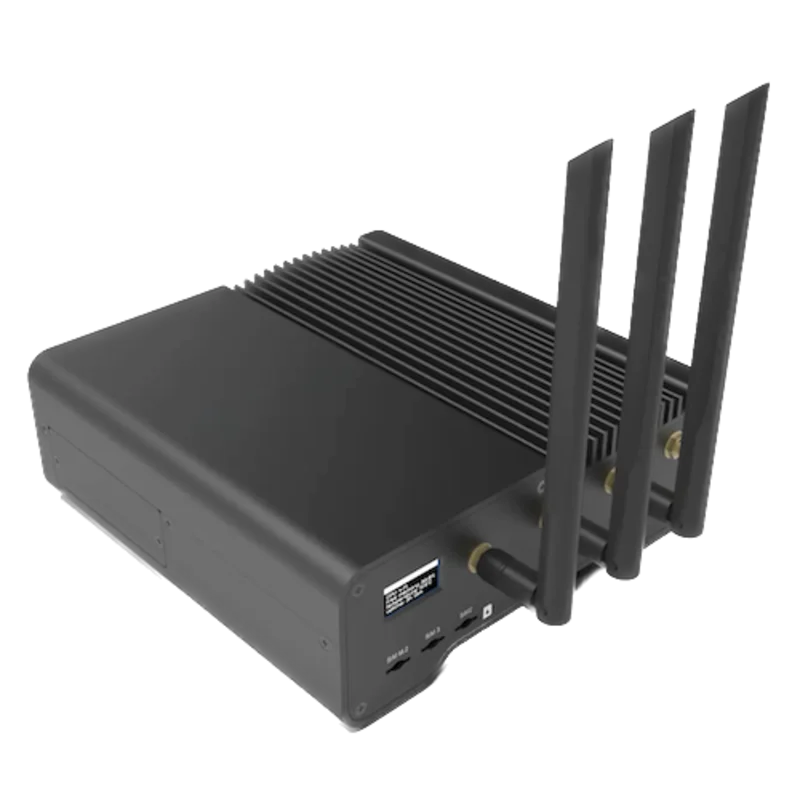
Devices for this topic
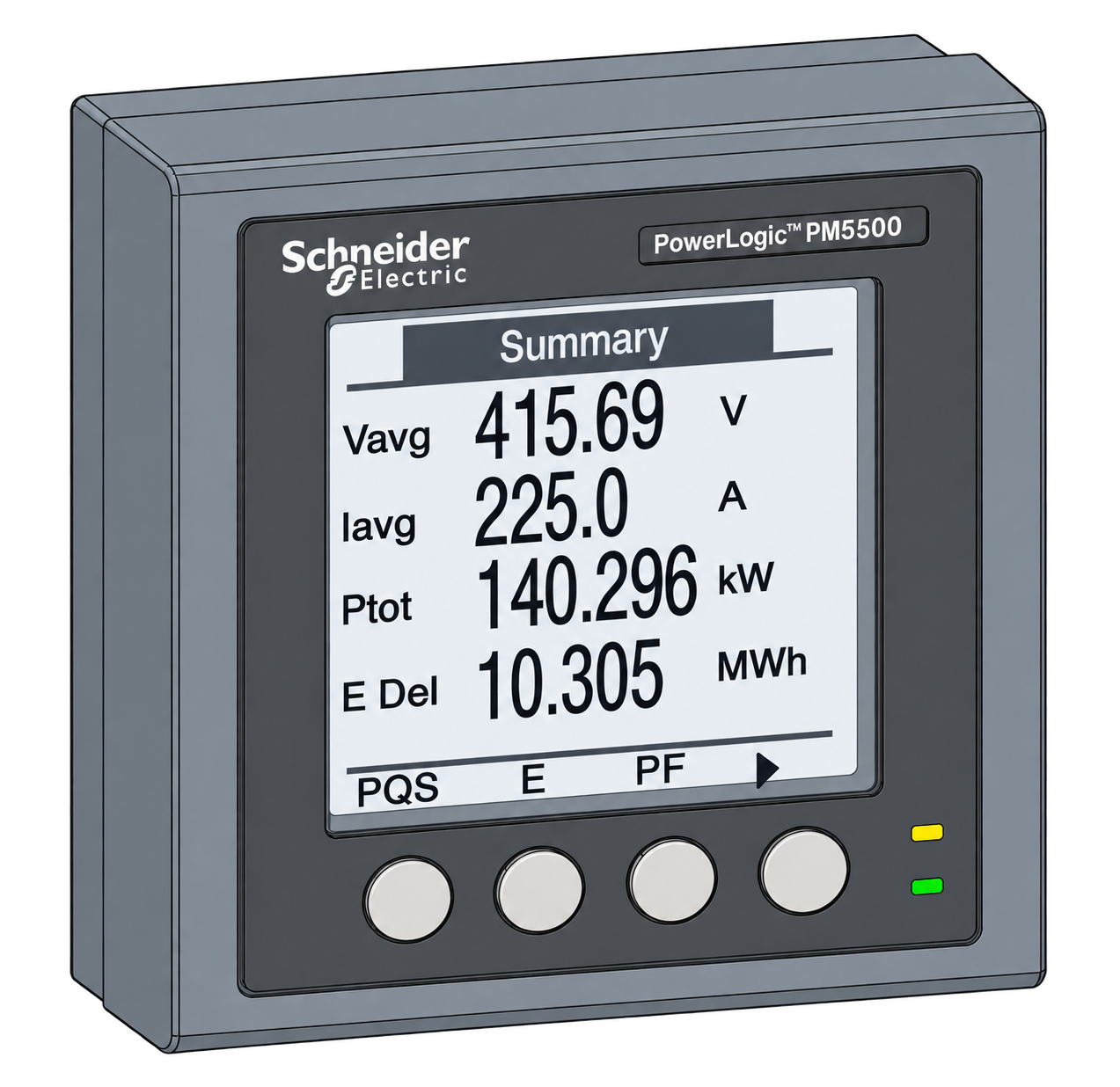
Modbus meters
All Modbus meters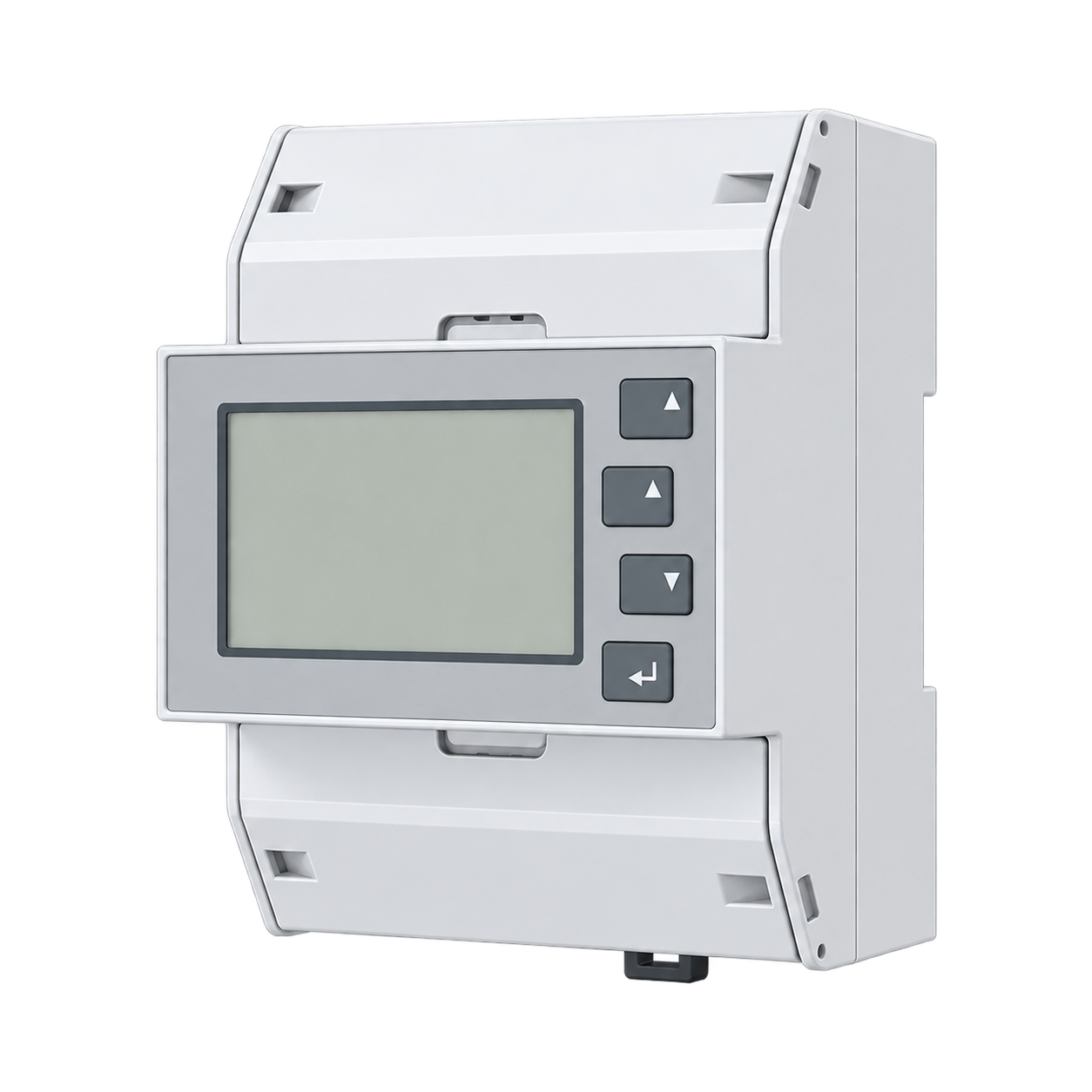
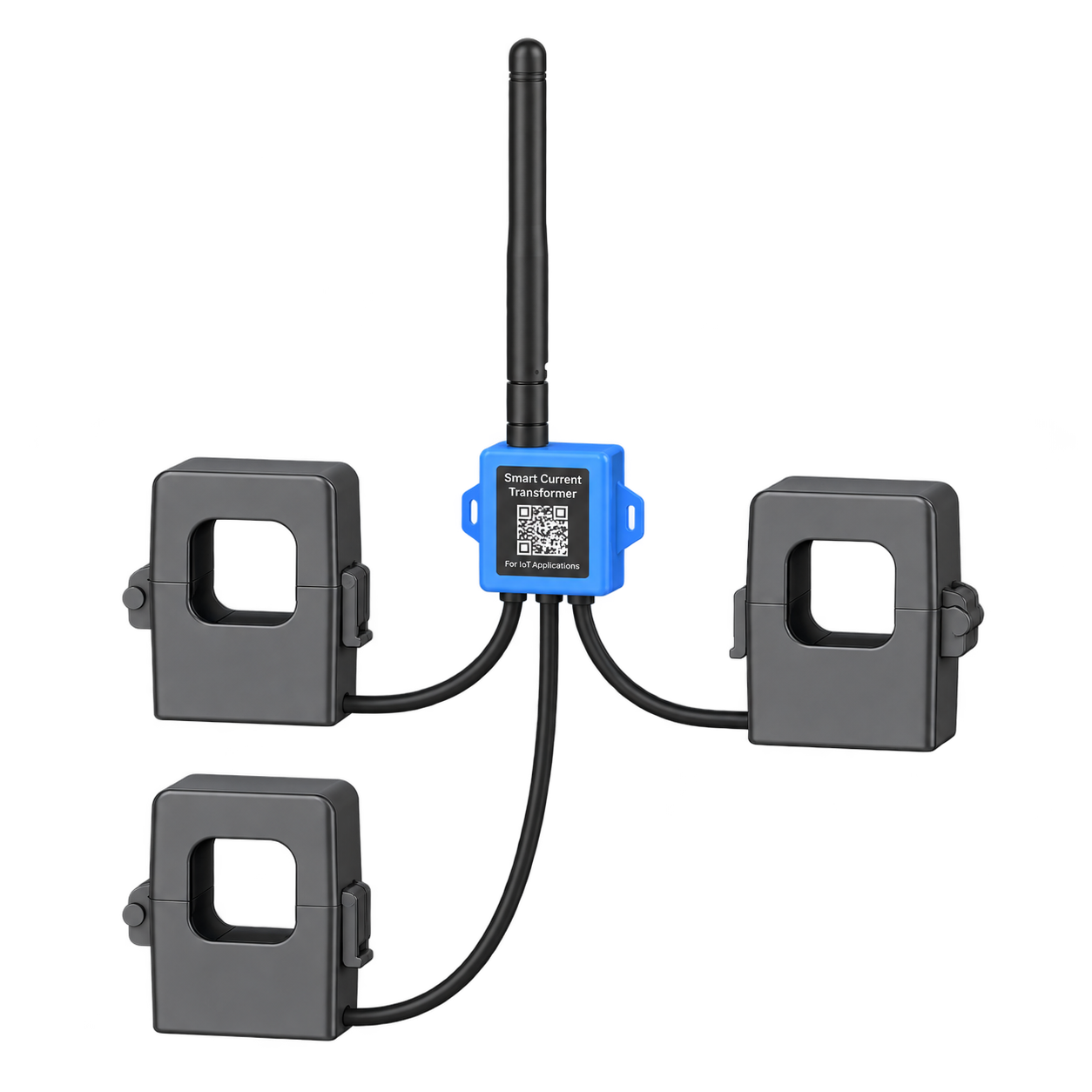
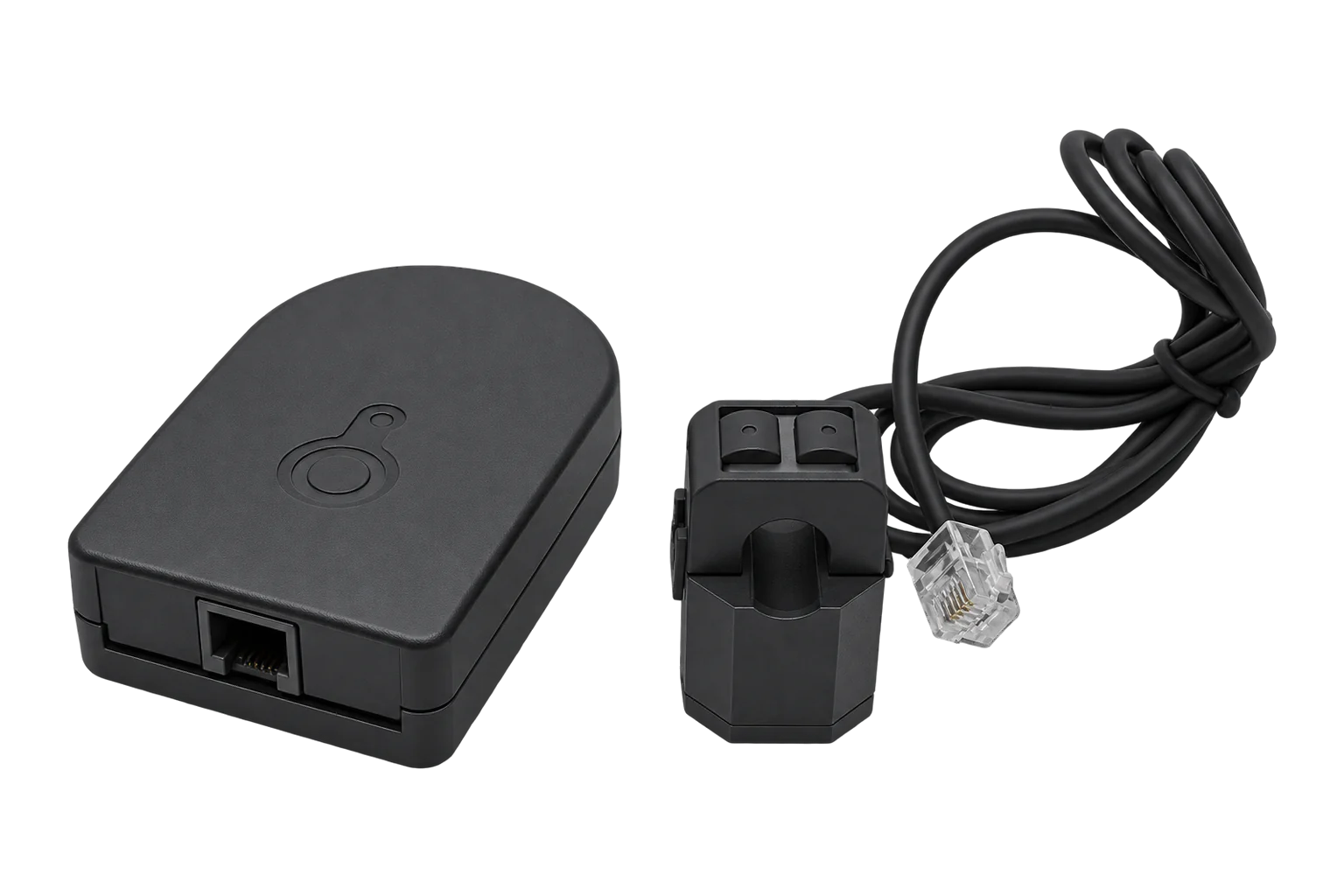
Planning the circuits on your own board?
Tell System Builder which circuits you need to measure. It maps them to current sensors, electricity monitors and a Gateway.