Building performance
Energy management systems, baseload, savings measurement, equipment performance and condition monitoring.
Energy data means little until it is related to the work done: cooling delivered, air compressed, hours occupied.
Start with the equipment performance boundaries guide, then use the COP, pump and compressed-air calculators.
Learning path
17 guides · about 171 minutes
- Intelligent energy management systems (IEMS) How to select an IEMS: measurement boundaries, local and cloud architecture, baselines, data quality, control responsibilities and acceptance tests. 17 min
- Finding and valuing overnight baseload How to measure the electricity a site uses out of hours, separate must-run loads from waste, value the avoidable part and verify a change. 11 min
- Measuring energy savings against a baseline Measure retrofit energy savings: adjusted baselines, regression, uncertainty, four IPMVP options and data to collect before the change. 12 min
- ISO 50001 energy management and the data it needs ISO 50001:2018 energy management: energy review, significant energy uses, EnPIs, baselines, data collection plans and supporting metering. 13 min
- EU Directive 2023/1791 on energy efficiency EU Energy Efficiency Directive 2023/1791: enterprise energy management above 85 TJ, audits above 10 TJ, action plans and key dates. 9 min
- EU data centre energy and sustainability reporting Apply the EU 500 kW installed IT power threshold, annual reporting scope and measurement rules for energy, backup generation, cooling and water. 10 min
- Germany’s GEG building automation requirements Germany’s current Section 56 duties for building automation above 70 kW: deadline, monitoring, open data, indoor climate and lighting control. 8 min
- Italy’s building automation requirements for non-residential buildings Italy’s current 290 kW building automation duty, the 2025 deadline, statutory exceptions, required functions and the recast EPBD’s 70 kW step. 7 min
- Ireland’s building automation requirements for non-residential buildings Ireland’s current 290 kW building automation duty, required BACS functions, enforcement position and the recast EPBD path to 70 kW and lighting control. 9 min
- France’s BACS decree: building automation requirements The current French BACS deadlines, systems in scope, required energy data and controls, inspection duties, and a practical retrofit measurement plan. 7 min
- France: room temperature controls and pipe insulation France’s 2027 and 2030 deadlines for room or zone temperature controls and pipe insulation, and how they differ from BACS and OPERAT. 8 min
- France OPERAT: tertiary energy reporting guide Who must report to France's OPERAT platform, the 2030, 2040 and 2050 energy targets, and how to build a reliable meter and building-boundary record. 8 min
- ESOS compliance and the metering behind it ESOS phase 4: who qualifies, the dates, the 95% rule, estimates, penalties, and a worked example of submetering the areas of significant energy consumption. 9 min
- SEAI EXEED grants and the metering they need SEAI EXEED grant rates for 2026, the retention that measured savings release, a worked heat pump example and the metering to fit before the works start. 10 min
- Equipment performance monitoring boundaries Define input, useful output, operating state and time boundaries before calculating pump, compressor, boiler, chiller or heat-pump performance. 9 min
- Condition monitoring from electrical data Use electrical data to monitor motors, pumps, fans and compressors: baselines, diagnostic limits and when to add vibration or thermal measurements. 10 min
- Environmental monitoring with IoT sensors Place temperature, humidity and CO₂ sensors where they answer the question, and know their response time, drift and missing data. 14 min
More in Building performance
- EU EPBD 2024: building automation and indoor environmental qualityArticle 13 of the recast EU EPBD: BACS thresholds, required functions, indoor environmental quality, lighting control and national implementation.
- France CEE BAT-TH-116 funding for building management systemsWhat BAT-TH-116 covers for French tertiary-building GTB projects: eligible work, class A or B functions, evidence, controls and the BACS boundary.
- France CEE IND-UT-134: industrial energy-performance measurementCurrent IND-UT-134 A35-2 rules for industrial energy-performance measurement: eligible uses, power limit, data intervals, history, alarms and evidence.
- Germany EnEfG: energy management, action plans and waste heatGermany’s EnEfG thresholds for energy management, published action plans and waste-heat records, with a practical measurement plan for industry.
- Italy: Conto termico 3.0 funding for building automationHow Italy’s Conto Termico 3.0 supports eligible building automation: covered buildings, functions, rates, caps, evidence and application timing.
- Italy: mandatory energy audits and ISO 50001Italy’s current energy-audit rules for large and energy-intensive companies: four-year cycles, 50 toe exemption, qualified auditors, Audit102 and ISO 50001.
- Spain CAE: energy savings certificates and measurement evidenceHow Spain's CAE system turns verified final-energy savings into certificates: eligibility, baselines, evidence, verification and metering boundaries.
- Spain RD 56/2016: energy audits and metering evidenceSpain’s current large-company energy audit rules: scope, four-year cycle, 85% coverage, registration, measurement evidence and the EU EED transition.
Calculators
All calculators- Heat meter check Estimate heat output from flow and temperature difference to check a heat meter reading.
- Compressed air specific power Calculate compressed air specific power: electrical input per unit of delivered air flow.
- Pump affinity laws Estimate how flow, head and power change when a centrifugal pump's speed changes.
- Chiller COP Calculate chiller COP, kW/ton and EER from cooling output and electrical input.
- Heat pump COP Calculate a heat pump's instantaneous COP or measured-period performance factor from heat delivered and electricity used.
- Generator fuel consumption Calculate generator fuel use per hour and per kWh, and the average load over a run.
- IP rating Decode an IP code: the solids and water numerals, the optional letters and what the rating leaves out.
- Gas m³ to kWh Convert gas meter readings or volume to kWh using the calorific value and correction factor.
- Energy unit converter Convert kWh, MJ, Btu, therms and toe, or kW, Btu/h, tons and hp, with every unit at once.
- Carbon emissions calculator Convert kWh of electricity or gas to CO₂e with dated, sourced factors or your own.
- Energy monitoring payback calculator Estimate the payback of an energy monitoring system from spend, expected saving and hardware cost.
- Dew point and humidity Find dew point from temperature and relative humidity, or the reverse, with absolute humidity.
- Heating degree days Compare daily temperatures with a balance point and distinguish weather-dependent heating from base load.
EpiSensor products
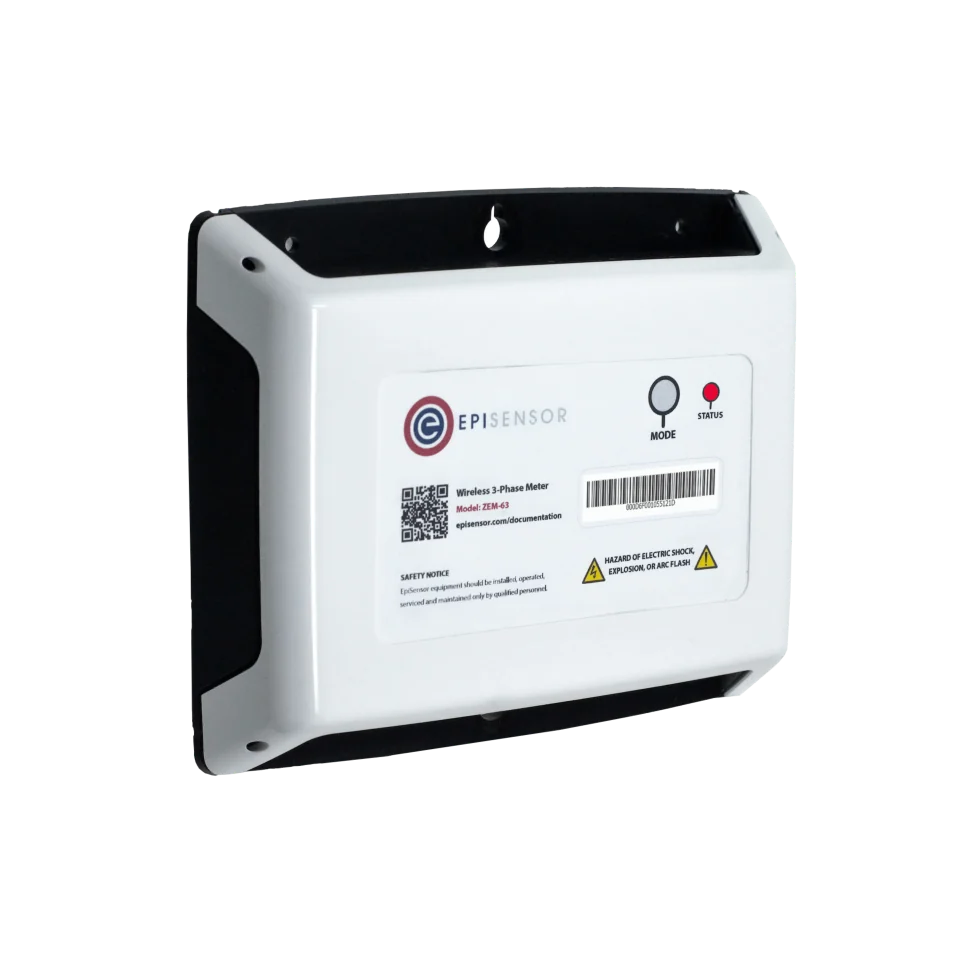
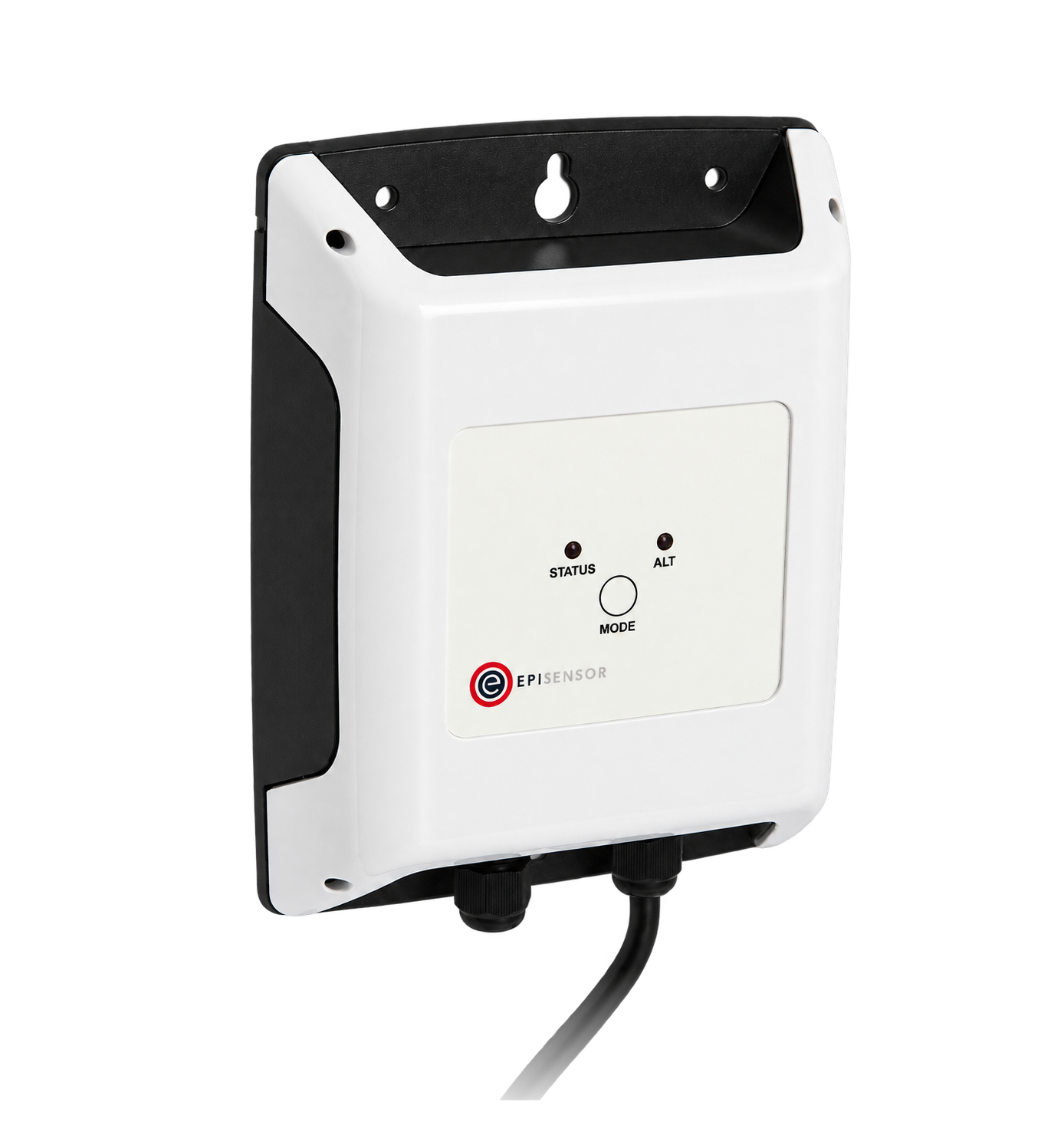
Devices for this topic

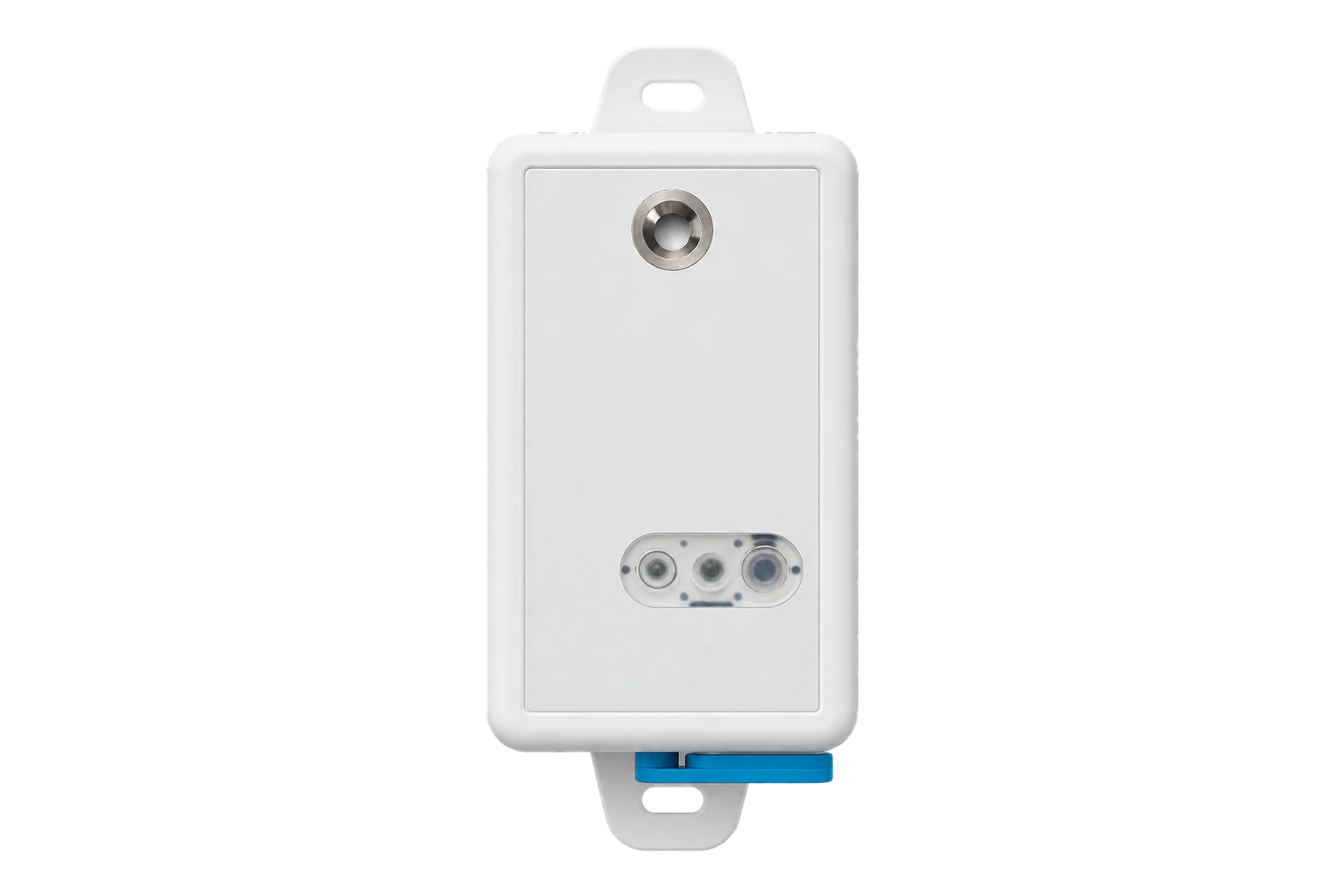
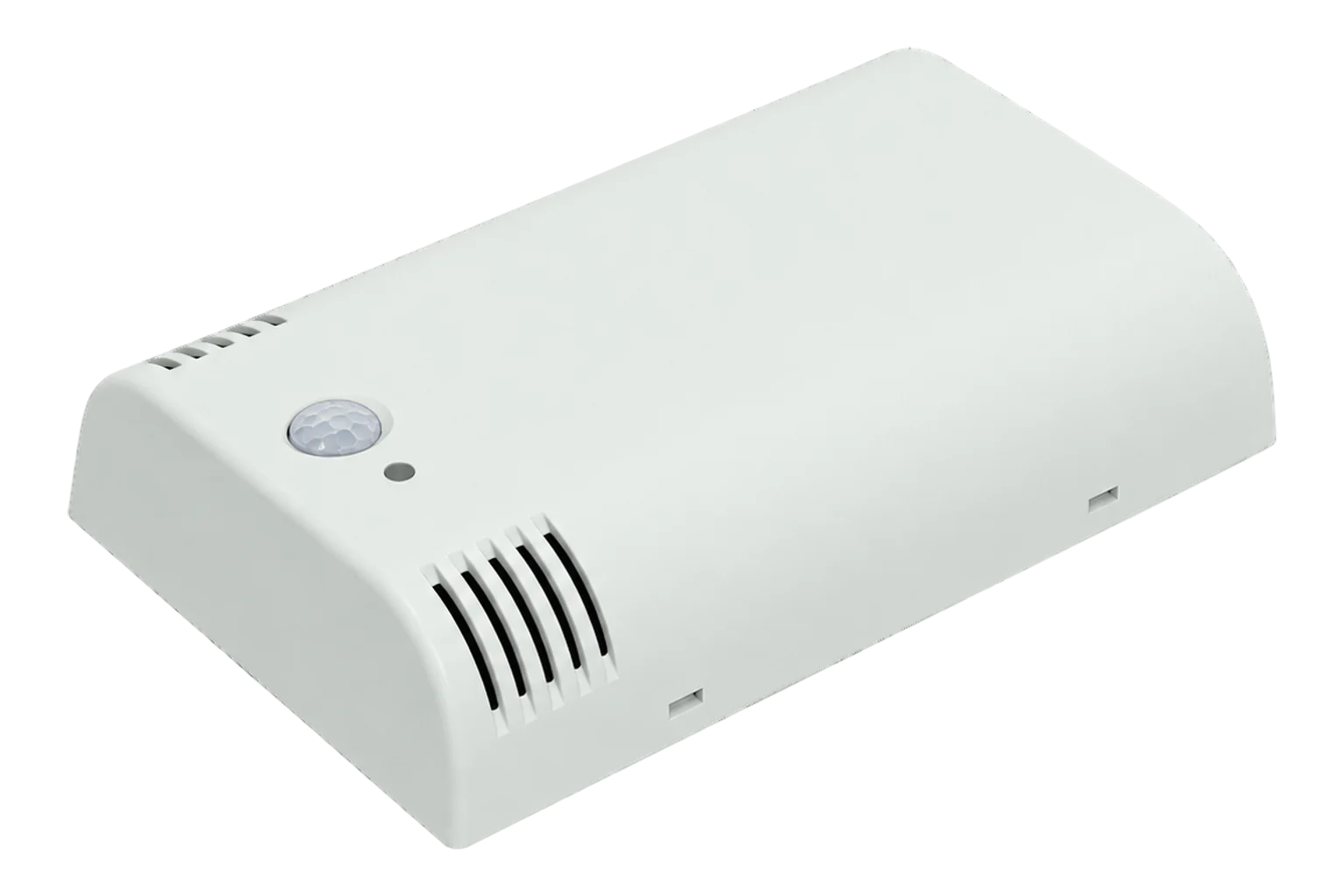

Measuring the performance of a plant item?
Tell System Builder which equipment you want to monitor. It lists the inputs and outputs to measure and the hardware for each.