Flexibility and grid codes
Virtual power plants, peak shaving, demand response, battery storage, frequency response and grid codes.
Grid rules and flexibility markets decide what a site must measure, how fast, and who receives the data.
Start with what a virtual power plant is, then read the rules for your country: G99 in Great Britain or Section 14a in Germany.
Flexibility
11 guides · about 123 minutes
- What is a virtual power plant? How a virtual power plant pools batteries, generators and flexible loads across sites: grid-service measurements and a worked availability example. 13 min
- Peak shaving vs load shifting Peak shaving and load shifting priced for a process load and a battery, with the demand interval, Irish and GB capacity charges, rebound and measurement. 10 min
- EVs as grid assets: V1G, V2G, V2H and V2B V1G, V2G, vehicle-to-home and building: power levels, standards, connection rules, a worked headroom example and site measurement needs. 8 min
- OCPP for EV charging networks OCPP between chargers and management systems: 1.6, 2.0.1 and 2.1 differences, charging profiles and behaviour when limits stop arriving. 10 min
- IoT in demand response: signals, control and verification How a site receives a demand response instruction, changes its load safely and proves what it delivered, and what metering and control each step needs. 12 min
- Demand response baselines and measurement Measure demand response: DFS P376 and self-nominated baselines, capped same-day adjustment, baseline accuracy and evidence of delivery. 12 min
- Dynamic frequency response services explained How GB Dynamic Containment, Moderation and Regulation differ from static response, and what a battery site must measure, control and record to deliver them. 12 min
- What is FCAS? Australian frequency services and measurement Australia's ten NEM FCAS markets: MASS measurement rules, controller settings, sign conventions and a battery and controllable-load droop example. 15 min
- BESS control: BMS, EMS and PCS explained BMS, PCS and EMS roles in battery storage: limit ownership, data to read, site control and integration with flexibility services. 10 min
- BESS control: verify commands and the asset response Verify battery commands from request to metered response: clock synchronisation, a 500 kW example, expiry handling and commissioning tests. 11 min
- Local control: interlocks and a failure matrix Plan local gateway control: authority, interlocks, lost links, stale data, timeouts, restarts and tests before enabling automation. 10 min
Grid connection rules
8 guides · about 94 minutes
- UK G99 grid connection requirements G99 Issue 2 scope, how Types A to D are assigned, interface protection settings, storage rules, G100 export limits and the records a connection needs. 14 min
- Ireland RESS 6: project monitoring and auction dates Current RESS 6 auction dates, the roles of metering and operational monitoring, and a practical evidence plan for Irish wind, solar and hybrid projects. 7 min
- Spain: independent aggregation and demand response What Royal Decree 88/2026 changes for independent aggregation in Spain, which implementation steps still matter, and the site data needed for demand response. 7 min
- France NEBCO: demand flexibility and load shifting How France's NEBCO rules value demand reduction, anticipation and deferred consumption, and the metering, baseline and control records a flexible site needs. 9 min
- Section 14a EnWG: controllable devices and network charges German Section 14a EnWG: devices in scope, minimum power during DSO control, three network-charge modules and the control box interface. 13 min
- Dutch Realtime Interface (RTI) for generation above 1 MW Dutch RTI connections: customer endpoint duties, setpoints, lost-link behaviour and the boundary with plant control and site monitoring. 11 min
- Renewable energy grid integration and stability Solar, wind and storage effects on voltage, frequency and system strength: GB, Irish and Australian events, worked examples and connection metering. 19 min
- Microgrid basics: components, operating modes and control How a microgrid islands and reconnects: grid-forming sources, battery reserve, load shedding, island protection, resynchronisation limits and what to measure. 14 min
More in Flexibility and grid codes
- Germany VDE-AR-N 4105: low-voltage generation monitoringPlan German low-voltage generation monitoring without confusing owner telemetry with certified protection, commissioning or DSO requirements.
- Ireland demand side units: monitoring and system services evidenceIreland Demand Side Unit thresholds, testing, live signals and performance evidence for industrial sites, generators, batteries and aggregated demand response.
- Ireland SRESS: small-scale solar and wind project monitoringIreland's SRESS export tariff: current project sizes, community and SME rates, tariff review, connection evidence and an operational monitoring plan.
- Italy CEI 0-16 and CEI 0-21: grid-connection monitoringPlan operational monitoring around Italy's current LV and MV grid-connection rules without replacing certified protection, DSO control or metering.
- Italy TIDE: monitoring distributed flexibilityHow Italy's TIDE consolidation phase separates BRP and BSP roles, uses UVAN and UVAZ aggregation, and defines baseline and evidence requirements.
- Italy: CER renewable energy communities and shared self-consumptionItaly's CER/CACER rules: eligible plants, hourly shared energy, tariffs and 2026 PNRR milestones. See what monitoring can and cannot prove for GSE settlement.
- Spain SRAD: participation and response verificationHow Spain's current P.O. 7.5 governs SRAD participation, activation, telemetry and settlement, and which independent-aggregation rules remain pending.
Calculators
All calculators- Load factor Check how evenly a site uses its peak demand over a billing or reporting period.
- Electricity cost Estimate an electricity bill with energy, demand and fixed charges shown separately.
- Interval demand Turn the energy recorded in one demand interval into average demand in kW.
- EV charging capacity See how many EV chargers a site can run at once, interval by interval, within its import limit.
- Demand response event Measure the reduction delivered in a demand response event, any shortfall, and the rebound afterwards.
- kW to kWh Convert kW to kWh for a running time, or kWh back to average kW, with the cost of running.
- Appliance energy See what a fridge, heater or other appliance uses and costs each year.
- Battery runtime Calculate energy above reserve and runtime, with discharge losses and the inverter power limit.
- Solar PV generation Model monthly solar generation from historical weather and your array layout.
- PV string sizing Check temperature-corrected module voltage against inverter limits, and parallel-string current against one tracker’s ratings.
- Solar self-consumption Balance paired PV and load readings interval by interval to find direct solar use, grid imports and exports.
- Solar payback Compare solar investment, fixed tariffs, self-consumption and degradation using transparent annual cash flows.
- Battery charge time Allow for a running DC load, the battery charge limit and extra time at the top of charge.
- EV charging time Find the limiting power and compare charging times without assuming peak power lasts for the whole session.
- Battery LCOS Separate storage ownership cost from charging electricity and compare them per delivered kWh.
EpiSensor products
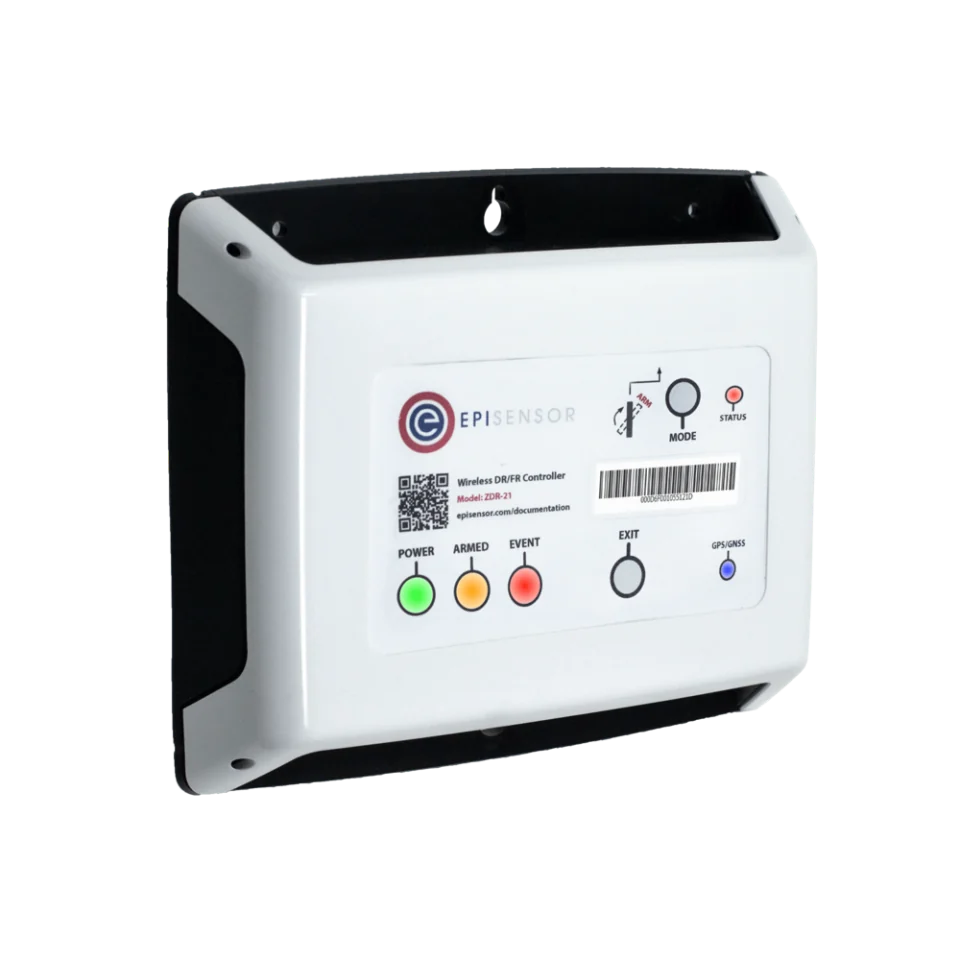
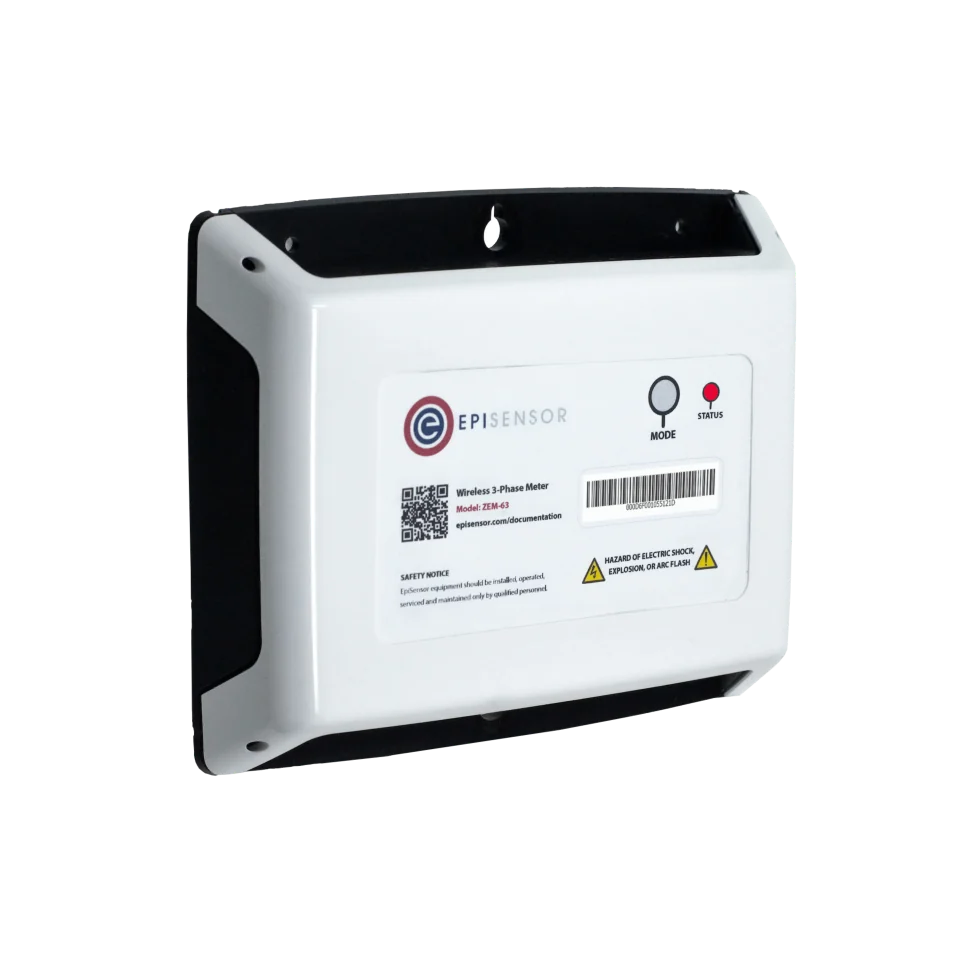
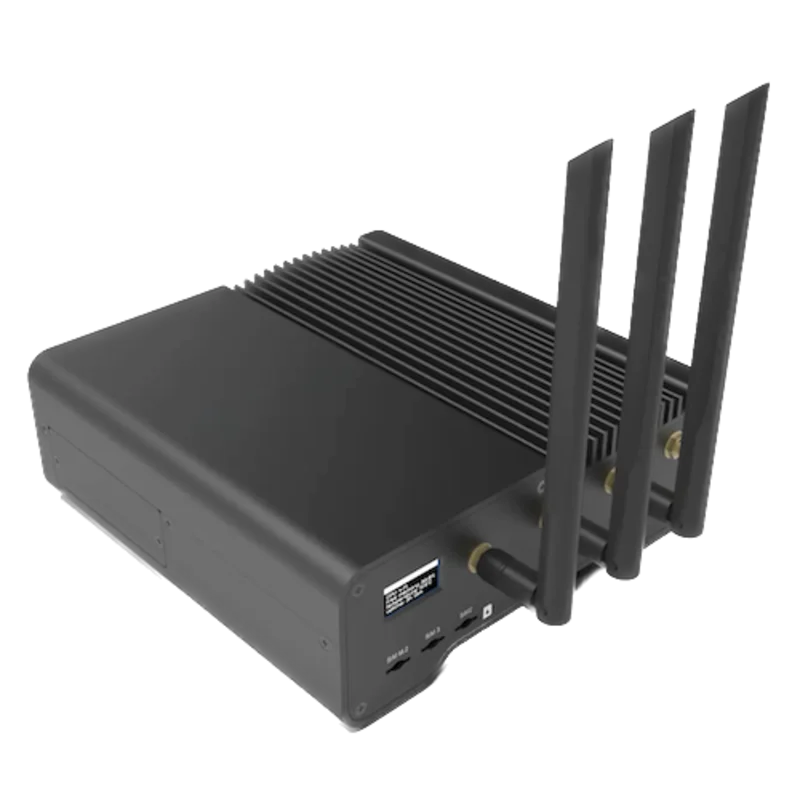
Preparing a site for a flexibility service?
Tell System Builder which assets you want to control or measure. It maps them to demand response and metering hardware.