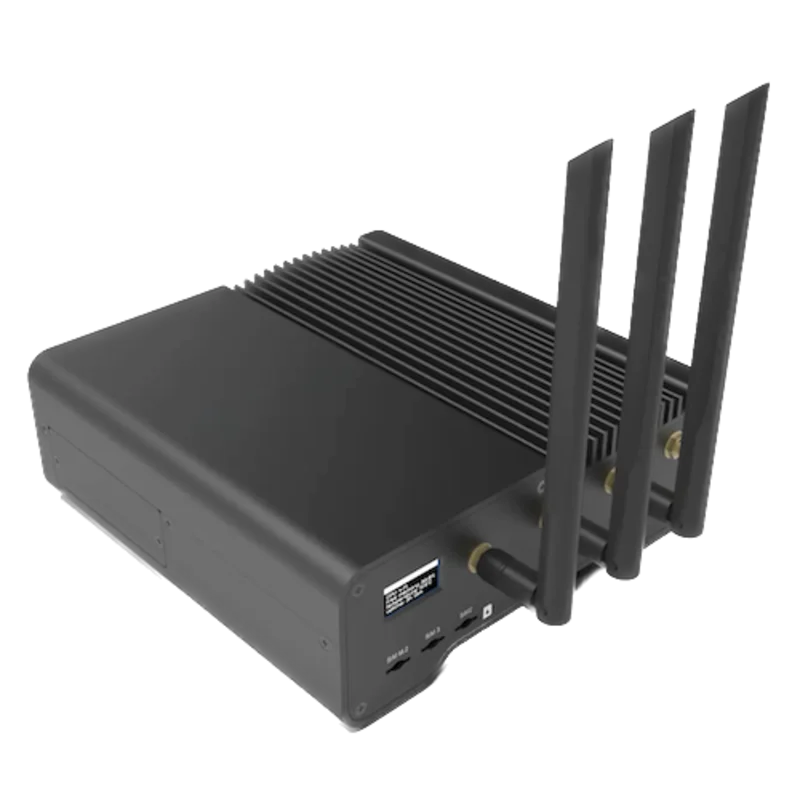
Demand Response Controller

ZDR-2X

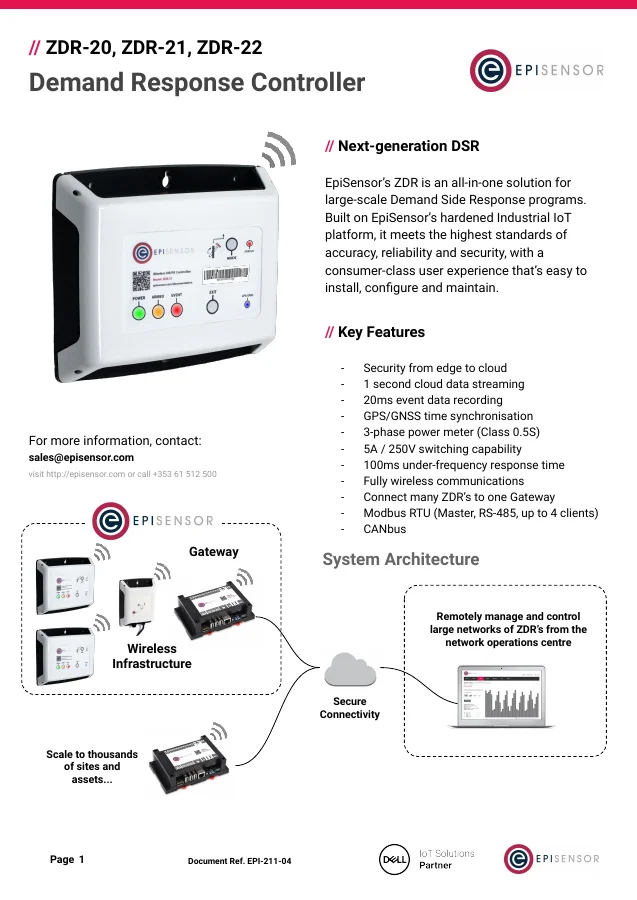
Class 0.5S three-phase metering and a frequency response within 100 ms, in one controller. ZDR-20 and ZDR-21 shed a load or start a generator through their relay. ZDR-22 sends a changing set point to a battery or UPS over Modbus.

From €2,897 ex VAT Works with the Gateway

EpiSensor Demand Response Controller

Features

Shed a load, or start a generator

ZDR-20 and ZDR-21 answer under-frequency through their own relay, a changeover contact rated 4 A at 250 V AC: drop a non-critical load, or call a standby generator. ZDR-21 adds GPS time sync and 20 ms recording around each event, which several programmes ask for as evidence.
Or control a battery, over Modbus

ZDR-22 is the dynamic unit: it follows grid frequency continuously and sends a changing set point to a BESS or UPS over Modbus, rather than opening a contact.

100 ms under-frequency response time

Grid frequency is sampled at least every 100 ms, at 0.01 Hz resolution, and ZDR-21 and ZDR-22 record events at 20 ms, time-stamped by GPS.

A revenue-grade meter is already in the box

Class 0.5S three-phase metering to IEC 62053-22 on 110–480 V AC, with the current transformers calibrated against that controller before it ships. A settlement rests on one calibrated system rather than on parts matched on site.

Sensors for every connection

Choose the current sensors with the controller and they arrive fitted. Rogowski coils connect directly, with no separate integrator.

  • Mini-CTs for existing 1 A or 5 A CTs, 10 mm aperture
  • 300 A split-core CTs, 24 mm aperture
  • 1 kA Rogowski coils
  • 3 kA Rogowski coils

Armed with a key

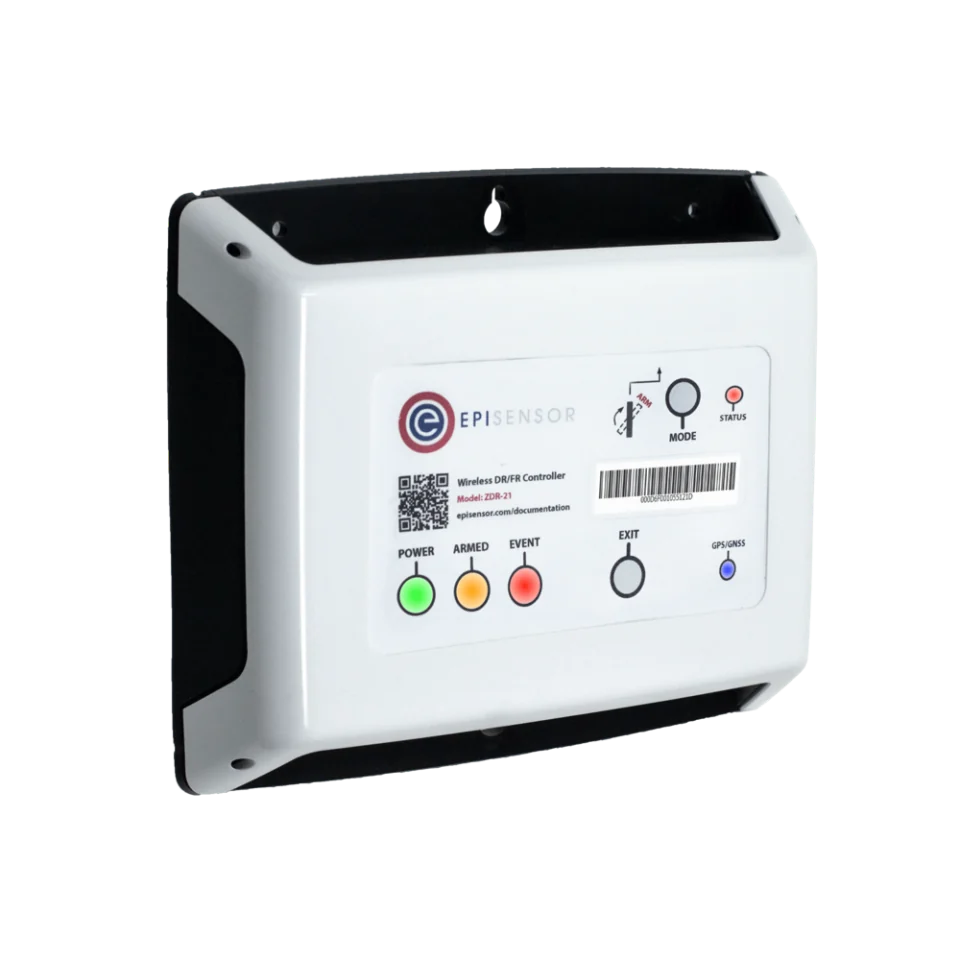
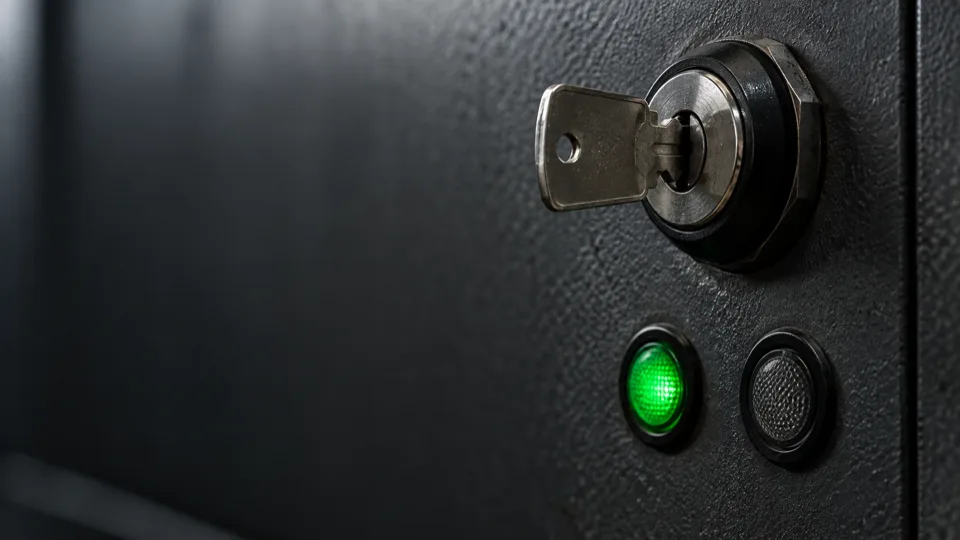
ZDR-21 and ZDR-22 are armed on site with a key switch, and front-panel lights show power, armed and event status. Nothing switches until somebody on site says so.

Security

AES-128 on the mesh and TLS 1.2 or later from the Gateway onwards, in an IP67 enclosure rated from −30 °C to 60 °C. No EpiSensor cloud service is required, and customer data never passes through our servers.

Configure and buy

Choose the options for your site. The summary shows the line that goes into your cart.

Not sure this is the right product for your site? Build a system

Questions engineers ask

Which ZDR does my programme need?

Which ZDR does my programme need?

A load or generator that switches when frequency falls below a trigger is static frequency response: ZDR-20. Choose the ZDR-21 when the programme also asks for GPS-timed evidence at 20 ms. Dynamic frequency response, where a battery or UPS follows grid frequency continuously, takes the ZDR-22, which sends its set point over Modbus instead of switching a relay.

How fast does it respond?

How fast does it respond?

It samples grid frequency at least every 100 ms, at 0.01 Hz resolution, and reacts within 100 ms. The ZDR-21 and ZDR-22 record each event at 20 ms intervals, time-stamped by GPS.

What can the relay switch?

What can the relay switch?

One changeover (Form C) contact, rated 4 A at 250 V AC resistive and fused, for 5,000 operations at full load. It drives a contactor or a generator start circuit; the load itself switches through that contactor. The ZDR-22 has no relay.

Where does the data go?

Where does the data go?

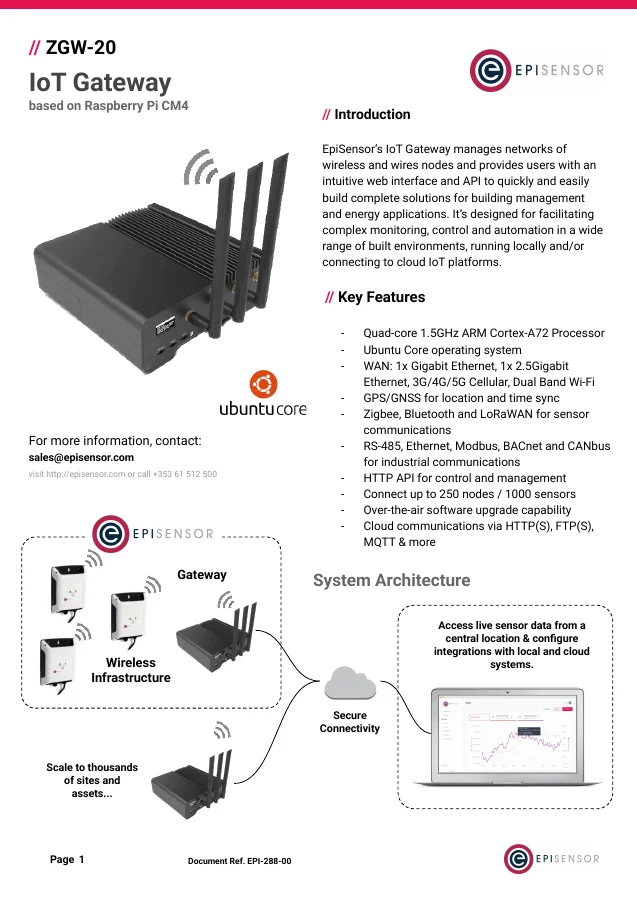
Over the Zigbee mesh to the ZGW-20 Gateway every second, and from there to the platform your programme or aggregator uses, sent by Edge over MQTT or HTTPS. EpiSensor runs no cloud service in that path.

Which current sensors can I use?

Which current sensors can I use?

Mini-CTs on the 1 A or 5 A secondary of existing CTs, 300 A split-core CTs with a 24 mm aperture, or 1000 A and 3000 A Rogowski coils. They arrive fitted and calibrated with the controller.

How is it armed?

How is it armed?

The ZDR-21 and ZDR-22 have a key switch, so the controller acts only once somebody on site has armed it. Lights on the front panel show power, armed, event and GPS status.