Meter interfaces
Pulse outputs, wired M-Bus, Modbus RTU, P1 ports and analogue signals from the meters a site already has.
Most sites already have meters with a pulse output, M-Bus, Modbus or a P1 port. Reading them is often cheaper than fitting new sensors.
Start with the guide for the interface on your meter's label, then use its commissioning checks.
Meter interfaces
6 guides · about 59 minutes
- Pulse meters: dry pulse vs active pulse Compare dry contacts, open-collector and active voltage pulse outputs. Check wiring, isolation, pulse timing and scaling before connecting a meter. 14 min
- Pulse meter commissioning and reconciliation Commission pulse metering: output circuit, pulse weight, maximum rate, known-count tests, recovery and reconciliation with the meter register. 5 min
- Heat meter data monitoring and reconciliation Read the right heat-meter register, store it with its meter, unit and time, and reconcile the totals with the meter display and the network balance. 11 min
- Wired M-Bus commissioning for heat meters Commission wired M-Bus: unit loads, bus voltage, capacitance, primary addresses, telegram records, failure tests and checks against the meter display. 11 min
- P1 port guide: DSMR smart meter data How Dutch DSMR and Belgian eMUCS P1 smart-meter ports work, including the RJ12 pinout, telegrams, OBIS codes, commissioning checks and the DSMR6/X1 transition. 8 min
- Commissioning 4-20 mA and 0-10 V monitoring Commission analogue signals: loop headroom, scaling, NE 43 fault currents, live-zero voltage, RTD transmitters, sampling and acceptance checks. 10 min
Modbus and RS-485
7 guides · about 52 minutes
- Modbus RS-485 commissioning Commission Modbus RTU over RS-485: device parameters, wiring, termination, bias, addressing, decoding, polling, data quality and acceptance checks. 6 min
- Modbus TCP vs Modbus RTU Compare Modbus TCP and RTU for existing sites: transport, framing, addressing, port 502, timing, gateways and security. 6 min
- RS-485 vs Modbus vs RS-232 RS-485 is an electrical interface; Modbus is a protocol. Compare RS-232 and RS-422, and check the device requirements before connecting. 9 min
- RS-485 wiring, termination and bias RS-485 wiring for Modbus RTU: daisy-chain topology, stubs, termination, bias, A/B polarity, common conductor and cable length. 8 min
- Modbus register maps: addresses, data types and scaling Read Modbus register maps: holding/input registers, 40001 and zero-based addresses, 32/64-bit values, word order, scaling, status and unavailable values. 7 min
- Modbus troubleshooting: timeouts, exceptions and wrong values Diagnose Modbus timeouts, exception 02, incorrect decoded values and frozen readings, with raw RTU frames and timing at 9600 baud. 11 min
- Protocol gateway vs transparent bridge Distinguish serial tunnels, Modbus RTU-to-TCP conversion and translation between protocols such as BACnet and Modbus, with tests for each. 5 min
Calculators
All calculators- 4-20 mA scaling Scale a 4-20 mA signal to engineering units or back, including square-root flow.
- Modbus address converter Work out which register a device map means: zero-based offset, one-based number or 40001-style reference.
- Modbus function and exception codes Look up any public Modbus function code, data object or exception code, with its request limits.
- Pulse meter scaling Convert pulse counts to energy and check pulse rate, pulse width and counter capacity.
- 0-10 V signal scaling Scale an analogue voltage signal to engineering units, including spans that do not start at zero.
- Pt100 and Pt1000 Convert between resistance and temperature for Pt100 and Pt1000 sensors, with tolerance class limits.
- Modbus CRC and LRC Calculate the CRC-16 for a Modbus RTU frame and see the byte order on the wire.
- Modbus register decoder Decode integer and floating-point values from Modbus registers in four displayed byte orderings.
- Modbus RTU timing Calculate character and frame timing on a Modbus RTU link, and how long a polling cycle takes.
- Wired M-Bus segment Check unit loads, far-end voltage and bus capacitance for a wired M-Bus segment.
- M-Bus address planner Check an M-Bus primary address schedule for duplicates and reserved addresses before commissioning.
- 4-20 mA loop voltage Check a 4-20 mA loop has enough supply voltage at its design current.
- RTD lead resistance error Estimate the temperature error that lead resistance adds to a two-wire or three-wire RTD.
- RS-485 termination and bias Check where termination and bias resistors belong on an RS-485 Modbus network.
- IEEE 754 float converter Convert decimal numbers to IEEE 754 hex and back, with Modbus register words in four displayed ordering patterns.
EpiSensor products
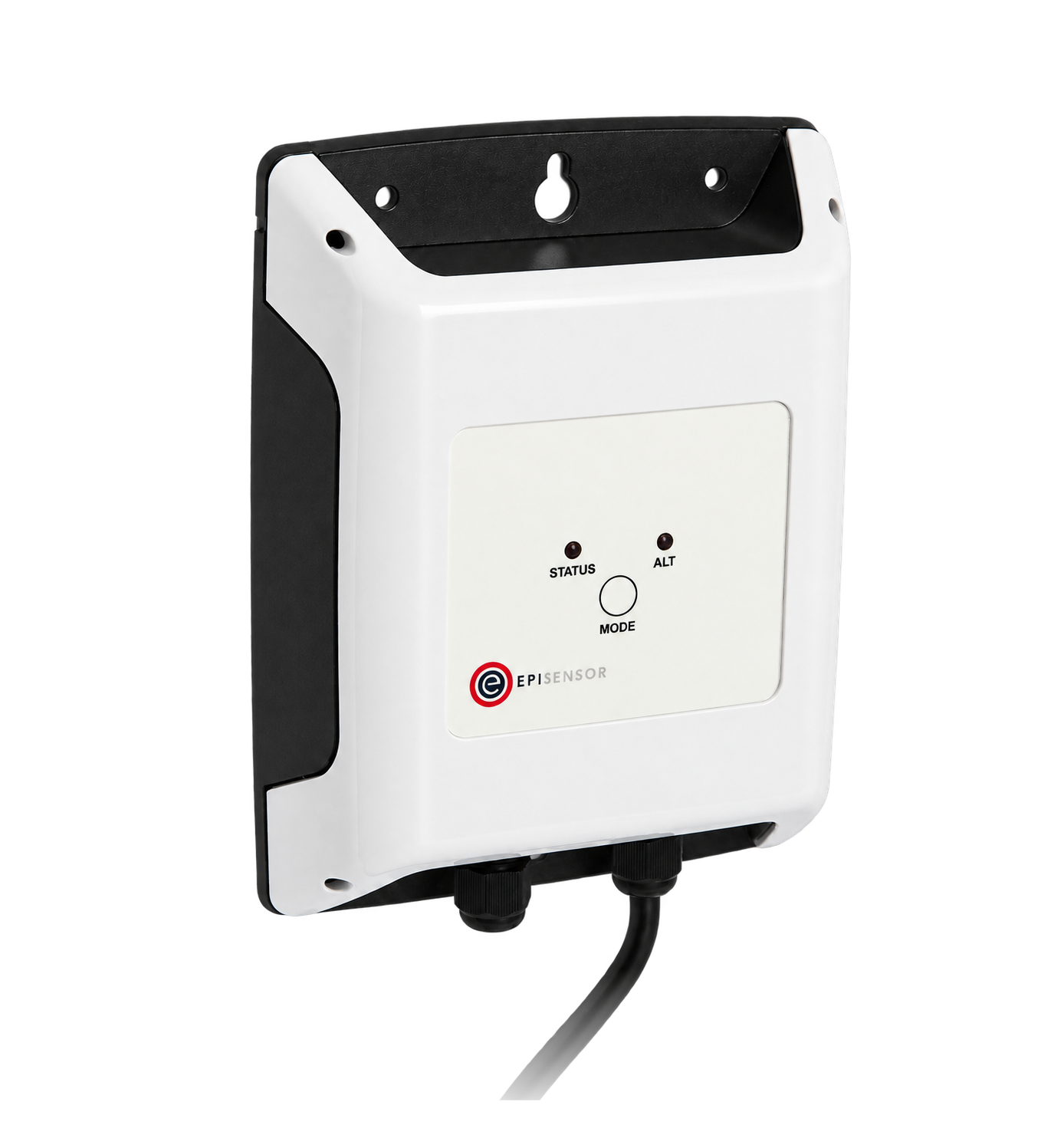
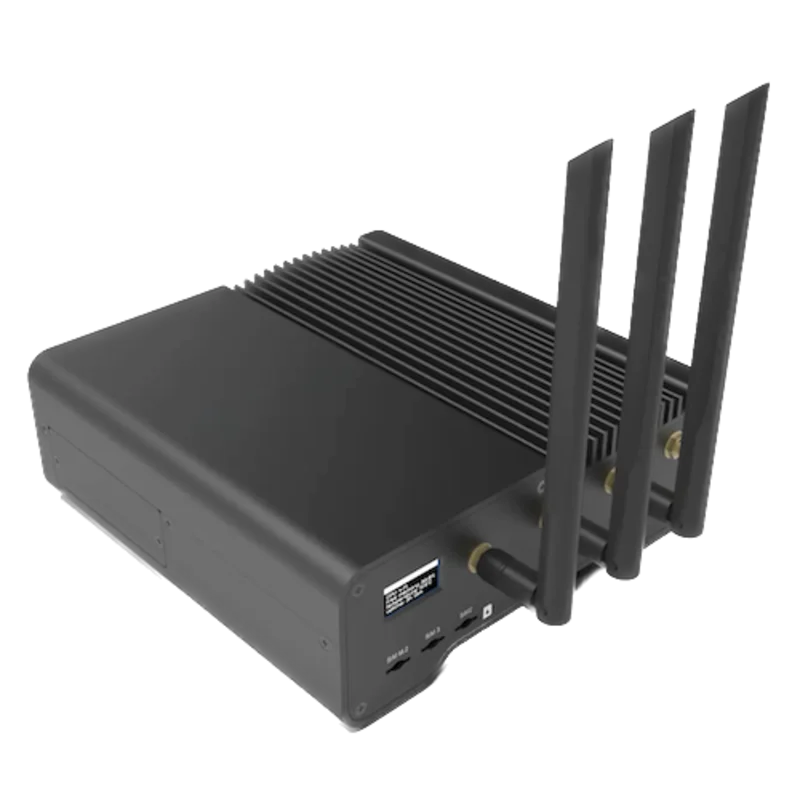
Devices for this topic
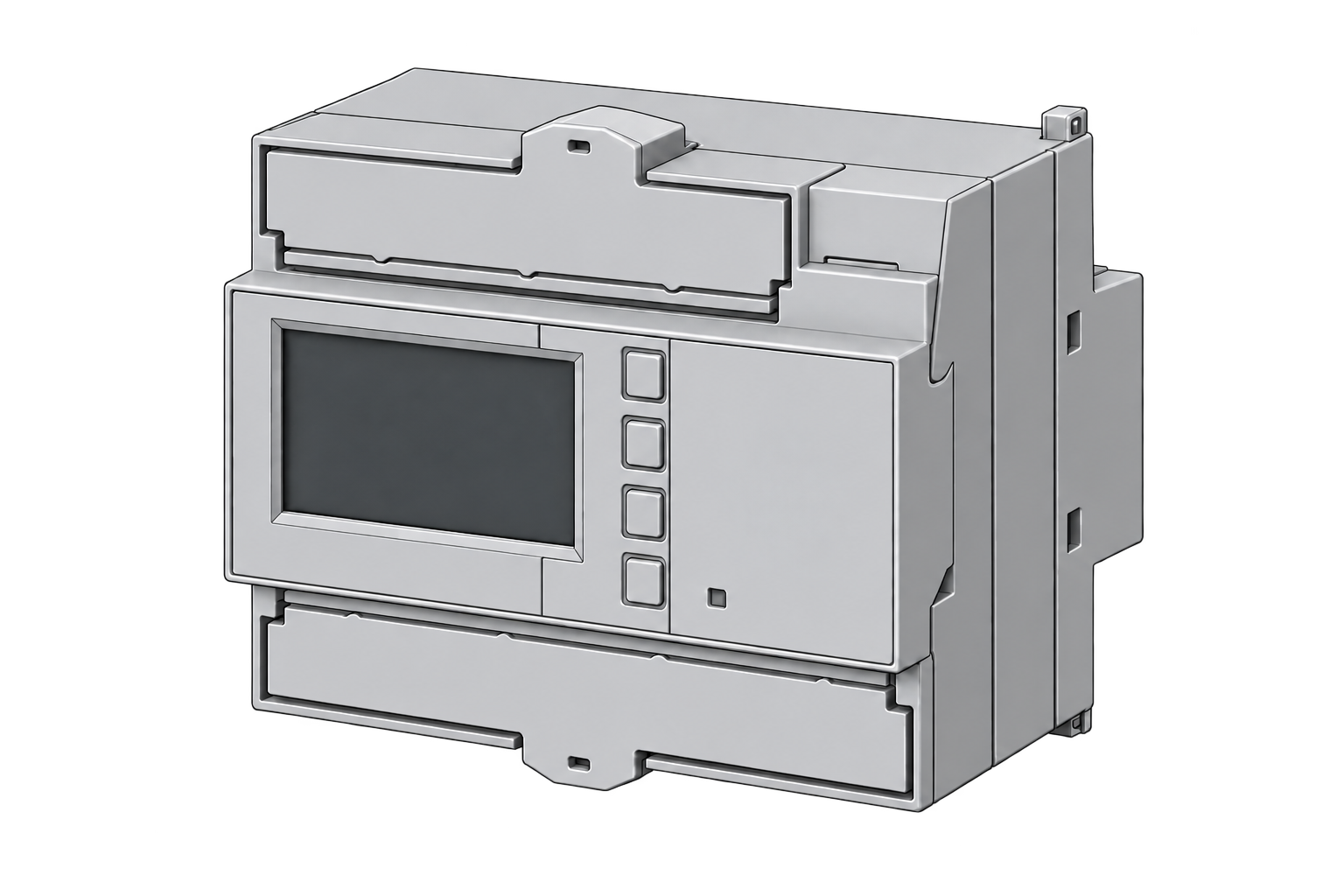
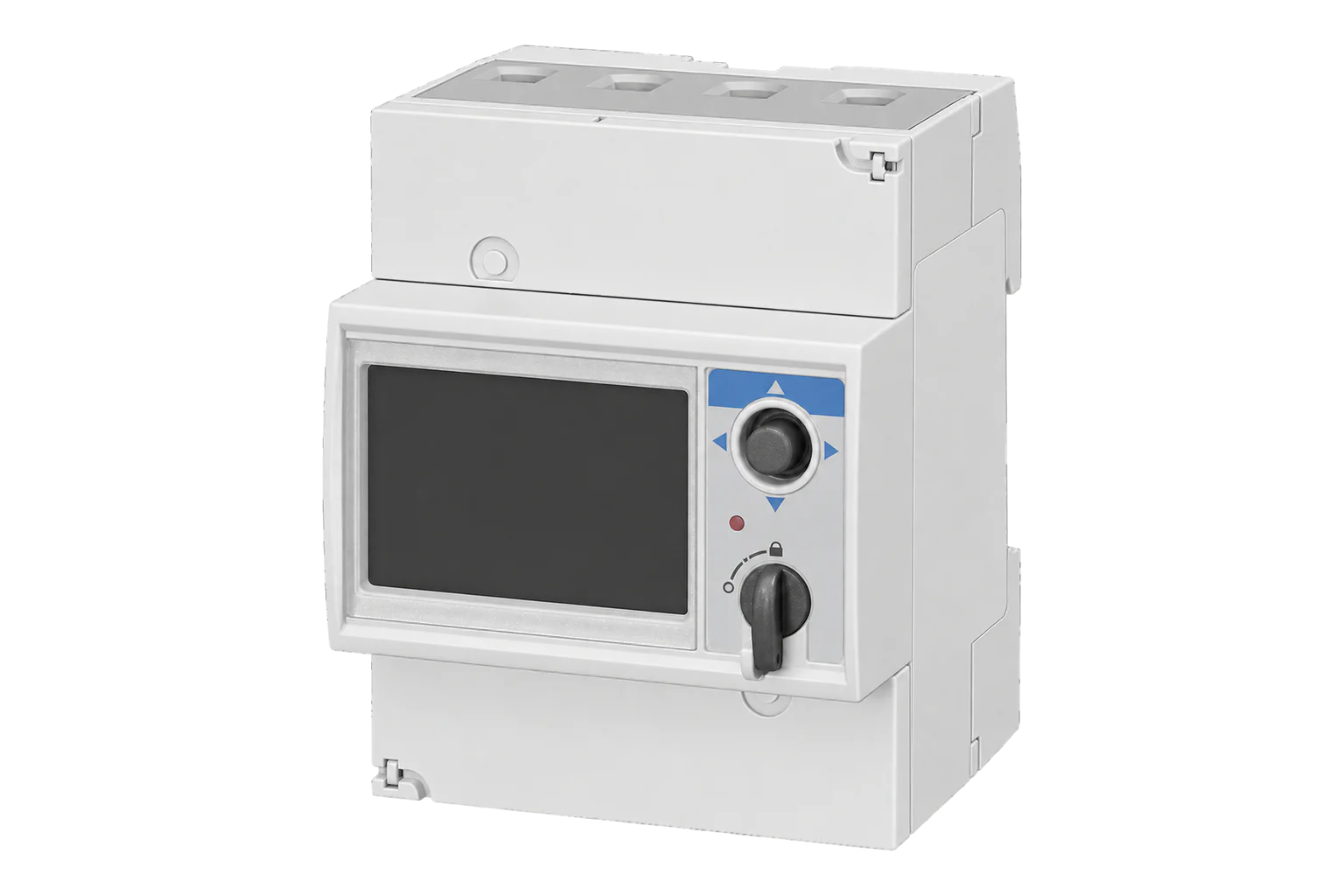
Modbus meters
All Modbus meters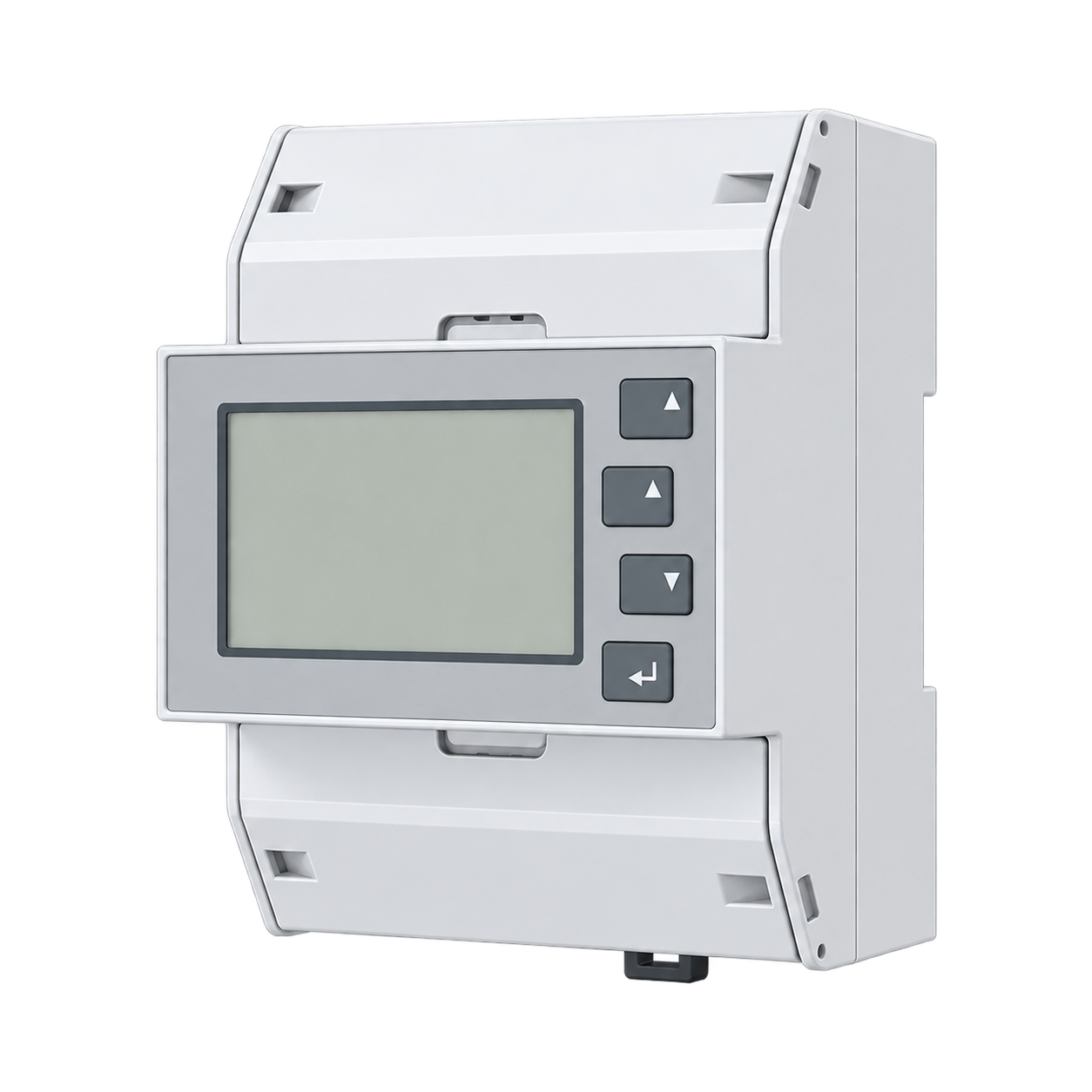
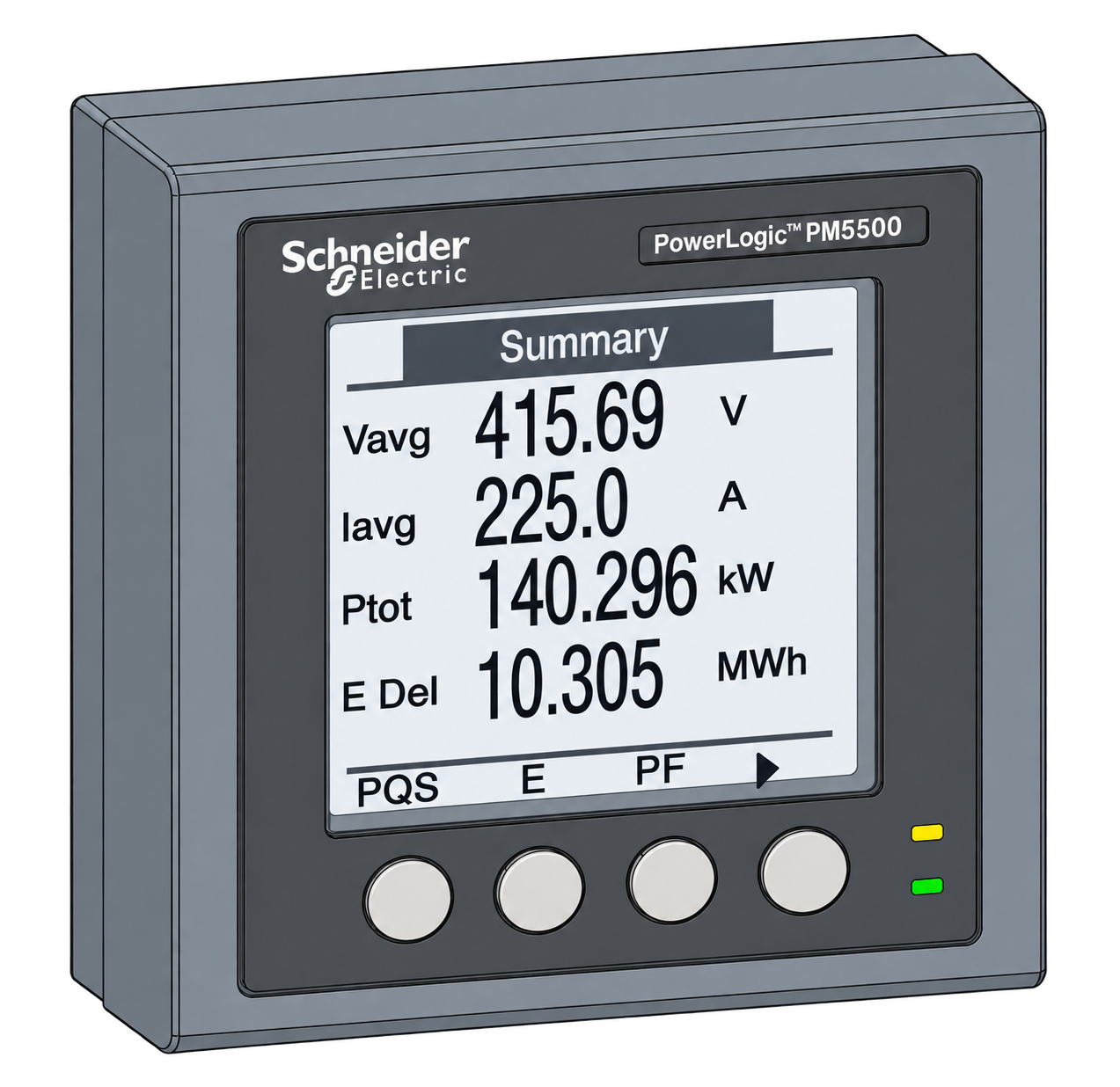
LoRaWAN pulse counters
All LoRaWAN pulse counters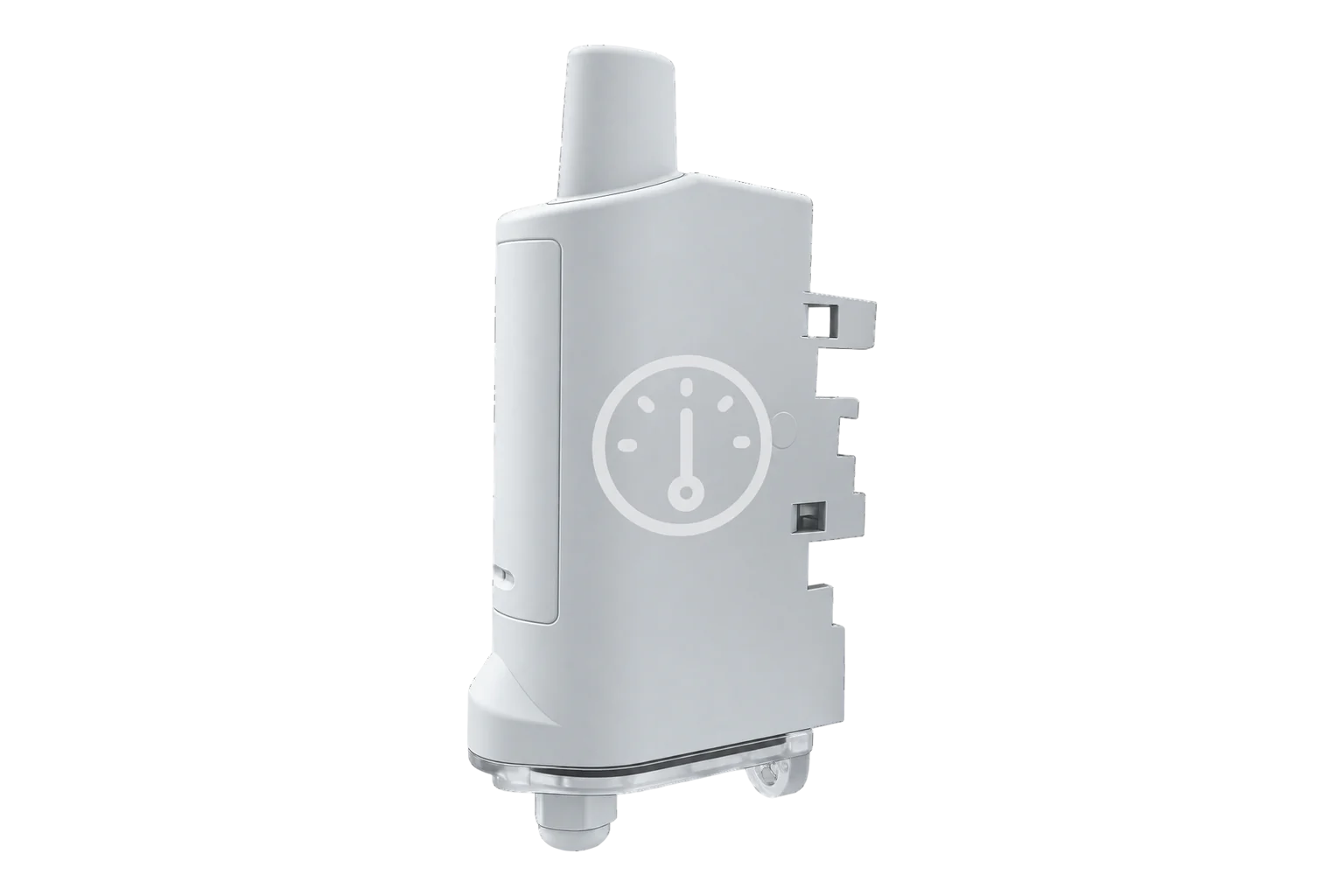
Connecting meters that are already installed?
Tell System Builder which meters you have and what interface each one has. It finds the interface product for each meter.