25 kWh in a 15-minute interval
25 kWh ÷ 0.25 h = 100 kW. If this is the highest 15-minute interval in the month, 100 kW is the actual peak demand.
Demand, average over the interval 100 kW Open in the calculator
Turn the energy recorded in one demand interval into the average kW over that interval, as a utility calculates demand.
Demand, average over the interval
100kW
Check the values to see a result.
This is the billing peak only if it is the highest interval in the billing period.
P = E × k ÷ (t ÷ 60)
25 kWh in 15 minutes is an average demand of 100 kW over the interval.
Tip: Billing demand is usually the highest interval in the month, so run this on the peak interval, not a typical one.
Demand is the average rate of energy use over a fixed interval, usually 15 or 30 minutes. To get it, divide the kWh recorded in the interval by the interval length in hours. 25 kWh in 15 minutes is 25 ÷ 0.25 = 100 kW. The highest interval in the billing period is the peak that a demand charge is based on.
P = E ÷ (t ÷ 60)
E is the kWh in one interval and t its length in minutes. For a 15-minute interval, multiply by 4; for 30 minutes, by 2.
P = E × k ÷ (t ÷ 60)
Where a meter records secondary values from CTs or VTs, k is the combined ratio: 80 for a 400/5 CT. Most modern meters apply it themselves; check the register before multiplying again.
Interval demand is an average. For a variable load it is below the highest instantaneous load in that interval; for a steady load they are equal. A one-minute 200 kW increase contributes about 13 kW to a 15-minute average. A brief start can still set the billing peak depending on the other loads and tariff, while a sustained load contributes more to the average.
25 kWh ÷ 0.25 h = 100 kW. If this is the highest 15-minute interval in the month, 100 kW is the actual peak demand.
Demand, average over the interval 100 kW Open in the calculator
Many utilities and settlement systems work in half-hours. 210 kWh in 30 minutes is an average of 420 kW over that half-hour.
Demand, average over the interval 420 kW Open in the calculator
An older meter records 0.3125 kWh on the secondary side of 400/5 CTs. Multiplied by 80 that is 25 kWh on the primary side, and over 15 minutes an average of 100 kW.
Demand, average over the interval 100 kW Open in the calculator
Average demand for energy recorded in one 15, 30 or 60-minute interval.
| Energy in the interval (kWh) | 15 minutes (kW) | 30 minutes (kW) | 60 minutes (kW) |
|---|---|---|---|
| 1 | 4 | 2 | 1 |
| 2.5 | 10 | 5 | 2.5 |
| 5 | 20 | 10 | 5 |
| 10 | 40 | 20 | 10 |
| 25 | 100 | 50 | 25 |
| 50 | 200 | 100 | 50 |
| 100 | 400 | 200 | 100 |
| 250 | 1,000 | 500 | 250 |
| 500 | 2,000 | 1,000 | 500 |
| 1,000 | 4,000 | 2,000 | 1,000 |
kW is a rate, kWh an amount. A 100 kW load running for 15 minutes uses 25 kWh. Interval demand turns the amount in an interval back into the average rate.
Not always. Billing demand may be the highest interval in the month, the highest within certain hours, a ratchet on earlier months, or measured in kVA. The tariff defines it.
A meter or logger reading instantaneous power, or a shorter interval, catches peaks that a 15 or 30-minute average smooths out. Compare figures measured over the same interval.
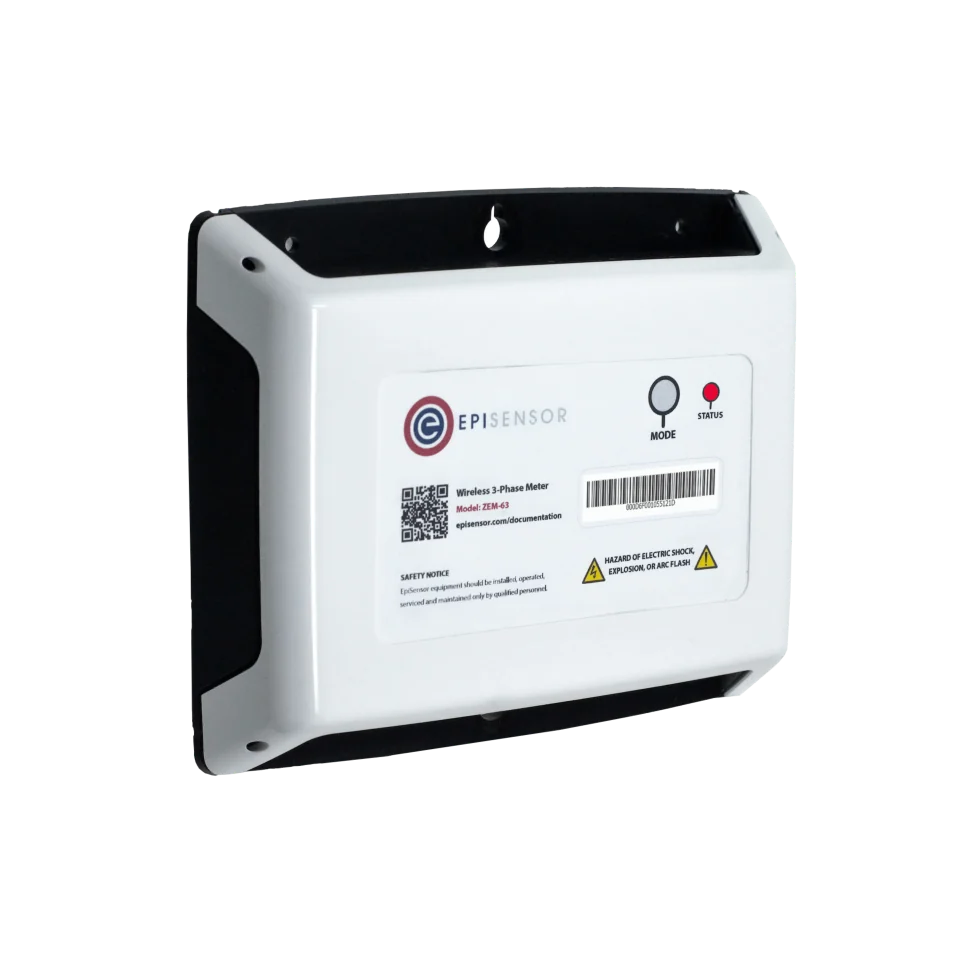
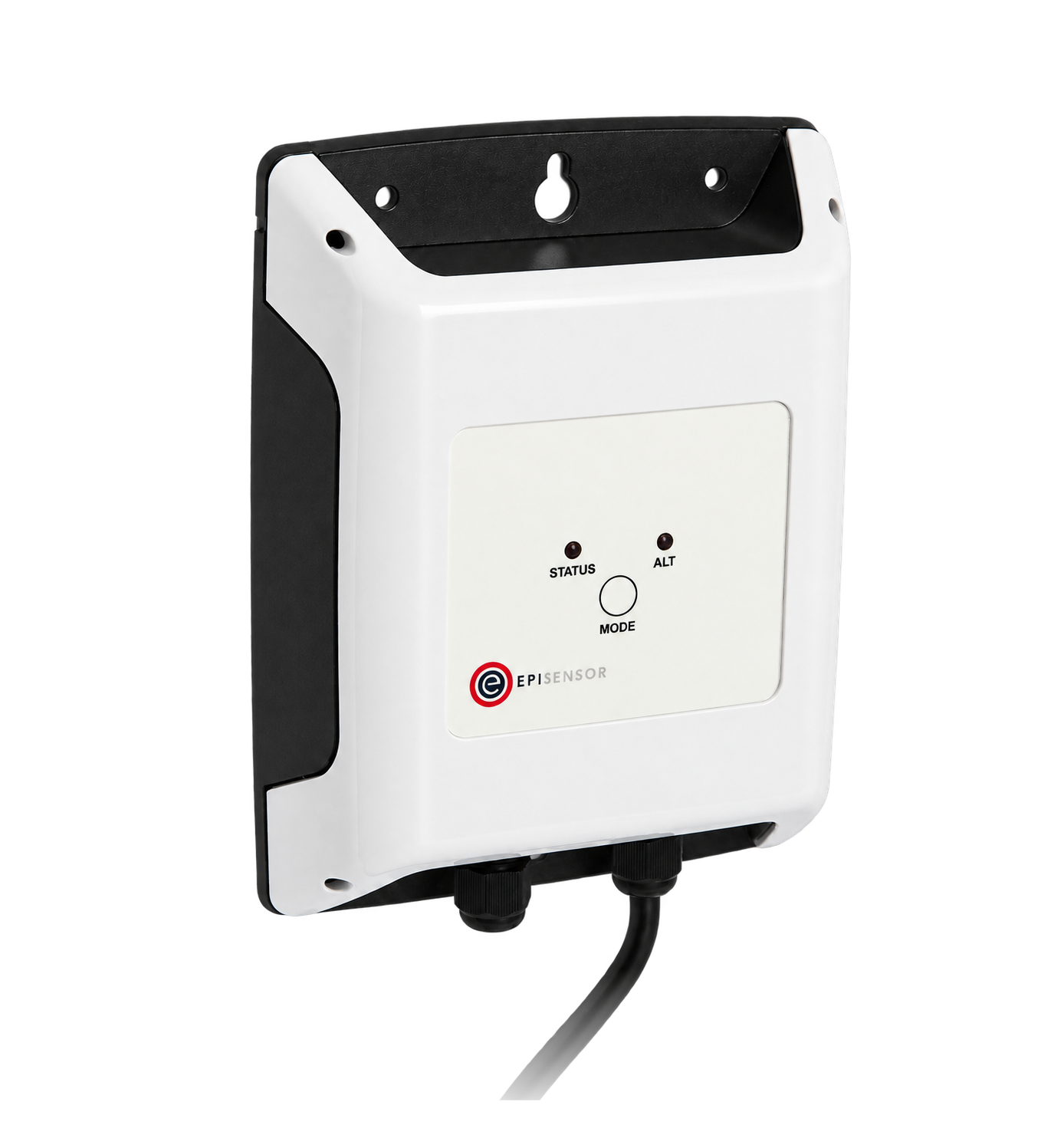
A ZEM measures demand directly on a circuit. For an existing meter with a pulse output, a ZPC counts the pulses, which give the energy in each interval.