A two-hour run at 60% load
A 200 kW set burns 75 L over 2 hours and generates 240 kWh. That is 0.3125 L/kWh, 37.5 L/h and an average of 120 kW, 60% of its rating.
Fuel per kWh 0.3125 L/kWh Open in the calculator
Work out a generator’s fuel per kWh, fuel per hour and average load from one measured run.
Fuel per kWh
0.3125L/kWh
Check the values to see a result.
Compare runs at similar load: fuel per kWh is usually higher at light load.
fuel rate = litres ÷ hourslitres/kWh = litres ÷ generated kWhaverage load = kWh ÷ hours ÷ rated kW
75 L for 240 kWh is 0.3125 L/kWh, at an average load of 60% over 2 h.
Tip: Read the fuel and energy totals at the same start and stop moments, so the ratio covers one run.
A generator’s fuel efficiency is the fuel it burns for each kWh it generates, in litres per kWh. It comes from two meter readings over one run: litres of fuel used and kWh generated. A set that burns 75 L while generating 240 kWh over 2 hours uses 0.3125 L/kWh, at an average of 120 kW.
L/kWh = fuel used (L) ÷ energy generated (kWh)
The fuel reading comes from a fuel flow meter, or from the tank level before and after the run. The energy comes from an electricity meter on the generator’s output. Both must cover exactly the same run.
L/h = fuel used (L) ÷ run time (h)
The rate at which the tank empties, which sets how long the generator can run before refuelling: a 1,000 L tank lasts about 27 hours at 37.5 L/h.
Load (%) = energy (kWh) ÷ run time (h) ÷ rated output (kW) × 100
The average output as a share of the rating. Compare fuel per kWh only between runs at similar loads, because a lightly loaded engine burns more fuel for each kWh it delivers.
The inverse, kWh per litre, gives a quick efficiency check. Diesel holds roughly 10 kWh of chemical energy per litre, so a set delivering 3.2 kWh/L turns about a third of it into electricity. A run well below that figure at a similar load points to a fault, a leak or a meter that is not reading the whole run.
A 200 kW set burns 75 L over 2 hours and generates 240 kWh. That is 0.3125 L/kWh, 37.5 L/h and an average of 120 kW, 60% of its rating.
Fuel per kWh 0.3125 L/kWh Open in the calculator
A 100 kW set run for an hour against a 25 kW building load burns 9.5 L, 0.38 L/kWh. The calculator flags the light load: long runs below about 30% can leave unburnt fuel in the exhaust, a problem called wet stacking. A load bank lets the test run at a realistic load.
Fuel per kWh 0.38 L/kWh Open in the calculator
Run for 30 minutes to cover a peak, a 250 kW set generates 100 kWh on 28 L of fuel: 0.28 L/kWh at 80% load. With a fuel price, that sets the cost of each kWh generated against the cost of importing it.
Fuel per kWh 0.28 L/kWh Open in the calculator
The Cummins 4BTAA3.3-G14 at 1,500 rpm on its prime rating, from the manufacturer’s data sheet. Figures are per kWh of engine (shaft) output; the generator’s electrical output is lower by the alternator’s losses. The data sheet prints fuel to the nearest litre, so at light load the figures are rounded by as much as 12%.
| Load (% of prime) | Engine output (kWm) | Fuel (L/h) | Fuel per kWh (L/kWh) |
|---|---|---|---|
| 100 | 58 | 15 | 0.2586 |
| 75 | 44 | 11 | 0.25 |
| 50 | 29 | 8 | 0.2759 |
| 25 | 15 | 4 | 0.2667 |
It depends on its size and load. The manufacturer’s data sheet gives fuel at 25%, 50%, 75% and 100% load; in the table above, a 58 kW engine uses 4 L/h at a quarter load and 15 L/h at full load. Measuring each run gives the figure for your set and your loads.
Part of the fuel overcomes the engine’s own friction and drives its cooling fan and other auxiliaries, whatever the load. At light load those fixed losses are spread over fewer kWh.
No. Engine data sheets often quote fuel per kWh of shaft output, sometimes in grams. A generator’s electrical output is lower, so its litres per electrical kWh are higher.
An electricity meter on the generator output, and a fuel flow meter or tank level sensor with a 4-20 mA output. See generator remote monitoring.
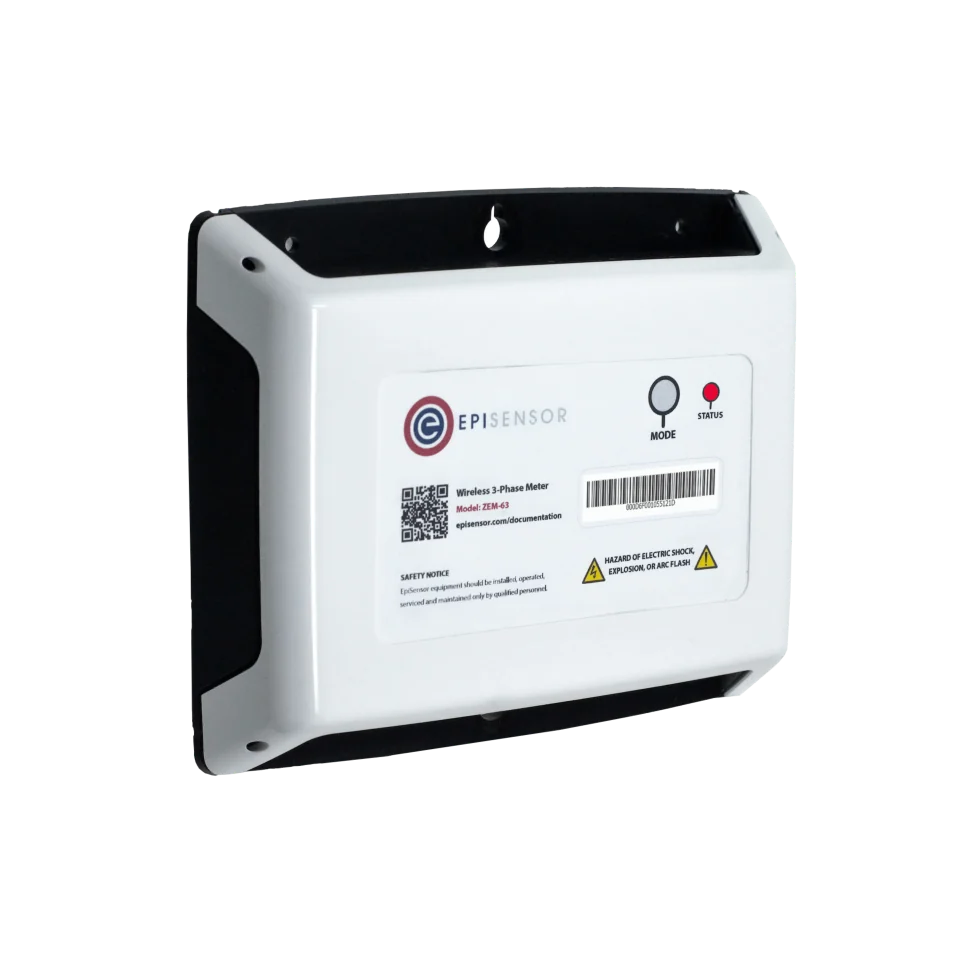
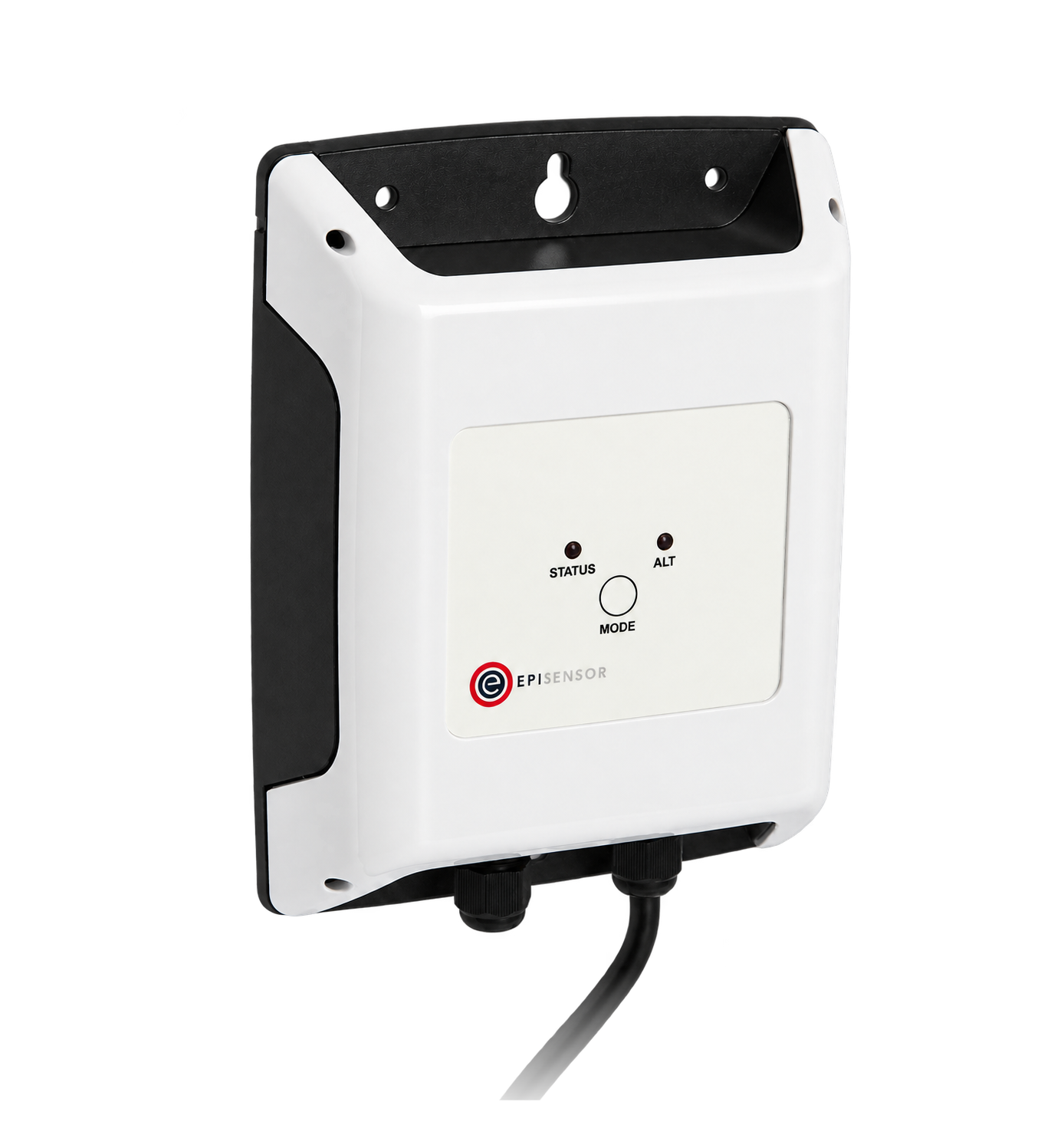
A ZEM measures the generator’s electrical output; a ZIO reads a fuel flow meter or tank level transmitter, so every run is logged without a site visit.