A 100 kW system in metric units
100 kW for 16.7 m³/min of air is 5.988 kW/(m³/min). Each cubic metre takes about 0.1 kWh, so at €0.20 per kWh the air costs about €0.02 per cubic metre.
Specific power 5.988 kW/(m³/min) Open in the calculator
Work out a compressed air system’s specific power, the electrical kW it takes per unit of air delivered, in metric and imperial units.
You enterCalculated
Compare compressors only at the same discharge pressure and flow reference conditions.
Type the electrical input and the air delivered, or drag the cursor to see the input another specific power would take for the same air.
Specific power
5.988kW/(m³/min)
Check the values to see a result.
Compare compressors only at the same discharge pressure and flow reference conditions.
Specific power = electrical input kW ÷ delivered flow
100 kW for 16.7 m³/min of air is 5.988 kW per m³/min.
Tip: Measure power and flow over the same interval, including dryers if you compare whole systems.
Specific power is the electrical power a compressed air system draws for each unit of air it delivers: kW per m³/min in metric units, or kW per 100 cfm in imperial. It is the one number that lets two compressors, or the same compressor before and after a change, be compared fairly. A system drawing 100 kW to deliver 16.7 m³/min runs at 5.988 kW/(m³/min), or 16.96 kW/100 cfm.
Specific power = Pelectrical (kW) ÷ Q (m³/min)
P is the electrical input measured at the supply, including the drive and fan motors; Q is the air delivered, from a flow meter on the compressor outlet or the header. A flow in m³/h is divided by 60 first.
Specific power = Pelectrical (kW) ÷ Q (cfm) × 100
The form used on the Compressed Air and Gas Institute (CAGI) data sheets, which state each compressor’s specific package input power at its rated pressure. One m³/min is 35.31 cfm, so kW per 100 cfm is 2.832 times kW per m³/min.
kWh per m³ = specific power (kW/(m³/min)) ÷ 60
The same ratio as energy per cubic metre of air, which with a tariff gives the cost of the air. At 6 kW/(m³/min), each cubic metre takes 0.1 kWh.
Compare figures only at the same discharge pressure and the same flow reference conditions. The US Department of Energy’s sourcebook gives a rule of thumb for systems around 100 psig: every 2 psi of extra discharge pressure adds about 1% to energy use at full flow. Flow quoted as free air delivery, normal cubic metres or actual cubic metres gives different numbers for the same air; the calculator converts units but not reference conditions.
100 kW for 16.7 m³/min of air is 5.988 kW/(m³/min). Each cubic metre takes about 0.1 kWh, so at €0.20 per kWh the air costs about €0.02 per cubic metre.
Specific power 5.988 kW/(m³/min) Open in the calculator
A compressor measured at 37 kW while delivering 200 cfm runs at 18.5 kW/100 cfm. If its CAGI data sheet gives a lower figure at the same pressure, the difference is worth finding: a blocked intake filter, a worn air end or a pressure set higher than the rating.
Specific power 18.5 kW/100 cfm Open in the calculator
A 55 kW compressor delivers 540 m³/h, but 20% of it leaks away before it reaches production. The air that is used is 432 m³/h, 7.2 m³/min, so the specific power of useful air is 7.639 kW/(m³/min) instead of 6.1.
Specific power 7.639 kW/(m³/min) Open in the calculator
Each specific power in kW per m³/min converted to kW per 100 cfm, kWh per 1,000 m³ and air delivered per kW.
| kW/(m³/min) | kW/100 cfm | kWh per 1,000 m³ | cfm per kW |
|---|---|---|---|
| 4 | 11.33 | 66.67 | 8.829 |
| 4.5 | 12.74 | 75 | 7.848 |
| 5 | 14.16 | 83.33 | 7.063 |
| 5.5 | 15.57 | 91.67 | 6.421 |
| 6 | 16.99 | 100 | 5.886 |
| 6.5 | 18.41 | 108.3 | 5.433 |
| 7 | 19.82 | 116.7 | 5.045 |
| 8 | 22.65 | 133.3 | 4.414 |
| 9 | 25.49 | 150 | 3.924 |
| 10 | 28.32 | 166.7 | 3.531 |
It depends on the compressor type, its size and the discharge pressure, so compare against the CAGI data sheet for the same model at the same pressure rather than a single figure. A whole system reads higher than the compressor alone once dryers, part-load running and leaks are included.
A fixed-speed compressor that unloads when demand falls still draws a large share of its full-load power while delivering no air. Averaged over a shift, its specific power rises as demand falls. Variable-speed compressors follow demand more closely.
The US Department of Energy’s sourcebook finds that a poorly maintained plant typically leaks about 20% of its compressors’ output. A leak survey and repair is often the cheapest saving in a compressed air system.
Electrical power on the compressor supply and a flow meter on the outlet, logged over the same intervals. See compressed air energy monitoring for a system that does it.
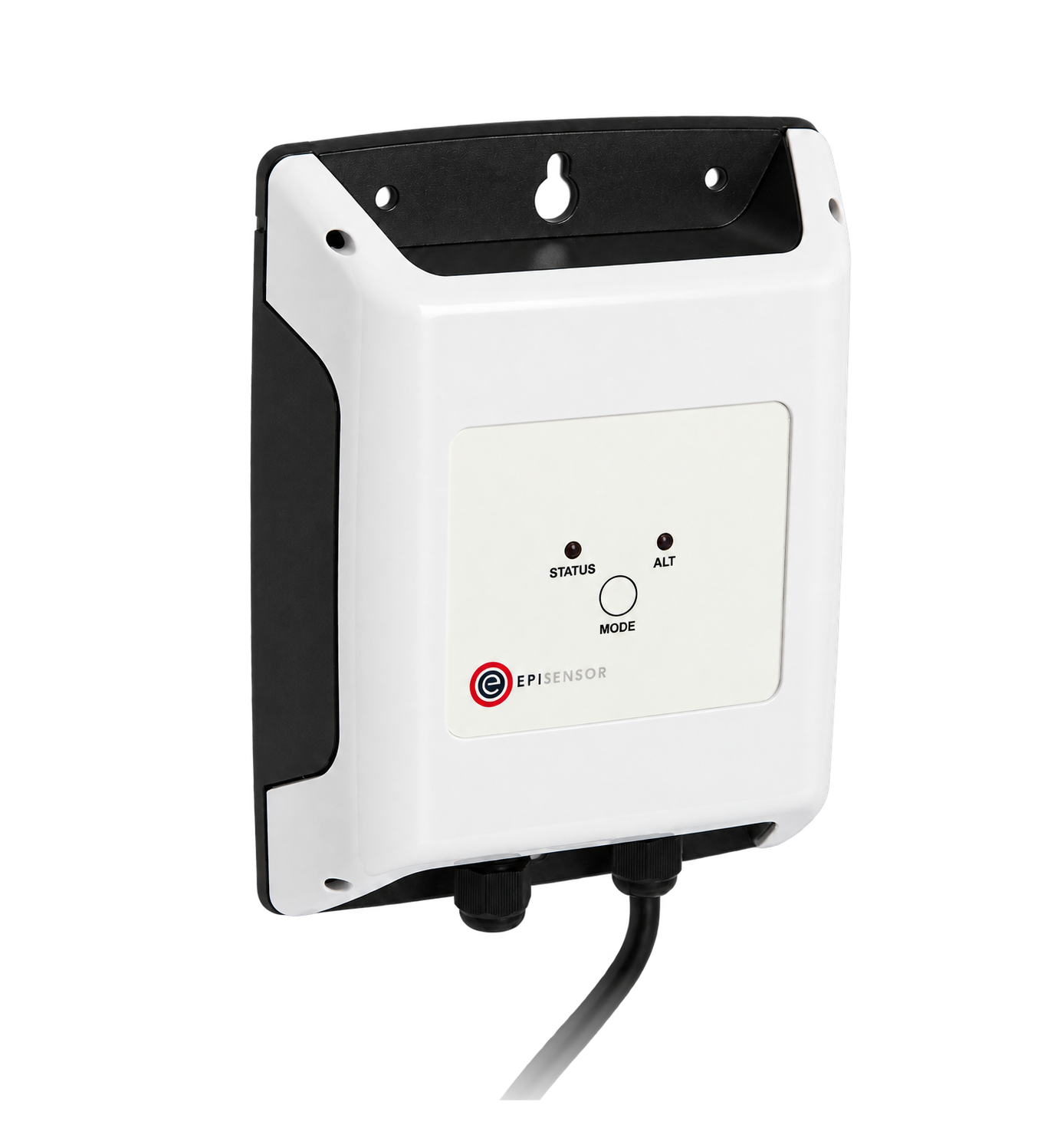
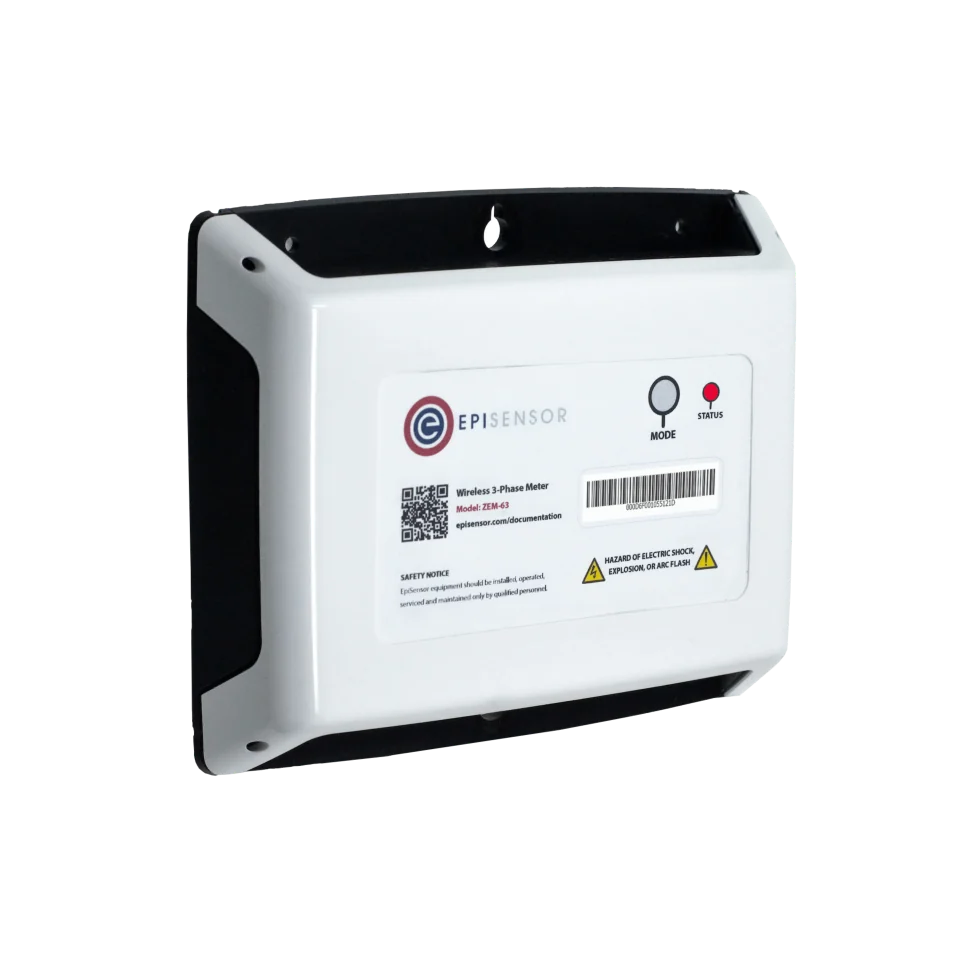
A ZEM measures the compressor’s electrical input, and a ZIO reads the 4-20 mA output of the air flow meter, so both halves of the ratio arrive on the same interval.