SONOFF S60ZBTPG
Metering smart plug
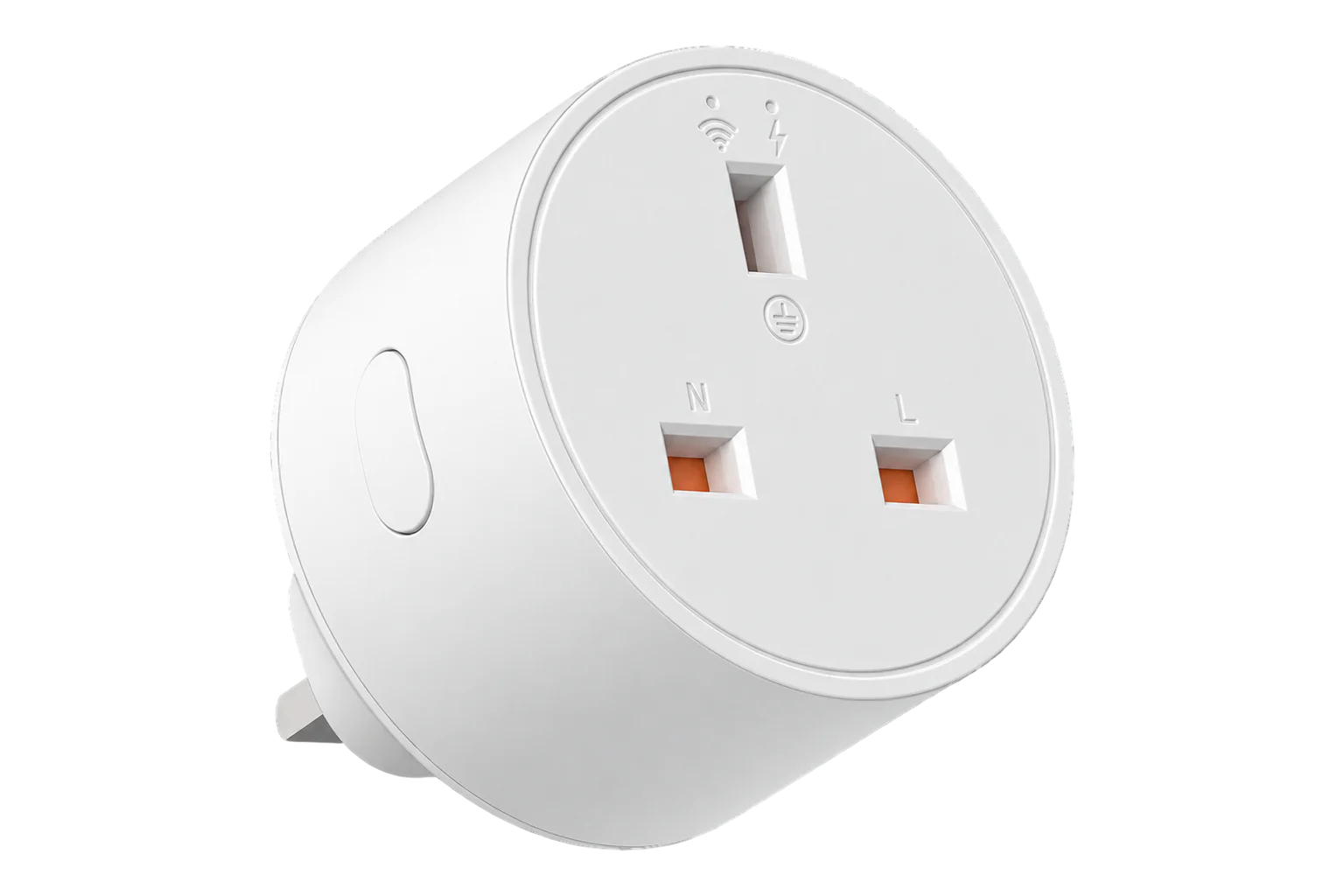
A 13 A Zigbee 3.0 smart plug for UK Type G sockets. It switches a load of up to 3250 W, reports power, current, voltage and energy, and repeats Zigbee traffic for other devices on the network.
- Zigbee
Metering smart plug
Compatibility
Compatible with EpiSensor Edge over Zigbee.
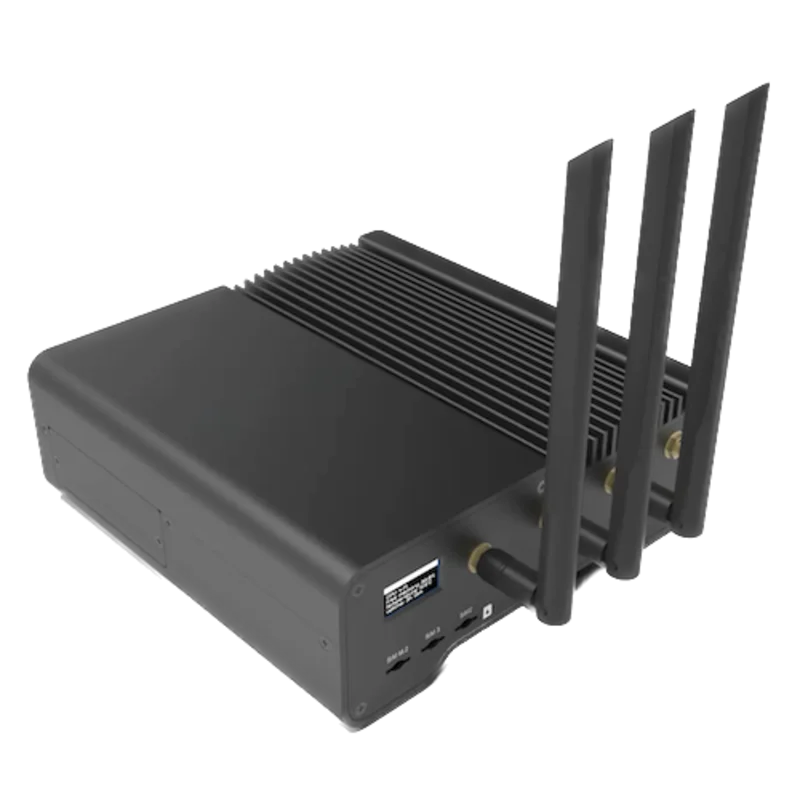
Pair it with the Zigbee radio on an EpiSensor Gateway. Edge reads it locally on the Gateway.
Edge reads 18 values from it, listed under Interface.
Connect it with
-
Gateway ZGW-20From €899 ex VAT Configure Gateway
Specifications
The S60ZBTPG is SONOFF's UK version of its S60 Zigbee plug: a single Type G outlet with a relay and an energy meter behind it. SONOFF rates it at 250 V, 50/60 Hz and 13 A, with a maximum load of 3250 W. It uses a Telink TLSR8656 Zigbee 3.0 chip and repeats Zigbee traffic, so it strengthens the mesh wherever it is plugged in.1
- Power
- Mains. Powered from the Type G socket it plugs into: 250 V AC, 50/60 Hz.1
- Rated input
- 250 V AC, 50/60 Hz, 13 A maximum1
- Maximum load
- 3250 W1
- Socket and plug
- Type G (UK)1
- Wireless
- Zigbee 3.0, repeats traffic for other devices1
- Zigbee chip
- Telink TLSR86561
- Working temperature
- -10 to 40 °C1
- Working humidity
- 5 to 95 % RH, non-condensing1
- Dimensions
- 58 × 58 × 42 mm1
- Weight
- 88.2 g1
- Enclosure
- PC, indoor use only1
- Certification
- CE, RoHS1
Where it is used
Plug-in loads in branch offices and shops, such as water boilers and printers, measured alongside the site meter so their share of the baseload is known.
Multi-site energy monitoringTurning equipment off overnight and at weekends, with the daily and monthly counters showing the energy saved.
A short survey of what an appliance draws and when it runs, before deciding whether it deserves a fixed circuit meter.
Interface
On the Zigbee network it joins as a router and extends the mesh for other devices.1
Readings and settings, with units and ranges where SONOFF publishes them. readable, readable and writable, writable only.3
| Reading | Unit | Range or values | Access |
|---|---|---|---|
| Measurements 7 | |||
| PowerActive power drawn by the load | W | - | Read only |
| CurrentLoad current | A | - | Read only |
| VoltageSupply voltage at the socket | V | - | Read only |
| EnergyCumulative energy delivered to the load | kWh | - | Read only |
| Energy today | kWh | - | Read only |
| Energy yesterday | kWh | - | Read only |
| Energy this month | kWh | - | Read only |
| Controls 1 | |||
| RelaySwitches the outlet | - | ONOFFTOGGLE |
Read and write |
| Settings 10 | |||
| Power-on behaviourRelay state when mains returns after an outage | - | offontoggleprevious |
Read and write |
| Inching timeTurns the outlet back off (or on) this long after each switch, when inching is enabled | s | 0.5 to 3,599.5 s | Write only |
| Overload protectionEnables the configurable protection limits below | - | ONOFF |
Read and write |
| Maximum power | W | 0.1 to 3,250 W | Write only |
| Minimum powerOptional lower limit | W | 0.1 to 3,250 W | Write only |
| Maximum current | A | 0.1 to 14 A | Write only |
| Minimum currentOptional lower limit | A | 0.1 to 14 A | Write only |
| Maximum voltageOptional upper limit | V | 165 to 277 V | Write only |
| Minimum voltageOptional lower limit | V | 165 to 277 V | Write only |
| Network indicatorTurns the blue status LED on or off | - | ONOFF |
Read and write |
Power, current and voltage come from a SONOFF manufacturer-specific cluster (0xFC11), as do the daily and monthly energy counters. The cumulative energy total uses the standard Zigbee Simple Metering cluster.4
The plug's public Zigbee definition asks for power and current reports no more often than every 10 seconds, and for the three energy counters every 60 to 3,600 seconds or after a 0.05 kWh change.4
The plug can keep reporting a small current and power after the relay opens. The definition forces both to zero while the plug is off, so read a standby figure together with the relay state.4
Setup
-
Open pairing in Edge
In Edge, open pairing on the Gateway's Zigbee network. The Gateway accepts new devices while pairing is open.
-
Plug it in
Plug the S60ZBTPG into a socket and switch the socket on. On its first power-up it enters pairing mode by itself and the blue network LED flashes slowly. Pairing mode lasts 180 seconds.1
-
Or start pairing by hand
On a plug that has been paired before, press and hold the button for 5 seconds until the blue LED flashes slowly.1
-
Confirm the join
The blue LED stays on once the plug is connected. A fast flash means the connection is not working. Check that Edge identifies it as SONOFF S60ZBTPG.1
-
Check one reading
Switch the relay from Edge and check that the red power LED follows it. Then run a load of known rating, such as a 2 kW heater, and compare the power reading with its rating.
Common questions
- Does the S60ZBTPG need a SONOFF hub to work with Edge?
- No. It is a Zigbee 3.0 device, so it joins the Zigbee radio on an EpiSensor Gateway directly, and Edge reads it on the Gateway without a SONOFF hub or the eWeLink cloud.1
- What is the maximum load?
- 13 A and 3250 W at 250 V. SONOFF advises against motor-driven loads with a high starting current, such as air conditioners, refrigerators and washing machines, and against EV charging.1
- Why did the plug turn off by itself?
- Its protection opened the relay. The maximum current and power limits are always active, and while the plug is locked out its blue LED flashes quickly without stopping. Remove the excess load and switch it back on remotely.1
- Can I set my own protection limits?
- Yes. The plug accepts upper limits for power (up to 3250 W) and current (up to 14 A), and optional lower limits for power and current plus upper and lower voltage limits between 165 and 277 V.3
- Is there a version for European sockets?
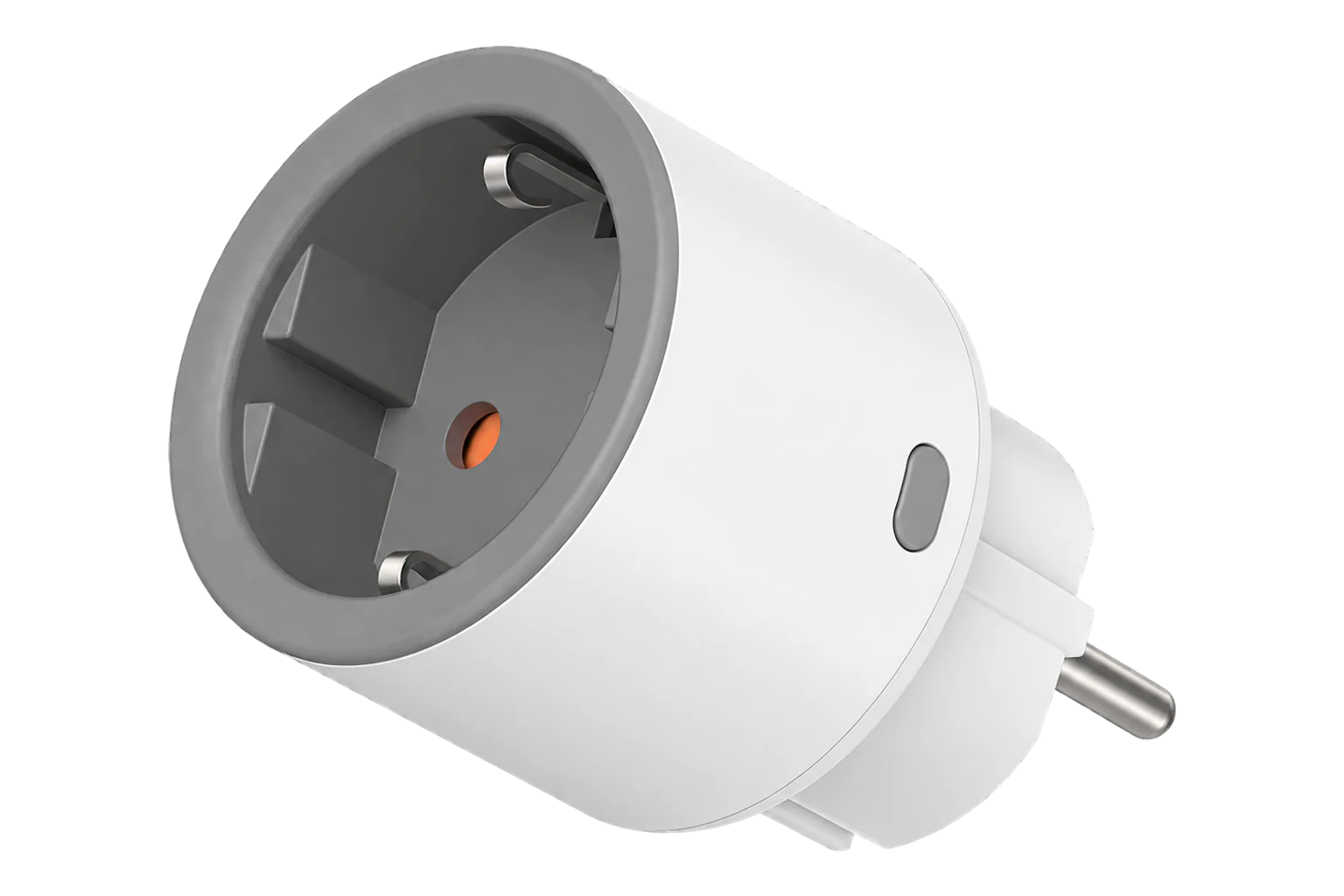
- Yes. The S60ZBTPF fits Type C, E and F sockets and is rated at 16 A and 4000 W.2
Related devices
Sources
- S60ZBTPG product guide and specifications (opens in a new tab)
- S60ZBTPF product guide and specifications (opens in a new tab)
- SONOFF S60ZBTPG device documentation (opens in a new tab)
- SONOFF S60ZBTPG Zigbee definition (opens in a new tab)
Further reading
Product names and trademarks belong to their owners. Publication does not imply endorsement or a commercial relationship.