Tenant submetering and cost allocation
Meter each tenancy, the landlord supply and common services, and export a dated record that reconciles with the main meter.
- Measure
- The landlord incomer, each tenancy, the common services, and the water, gas or heat that is allocated
- Good practice
- Metrology and billing rules are national, so check them before a reading becomes an invoice
- Sensors
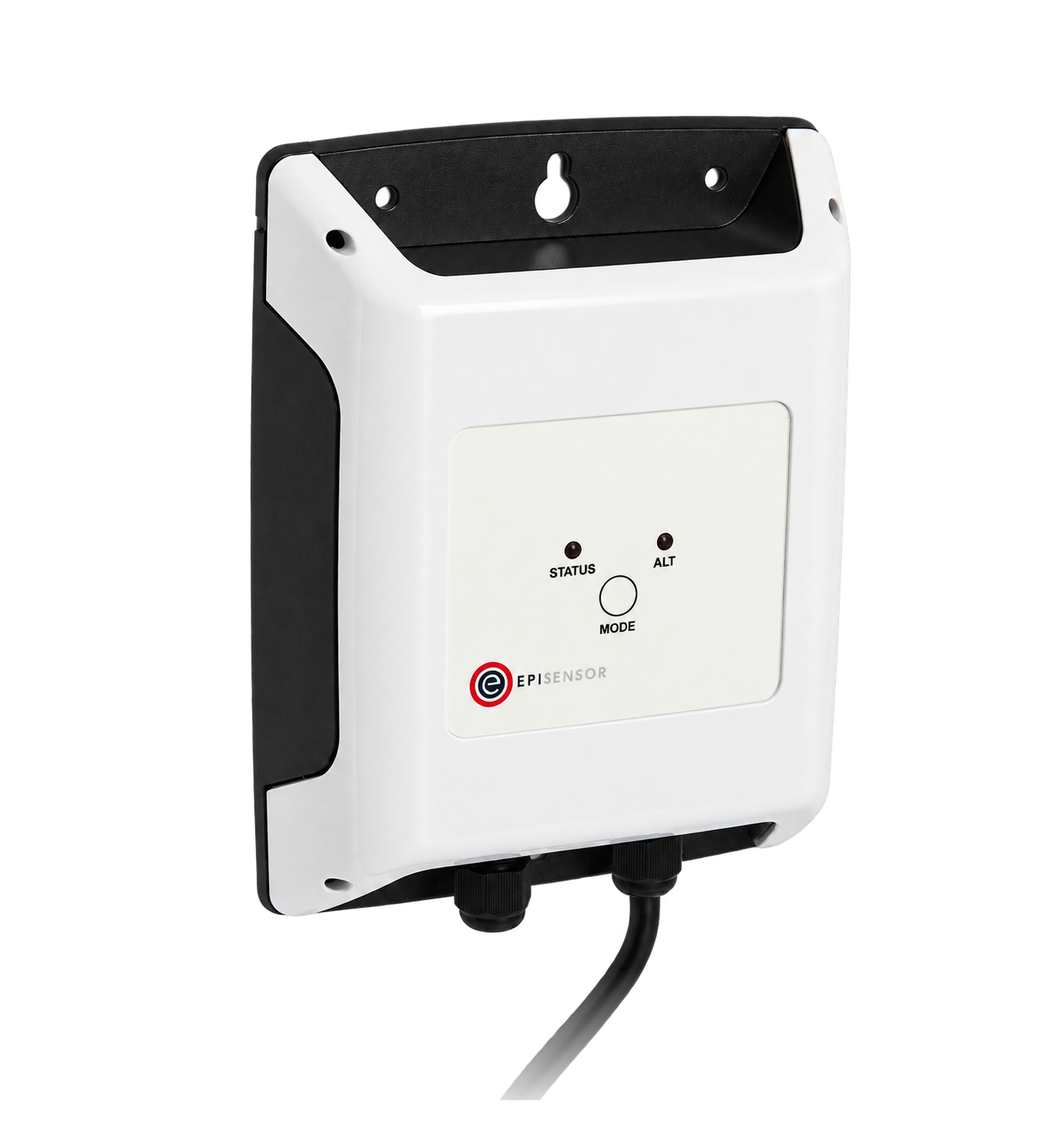
- ZEM-65, with the current-transformer option selected for each feed
- On site
- Gateway quantity and radio paths confirmed by the site survey
Decide whether the record is for monitoring, allocation or charging
EpiSensor can acquire, retain and export named meter readings. The customer's controlled allocation process must own tenancy identity, effective dates, tariffs, corrections and disputes. Before a reading becomes a tenant charge, the responsible professional must confirm the meter, installation, evidence trail and allocation method against the lease and the rules that apply in that jurisdiction.
Hardware for commercial tenant submetering
Use one electrical meter for each non-overlapping tenancy or common-service feed. Existing water, gas and heat meters need their own suitable output and matching interface. Select the current ZEM-65 CT option from the catalogue, then qualify the complete metering and billing arrangement separately where readings may be charged.
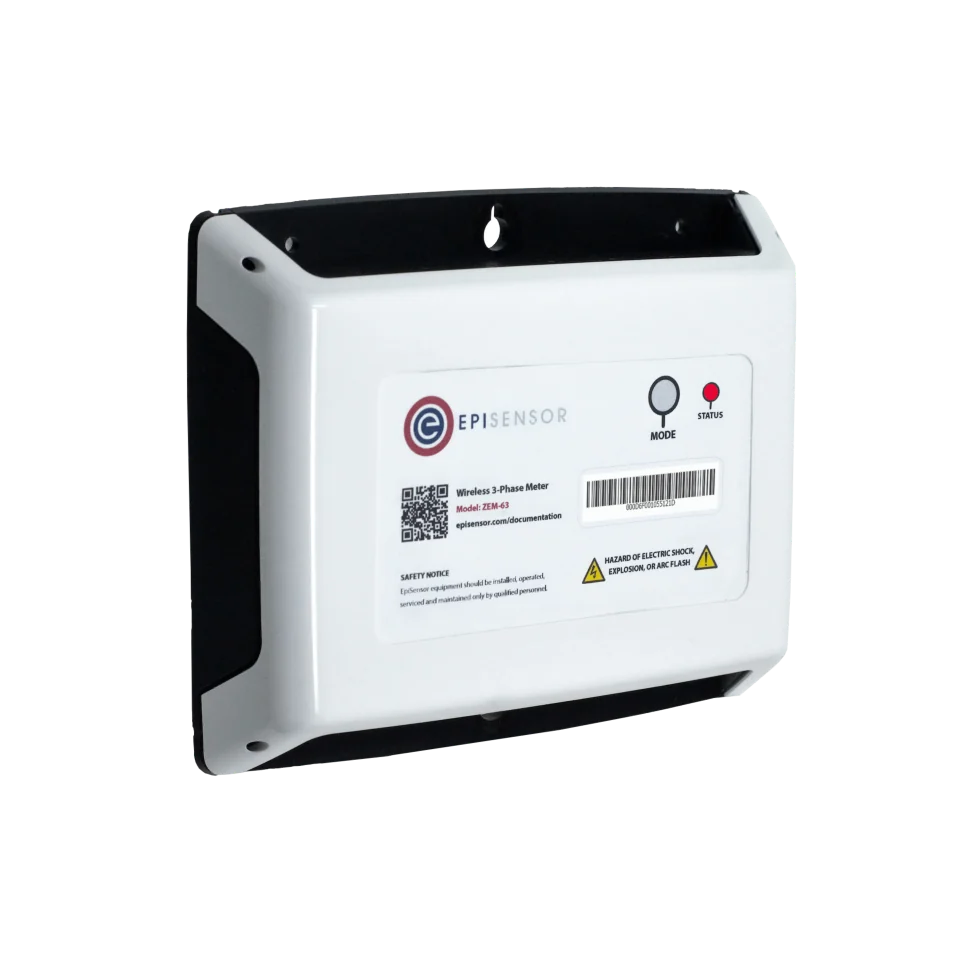
Each tenancy feed, the common services and the landlord incomer
1 per feed three-phase, 3 or 4 wire
- Choose the CT rating per feed: 120 A split-core, or 300 A, 1 kA and 3 kA Rogowski coils
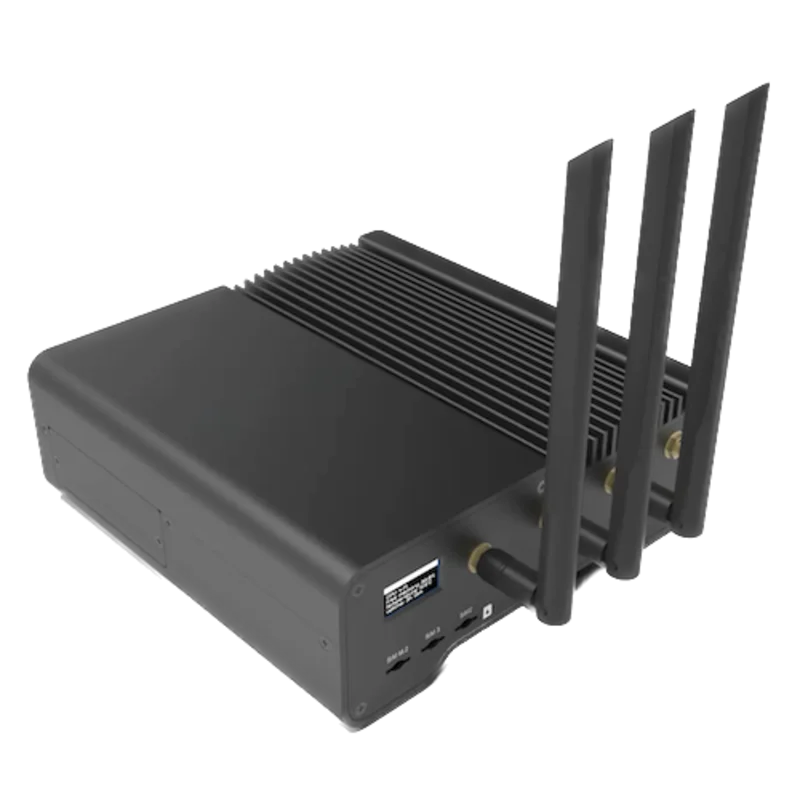
Collects every submeter, keeps the readings and exports them to the billing process
Start with 1 per building, then survey device count and radio coverage commissioned on site
If water or gas is allocated
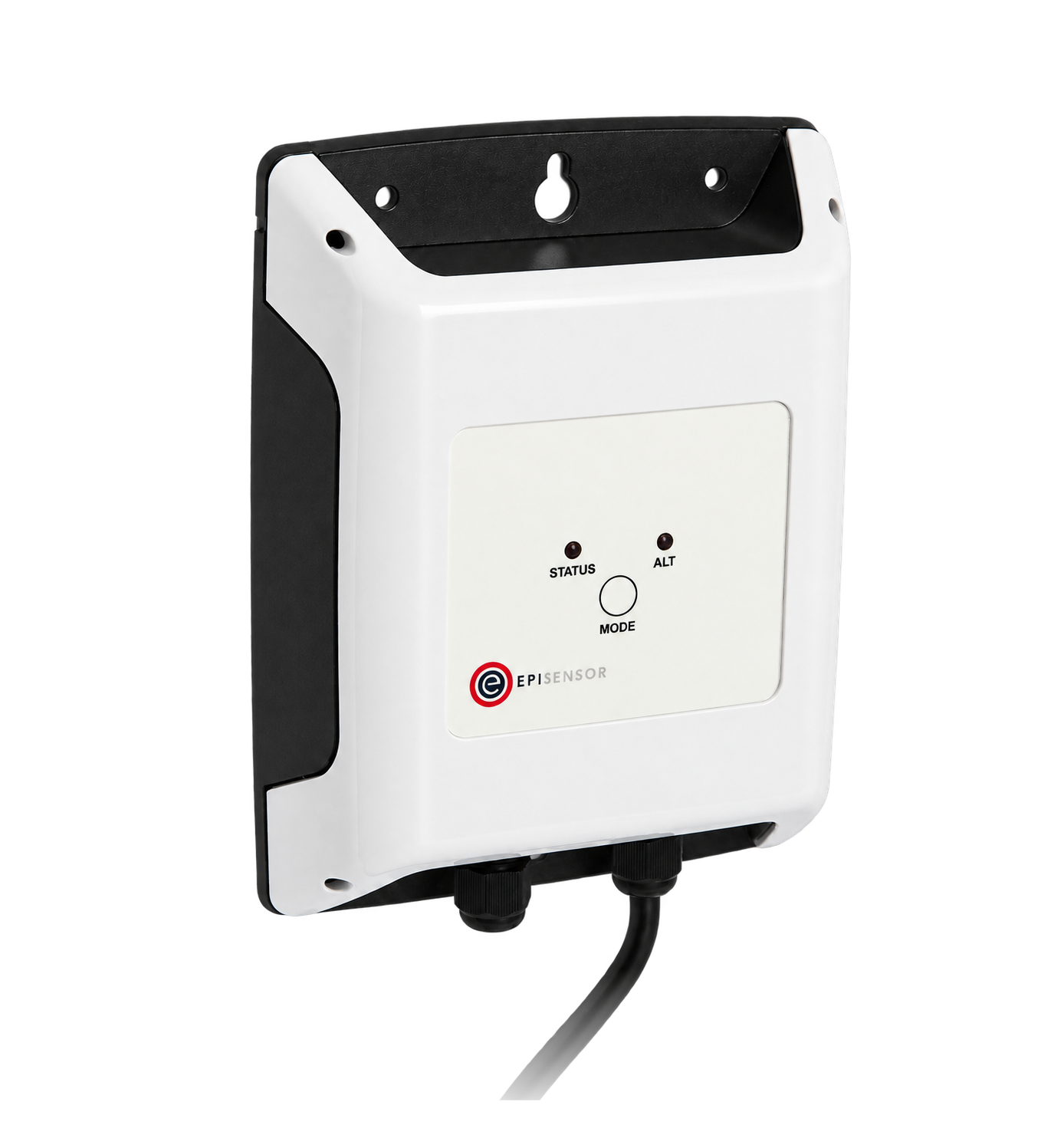
Water and gas meters with a pulse output, where those are allocated too
1 per meter two channels on the ZPC-22
Pulses down to 10 ms wide, up to 40 Hz, inputs to 35 V DC
If heat or cooling is allocated
Heat meters on a shared heating or cooling system
1 per meter one connected meter each
Design the electrical submetering hierarchy
Every meter stands for one physical boundary. Record the meter identity, board and feed, the allocation boundary it supports, and the date that controlled mapping starts. Keep incomer, tenancy and common-service periods aligned before comparing them.
From each metering boundary to the allocation record
Electrical feeds, pulse-output utility meters and wired M-Bus heat meters follow distinct acquisition paths before their named readings are aligned in Edge.
- Wired
- Zigbee
- Edge
- Platforms
| Position | What it tells you | Reference | Sensor |
|---|---|---|---|
| Landlord incomer | The total the allocation has to reconcile against | Matching periods on both sides of the comparison | ZEM-65 (on this page), incomer |
| Tenancy feed | One tenancy's electrical consumption, at its lease boundary | CT direction and ratio confirmed against a known load | ZEM-65 (on this page), one per tenancy |
| Common services | Lifts, lighting and plant that are shared and then apportioned | Named in the lease as a landlord or shared cost | ZEM-65 (on this page), one per service |
| Water or gas pulse meter | Consumption from an existing meter with a suitable documented pulse output | Pulse weight or meter record written down, with its starting total Pulse Counter datasheet | ZPC-20 (on this page), pulse acquisition |
| Heat or cooling meter | Energy from an existing compatible wired M-Bus meter | Primary address, units and cumulative total verified against the meter display M-Bus Interface datasheet | ZHM-21 (on this page), wired M-Bus acquisition |
Date each change to the meter map. When a tenancy changes hands, the new mapping starts on a date. Earlier readings remain assigned to the earlier occupier and tenancy record.
Check the billing rules. The allocation rule, standing charges, taxes and the dispute process live in the billing system, not in the meter.
Compare complete matching periods only. Do not treat missing inputs as zero or compare cumulative totals taken at different boundaries or times. Record interval completeness, units and timestamp policy beside every reconciliation.
Measurement records for energy cost allocation
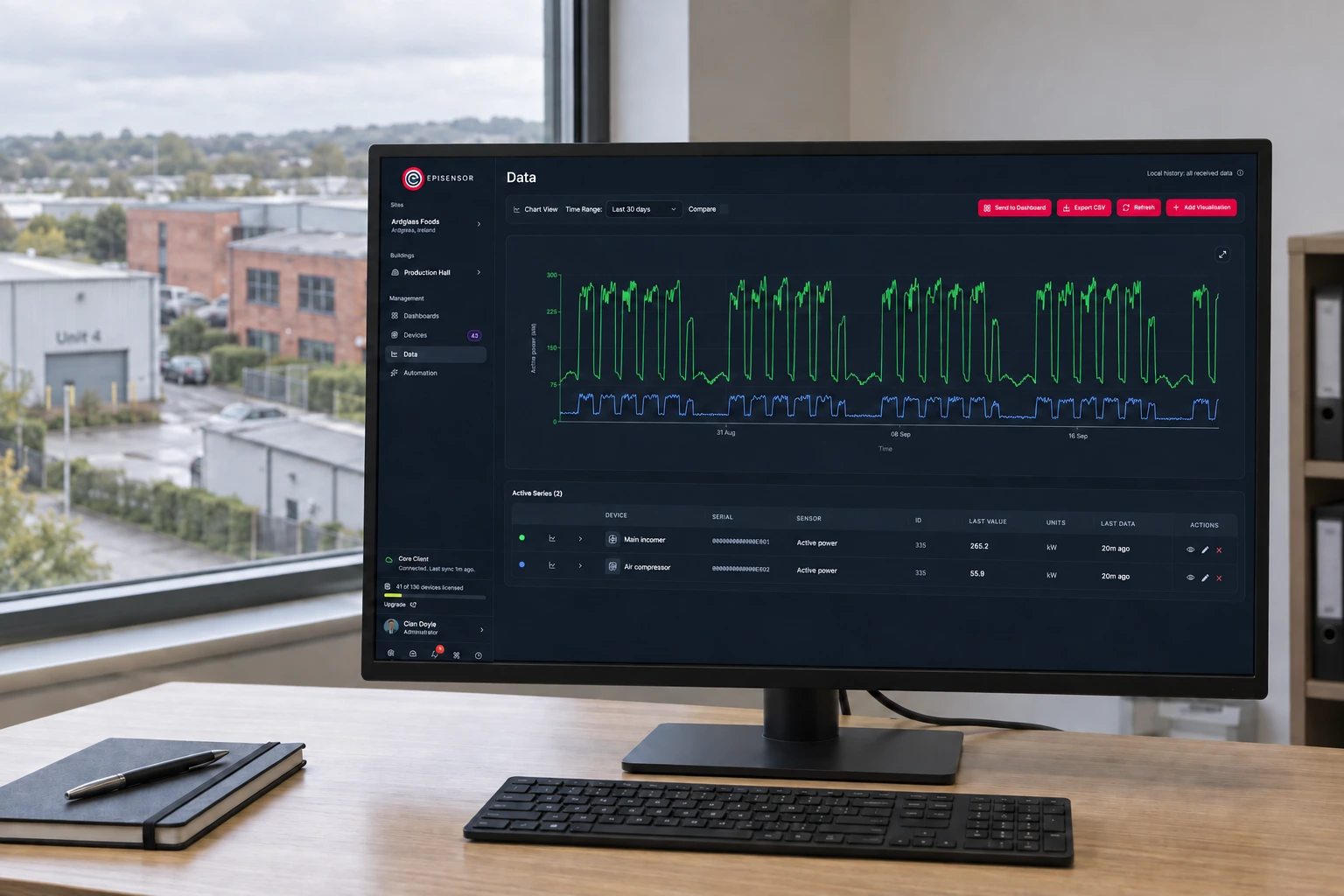
Edge keeps named measurements, history and local completeness checks. The controlled tenancy ledger and commercial calculation happen downstream.
- Readings stay per meter
- Keep each physical meter's identity, units and timestamps distinct. A downstream allocation must be traceable to the exact source readings it used.
- Reconciliation inputs stay explicit
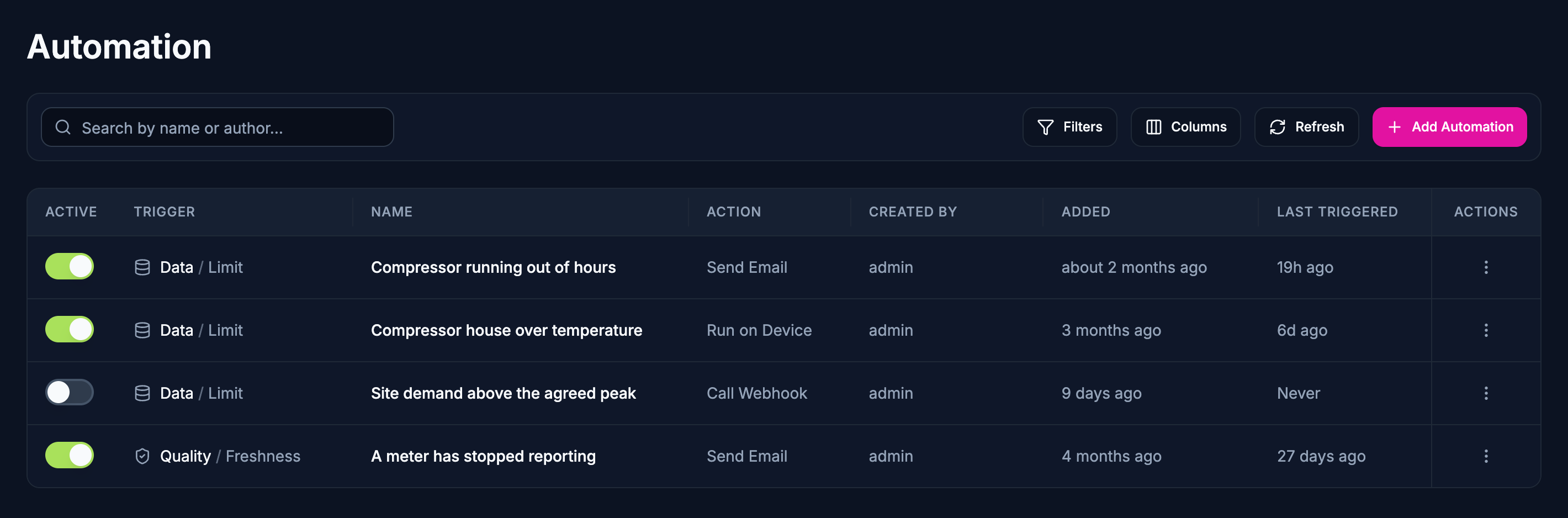
- For one complete aligned interval, compare incomer energy with tenancy energy and separately metered common-service energy. Avoid overlapping circuits. Edge calculations can use explicit inputs, but inputs may arrive at different times: suppress an incomplete result rather than treating a missing meter as zero, and inspect the result timestamp because the previous displayed value can remain.
- A quiet meter is not zero consumption
- An activity rule can report that an expected meter has stopped updating. The allocation process must hold or mark the affected period until the gap, recovery and any restart boundary have been reviewed.
- Exported, not locked in
- Send configured measurements to the receiving process and verify source identity, value, unit and timestamp there. Successful transport alone does not prove that the right tenancy or charge was applied.
Commissioning checks
Do these before the first allocated invoice.
-
Every channel names a real meter
Walk the boards and match each Edge point to the meter's position, its serial number and the tenancy it feeds.
Pass when every point has a photograph, a position and a dated tenancy.
-
Direction and ratio are right
Switch a known load in one tenancy and watch its meter and the incomer.
Pass when the tenancy meter rises, the sign is positive, and the incomer rises by about the same amount.
-
The building reconciles
For one full aligned period, subtract non-overlapping tenancy energy and separately metered common-service energy from the incomer. Check units, timestamps and completeness before calculating.
Pass when the remaining difference is recorded with the input identities and is explained by named unmetered load, losses or an investigation item.
-
The receiving process handles a tenancy change
In the controlled allocation or billing system, start a new meter-to-tenancy mapping on a stated date and review a report that spans the change.
Pass when earlier readings retain the earlier effective mapping and the owner of corrections and disputes is recorded.
-
Missing data cannot become a charge silently
In an approved test environment, pause or simulate one expected input, observe the Edge rule and calculated output age, then verify the receiving process before and after recovery or restart.
Pass when the incomplete period is held or marked, no missing input is treated as zero, and the recovery decision is auditable.
-
The local rules are confirmed
Ask the responsible professional which metrology, billing and privacy rules apply in this jurisdiction.
Pass when the answer is written down beside the measurement plan.
Limits of this measurement
EpiSensor monitoring data is not automatically approved for tenant billing in every jurisdiction.
- Legal metrology. Whether a submeter's reading can be billed depends on national rules and on the meter's approval.
- The allocation rule itself, including standing charges, taxes and how disputes are handled.
- A shared service that the lease apportions by area or headcount: that is a contractual calculation, not a measurement.
- Resolution of a mismatch between the physical metering boundary and the agreed allocation boundary; the responsible parties must settle that before charging.
Sources
- WELMEC guides for measuring instruments (opens in a new tab) (opens in a new tab) WELMEC
- Wireless 3-Phase Electricity Monitor datasheet (opens in a new tab) EpiSensor. Specifications, ranges and ordering codes.
Related
-
Pulse meter remote monitoring
A counter on the meter's existing pulse output, the pulse weight recorded once, and a totaliser reading that lets you prove the counts later. -
Wired M-Bus heat meter integration
One M-Bus interface per meter reads the meter's own energy, volume and temperature records over wired M-Bus, and Edge keeps them with their timestamps. -
Multi-site energy monitoring
A Gateway on every site supports remote energy monitoring with local data continuity, a consistent point register and named owners for connections, credentials and change.
- OverviewEnergy monitoring
- CalculatorCT ratio and burden calculator
- CalculatorPulse meter scaling calculator


Third-party devices for this application
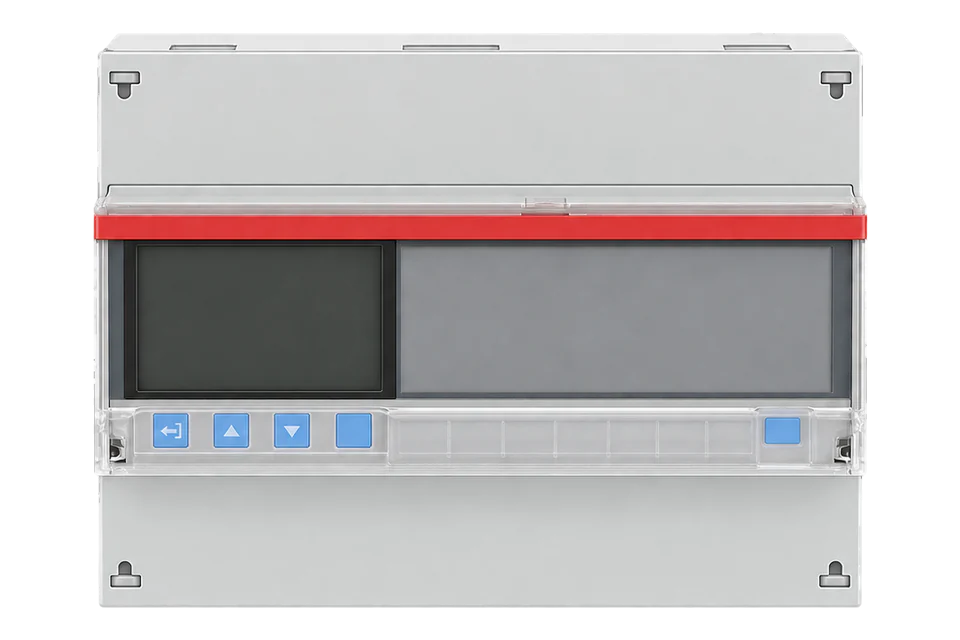
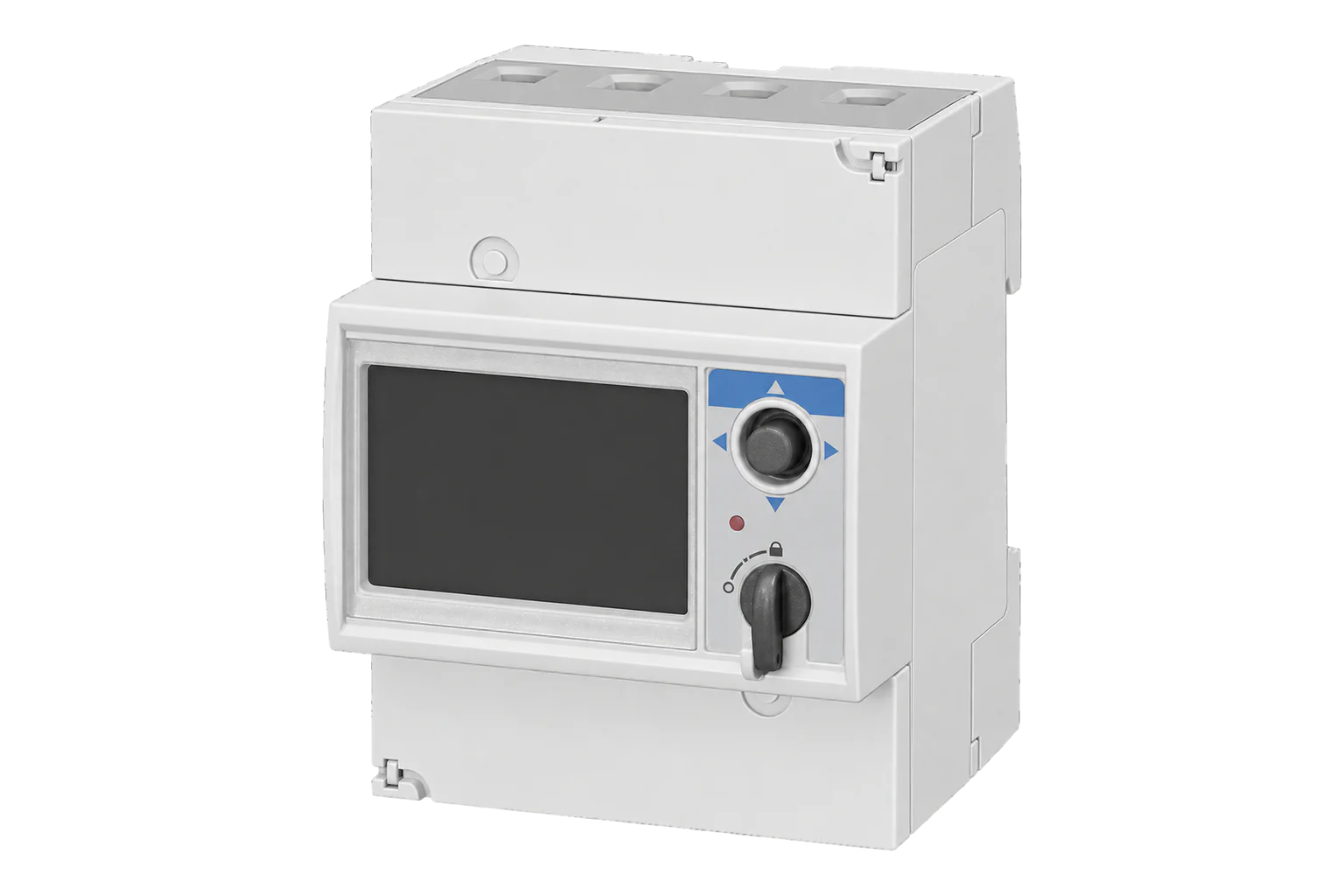
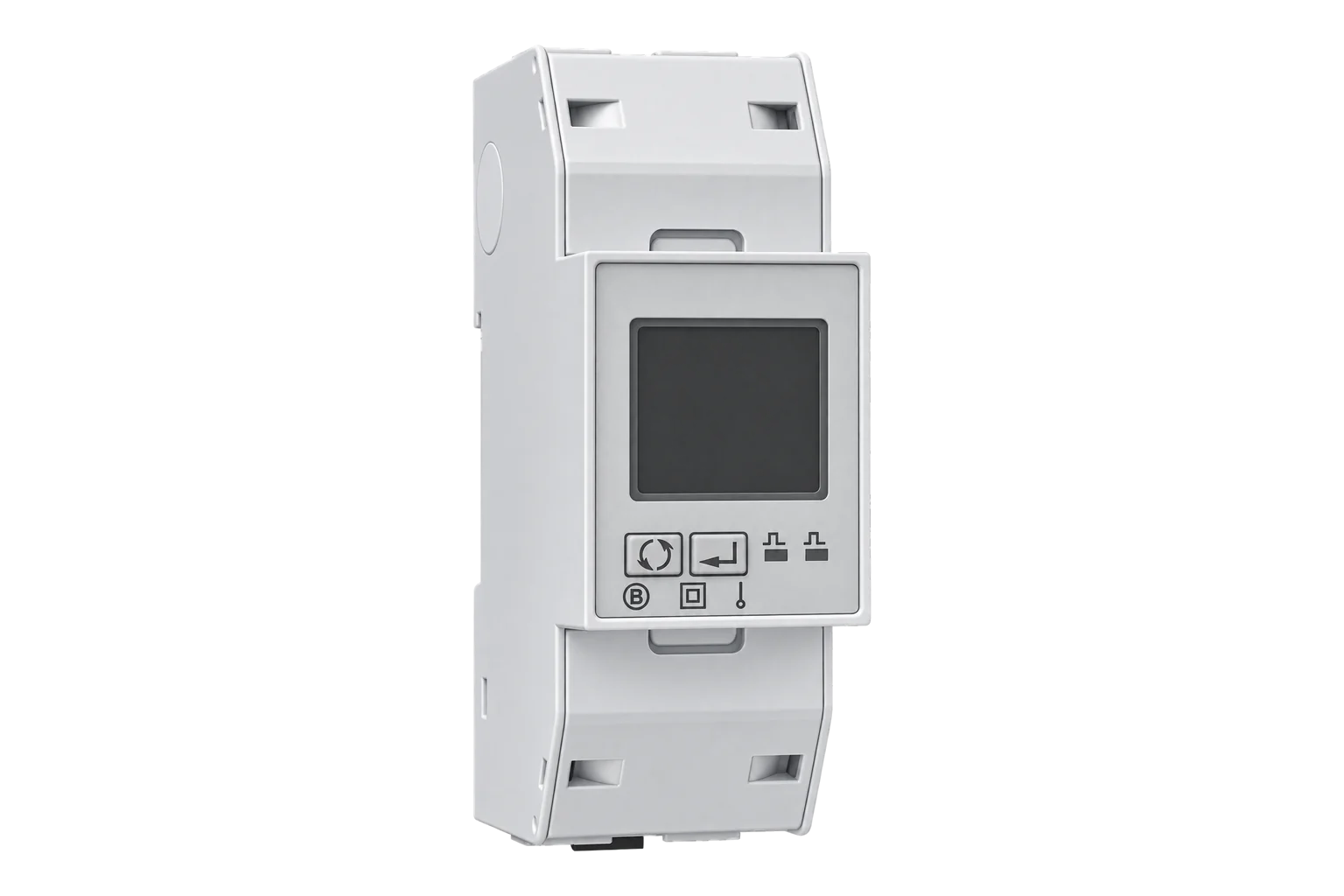
More in the Device Directory: Energy meters (62), Current transformers (7), Pulse counters and I/O (6)
Map every meter to the tenancy it bills
An engineer can map meters to tenancies, count the hardware, and show where the allocation has to reconcile.