ABB Terra 360 CC
DC EV charger
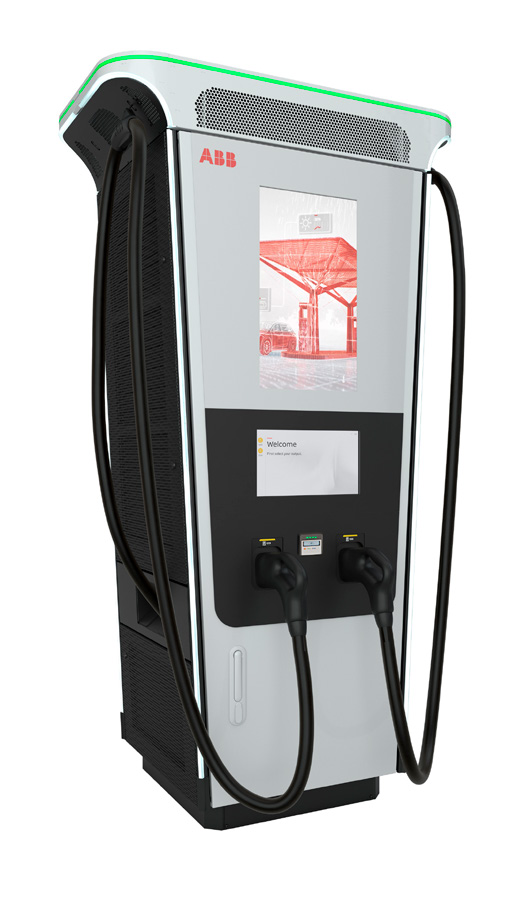
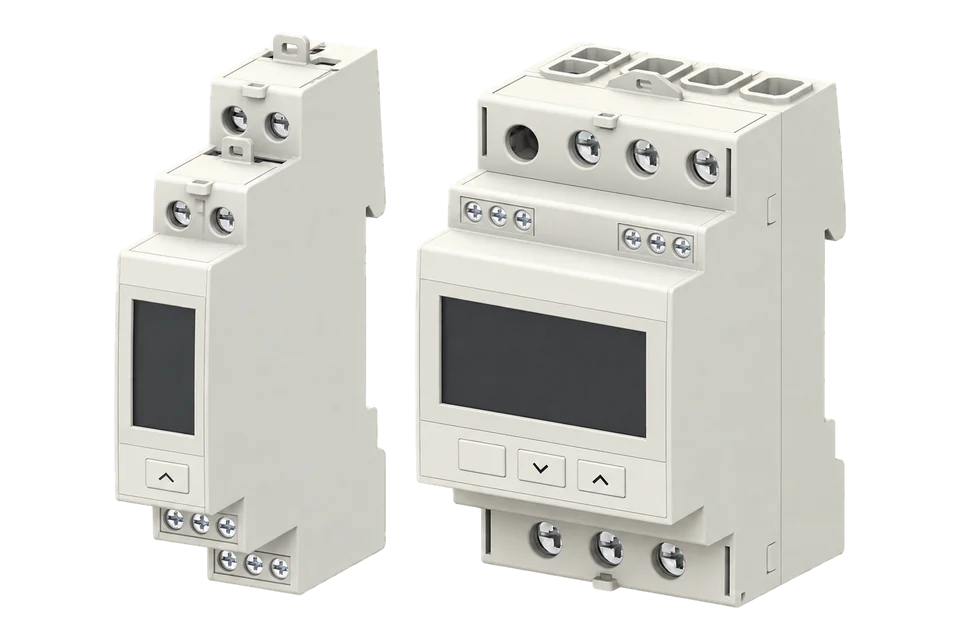
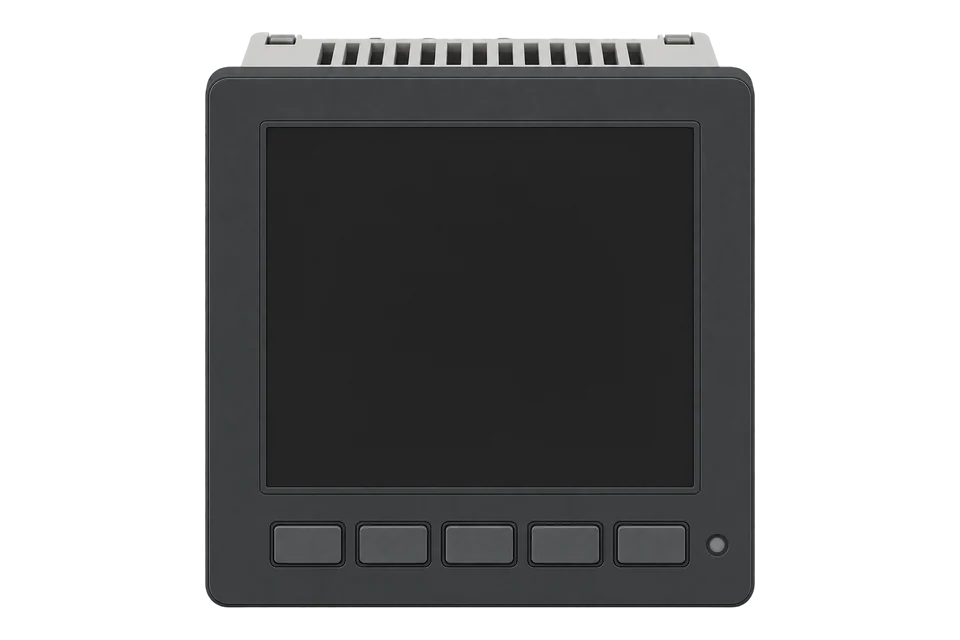
ABB Terra 360 CC is a high-power Mode 4 DC charger with up to 360 kW peak output, 150 to 920 V DC and two CCS2 cable outputs. The technical specification states that it can serve two EVs in parallel and uses OCPP 1.6 to a central system. Optional or readiness statements for payment, ISO 15118 and regulated metering need confirmation in the ordered installation. EpiSensor Edge measures the charger's AC supply through a ZEM-65 electricity monitor, while OCPP stays with the central system.
Compatibility
Compatible with EpiSensor Edge through a ZEM-65 on the charger supply
ABB documents OCPP 1.6 JSON from Terra 360 to a central system. Edge does not speak OCPP, so that link stays with the charging backend. Edge measures the charger through an EpiSensor ZEM-65 electricity monitor with Rogowski coils on its 400 V AC supply, which records the energy, power and current per phase the cabinet draws.
Use ABB brochure 9AKK107992A8963, PDF page 9, as the starting specification for European Terra 360 CC: 400 V AC, three phases plus PE, 560 A input. CJ, UL and optional payment or metering packages need their own order details. Site check: fit 1000 A Rogowski coils (120 mm) around each phase of the feeder and record the model plate.
Connect it with
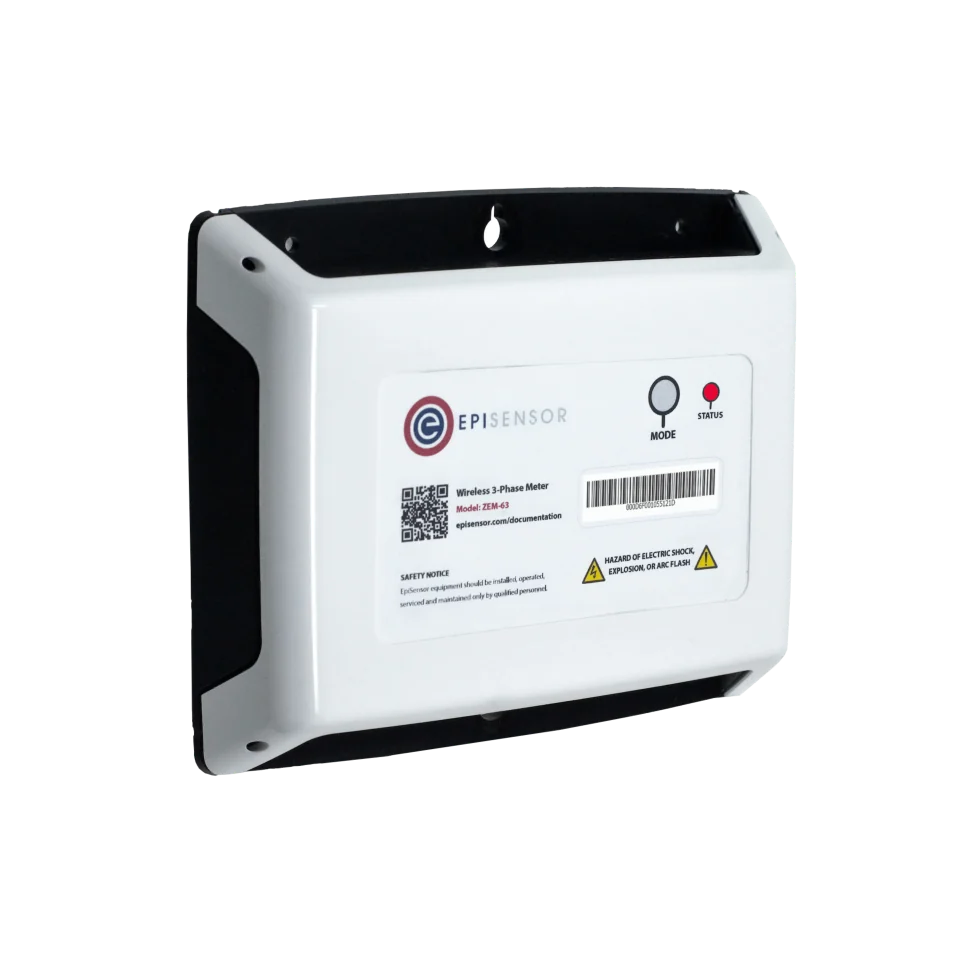
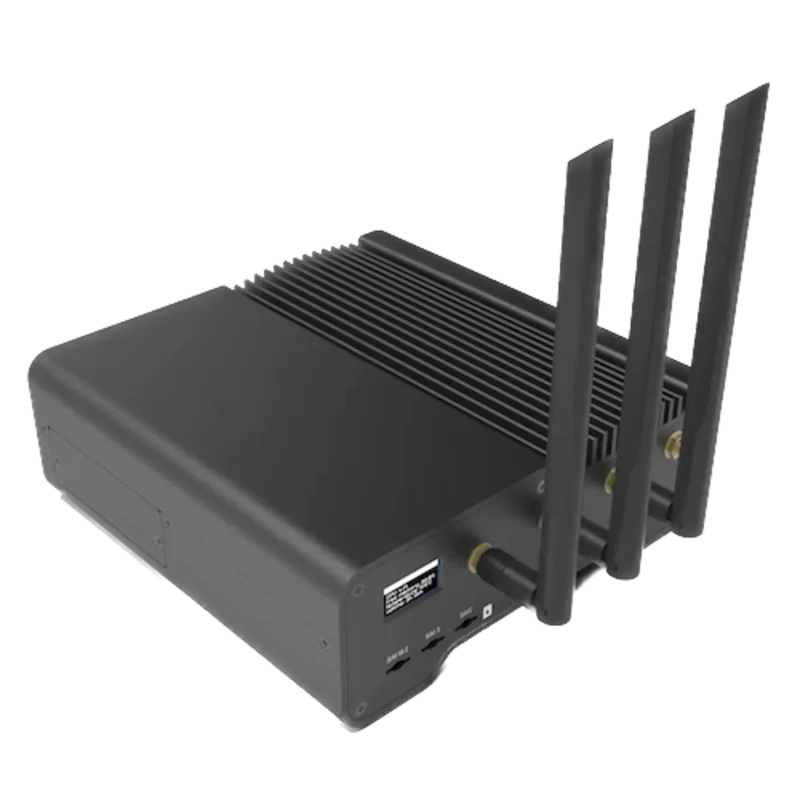
For the AC energy, power and current per phase the charger draws from its three-phase supply
- Wired
- Edge
- Platforms
Models
| Models | Interface | Route into Edge |
|---|---|---|
| Terra 360 CC | Two CCS2 cables, 360 kW peak, OCPP 1.6 and cellular connectivity | A ZEM-65 with Rogowski coils on the AC supply for Edge; connector sessions stay with the charging backend. |
| Terra 360 CJ and other regional output combinations | Separate connector and regional configurations | Do not transfer CC connector, voltage or compliance claims without the exact regional order. |
Specifications
- DC output
- 360 kW peak, 150 to 920 V DC, nominal 300 A and peak 500 A2
- Connectors
- Two CCS2 cable outputs; up to two EVs served in parallel2
- Backend and network
- OCPP 1.6 JSON to a central system; GSM, 4G and LTE connectivity2
- Metering
- Ready for Eichrecht/PTB and MID compliance; confirm the ordered meter and national approval2
- Environment
- IP54; IK10 cabinet and IK08 HMI; greater than 95% efficiency at nominal output2
- AC supply starting point
- 400 V AC ±10%, 50 Hz, three phases plus PE; 560 A input and 390 kVA in the CC specification2
- Temperature and derating
- -35 to +55 °C; derating from 40 °C; installation altitude up to 2000 m2
Interface
Documented measurements and integration boundaries for Terra 360 CC.
- The charger can serve two EVs in parallel, but 360 kW is the cabinet peak. Dynamic allocation and vehicle limits determine each connector's power.
- The specification says ready for Eichrecht/PTB and MID compliance. Readiness is not proof that every ordered meter and operating process is certified.
- ISO 15118-2 Plug & Charge requires ecosystem integration. A compatible vehicle connector does not mean an authorization service is active.
- Compare each connector session with cabinet totals and the separate AC site meter. DC energy delivered to vehicles and AC energy drawn by the charger are different measurement boundaries.
Assessment
Terra 360 CC technical-specification scope; Edge measures the AC supply through a ZEM-65, and optional payment, ISO 15118 and metering services follow the order.
- InteroperabilitySupported with conditions
- OCPP 1.6 JSON to a central system is documented, with the backend setting its security profile; Edge measures the cabinet's AC supply through a ZEM-65.2
- AccuracyLimited
- Power ranges and metering readiness are stated; meter accuracy, certificate and billing process follow the ordered configuration.2
- SecurityNot yet assessed
- The retained public material does not state the installed OCPP transport security or credential policy.
- ReliabilitySupported with conditions
- Parallel output, efficiency and service tooling are described; reconnection and fallback need installed-system testing.12
- RuggednessSupported with conditions
- The CC table states IP54, IK10 cabinet with IK08 HMI, -35 to +55 °C operation and derating from 40 °C. Apply the installed regional siting and cable-management instructions.2
Setup
-
Confirm the model plate identifies Terra 360 CC and record the exact output, cable, meter, payment and emergency-stop options.
Do not infer the configuration from cabinet appearance.
-
Have authorised personnel verify supply capacity, protection, civil works, vehicle access, cable reach and environmental limits against ABB installation material for the serial number.
-
Open the commissioned charging backend first.
Record charger identity, the connector/session association, configured OCPP version and sample timestamps. ABB documents native OCPP 1.6 JSON; obtain the installed backend interface details only for data it does not already display or export. Preserve the existing endpoint and credentials.
-
During an authorised charging session, compare the backend connector power and energy with the local charger display.
A synthetic 600 V × 300 A gives 180 kW DC. Two such outputs sum to 360 kW, the stated cabinet peak; this illustrates the arithmetic, not a fixed equal-sharing mode. Vehicle demand, configured site limits and derating determine actual power.
-
Compare connector energy totals with cabinet totals over the same interval; use the separate AC site meter for charger input and losses.
Record state, timestamp and freshness alongside values. Agree any stop, network-loss or simultaneous-session test with the operator rather than interrupt an active service; preserve the commissioned controls.
Common questions
- Can both CCS2 outputs deliver 360 kW simultaneously?
- No. ABB states 360 kW peak for the charger and dynamic allocation between two EVs. Vehicle demand and the configured cabinet limit determine each output.12
- Does meter readiness prove compliant billing?
- No. The specification describes readiness for Eichrecht/PTB and MID compliance. Confirm the installed meter, certificate, software and operating process for the country.2
- How does Terra 360 CC connect to EpiSensor Edge?
- Through an EpiSensor ZEM-65 with 1000 A Rogowski coils on the charger's 400 V AC supply, which gives Edge the energy, power and current per phase the cabinet draws. Edge does not speak OCPP, so the OCPP 1.6 connection stays with the central system.2
- Why might a 360 kW charger deliver less power?
- 360 kW is the cabinet peak, shared dynamically across outputs. At a synthetic 600 V and nominal 300 A, one output is 180 kW. Vehicle acceptance, the installed power limit, the other session and temperature derating also affect actual delivery. The CC specification states derating from 40 °C.12
Related devices
Sources
- Terra 360 product page (opens in a new tab)
- Terra 360 brochure and technical specification (opens in a new tab) (PDF)
Further reading
Product names and trademarks belong to their owners. Publication does not imply endorsement or a commercial relationship.