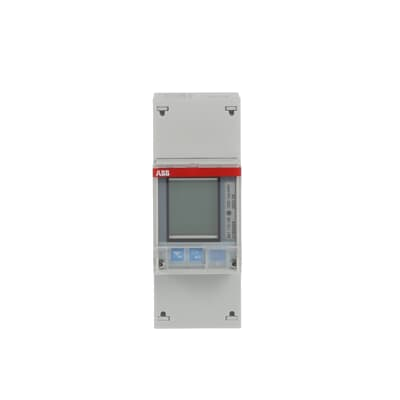
ABB B21 112-100
Power and energy meter
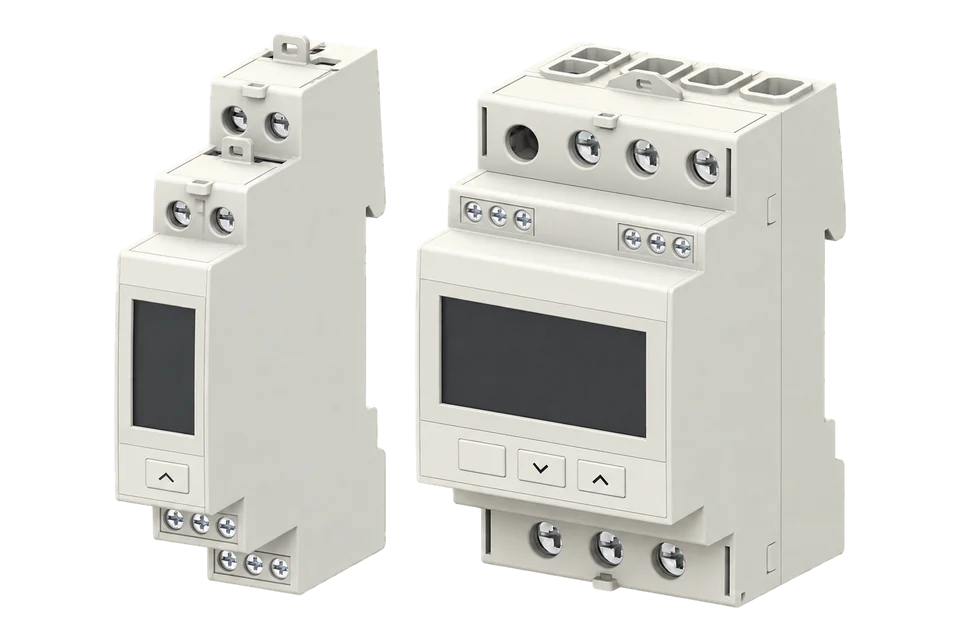
B21 112-100, order code 2CMA100150R1000, is the two-module Steel meter with RS-485. It monitors one phase and neutral without external CTs. Edge can read voltage, current, power and frequency over Modbus RTU. Keep this exact version separate from the Silver B21 312-100 and from the three-phase B23 or CT-connected B24.
Compatibility
Compatible with EpiSensor Edge over Modbus RTU
ABB documents the built-in serial option for this ordering code and a B21 FC03 map with literal wire addresses, integer widths, resolutions and byte order.
Exact B21 112-100, 2CMA100150R1000, single phase and neutral. Use B21 manual revision D as the starting map. Confirm the nameplate and serial configuration, then compare one voltage read with the display before adding points. Do not poll missing phases or inherit Silver-version features.
Connect it with
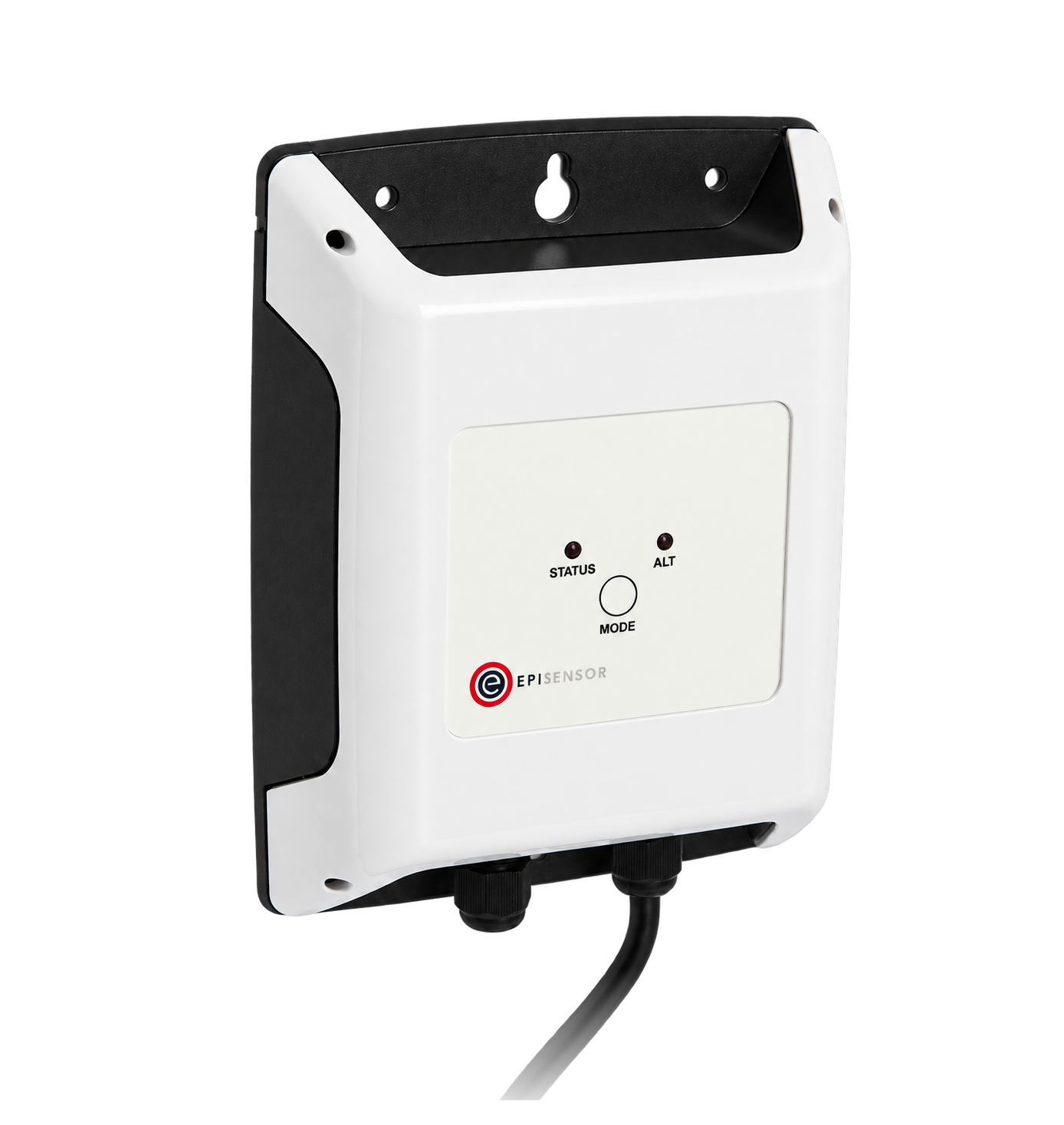
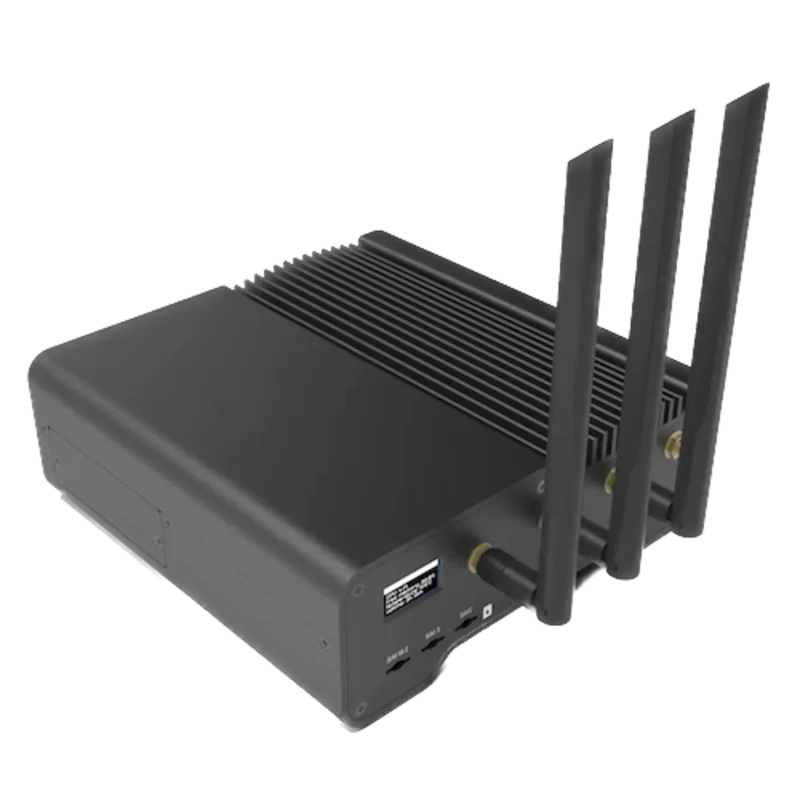
For the built-in serial port on B21 112-100
- Modbus
- Edge
- Platforms
Models
| Models | Interface | Route into Edge |
|---|---|---|
| B21 112-100 / 2CMA100150R1000 | Steel, single-phase direct 65 A, pulse output and built-in RS-485. | Use the meter’s Modbus serial setting through an isolated interface to the Gateway. |
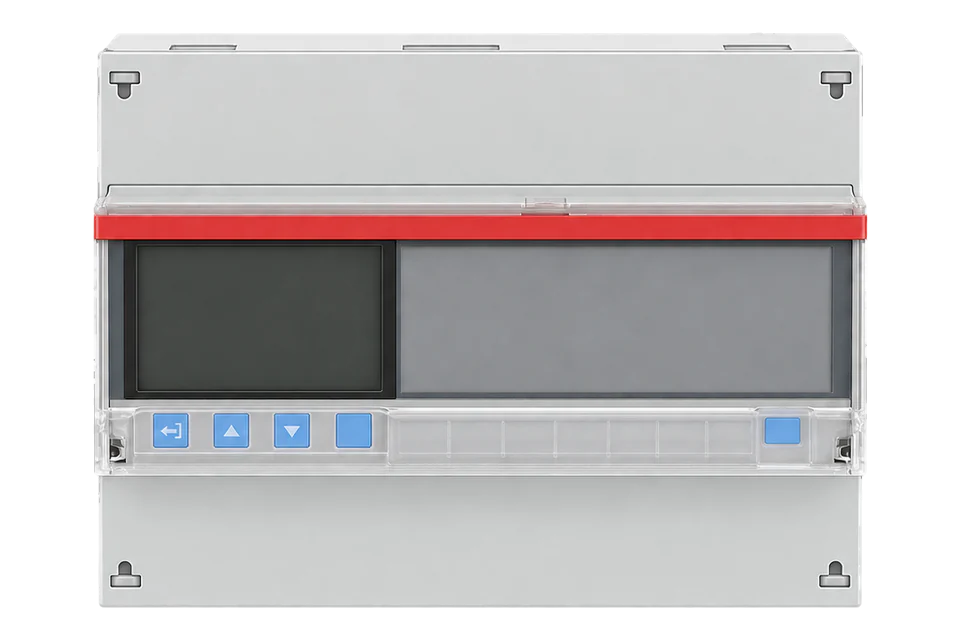
| B21 111-100 / 113-100 / 312-100 | 111 has no wired serial option; 113 is M-Bus. Silver 312 is a separate RS-485 model, order code 2CMA100155R1000. | Do not exchange ordering codes or infer Silver tariffs/reactive features, Ethernet or three-phase inputs for the chosen 112 meter. |
Specifications
The Steel leaflet and ordering catalogue bind RS-485 B21 112-100 to code 2CMA100150R1000. The newer B21 manual supplies the protocol. Its shared table includes quantities for other variants, so the poll remains limited to supported single-phase electrical values.123
- Exact model
- B21 112-100, 2CMA100150R1000; Steel version, single phase plus neutral, two DIN modules.23
- Direct inputs
- 230 VAC nominal; 220–240 VAC range with −20%/+15% tolerance. Base current 5 A, maximum 65 A; no external CT input.12
- Accuracy and supply
- Active energy class B (class 1); voltage circuit consumption 0.9 VA / 0.4 W. The meter is supplied from its measurement circuit.12
- Serial configuration
- Modbus address 1–247, 1200–115200 bit/s, none/odd/even parity. The menu also offers EQ bus, which is a different protocol.1
- Installation envelope
- 35 × 97 × 65 mm; −40 to +70 °C. Terminals IP20 without protective enclosure; IP51 in the specified protective enclosure. Follow the manual’s humidity limits.12
- Read limits
- FC03 reads 1–125 consecutive registers. Multi-register values place the most significant byte at the lowest address; the published hexadecimal start address is sent unchanged.1
Interface
Documented measurements and integration boundaries for B21 112-100.
- Voltage L1-N: 5B00h, two unsigned registers, resolution 0.1 V. Current L1: 5B0Ch, two unsigned registers, resolution 0.01 A. These are literal wire addresses.
- Total active power: 5B14h, two signed registers, resolution 0.01 W. Frequency: 5B2Ch, one unsigned register, resolution 0.01 Hz. Only add values that the single-phase Steel meter supports.
- Total active import energy at 5000h uses four registers with resolution 0.01 kWh. Edge’s Modbus client does not read this 64-bit quantity. Keep the energy total on the meter display rather than reading half a counter.
Assessment
Exact B21 112-100, 2CMA100150R1000, supported single-phase values only.
- InteroperabilityWell supported
- The exact ordering table supplies RS-485 and the B21 manual defines FC03, literal wire addresses, widths, resolution and byte order.12
- AccuracySupported with conditions
- The direct-connected 65 A Steel meter measures active energy to class B/class 1. Supported electrical values fit Edge’s read width, while the four-register energy total does not.12
- SecurityLimited
- The manual exposes both read and write function codes over ordinary serial Modbus. Restrict physical and network access and exclude all configuration, reset and output commands from monitoring.1
- ReliabilitySupported with conditions
- The meter is powered from the measured circuit. The protocol defines invalid unsigned/signed values; handle these and communication interruptions explicitly instead of substituting zero.12
- RuggednessSupported with conditions
- ABB specifies −40 to +70 °C, IP20 terminals without enclosure and IP51 in a protective enclosure, with humidity limits. Select the cabinet and wiring for those conditions.12
- ScalabilitySupported with conditions
- Selectable addresses and serial rates support multi-meter polling. FC03 permits up to 125 registers; budget the bus and keep unsupported phases and variants out of the point set.1
Setup
Check one single-phase voltage read
B21 manual section 9.3 lists L1-N voltage at 5B00h, two unsigned registers with 0.1 V resolution. Section 9.2 defines the multi-register order.
- Function
- FC03 Read Holding Registers
- Wire address and length
- 5B00h = 23296 decimal; 2 registers
- Request PDU
- 03 5B 00 00 02
- Synthetic response data
- 00 00 08 FC → unsigned 2300 × 0.1 = 230.0 V
- Acceptance
- Compare with the simultaneous L1-N voltage display. Retain both words and reject FF FF FF FF as unavailable.
Acceptance: These are calculated bytes from the documented B21 format, not a physical device capture. The RTU client adds the configured meter address and CRC. Do not decode the integer as Float32 or apply a second address conversion.
-
Confirm the direct-connected version
Have the authorised installer verify the exact order code, single-phase circuit, current limit and wiring. This is not a CT meter. Follow ABB’s isolation and terminal instructions before any wiring change.
-
Match the serial menu
In SET > RS-485, select Modbus and record the actual address, baud rate and parity. Match these in Edge through the isolated serial interface. Do not leave EQ bus selected.
-
Send the literal voltage address
Read L1-N voltage with FC03, start 5B00h (23296 decimal), length two registers. Section 9.3 explicitly says the hexadecimal address is sent on the bus as printed: do not subtract 40000 or decrement it by one.
-
Decode and check unavailable values
Combine both words as one unsigned 32-bit integer with the most significant byte and word first, then multiply by 0.1 for V. All-FFFF words mean invalid unsigned data. Signed two-word quantities use 7FFFFFFF as the invalid marker. Compare the fresh voltage with the display.
Common questions
- Is B21 312-100 the same ordering code?
- No. The catalogue assigns 2CMA100150R1000 to Steel B21 112-100 and 2CMA100155R1000 to Silver B21 312-100. Their shared enclosure does not establish identical metering functions.23
- Why does an absent phase return a normal reply?
- The B21 manual says unused quantities inside the mapped range can return a normal reply containing invalid values. Unsigned quantities use all FFFF words; signed quantities use the largest positive representable value. Do not publish L2/L3 data from a single-phase meter.1
- Can Edge read the four-register energy counter?
- The map exposes active import energy at 5000h as four unsigned registers. The current Edge Modbus client does not read 64-bit values. Keep that total on the meter display; the supported two-register electrical readings remain useful for monitoring.1
Related devices

Sources
- B21 user manual, 2CMC485004M0201 revision D, 7 November 2025 (opens in a new tab)
- B21 Steel product leaflet, 2CMC485004L0201 revision B, July 2014 (opens in a new tab) (PDF)
- ABB energy-efficiency catalogue 2020, B21 ordering details (opens in a new tab) (PDF)
Further reading
Product names and trademarks belong to their owners. Publication does not imply endorsement or a commercial relationship.