Electric boiler demand response
A controller that sheds heating stages, a thermal store that says how much can be shed, and a record of what the site took back afterwards.
- Measure
- Boiler stage power, store and circuit temperatures, contactor feedback, and the recovery afterwards
- Good practice
- Event and rebound energy are measured against the programme's baseline DOE
- Sensors
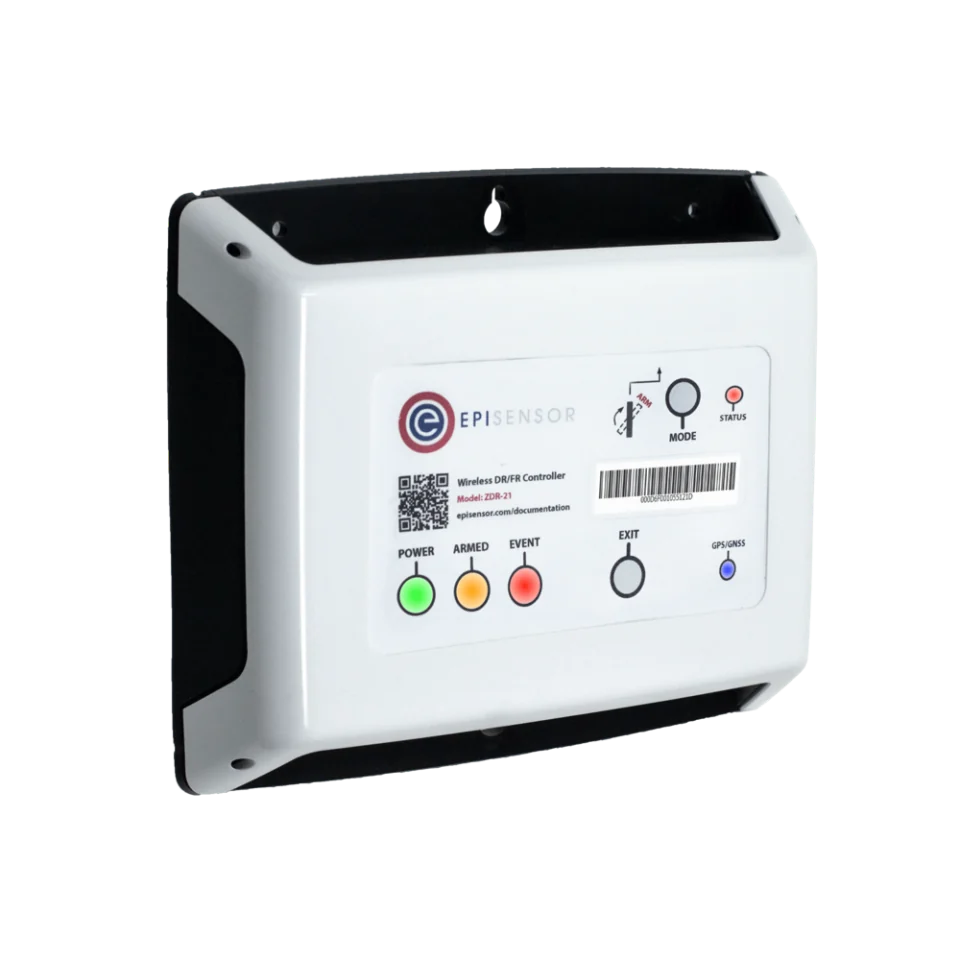
- ZDR-21, Class 0.5S metering, its own relay, 20 ms event recording and GPS time sync Demand Response Controller datasheet
- On site
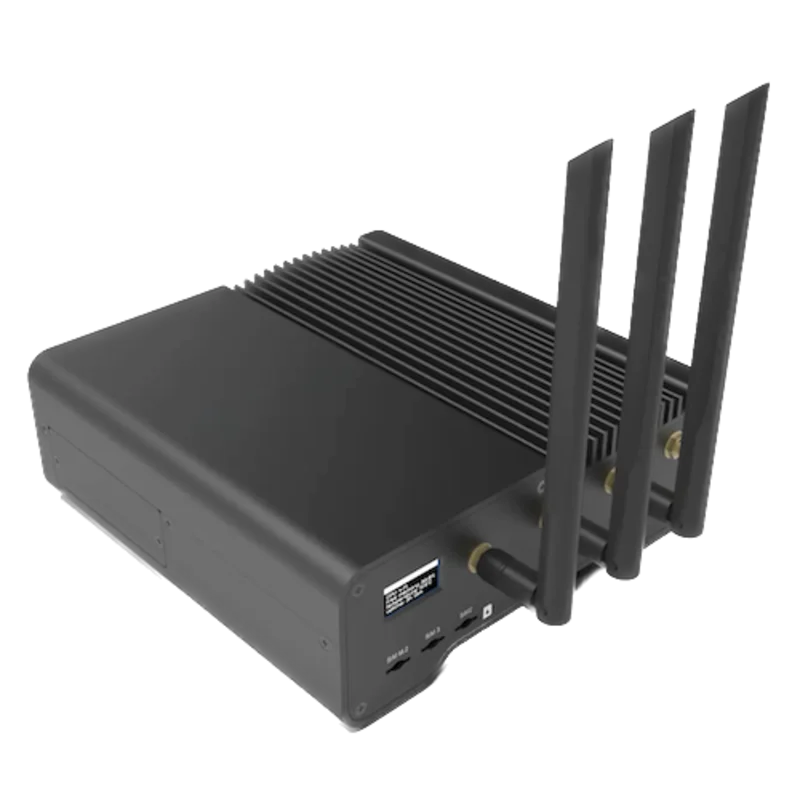
- ZGW-20 Gateway, eligibility rules, the event record and the thermal flexibility picture Gateway datasheet
Hardware for electric boiler load shedding
One controller per dispatchable stage, temperatures that bound what may be shed, and the Gateway that decides whether the site is eligible right now.
Measures the boiler supply and opens its own relay to shed a stage
1 per stage one relay each
- Choose the CT type: mini-CTs on existing 1 A or 5 A CTs, 300 A split-core, or Rogowski coils
Class 0.5S metering, 20 ms event recording, GPS time sync, key switch to arm on site
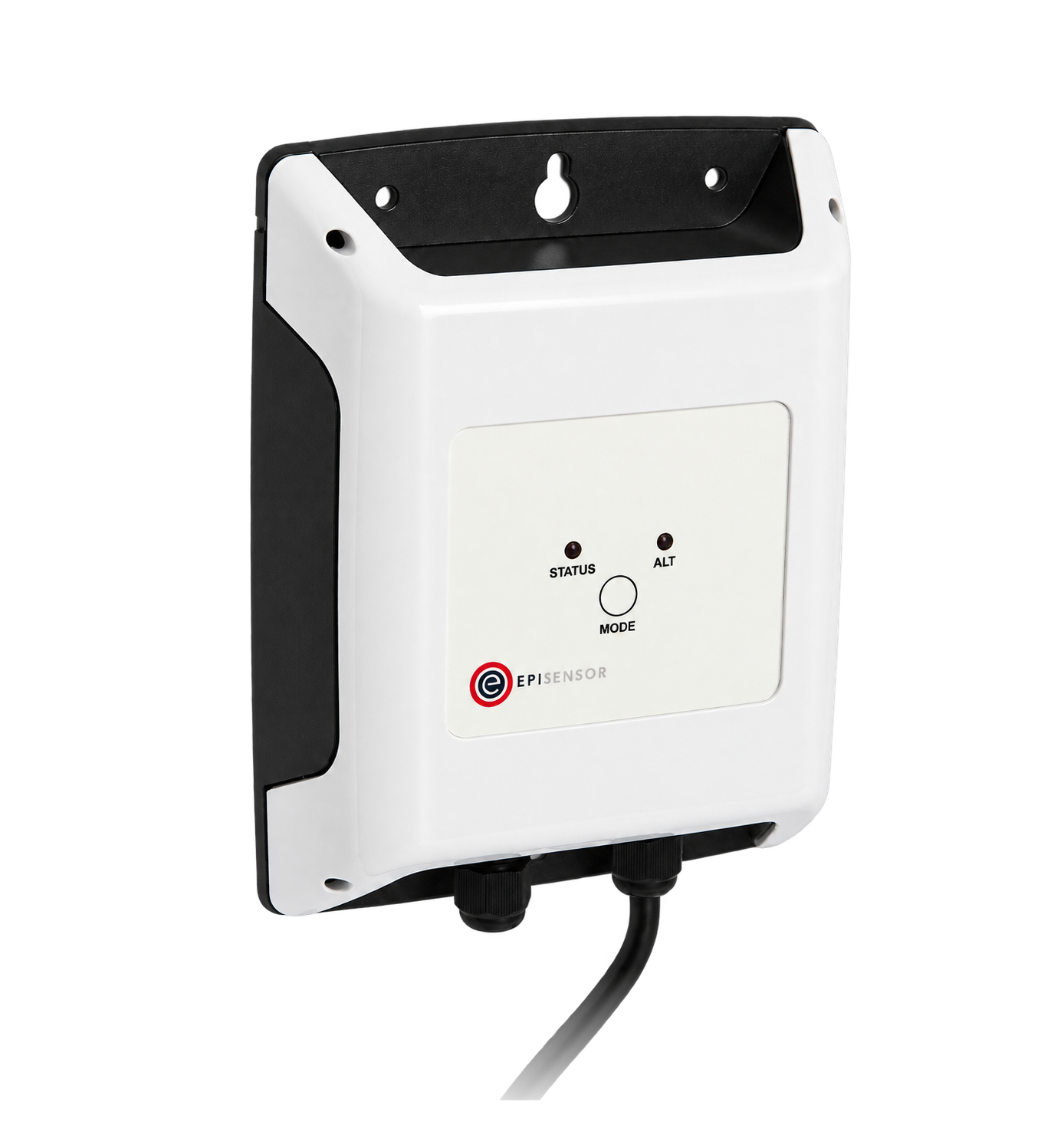
Store or circuit flow and return temperature, which bounds what may be shed
1 per store flow and return
 2 steel pipe probes, 2 m leads
±0.2 °C from 0 to 70 °C, ±0.5 °C to 105 °C
Holds the eligibility rules, the dispatch record and the recovery measurement
1 per site up to 250 wireless devices
If pressure or level bounds the service
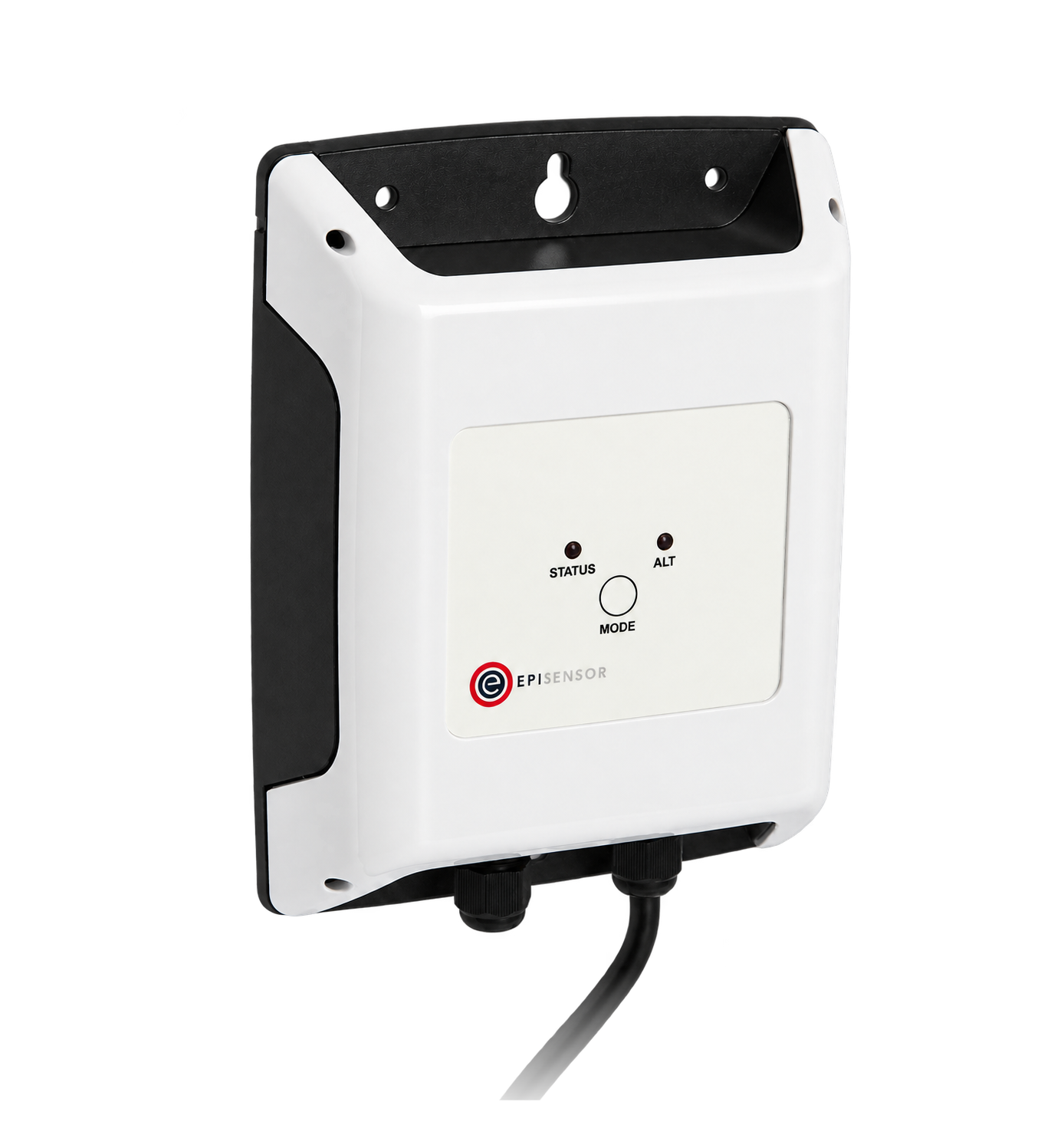
A pressure or level transmitter where the thermal service is bounded by one
1 per transmitter externally powered loop
What decides whether a stage may be shed
The thermal service comes first. Every measurement here exists to say whether the site can give up heat right now, and for how long.
From field measurement to Edge
Each field signal reaches its named EpiSensor interface, reports through the site Gateway and is handled locally in Edge.
- Control
- Zigbee
- Wired
- Edge
- Platforms
| Position | What it tells you | Reference | Sensor |
|---|---|---|---|
| Stage power | How much each stage is actually drawing, which is the reduction on offer | Class 0.5S metering in the controller itself Demand Response Controller datasheet | ZDR-21 (on this page) |
| Store and circuit temperature | How much stored heat there is, and how fast it is being used | A matched pair on the same circuit, ±0.2 °C in the normal range Probe Temperature Sensor datasheet | TES-22 (on this page) |
| Pressure or level | The other limits the thermal service has, where they exist | The transmitter's own range and scaling Analogue Signal Sensor datasheet | ZIO-20 (on this page) |
| Contactor feedback | Whether the stage actually opened, as opposed to being told to | Measured power is the feedback: a command without a change in power is a failed shed Demand Response Controller datasheet | ZDR-21 (on this page), measured power |
Leave protection to the boiler’s interlocks. The boiler's own pressure, temperature and heater interlocks stay in charge. An eligibility rule can only decide whether to ask.
Measure the recovery too. A shed that is paid back at full power ten minutes later can cost more than it earned. Measure the whole window.
Eligibility, dispatch and recovery in Edge
The rules run on the Gateway, next to the measurements they depend on.
- Eligibility before the event
- A calculated sensor combines store temperature, service demand and stage state into the capacity that can honestly be offered.
- A shed is proven, not assumed
- The measured power before and after each stage change is kept, so a command that did nothing is visible.
- Stale data gives up control
- If a temperature or a stage measurement goes stale, the site withdraws rather than shedding blind.
- The recovery is measured too
- The window after the event is recorded at the same interval, so rebound can be compared with the reduction.
Commissioning checks
Take these in order, with the person responsible for the heating service.
-
Write down what may not be given up
Record the temperature, pressure and service limits, the minimum on and off times, and every interlock.
Pass when the list is agreed and signed by whoever owns the heating service.
-
Operate each stage locally
With the site's agreement, open and close each dispatchable stage from the controller.
Pass when the measured power changes by the expected amount within the expected time.
-
Prove the failure behaviour
Simulate stale thermal data, a lost connection and a failed acknowledgement in turn.
Pass when each one produces the declared safe state, which is usually no shed.
-
Run a bounded event
Shed for the programme's duration while trending electrical, thermal and service variables together.
Pass when the service stayed inside its limits and the reduction is visible at the connection.
-
Measure the whole recovery
Keep recording until the plant is back to its normal pattern.
Pass when the rebound is quantified and inside whatever the programme allows.
Limits of this measurement
A demand-response system asks. The plant's own controls decide.
- It must not replace boiler safety, pressure protection, burner or heater interlocks.
- A nameplate kilowatt figure is not guaranteed dispatchable capacity at every load and temperature.
- Commercial availability and settlement follow the programme's baseline, telemetry and event rules.
- Electrical work on the stages stays with the qualified person who did it.
Sources
- Measurement and verification for demand response (opens in a new tab) US Department of Energy and FERC
- Demand Response Controller datasheet (opens in a new tab) EpiSensor. Specifications, ranges and ordering codes.
Related
- OverviewDemand response and VPP
- CalculatorDemand response event calculator
- GuideIoT in demand response: signals, control and verification
Third-party devices for this application
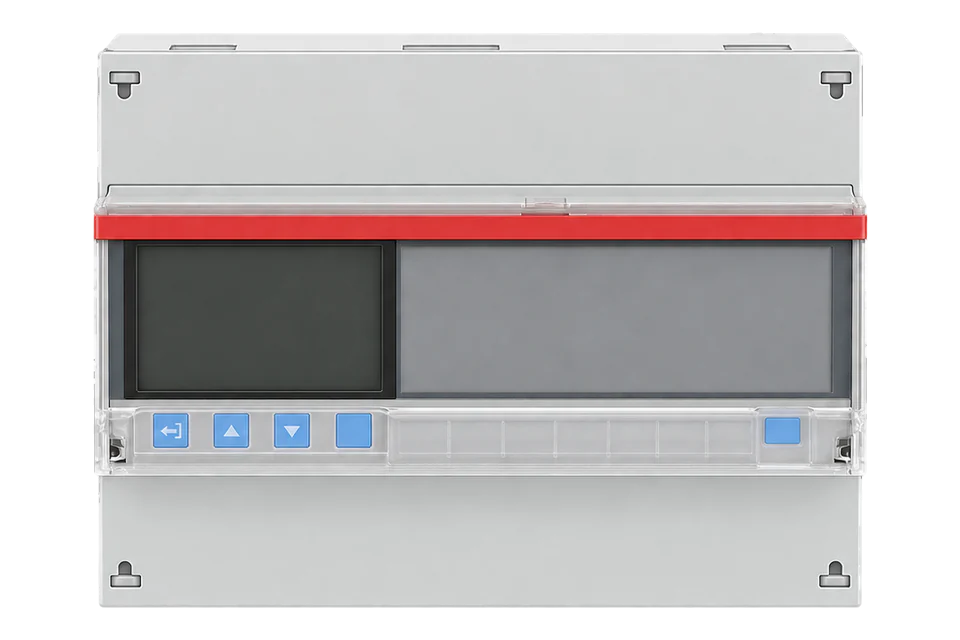
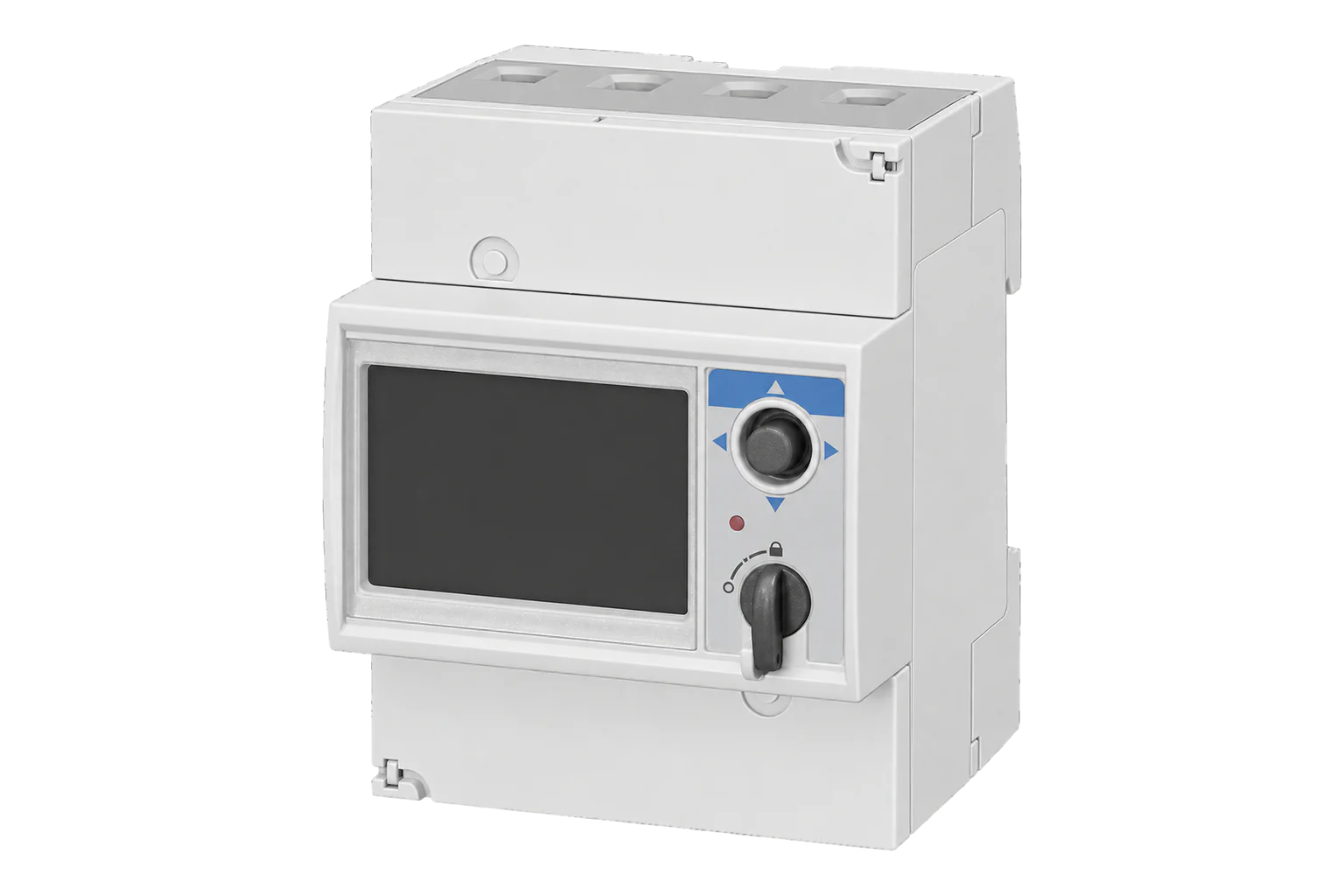
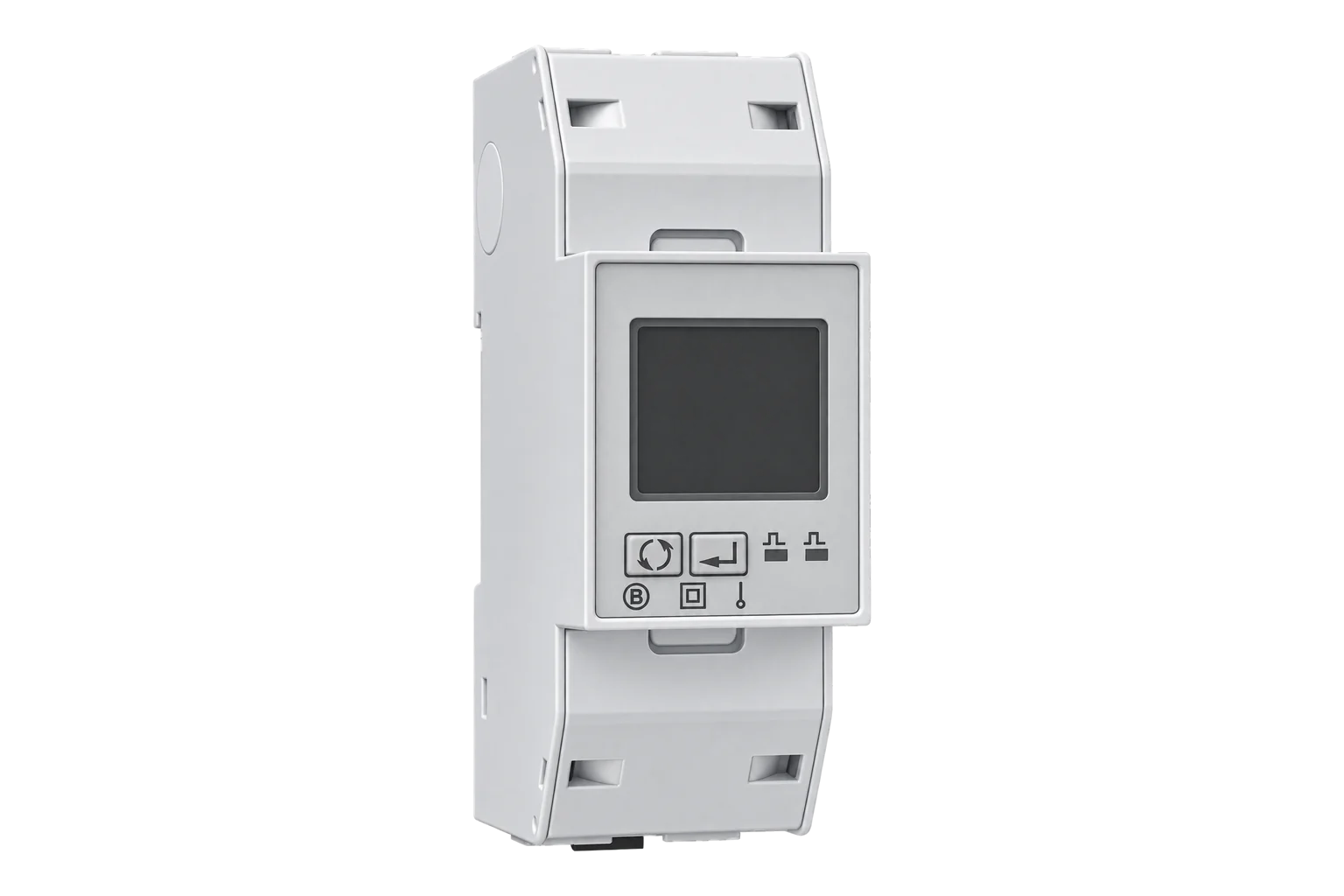
More in the Device Directory: Energy meters (62), Current transformers (7), Temperature and humidity sensors (21)
See how much heating load can honestly be offered
An engineer can work out what can honestly be offered, and how the site proves it afterwards.