Janitza UMG 509-PRO
Power and energy meter
UMG 509-PRO is a panel analyser with electrical and residual-current measurement functions. Janitza’s user manual prints an FC03 query for L1-N voltage at literal decimal address 19000. The guide uses that narrow, read-only path while keeping residual-current sensing, event analysis and other communications outside the basic voltage check.
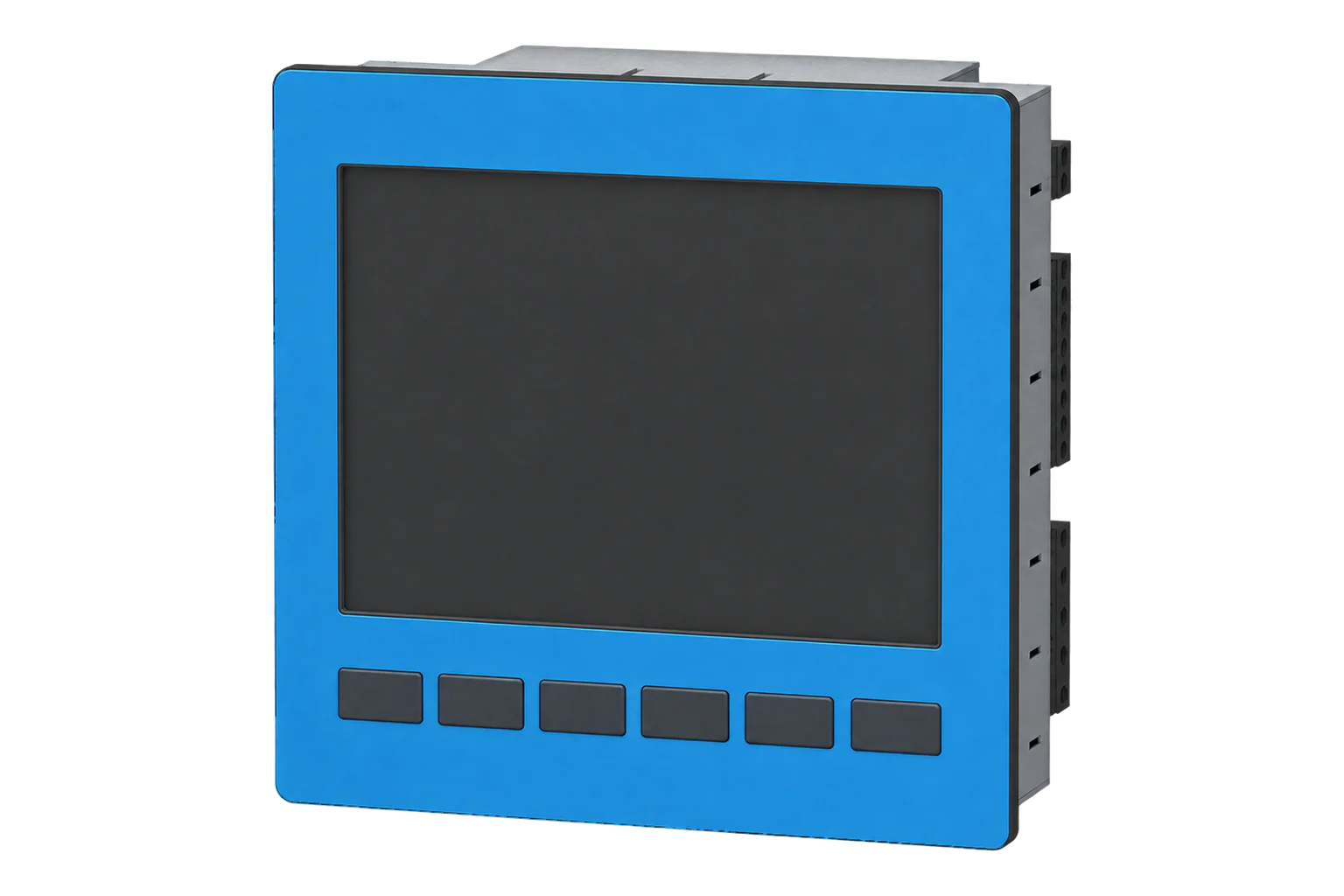
- Modbus RTU
Power and energy meter
Compatibility
Documented read-only Modbus path
Janitza supplies an explicit FC03 voltage request for the UMG 509-PRO RS-485 Modbus server.
UMG 509-PRO using the June 2024 address list and November 2024 user manual as a best-effort starting point. Poll the instrument’s RS-485 Modbus server at the literal addresses below. Record its firmware and configured CT/VT ratios. The older UMG 509 and UMG 512-PRO have separate documents.
Connect it with
-
Modbus Interface ZMB-3XFrom €399 ex VAT Configure Modbus Interface
-
Gateway ZGW-20From €899 ex VAT Configure Gateway
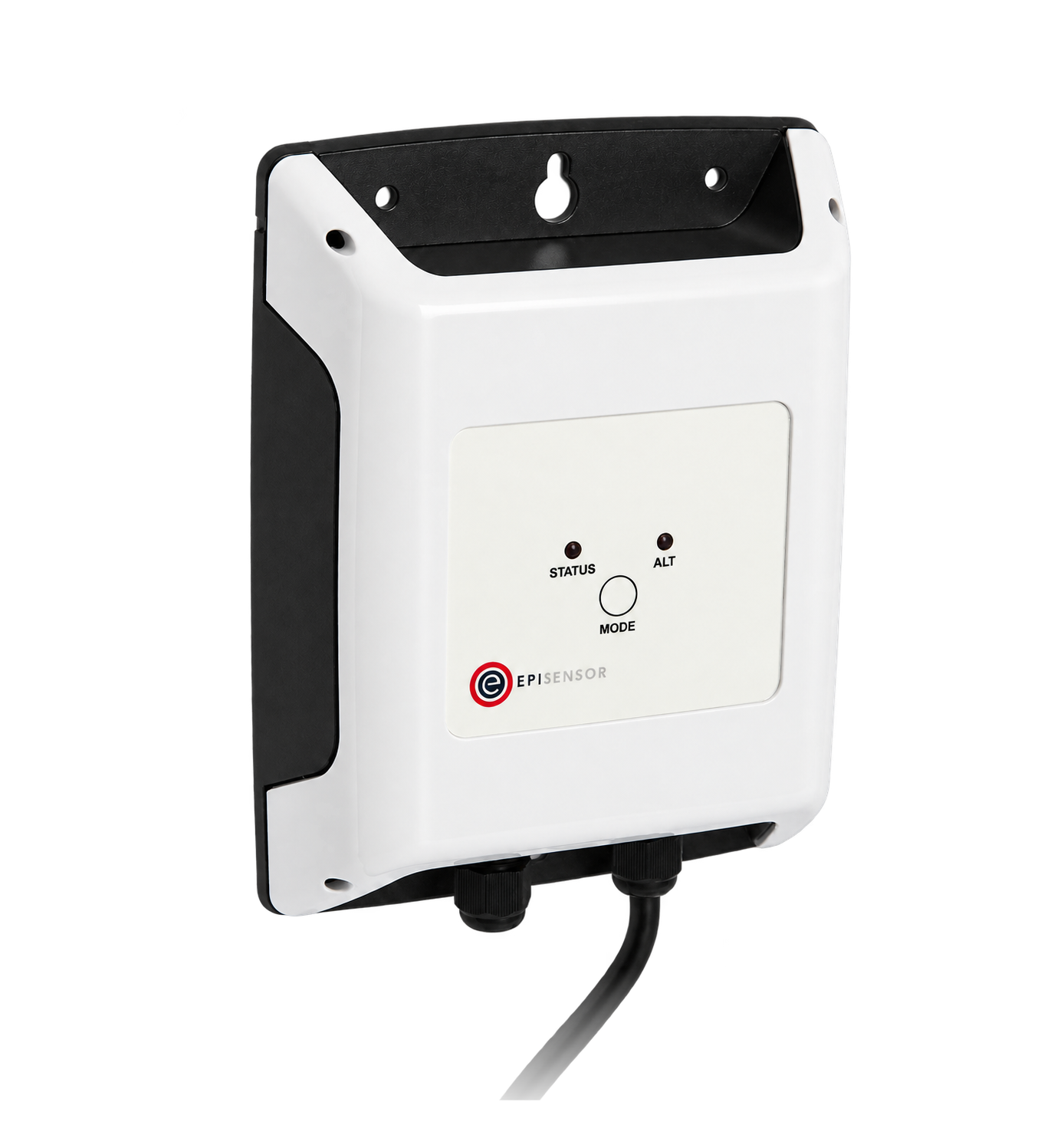
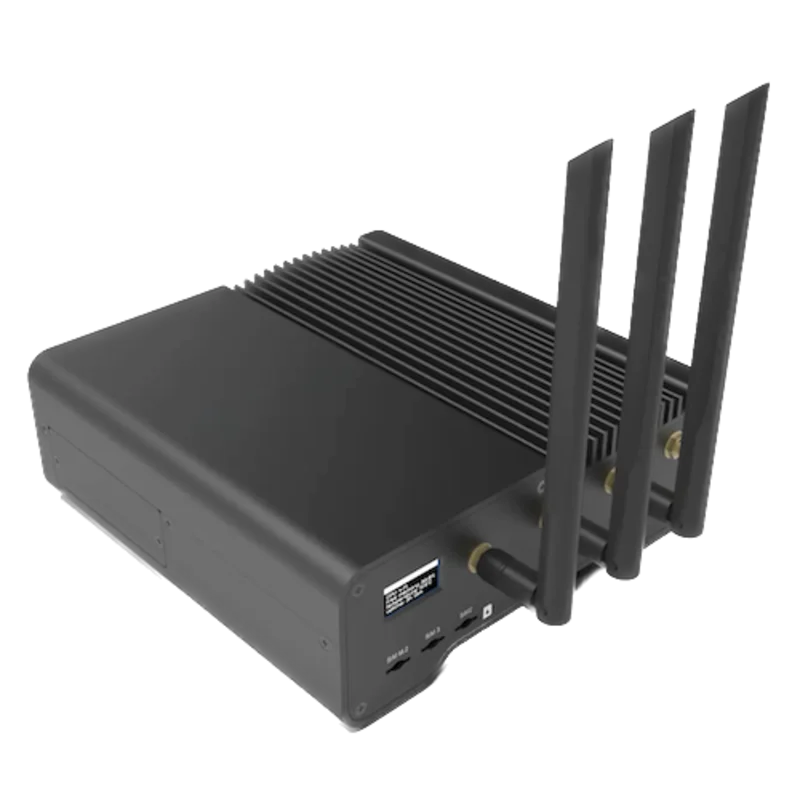
For the documented RS-485 Modbus RTU server interface
- Modbus
- Edge
- Platforms
Models
| Models | Interface | Route into Edge |
|---|---|---|
| UMG 509-PRO | RS-485 Modbus server; separate Ethernet and analysis functions | This guide reads live measurements from the RS-485 server. |
| UMG 509 and UMG 512-PRO | Different model revisions and manuals | Do not transfer the UMG 509-PRO map or commissioning steps. |
Interface
Documented measurements and integration boundaries for UMG 509-PRO.
- L1-N voltage as Float32 in V at literal address 19000.
- Current, three-phase active power and Wh energy in the frequent-readings bank.
- Residual-current measurements with their own sensors and configuration.
- Power-quality and event analysis beyond a single present-value read.
Assessment
UMG 509-PRO using the June 2024 address list and November 2024 user manual as a best-effort starting point. Poll the instrument’s RS-485 Modbus server at the literal addresses below. Record its firmware and configured CT/VT ratios. The older UMG 509 and UMG 512-PRO have separate documents.
- InteroperabilityWell supported
- Janitza prints an FC03 request for L1-N voltage and the map defines the matching Float address and byte-order banks.12
- AccuracySupported with conditions
- CT-based power analysis and residual-current monitoring need the correctly installed sensing circuits and transformer ratios.23
- SecurityNot yet assessed
- Authenticated or encrypted serial transport for this read path is not established by the retained manuals.2
- ReliabilitySupported with conditions
- The front display and example telegram offer independent commissioning checks; stale or invalid samples still need handling.2
- RuggednessSupported with conditions
- The manual specifies panel installation and environmental conditions that must match the cabinet.2
Setup
Use Janitza’s documented voltage request
The user manual gives a query to read L1-N voltage at literal decimal address 19000 in Float format.
- Request PDU
- 03 4A 38 00 02: FC03, address 0x4A38, quantity two registers. Add configured RTU unit address and CRC.
- Address proof
- The printed request uses 4A 38, so do not subtract one from 19000.
- Decode
- The selected big-endian bank is IEEE-754 Float32 in V. Synthetic bytes 43 66 00 00 decode to 230.0 V.
- Acceptance
- Compare the current read with the simultaneous device display on a valid L1-N circuit.
Acceptance: The manual proves the request address and type; the synthetic payload is only a decoder vector. Actual response and wiring still need on-site acceptance.
-
Identify the instrument
Record the UMG 509-PRO model, firmware, CT/VT ratios and residual-current sensor arrangement before configuring data collection.
-
Match the serial settings
Confirm the RS-485 server role, unique device address, baud rate and framing. The address-list transfer section gives 8 data bits, no parity and two stop bits for the UMG.
-
Read L1-N voltage
Send FC03 to 0x4A38 (decimal 19000), quantity 2, for L1-N voltage. Janitza’s manual prints this exact starting-address pair.
-
Check the decoder and scaling
Decode the complete big-endian Float32 in V, and compare the fresh value with the front display. The selected Float already incorporates configured transformer factors.
-
Add current, power and frequency
Add L1 current at 19012 (0x4A44) in A, total active power at 19026 (0x4A52) in W and frequency at 19050 (0x4A6A) in Hz. Read each complete value with FC04, quantity 2, big-endian IEEE-754 Float32, multiplier 1. For example, the current request PDU is 04 4A 44 00 02. These Float readings include the configured transformer factors; do not apply CT/VT ratios again. Compare current and signed power with the display under a known load. Keep the printed bank and decoder together; use the separate +32768 bank only with its little-endian decoder.
Common questions
- Is 19000 one-based or a literal PDU address?
- It is the literal address in this map. Janitza’s example sends high byte 4A and low byte 38, which is hexadecimal 0x4A38, decimal 19000.12
- Can I use the UMG 512-PRO map?
- No. UMG 509-PRO has its own retained address list and manual. Match the actual model and revision.12
- Do the Float readings need a second CT multiplier?
- No. The address-list introduction says Float and integer values include configured transformer factors. Check those settings in the instrument.1
Related devices
Sources
- UMG 509-PRO Modbus address list, document 1.059.004.2.n (opens in a new tab) (PDF)
- UMG 509-PRO user manual with FC03 voltage telegram example (opens in a new tab) (PDF)
- UMG 509-PRO product description (opens in a new tab)
Further reading
Product names and trademarks belong to their owners. Publication does not imply endorsement or a commercial relationship.