Videos
Watch practical Edge walkthroughs and ZEM installation videos. Connect sensors, work with energy data, create calculations and automate site monitoring.
The videos and transcripts are in English.
Edge walkthroughs
-
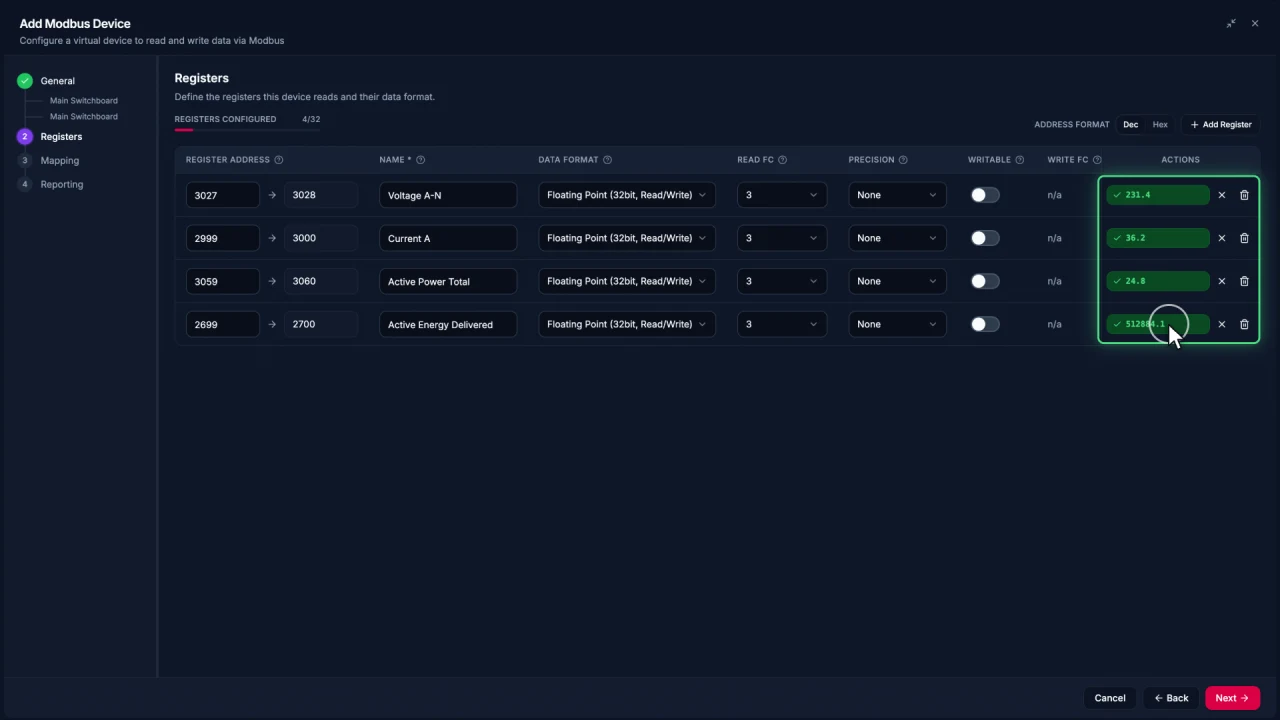
Connecting Modbus meters in Edge
Bring existing meters into your energy management system with EpiSensor Edge. This walkthrough shows how to add a Modbus TCP connection, configure and test registers, and reuse a device template for the next meter.
Watch video · 2:30 -
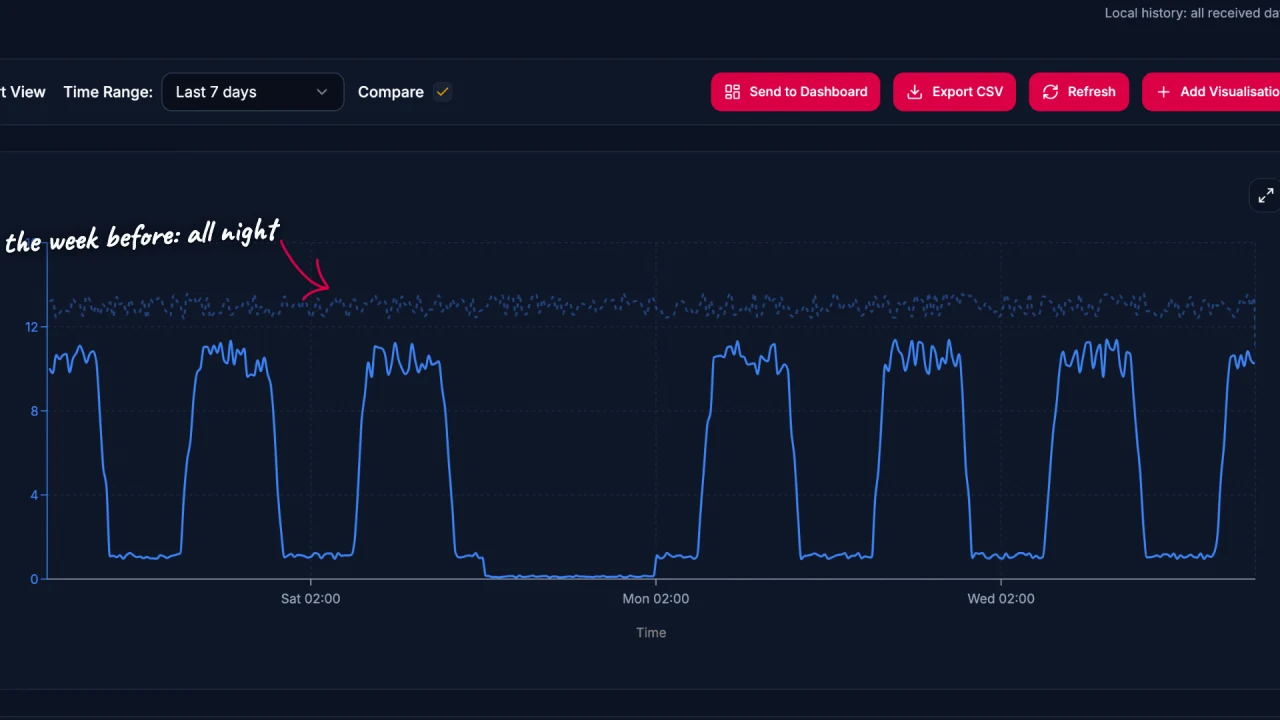
Energy data analysis in Edge
Find the story behind your energy readings with EpiSensor Edge. This walkthrough uses a compressor running outside its expected hours to demonstrate charts, period comparisons, zoom and heatmaps.
Watch video · 2:17 -
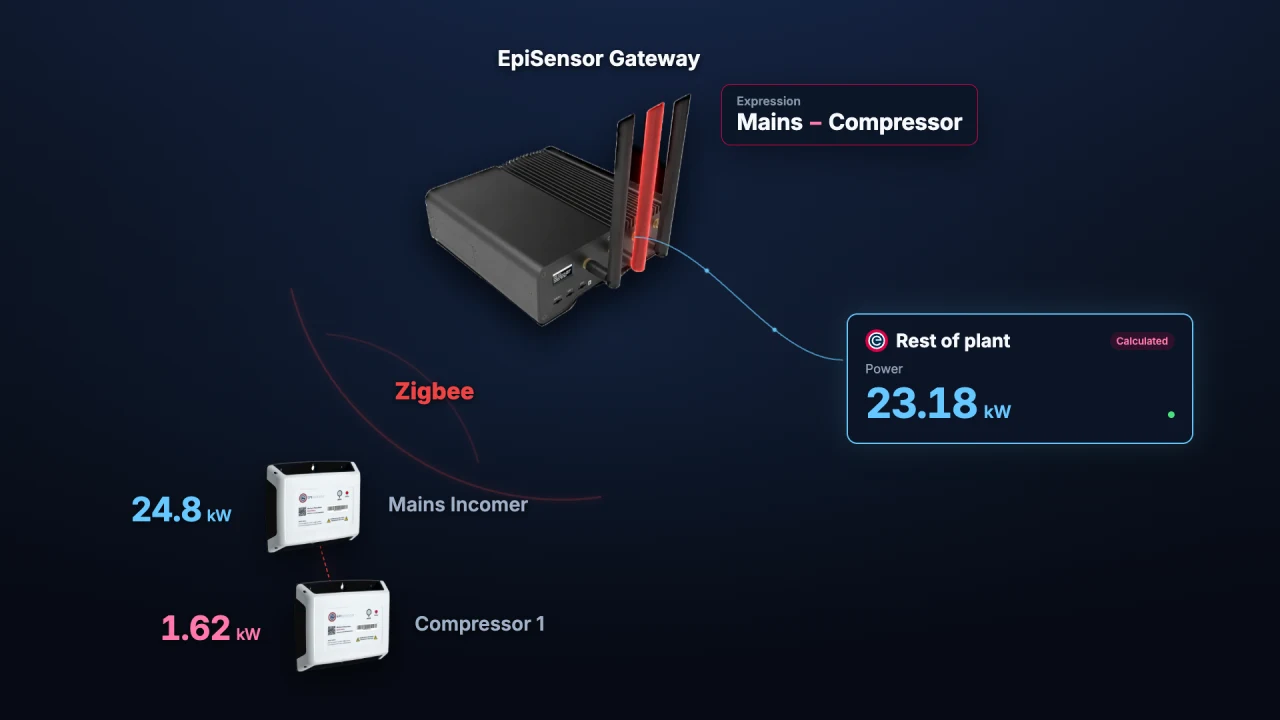
Calculated Devices in Edge
Create new measurements from the sensors you already have. In EpiSensor Edge, a Calculated Device runs an operation on the Gateway and publishes the result as a sensor you can chart, monitor and use in automation.
Watch video · 1:56 -
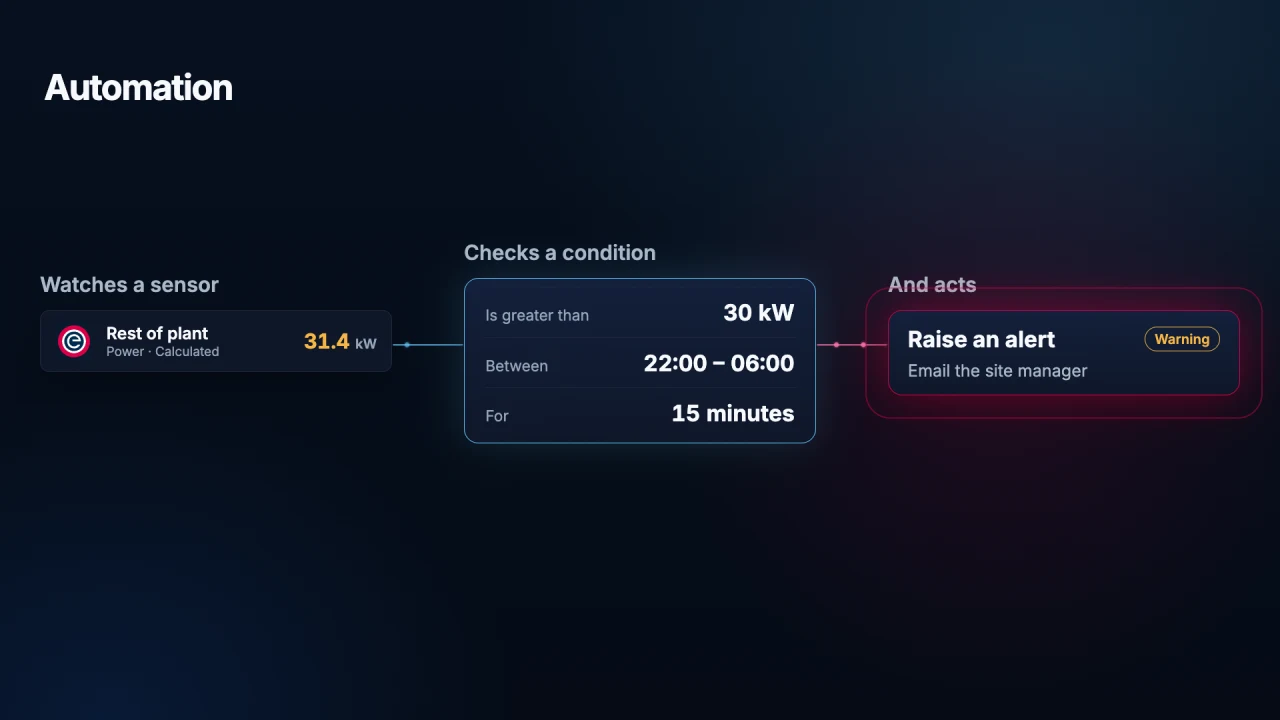
Automation in Edge
Nobody should have to sit and watch an energy dashboard. EpiSensor Edge can monitor a sensor, check a condition and take action, with rules running locally on the Gateway.
Watch video · 1:45 -
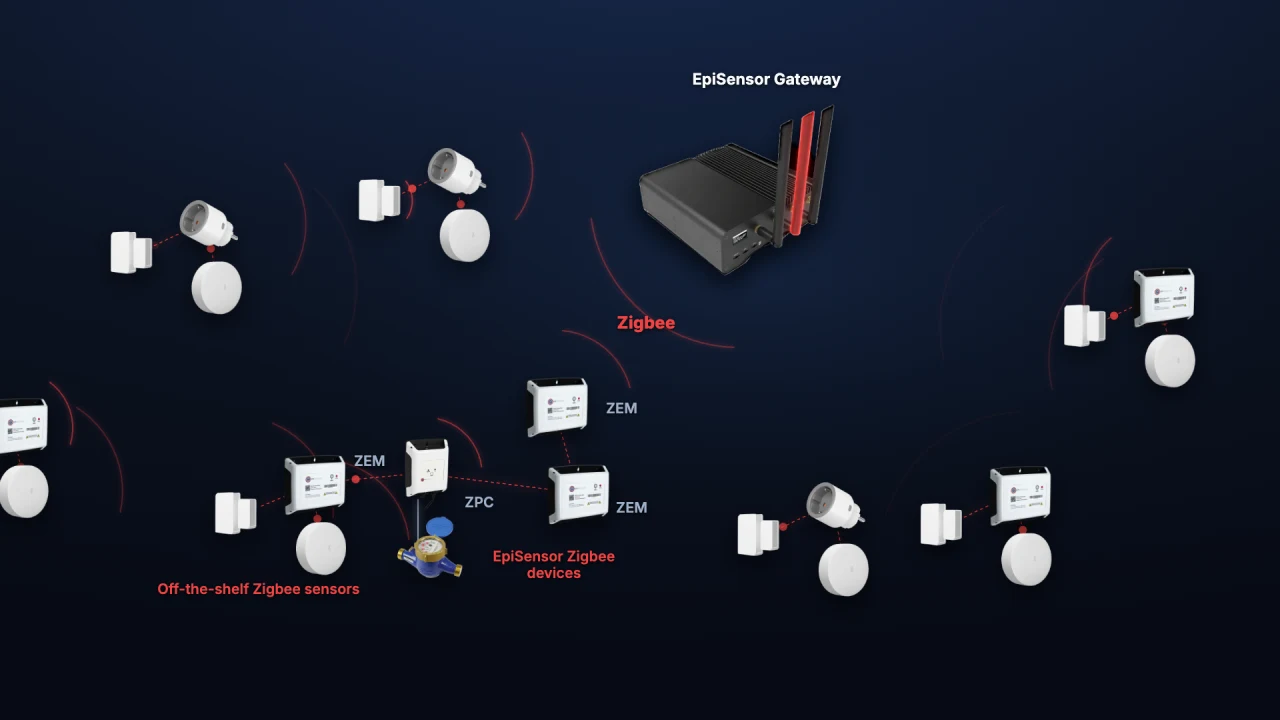
Adding Zigbee devices in Edge
Bring industrial metering and everyday sensor readings together on one wireless network. This walkthrough adds an EpiSensor ZEM electricity monitor, a door contact and a temperature sensor to EpiSensor Edge.
Watch video · 1:59
ZEM installation
-
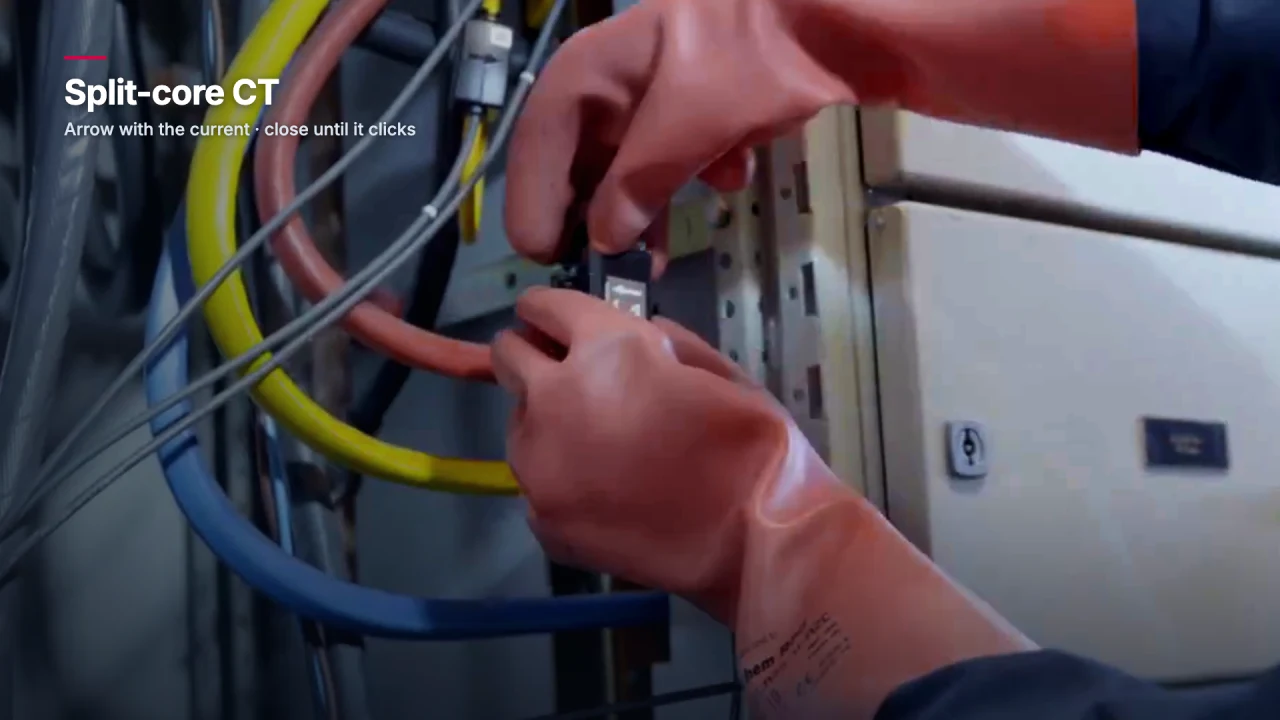
Installing ZEM current transformers
How to fit the current transformers supplied with an EpiSensor ZEM electricity monitor. This updated guide covers split-core CTs and flexible Rogowski coils, direction arrows, phase pairing and the checks to make before closing the panel.
Watch video · 2:26 -
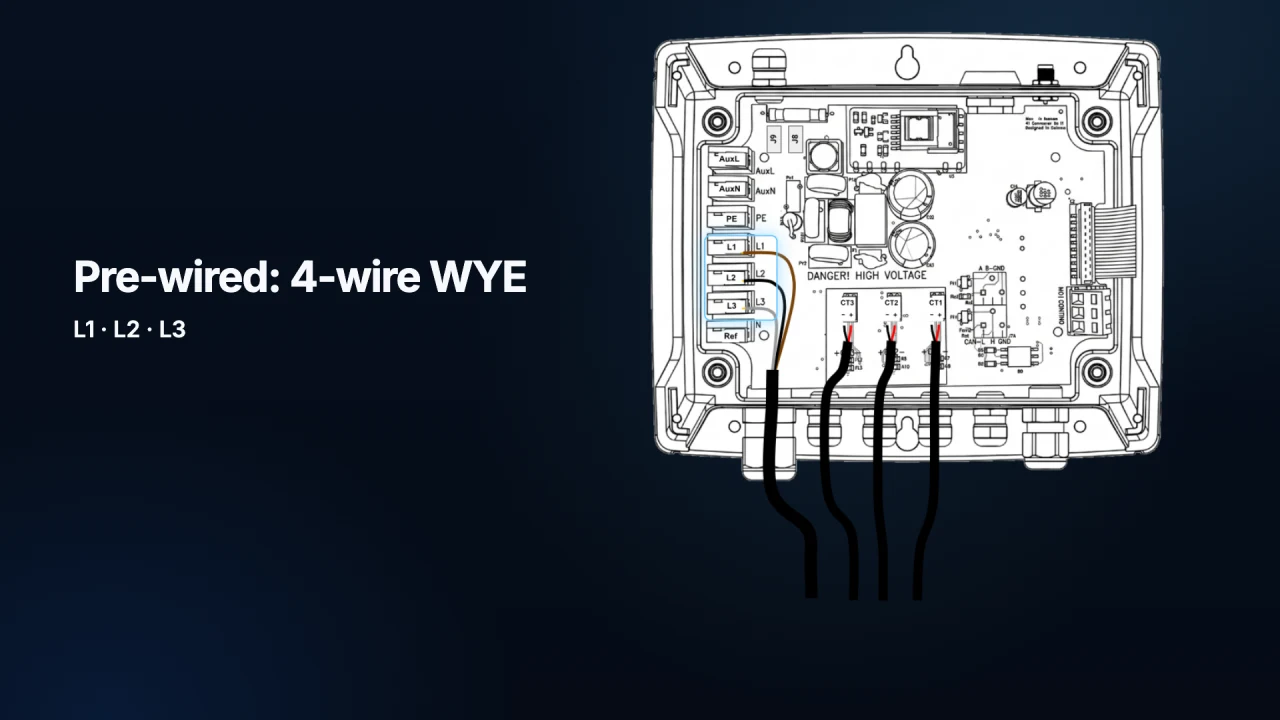
Connecting the ZEM voltage reference
Connect the voltage reference for an EpiSensor ZEM electricity monitor. Understand supply selection, phase pairing, WYE and Delta configurations, and commissioning checks.
Watch video · 2:55
For full installation instructions and specifications, visit Documentation.