Scaling demand response programmes
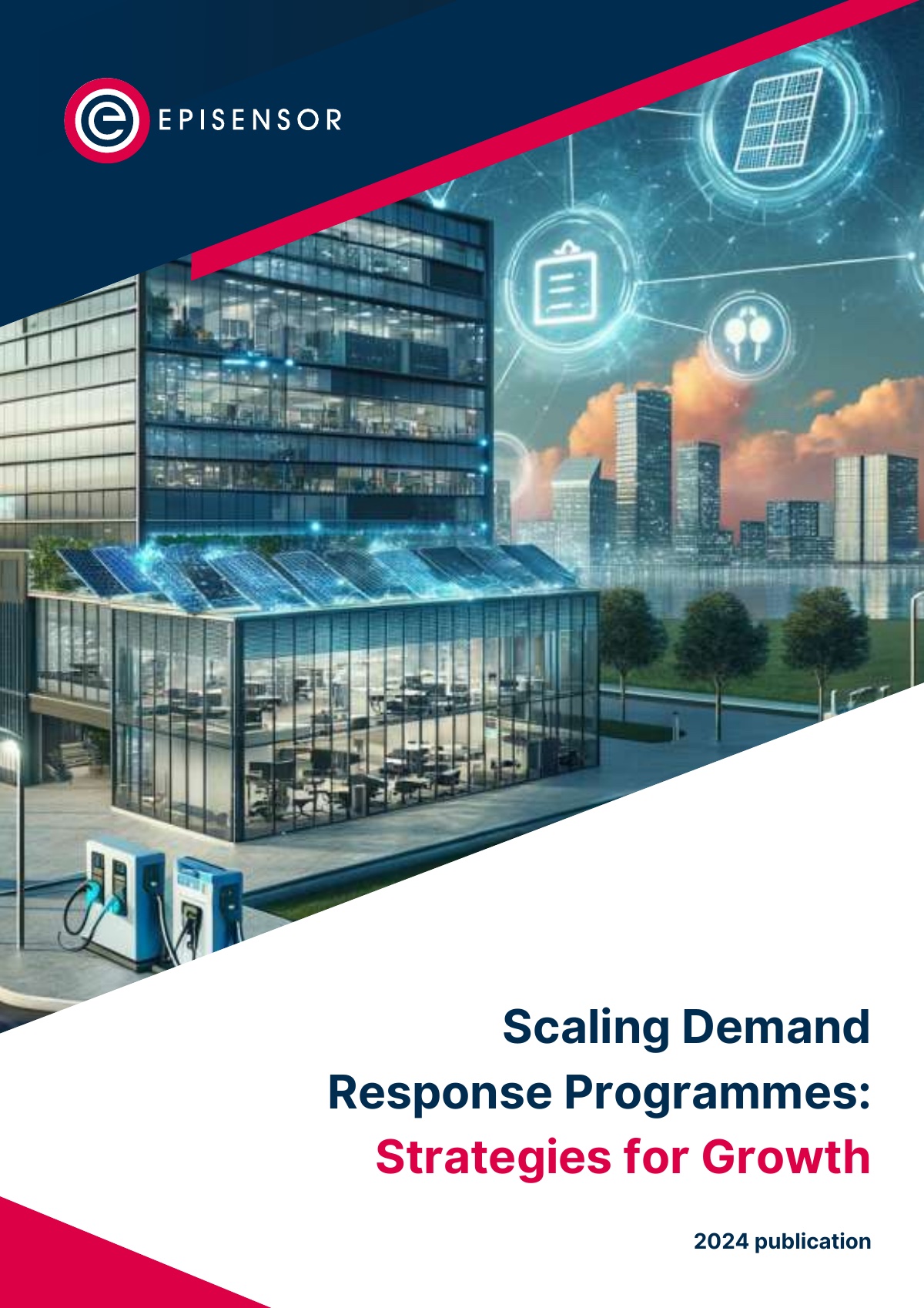
A whitepaper for aggregators and utilities on growing demand-side flexibility from trials to large portfolios. It sets out the technical problems that limit scale and the infrastructure choices that remove them.
About this publication
Grids are taking more intermittent renewable generation while demand from data centres, heat pumps and EV charging grows. Demand-side flexibility can absorb much of that pressure, but only if the equipment on customer sites can be installed quickly, communicates reliably and is managed remotely at scale.
The paper looks at the obstacles aggregators meet: very different commercial and industrial sites, a lack of standard protocols between operators and assets, the accuracy and timing that frequency response demands, and assets that range from a single battery to a data centre. It then compares traditional automation with IoT infrastructure on ease of deployment, flexibility and cost, with two deployments as examples.
Written for aggregators, utilities and virtual power plant operators building demand-side flexibility services.
Key takeaways
- Site equipment must work in environments from pharmaceutical plants to cement works, and be installable by a qualified electrician.
- Protocols and operator requirements change, so controllers need over-the-air updates and support for many protocols.
- Frequency response programmes need accurate metering, fast response and precise time synchronisation.
- Large portfolios need remote management through APIs and processing at the gateway, not site visits.
- Wireless installation shortens deployment and lowers the cost of each site added to a programme.
Contents
- Executive summarypage 2
- Stressed global gridspage 3
- Challenges in demand-side flexibilitypage 4
- Traditional automation and control compared with IoTpage 5
- Selecting an IoT partnerpage 6
- Case studiespage 8
- The future of demand flexibilitypage 13
- Related contentpage 14
Put this into practice
-
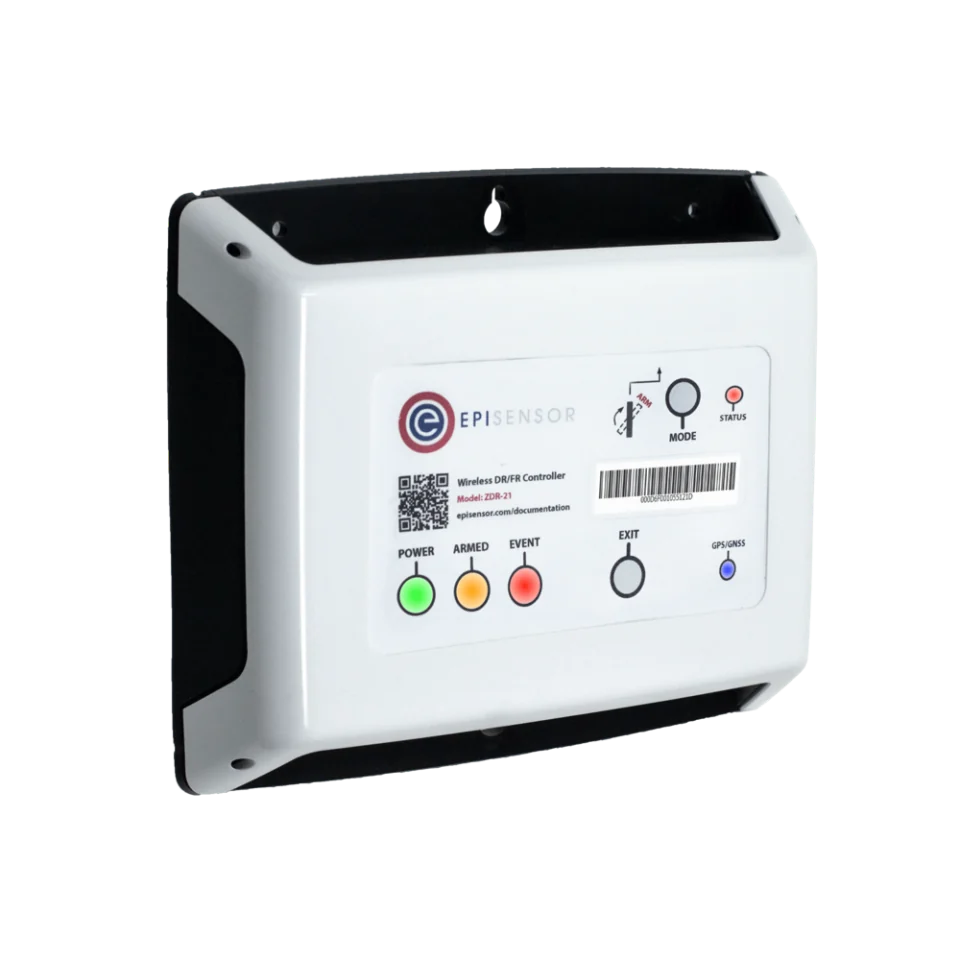 Product ZDR-2X
Demand Response Controller
Three-phase metering and a 100 ms frequency response in one controller, for demand response programmes.
Product ZDR-2X
Demand Response Controller
Three-phase metering and a 100 ms frequency response in one controller, for demand response programmes.
- Application guide Battery demand response A controller that follows grid frequency and sends a set point to the inverter, with independent metering at the connection and the battery.
-
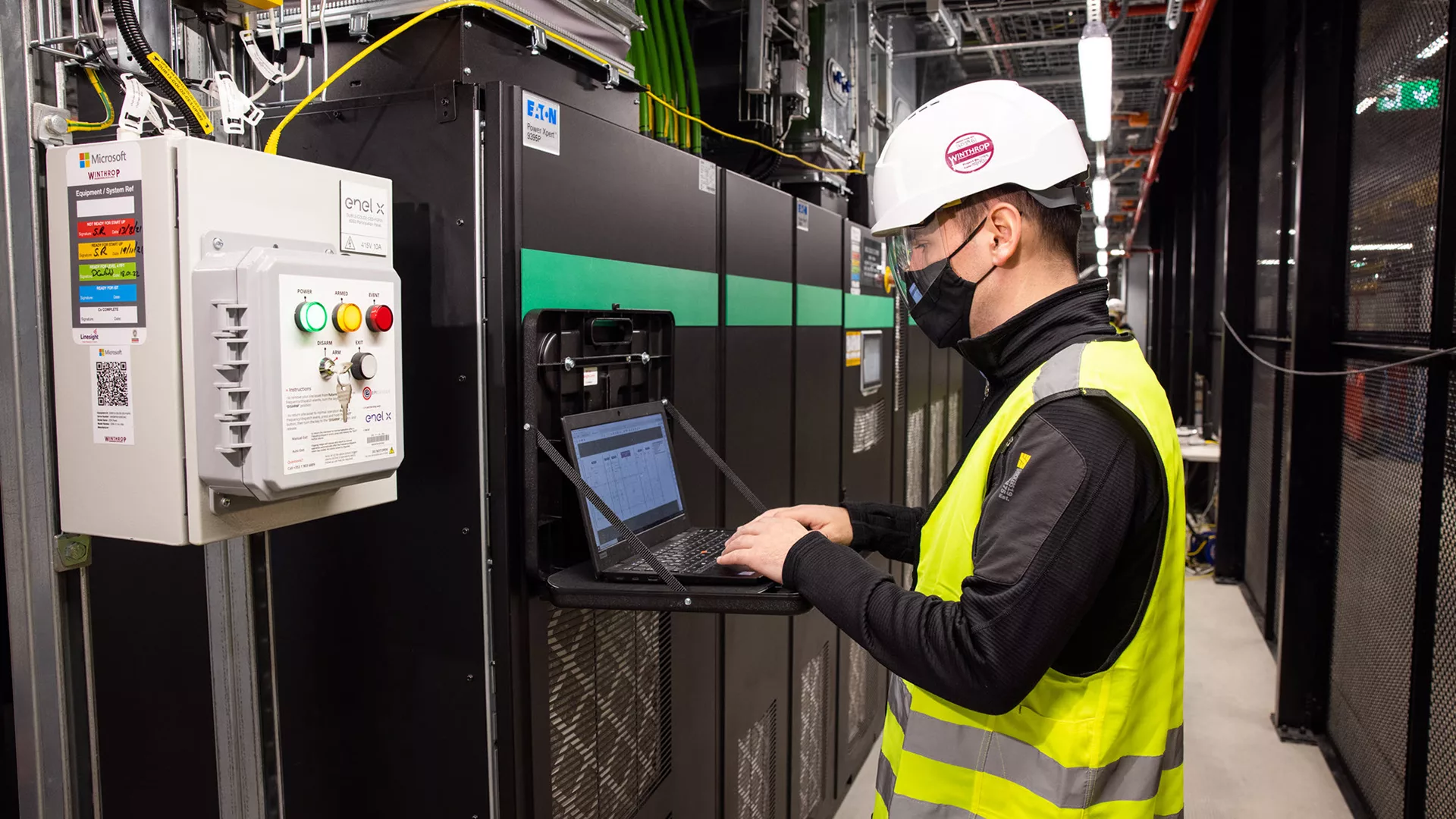 Case study
Data centre UPS batteries providing grid frequency response
EpiSensor measurement and control infrastructure supported Enel X’s use of Microsoft’s UPS batteries for grid frequency response, alongside Eaton’s UPS technology.
Case study
Data centre UPS batteries providing grid frequency response
EpiSensor measurement and control infrastructure supported Enel X’s use of Microsoft’s UPS batteries for grid frequency response, alongside Eaton’s UPS technology.