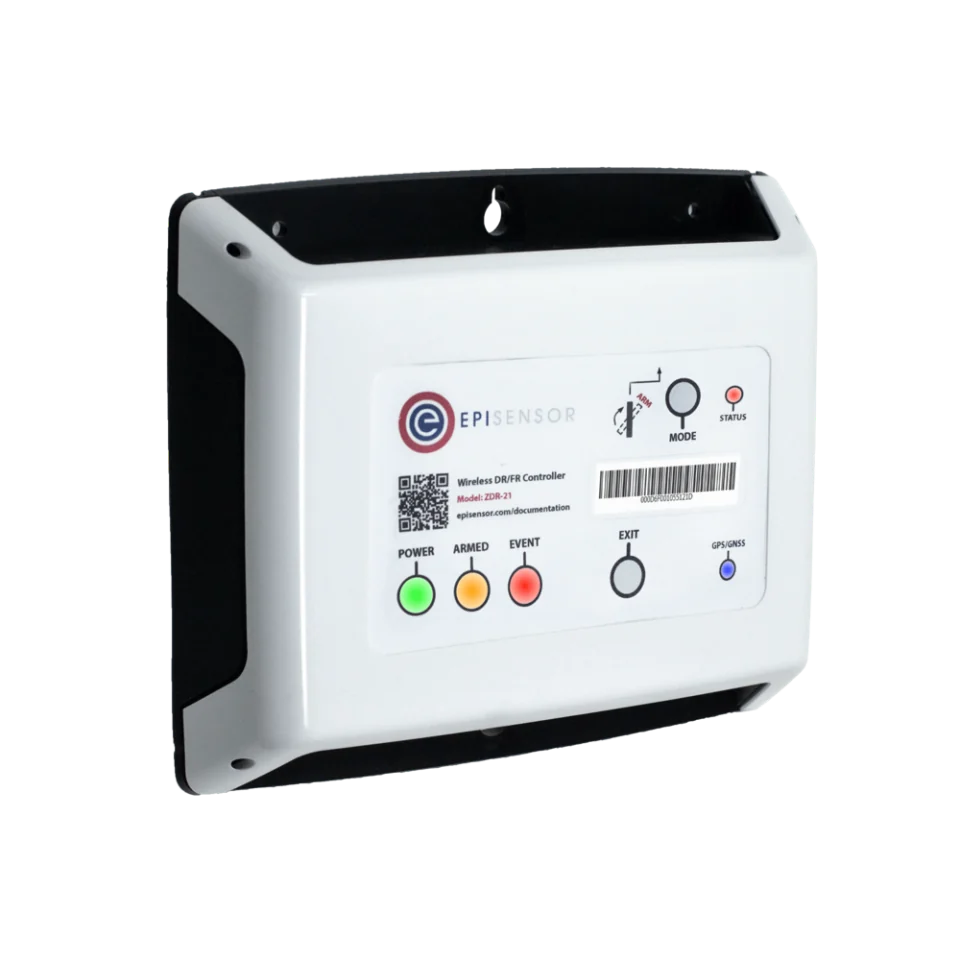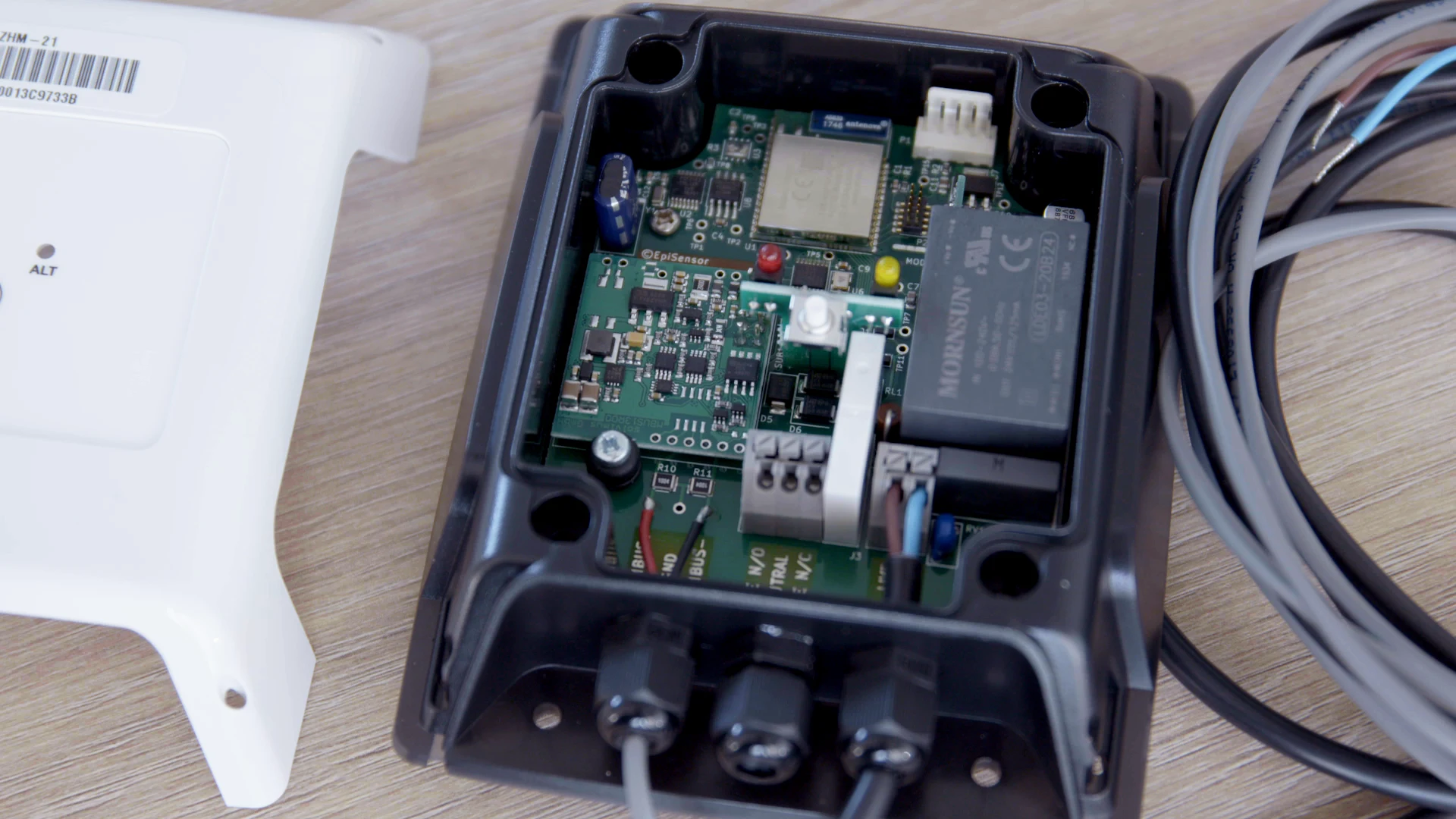
Following the previous article on demand side flexibility, this one is about a decision every aggregator faces: build IoT hardware in-house, or work with a partner. This choice can significantly influence the efficiency, scalability, and innovation potential of demand-side flexibility services.
Let’s explore the advantages of working with an IoT partner, contrasting it with the challenges of in-house hardware development.
1. Resources
- In-house: developing your own IoT hardware demands investment in research and development, specialised knowledge and continuous innovation. It takes a dedicated engineering team, ongoing investment in technology upgrades, and the agility to adapt to changing market demands.
- With a partner: a hardware partner carries the development, certification and support cost of the device itself, which shortens the time it takes to bring a new service to market.
2. Ease of management
- In-house: managing IoT hardware internally means taking on firmware upgrades, component replacements, compliance and certification, and the electronics supply chain. That is resource-intensive and needs specialised staff.
- With a partner: the partner does the technical maintenance, keeps firmware current and keeps the device compliant as standards move, which leaves the aggregator on energy service delivery and customers.
3. Expertise and high-performance
- In-house: keeping pace with both the technology and the field experience is hard when the hardware is not the main business.
- With a partner: a hardware partner has usually solved the same field problems on other sites, which is what reduces risk on the sites an aggregator has not seen yet.
What it comes down to
In-house development offers control and customisation. Partnering offers access to continuous innovation, ease of management and expert guidance. For an aggregator aiming to scale quickly, the second usually wins, because the constraint is rarely the design of the device and almost always the time it takes to get one certified, supported and installed.
The Knowledge Base article IoT in demand response is the current reference page on the same subject; this four-part series is the 2024 discussion of it.