Earlier parts of this series covered why IoT matters in demand-side flexibility, and the choice between building hardware in-house and working with a partner. This part turns to the partner itself, starting with wired or wireless hardware.
Continuing this journey, this article emphasises the importance of choosing the right IoT partner, a decision that can significantly influence the success of your demand-side flexibility initiatives. This decision revolves around key considerations like infrastructure type, security, deployment ease, and usability. Four factors decide it: wired against Wireless Infrastructure, Data Security, Ease of Deployment, and Usability, each vital for ensuring the effectiveness, scalability, and security of your IoT solutions. Each one shows up later as cost, deployment time or reliability.
Wired against wireless
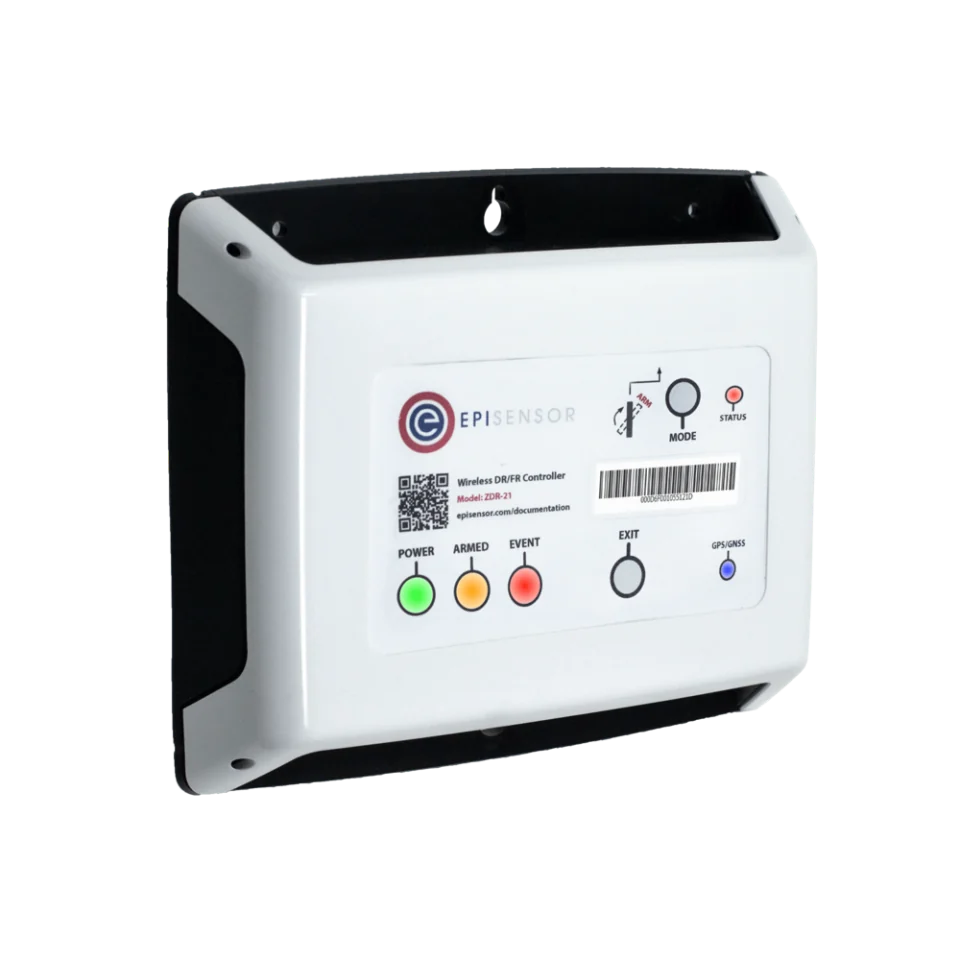
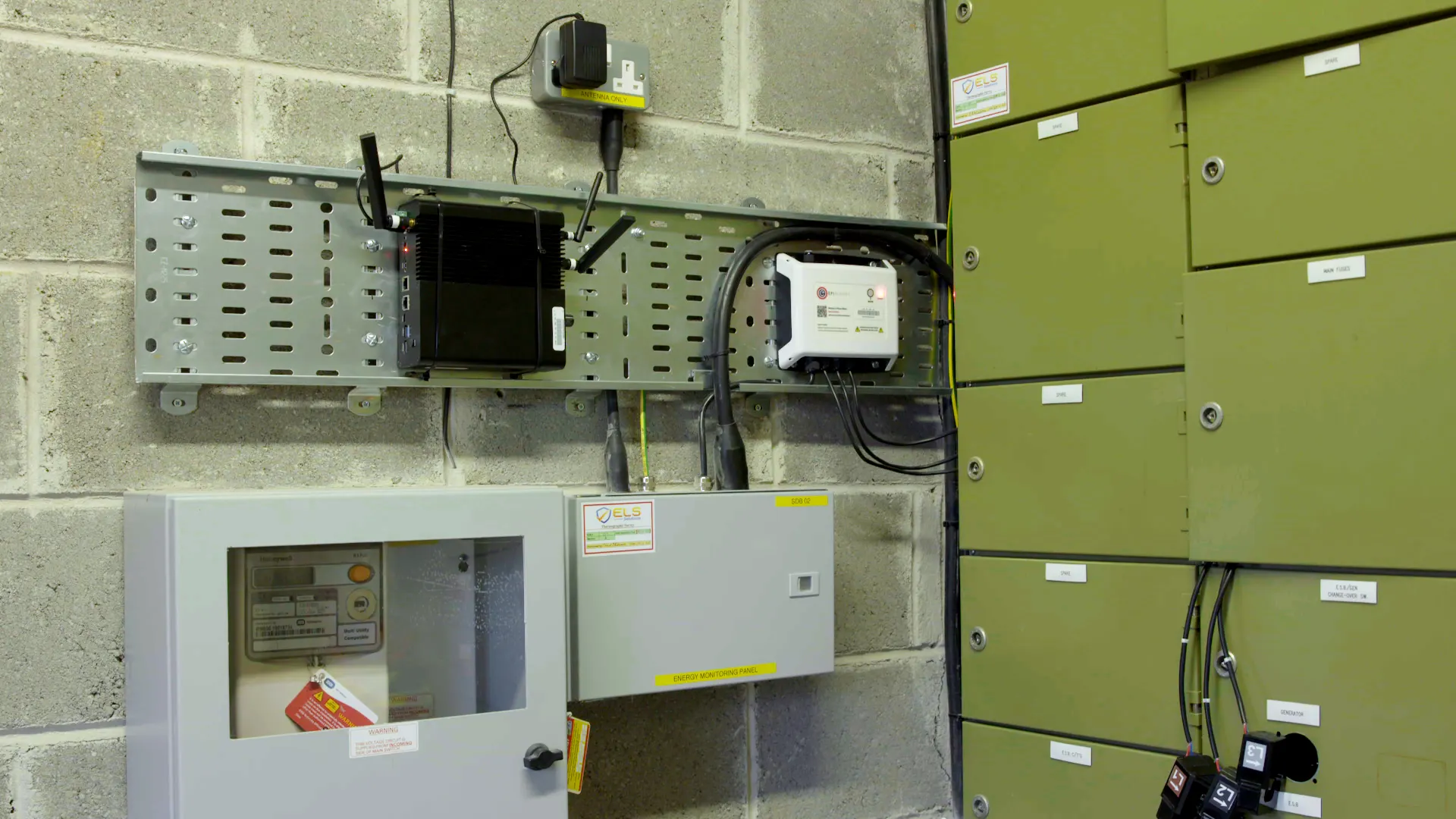
Traditional wired networks can be expensive to install and difficult to alter. Running new cables through a building in use can cause substantial disruption. Wireless systems can be quicker to deploy and easier to extend as a site changes, provided the radio survey, building materials, topology and installation requirements allow it. EpiSensor's ZEM electricity monitors arrive with their specified current transformers (CTs) connected and calibrated as a system, which simplifies commissioning and gives the stated Class 0.5S accuracy for the complete measurement. The fit and control path for a demand response programme still need to be designed for its particular assets and site.
Data security
Ensuring that your demand response IoT infrastructure has robust security measures is essential. Wireless networks need suitable encryption, authentication and operational controls to protect sensitive data and commands, particularly where real-time measurements and control affect energy services. Aggregators should verify those controls for the actual network and deployment, then maintain them throughout the programme.
Ease of deployment
For cost-efficient scaling of demand-side flexibility services, the deployment process is a key consideration. It’s essential to assess whether your IoT infrastructure can be installed and commissioned by a qualified electrician, or if it requires specialist expertise. This aspect directly impacts the speed of deployment and the cost of demand-side flexibility programmes which should be a critical consideration in your procurement process.
Promoting widespread adoption through usability
User experience too is crucial. To effectively scale IoT infrastructures, there needs to be a shift away from dependence on specialist engineers towards enhanced usability and accessibility for a broader range of professionals. This approach not only streamlines deployment but also promotes wider adoption of demand-side flexibility programmes.
What it comes down to
Selecting an IoT partner goes beyond the technical specification. It turns on how the infrastructure is deployed, who can deploy it, and what happens to it over the years a programme runs.
The Knowledge Base article IoT in demand response is the current reference page on the same subject; this four-part series is the 2024 discussion of it.