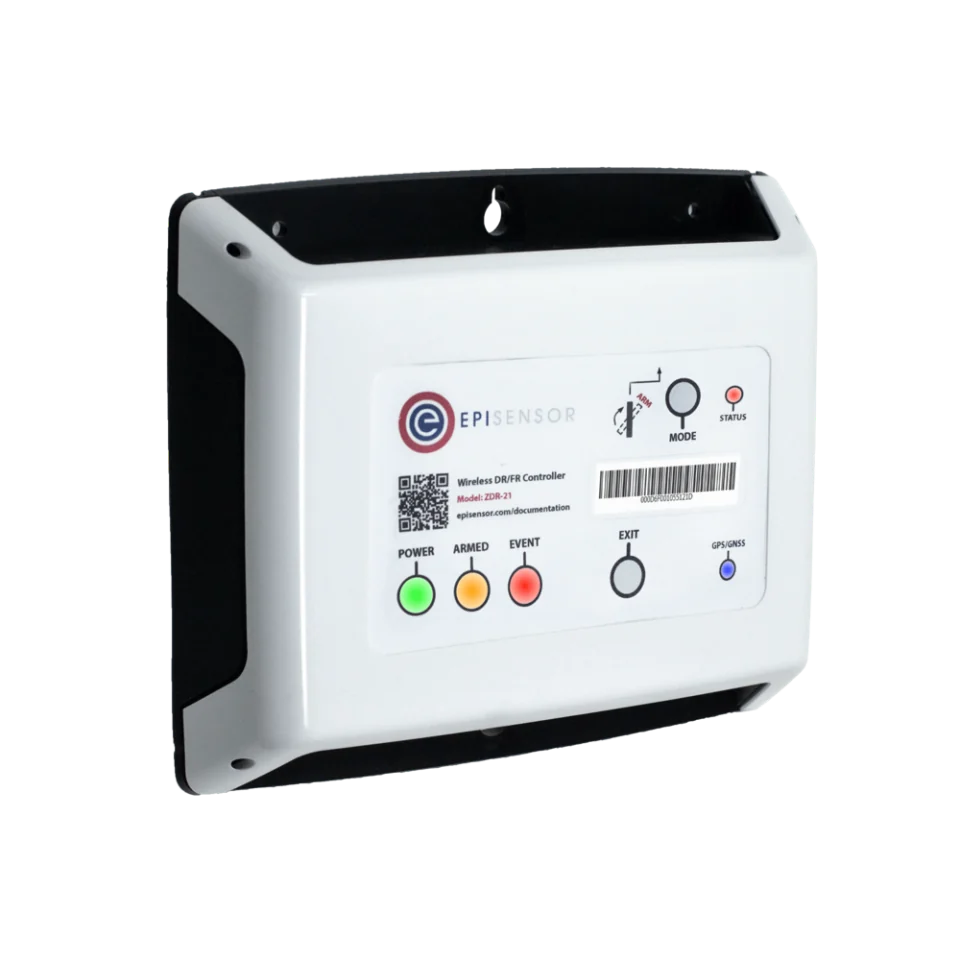
Demand-side flexibility (DSF) matters more as the share of renewable generation rises, because supply and demand still have to be balanced somewhere. That balancing depends on measuring and controlling assets on real sites, which is what IoT in demand response is for.
The need for flexibility and precision
Demand-Side Flexibility services require an adaptable, secure, and efficient framework. This is precisely where IoT infrastructure excels. IoT infrastructure integrates and controls assets that have nothing else in common, from EV chargers to batteries to heat pumps, and responds in the time the market allows.
Challenges addressed by IoT
- Infrastructure Flexibility: Traditional wired networks are often inflexible and costly. IoT offers wireless solutions that are easily deployable and scalable, fitting various asset types and sizes.
- Standardisation and Compliance: The lack of industry standardisation poses a challenge in Demand-Side Flexibility. IoT infrastructure, with its adaptability, can meet diverse, evolving grid operator requirements across countries and regions.
- Complex Grid Demands: As grid requirements become more intricate, the need for rapid response to grid fluctuations intensifies. This demands high accuracy and timeliness in reactions, which IoT can provide.
- Remote Asset Management: The increasing number of assets in Virtual Power Plants (VPPs) presents a challenge in remote management when response time is a factor. IoT enables efficient management of VPPs, allowing decisions to be made at the asset level in milliseconds, with greater precision and security.
- Integration of Energy Assets: A key challenge in Demand-Side Flexibility is the integration and control of various energy assets. That means managing a range of sources and storage systems, each with its own characteristics, requirements and API. IoT infrastructure facilitates this, ensuring a fast project implementation.
What it comes down to
For aggregators, the measurement and control layer is not an implementation detail. It decides which sites can take part at all, how quickly they can be brought in, and how much of the response the grid operator will accept.
The Knowledge Base article IoT in demand response is the current reference page on the same subject; this four-part series is the 2024 discussion of it.