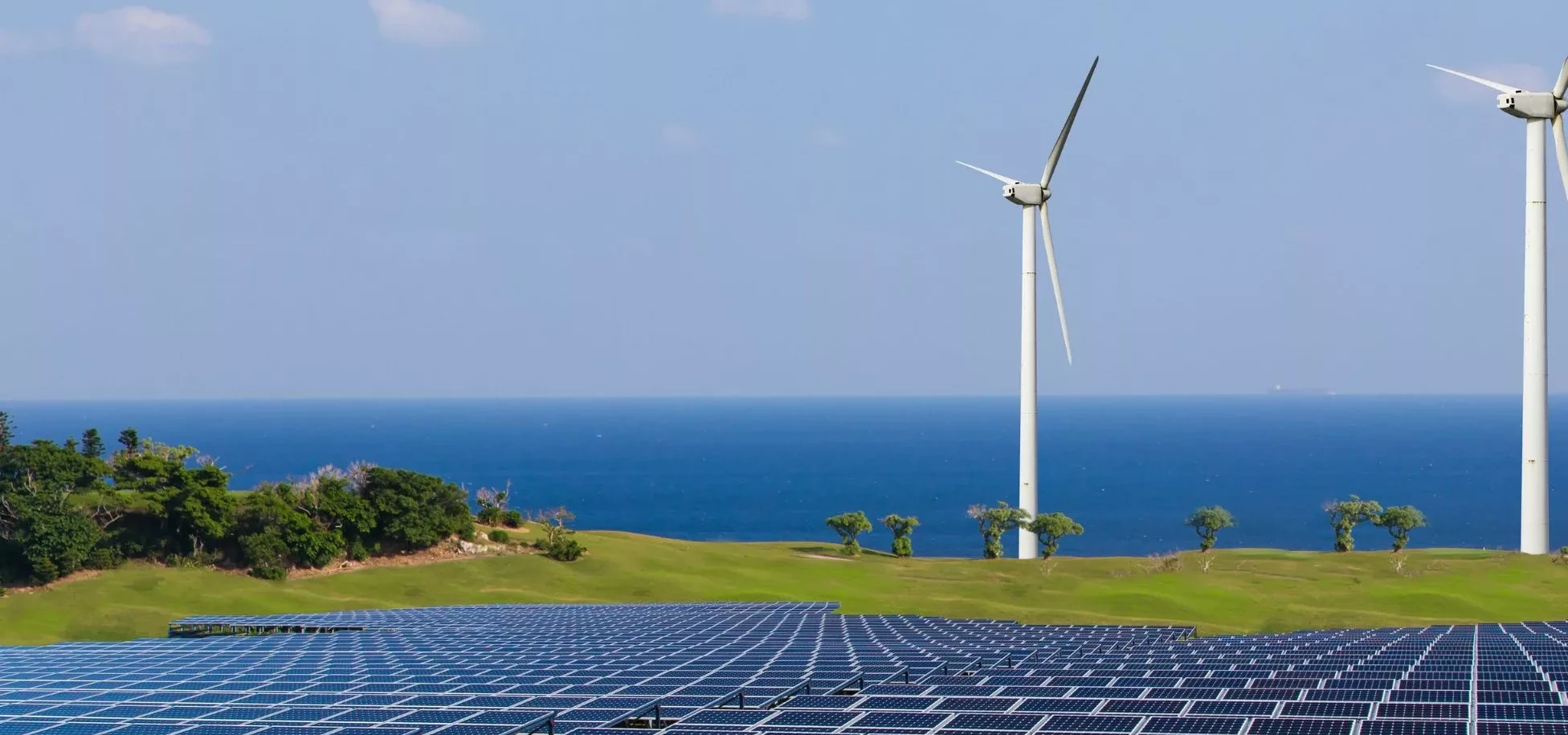
The shift toward sustainable energy is accelerating, driven by technological innovation, economic incentives, and the urgent need to protect our planet. Key trends are reshaping the energy landscape and how renewable generation is integrated with the grid, with Virtual Power Plants (VPPs), Distributed Energy Resources (DERs), demand response, and frequency response playing central roles. This article explores these trends, highlighting the critical role Internet of Things (IoT) solutions play in accelerating the energy transition.
1. Decentralisation of energy generation
The traditional model of centralised energy generation is transforming into a decentralised system with a significant role for Distributed Energy Resources (DERs) such as solar panels, wind turbines, and small-scale biogas units. The shift toward DERs reduces transmission losses and enhances grid resilience by diversifying energy sources.
2. Virtual power plants
VPPs are how this decentralised infrastructure gets managed. They aggregate DERs so a collection of them behaves as a single power plant on the grid. The International Renewable Energy Agency (IRENA) reports that VPPs improve grid stability and let a higher share of renewables be integrated, by making distributed generation and storage dispatchable.
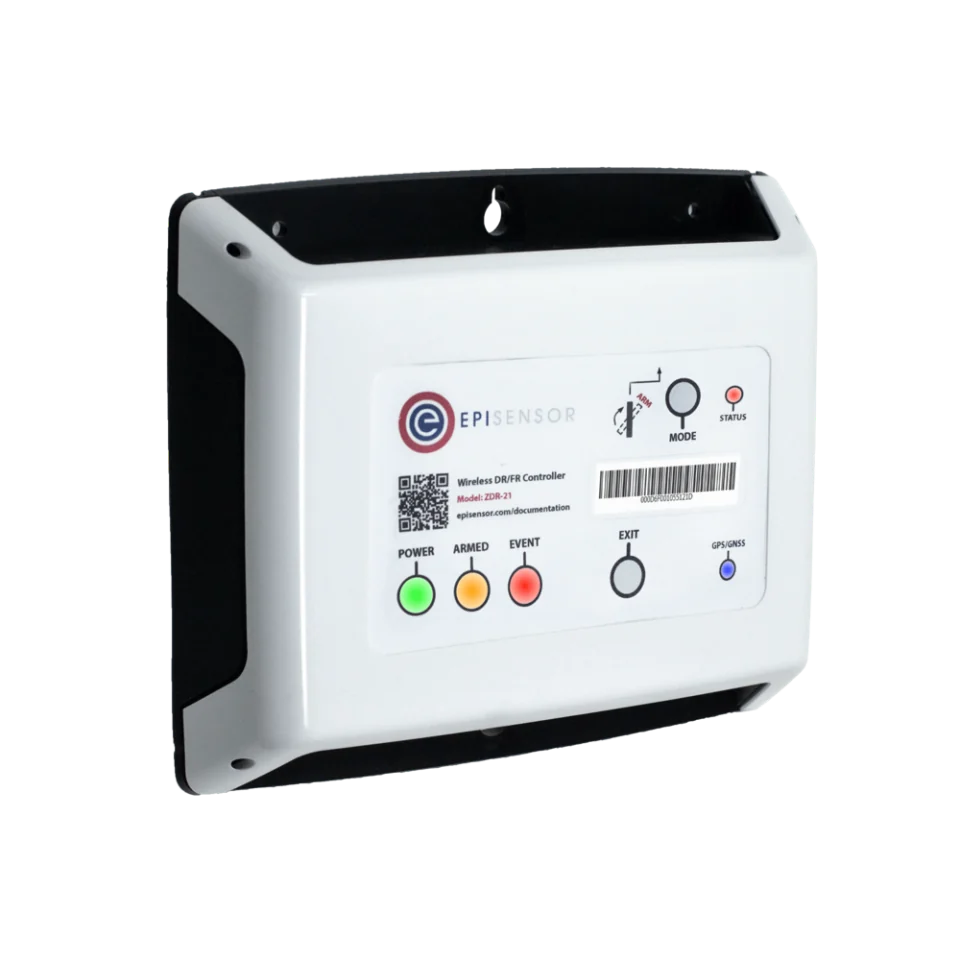
IoT solutions are critical in managing VPPs, providing real-time data and analytics to ensure efficient operation and maximum utilisation of distributed assets. EpiSensor’s demand response hardware is one way DERs are measured and controlled inside a VPP. These DERs can exist across multiple locations, such as in this Gogoro Enel X EV charging programme, where EpiSensor technology is connecting 2,500 Gogoro GoStations (battery swapping stations for E-Scooters) to the Enel X VPP.
3. The rise of energy storage
Energy storage systems, particularly lithium-ion batteries, have experienced dramatic cost reductions, leading to a surge in installed capacity. Lithium-ion battery costs have decreased by nearly 90% over the past decade, according to BloombergNEF. That decline is what makes intermittent solar and wind workable at scale. The reduction in battery costs, combined with improvements in technology, has facilitated the integration of large-scale storage solutions. IoT technology is essential for managing these systems, optimising charge and discharge cycles, and predicting usage patterns. EpiSensor’s IoT solutions enable efficient operation and integration of energy storage systems, enhancing overall energy management.
4. Demand response and dynamic pricing
Demand response, where consumers adjust their energy usage based on supply conditions and dynamic pricing, is increasingly crucial for grid stability and efficiency. Dynamic pricing models, which reflect real-time electricity costs, incentivise consumers to shift their usage to off-peak times. These financial incentives drive commercial and industrial energy consumers towards demand response as a way to reduce energy costs, enhance sustainability efforts, and comply with regulations such as the EU CSRD.
Demand response reduces costs and supports grid reliability by balancing supply and demand more closely in time. IoT solutions play a vital role in implementing these models by providing the necessary data and control mechanisms. EpiSensor’s demand response hardware is how a site adjusts its consumption inside one of those programmes. You can read about how demand response is transforming energy consumption and efficiency at Ireland’s largest airport, Dublin Airport, here.
5. Integration of electric vehicles (EVs)
Electric vehicles (EVs) are becoming integral to the energy ecosystem, serving both as consumers and mobile energy storage units. Vehicle-to-Grid (V2G) technology allows EVs to discharge power back into the grid, supporting demand and stabilising the grid during peak times.
A recent report by the International Council on Clean Transportation (ICCT) and the Regulatory Assistance Project discusses the rapid growth of EVs and their potential for grid integration. According to the report: “Smart charging is a key tool to reduce the consumption of fossil-powered electricity and integrate more variable renewables into the grid by charging EVs when there is sufficient renewable energy available. In doing so, smart charging can maximise carbon emission reductions and reduce the need for costly and unnecessary upgrades of the power grid.”
IoT can help coordinate charging with grid conditions. The EpiSensor example in this article is Gogoro's battery-swapping network, which participates in a virtual power plant. It does not establish a vehicle-to-grid interface for an individual EV or charger; bidirectional charging requires a separately verified vehicle, charger and grid connection.
6. Constraints on human skills and system design
A significant challenge in the transition to sustainable energy is the constraint on human skills. The complexity of modern energy systems often requires specialised knowledge, creating barriers for many organisations, and highlighting the talent shortage in energy transformation. Designing systems that are easier to use, automatically configure themselves, and work around skills shortages is essential.
The World Economic Forum emphasises the growing skills gap in the energy sector and the need for automation and user-friendly technologies. EpiSensor addresses this challenge by producing IoT solutions that simplify energy management, making it accessible to a broader range of users. Our systems are designed to minimise the need for technical expertise, reducing the burden on skilled personnel and accelerating the adoption of advanced energy management practices.
7. The explosive growth of renewables and storage
The cost of solar photovoltaic (PV) panels has plummeted by over 80% in the past decade, leading to a dramatic increase in installed capacity. That economic shift, together with falling battery storage costs, is driving rapid growth in renewable and storage installations. A study by the International Renewable Energy Agency (IRENA) highlights the sharp decline in renewable energy costs and the resulting expansion in capacity. IoT solutions are essential for managing this growth, providing real-time monitoring, predictive analytics, and automated control. EpiSensor’s technology supports the integration and use of renewable energy, improving the efficiency and reliability of building energy systems.
8. The IEA’s underestimation of renewable growth
The International Energy Agency (IEA) has consistently underestimated the growth of renewables and energy storage in its forecasts. Actual deployment rates have often far exceeded IEA predictions, demonstrating the rapid pace of technological advancement and adoption of renewables.
Forecasts of renewable deployment have repeatedly been overtaken by what was actually built, and storage has followed the same pattern. IoT technology has been a significant enabler of this growth, providing the tools needed to manage and optimise renewable energy systems. EpiSensor’s IoT solutions contribute to this trend by offering the data and capabilities required to harness the full potential of renewable energy sources.
9. Frequency response and grid stability
Maintaining grid stability through frequency response has become increasingly important with the rise of renewable energy. Traditional power plants help stabilise grid frequency by maintaining a steady energy flow, however renewable sources often lack this capability. IoT-enabled measurement and control can help aggregators respond to frequency changes. In the Microsoft and Enel X data centre programme, EpiSensor infrastructure enabled dynamic response from existing UPS batteries. The control path and response of other distributed resources need to be established for each deployment.
The role of IoT in the energy transition
IoT provides the data, connectivity, and intelligence needed to integrate and manage diverse energy sources, optimise storage, facilitate demand response, and enhance grid stability. The trends discussed further demonstrate the indispensable role of IoT technology in accelerating the energy transition.
EpiSensor builds the measurement and control layer these programmes run on. The systems are designed so that a qualified electrician can deploy them, which is what lets an energy services company grow a programme faster than it can hire specialists.