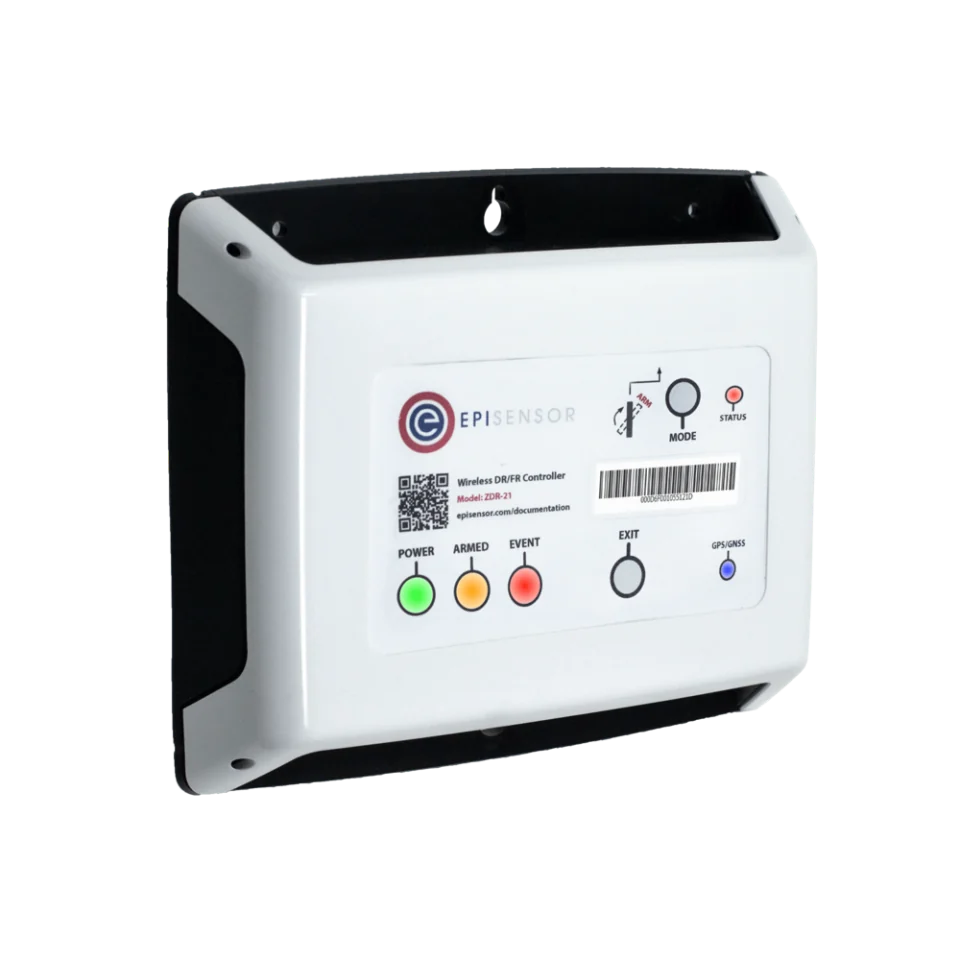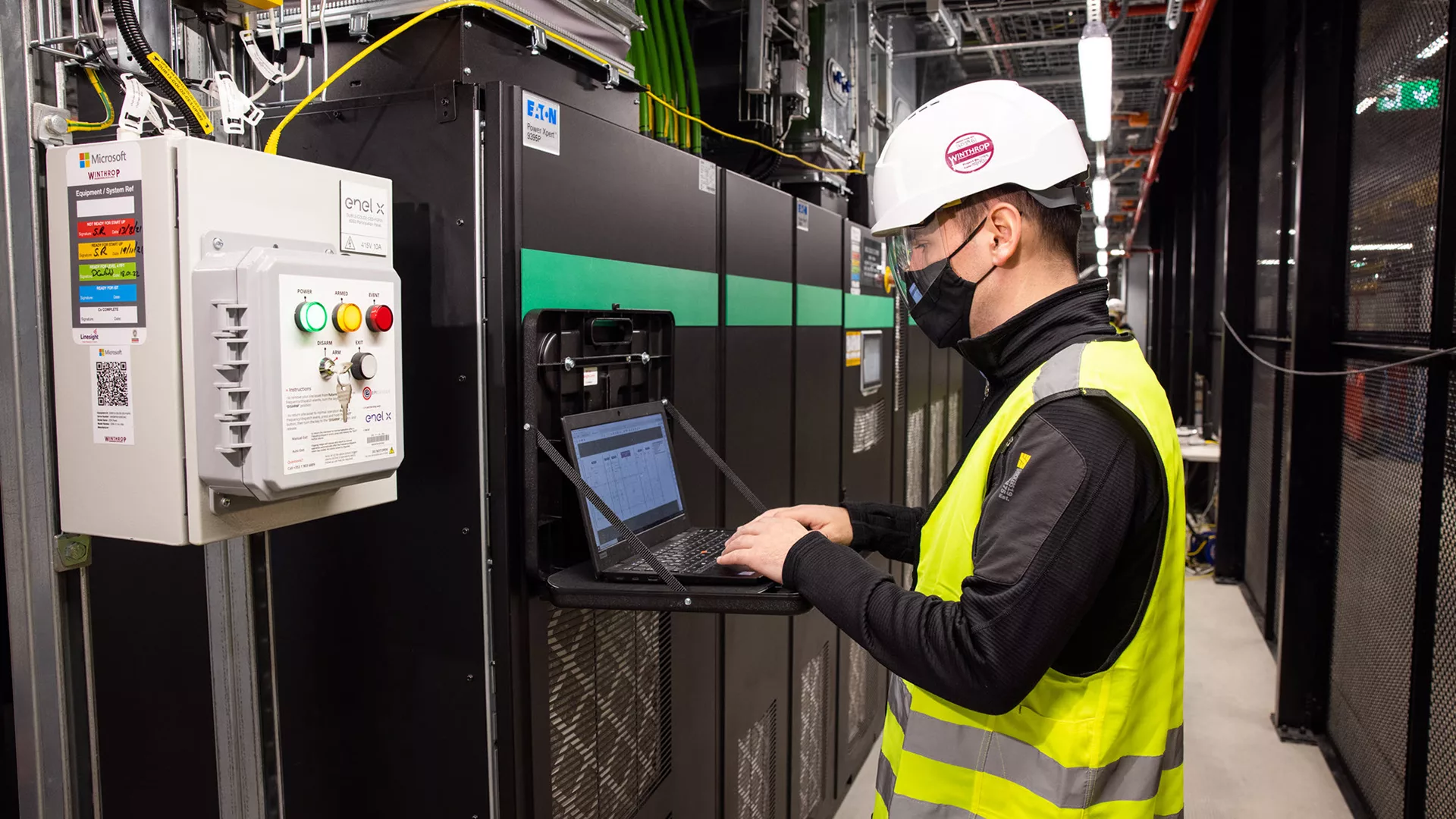
Continuing the series on IoT in demand-side flexibility, this part looks at two deployments. They show how both large and small assets are brought into demand flexibility programmes and virtual power plants (VPPs) with EpiSensor hardware.
One is a data centre operated by Microsoft; the other is a national network of scooter battery-swapping stations run by Gogoro. Very little about the two sites is alike, which is the point.
Microsoft data centre: onsite batteries for grid support
Microsoft, with Enel X, turned the batteries in one of its data centres into a grid support asset. Traditionally used for Uninterrupted Power Support (UPS), these batteries, with the integration of EpiSensor’s IoT technology, now actively respond to grid frequency fluctuations. Ehsan Nasr, a senior design researcher at Microsoft, has described the project as a new way of using existing UPS infrastructure to benefit the grid. This initiative not only enhances grid stability but also significantly reduces reliance on fossil-fuel-based power plants, aligning with Microsoft’s Net Zero goals. The case study illustrates how large-scale assets can be innovatively integrated into demand flexibility programmes, utilising IoT for environmental and operational efficiency. Read the full case study here.
Gogoro and Enel X’s virtual power plant in Taiwan
Gogoro, in partnership with Enel X and EpiSensor, demonstrates a unique application of IoT in managing energy demand. Utilizing its extensive network of 2,500 EV scooter battery swapping stations across Taiwan, Gogoro plays a crucial role in supporting the power grid during high-demand periods. By halting battery charging and exporting electricity back to the grid, Gogoro’s approach offsets the need for activating gas turbine power plants during sudden grid changes. Enabled by EpiSensor’s advanced IoT sensors, which detect frequency changes in fractions of a second, this initiative marks a significant step towards cleaner energy. Gogoro’s involvement in Enel X’s VPP highlights how smaller, distributed assets can collectively make a substantial impact on energy management. Read more about the programme here.
Conclusion
From large data centres to networks of EV battery stations, the same hardware brings very different assets into VPPs and demand flexibility programmes. What changes between the two is the asset and the aggregator, not the measurement and control layer underneath.
The Knowledge Base article IoT in demand response is the current reference page on the same subject; this four-part series is the 2024 discussion of it.