EV charging capacity calculator

Work out how many EV chargers a site can run at full power within its import capacity, interval by interval, from its measured load.

Solar, storage and flexibility Updated Free, no sign-up

Site
kW

Kept free for the site

kW
min

One kW value per interval, in time order

Chargers

Common chargers

From the supply, not to the car

kW

Chargers at full power in every interval

0chargers

Least headroom, interval 3 of 4
−10 kW
Charging energy the headroom allows
65 kWh
Capacity after the reserve
450 kW
  • Fail: The site is already over capacityIn interval 3, before any charging10 kW over
0 kW125 kW250 kW375 kW500 kW1234Site loadChargingLimit after reserve

Assumes chargers can be throttled to fit the headroom in every interval. Peaks inside an interval are not in interval averages.

How it’s calculated
  1. Headroom = capacity − reserve − site load=500 − 50 − 460=-10 kW
  2. Chargers = ⌊headroom ÷ charger power⌋=⌊-10 ÷ 22⌋=0

Choose the devices to manage this charging.

Build a system

The site load already exceeds its 450 kW after the reserve in interval 3, so no charger fits at full power then.

Tip: Use the busiest measured day, not an average one: the fewest chargers fit when the site load peaks.

How to work out EV charging capacity

How many EV chargers a site can run depends on how much of its connection the rest of the site is already using, interval by interval. Take the import capacity, keep a reserve, subtract the measured site load, and divide what is left by the power of one charger. The busiest interval sets how many can run at full power all the time; the quieter ones show how much more a load-managed system could deliver.

Headroom

Headroom = import capacity − reserve − site load

Import capacity is the agreed maximum import of the connection in kW (a capacity agreed in kVA is multiplied by the power factor). The reserve is a margin kept free for the site’s own peaks, measurement error and switching. Site load is the measured demand without charging, in the same units, for each interval.

Chargers at full power

Chargers = ⌊headroom ÷ charger power⌋

Rounded down, in the interval with the least headroom. Use the charger’s input power from the supply, not the power it gives the car: a 22 kW AC charger draws 22 kW, and a DC charger draws a little more than its rated output.

Charging energy

Energy = Σ min(headroom, all chargers’ power) × interval hours

The most energy the chargers could take from the headroom across the period, if they were throttled to fill it. It is an upper bound: cars do not always need charge when the headroom is there.

A fixed allocation, sized for the busiest interval, needs no controls but leaves capacity unused most of the day. Dynamic load management measures the site load and shares the headroom among the chargers as it changes, so more chargers fit on the same connection. Either way, the calculation needs measured interval data from the busiest days, not an average day or the sum of nameplate ratings.

EV charging capacity examples

An office with a 500 kW connection

After a 50 kW reserve, 450 kW is available. The site peaks at 420 kW, leaving 30 kW, so only 1 of the twelve 22 kW chargers can run at full power all the time. Across the two hours the headroom would still allow 230 kWh of charging with load management.

Chargers at full power in every interval 1 charger Open in the calculator
A depot charging overnight

Overnight the depot uses at most 180 kW of its 360 kW after the reserve. That leaves 180 kW, enough for 16 chargers at 11 kW at full power all night, and 1,950 kWh of charging over eight hours.

Chargers at full power in every interval 16 chargers Open in the calculator

A site already at its limit

In the third half-hour the site takes 460 kW, 10 kW above its 450 kW after the reserve. No charger fits at full power then, so the result is 0: without load management, the chargers need a larger connection or the site’s own peak cut first.

Chargers at full power in every interval 0 chargers Open in the calculator

Chargers at full power by peak site load

For a 500 kW connection with a 50 kW reserve: how many chargers of each size fit at full power at each peak site load.

Peak site load (kW)7.4 kW11 kW22 kW50 kW DC
1004731157
1504027136
2003322115
250271894
300201363
35013942
4006421
4401000

Download this table (CSV)

Questions about EV charging capacity

How many EV chargers can my building support?

As many as fit in the headroom between your connection’s capacity, less a reserve, and your measured peak demand. Measure the site for at least a few busy weeks at 15 or 30-minute intervals before deciding; the interval demand calculator turns meter readings into demand.

What is dynamic load management for EV chargers?

A controller that measures the site’s load continuously and sets each charger’s current so that the total stays under the connection’s limit. It lets more chargers share the same connection, at the cost of slower charging during the site’s peaks.

Should I use kW or kVA?

Use kW throughout if the import limit is agreed in kW. If it is in kVA, convert it with the site’s power factor, or measure apparent power and work in kVA; the kW, kVA, kvar and power factor calculator does the conversion.

Why use the busiest day and not an average one?

Because the chargers have to fit when the site peaks, not on a typical afternoon. An average day hides the peaks, and even 15-minute averages hide shorter ones, so keep the reserve for what the intervals cannot show.

Limits of this result

  • Import capacity, reserve and site load must be measured at the same point, with import positive and export negative.
  • Phase balance, voltage, transformer and cable ratings, protection and the connection agreement need their own checks.
  • The charging energy is an upper bound from interval averages: it cannot show peaks inside an interval or charger losses.

Measure it continuously

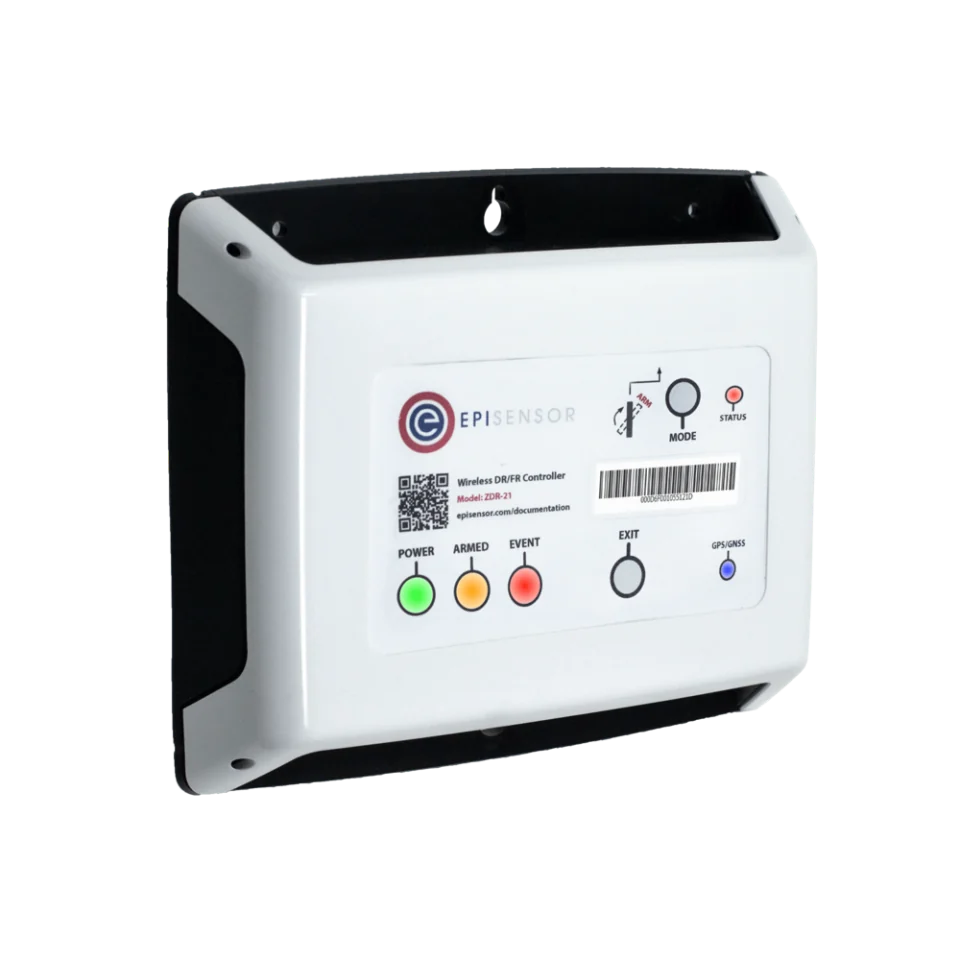
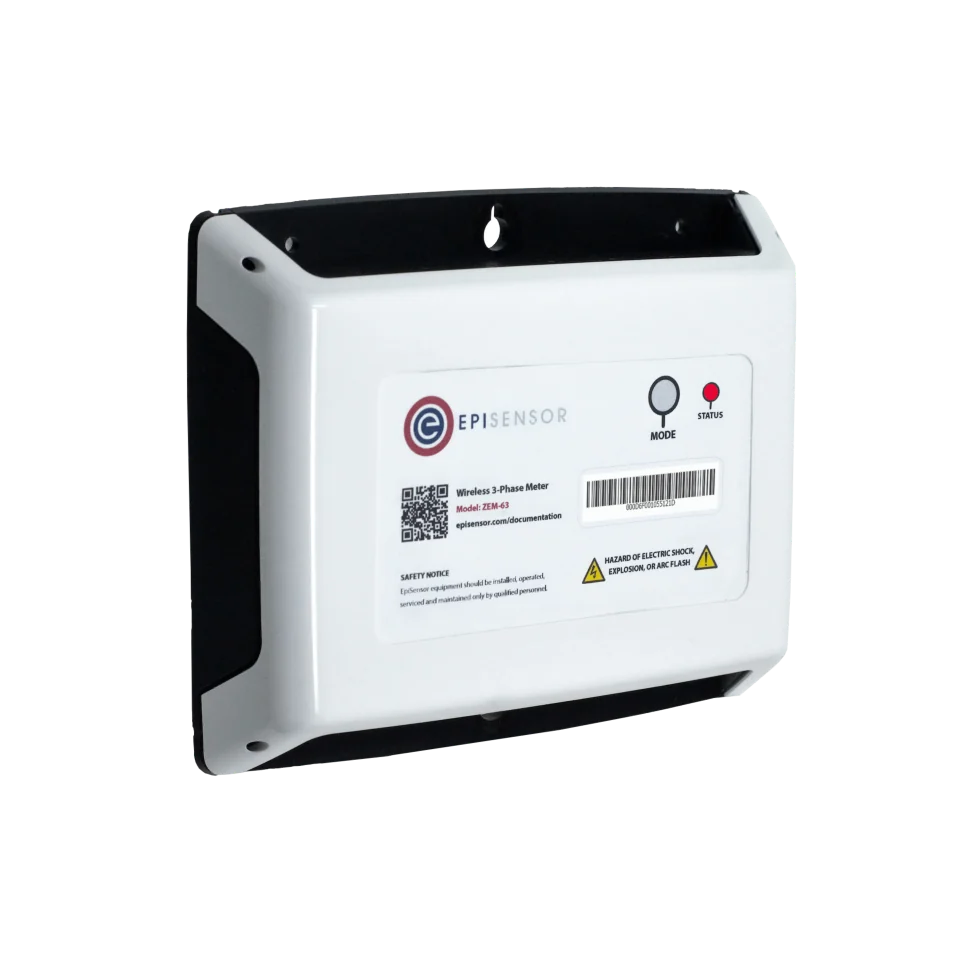
A ZEM measures the site’s load at the incomer, interval by interval, which is the data this calculation needs; a ZDR adds local control of loads for demand response.

Related guides

Sources

  1. EVI-X electric vehicle charging infrastructure analysis tools (opens in a new tab) National Renewable Energy Laboratory, accessed 2026-09-14
  2. Managed charging and the grid (opens in a new tab) National Renewable Energy Laboratory, 2022-01-10