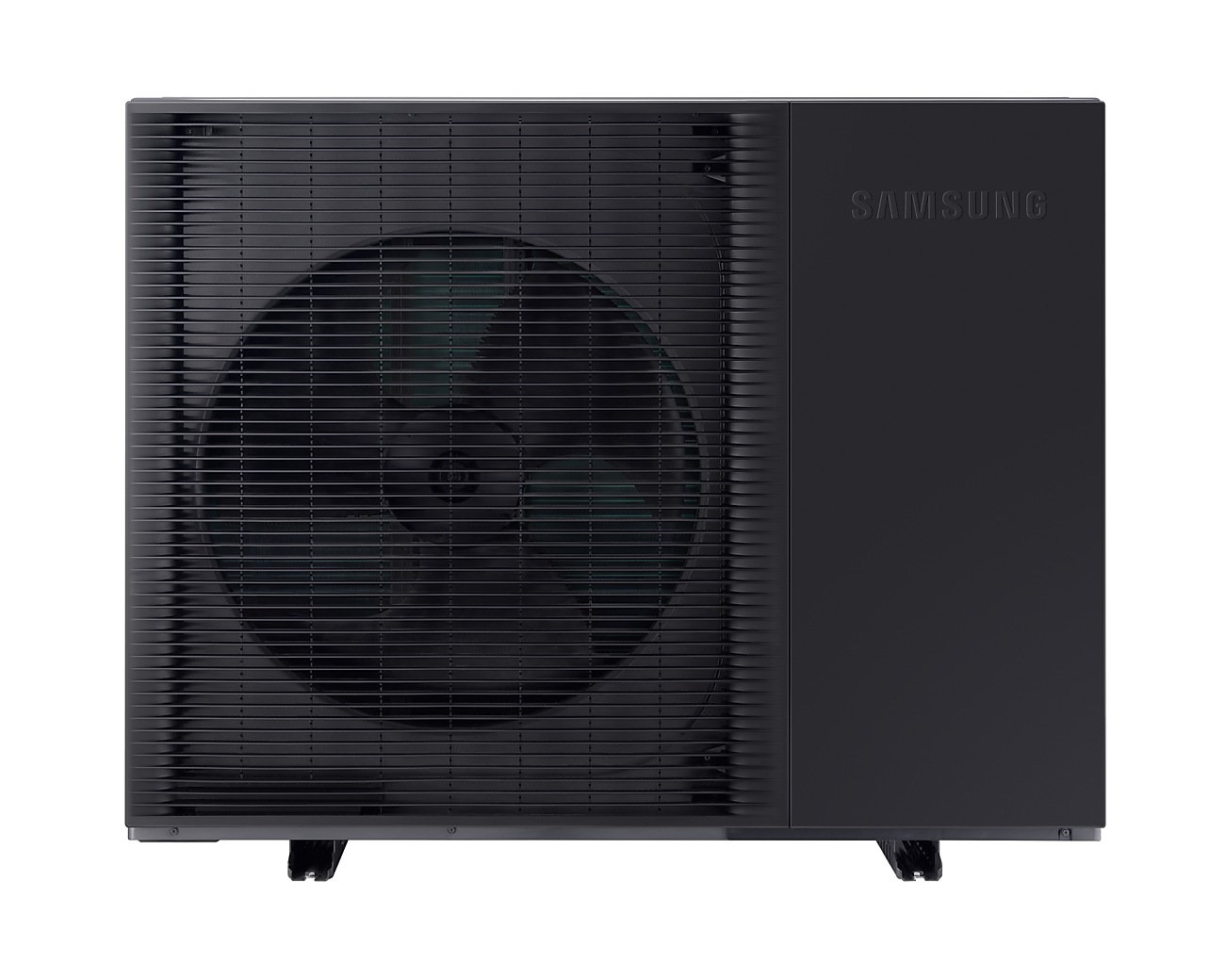
Samsung EHS Mono HT Quiet 8 kW
Air-to-water heat pump
AE080BXYDEG/EU is Samsung's single-phase 8 kW EHS Mono HT Quiet outdoor unit, paired with a MIM-E03EN/CN control kit or ClimateHub. With a compatible MIM-B19N module fitted, it is compatible with EpiSensor Edge over Modbus RTU: Samsung's EHS register table provides water temperatures and operating status. Compare those reads with the controller and meter heat and electricity separately for COP.
Compatibility
Compatible with EpiSensor Edge through a Samsung MIM-B19N Modbus module
Samsung documents the outdoor/control-kit pairing and a separate MIM-B19N/B19NT EHS register table on Modbus RTU. Edge reads the module through a ZMB-31 or the Gateway’s serial interface: communication status, unit type, water-in, water-out and hot-water temperatures. An EpiSensor ZEM on the unit’s supply provides the electrical input for COP.
Check accessory fit and wiring with the Samsung installer, then record the installed controller, MIM-B19N revision and tracked EHS device address. The following addresses are best-effort candidates from DB68-07538A-03 and should be compared with the local controller. PV, Smart Grid Ready and other control writes require their own commissioned design.
Connect it with
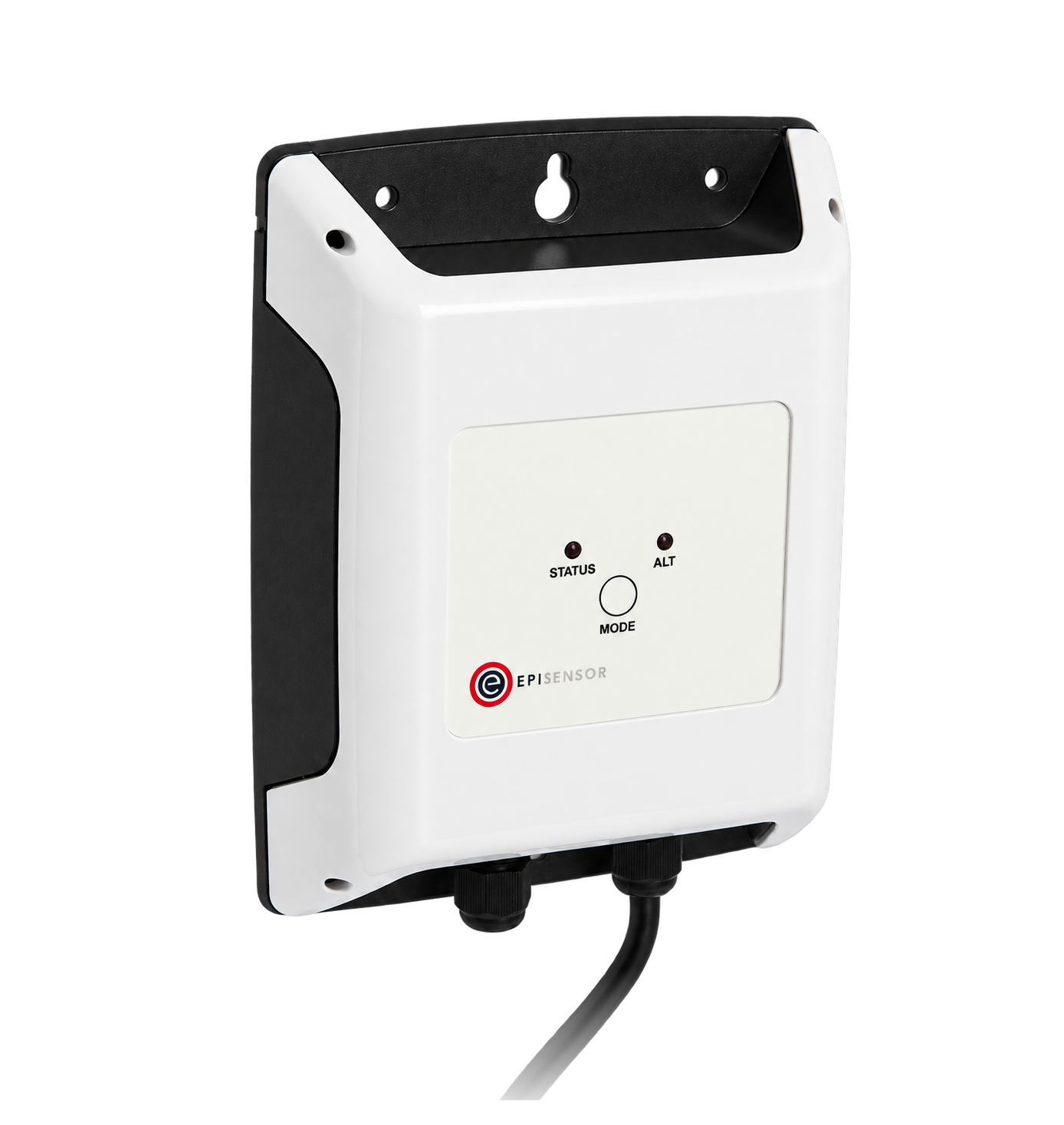
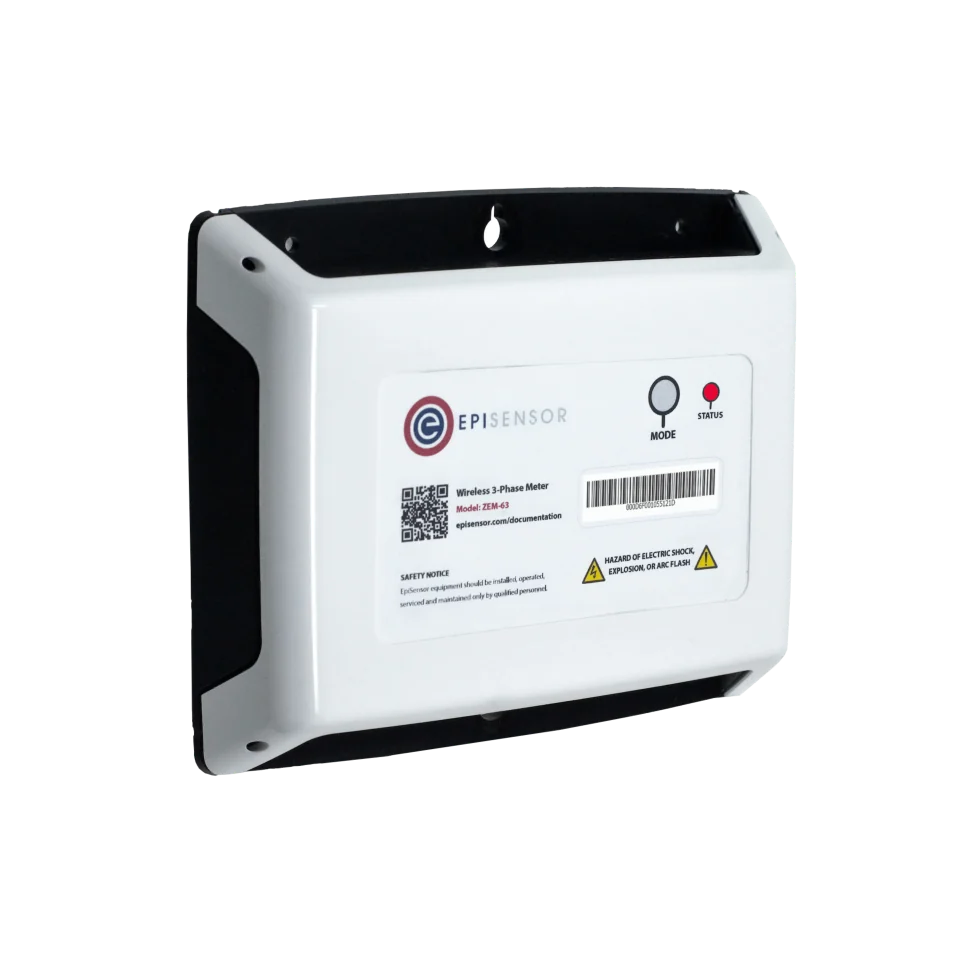
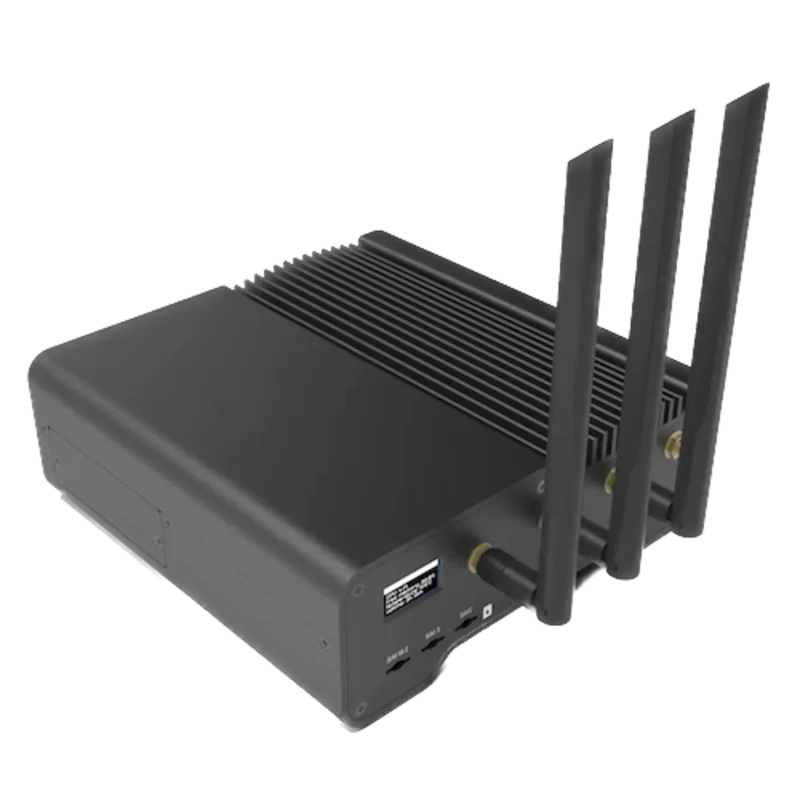
When a MIM-B19N/B19NT module is fitted and tracks the controller as an EHS device
- Wired
- Edge
- Platforms
For the electrical input to a COP calculation, with or without a Modbus module
- Wired
- Edge
- Platforms
Models
| Models | Interface | Route into Edge |
|---|---|---|
| AE080BXYDEG/EU outdoor unit | Single-phase 230 V-class R32 monobloc with water-side connections and Samsung indoor/control-kit communication | Record the actual paired controller and independent thermal/electrical meter boundary before data integration. |
| MIM-E03EN or MIM-E03CN control kit | Samsung-listed space-heating-only pairing for this outdoor unit | Record its Samsung bus connection and any fitted MIM-B19N/B19NT. The additional module is the Modbus endpoint; use its tracked EHS device address for the point calculation. |
| ClimateHub option | Samsung lists AE200RNWMEG/EU and AE260RNWMEG/EU combinations for this outdoor model | Confirm the installed ClimateHub model and hydronic arrangement rather than assuming the control-kit path. |
Specifications
Samsung's 2026 installation manual distinguishes the single-phase AE080BXYDEG from the three-phase AE080BXYDGG and higher-capacity models. For the 8 kW unit it specifies 220-240 V, 50 Hz supply, 2.7 kg R32, 1-inch water connections, 126 kg net mass and a 1,270 × 1,018 × 530 mm enclosure.1
- Electrical supply
- 1-phase 220-240 V, 50 Hz; installation manual lists MCA 26 A and MFA 28.6 A1
- Leaving-water range
- Heating 15-70 °C; cooling 5-25 °C, subject to operating conditions1
- Ambient range
- Heating -30 to +43 °C; cooling +10 to +46 °C1
- Control-kit pairing
- MIM-E03EN or MIM-E03CN for the listed space-heating-only configuration1
- Other listed pairing
- AE200RNWMEG/EU or AE260RNWMEG/EU ClimateHub in the manual's certification table1
- PV and grid contacts
- PV contact and Smart Grid Ready functions shown for the MIM-E03EN kit; contact behavior requires the installed kit manual2
- Dimensions and mass
- 1,270 × 1,018 × 530 mm; 126 kg net1
Interface
Documented measurements and integration boundaries for EHS Mono HT Quiet 8 kW.
- The February 2026 outdoor manual lists AE080BXYDEG as 1-phase 220-240 V, 50 Hz, using 2.7 kg of R32. It lists MIM-E03EN and MIM-E03CN control kits; its certification table ties AE080BXYDEG/EU to both kits for space heating only.
- Samsung's product brochure shows a PV contact and Smart Grid Ready function with the MIM-E03EN kit. These are installer-configured control contacts, not a live PV production meter, heat meter or published software dispatch API.
- The MIM-B19N/B19NT manual gives Modbus RTU settings of 9600 baud, 8 data bits, even parity and one stop bit. Its Samsung R1/R2 side uses the proprietary Control Layer Protocol; the A/B side serves Modbus. The installer must establish the correct Samsung bus attachment for the fitted system.
- For tracked EHS device address IU, the module's table uses a base PDU address of 50 + 50 × IU. Water-in temperature is base + 15, water-out is base + 16 and hot-water temperature is base + 25. Read-only temperature values are expressed as Celsius × 10. For IU 3, these candidates are 215, 216 and 225; a raw positive value of 400 represents 40 °C.
- Communication status is base + 0: bits 0, 1 and 2 indicate present, correct type and ready, while bit 3 indicates a communication error. Unit type at base + 1 has EHS codes 115-117 in its lower byte. The manual says registers start at zero and retain their last value after a lost Samsung link, so check tracking and freshness before interpreting temperatures.
- SmartThings operation is optional and requires Samsung's supported controller, Wi-Fi kit, network and account. An app connection is not evidence of a local third-party data endpoint.
- An 8 kW nameplate and a nominal COP do not establish measured heat delivery or seasonal performance. Use a hydronic heat meter and electricity metering that includes every compressor, pump, booster and backup load inside the stated COP boundary.
Assessment
AE080BXYDEG/EU with its installed Samsung controller. The MIM-B19N EHS map is the read-only starting point for an installer-fitted, tracking module; it does not specify a VPP dispatch design.
- InteroperabilityLimited
- Samsung publishes an EHS-class Modbus module and read map. Accessory fit and tracking on the installed controller are the site check for that route.124
- AccuracyLimited
- The product data states nominal operating points. Delivered thermal energy and inclusive electrical input need independent meters for site COP.12
- SecurityNot yet assessed
- Samsung’s documents do not describe access control or permissions for the module’s Modbus port.14
- ReliabilityLimited
- The module exposes ready/error status but retains last values if the Samsung link stops. Monitoring must use status and its own timestamps to identify stale values.4
- RuggednessSupported with conditions
- The outdoor manual gives temperature ranges, water-side requirements and installation clearances; frost protection and metering placement depend on the installed hydronic design.1
Setup
-
Identify the whole Samsung system
Read the outdoor AE080BXYDEG/EU nameplate and the actual MIM-E03EN/CN or ClimateHub controller label. Capture firmware, optional Wi-Fi and any auxiliary heater arrangement.
-
Trace the hydronic and electrical boundaries
Record flow and return circuits, circulation pumps, domestic-hot-water storage, booster/backup heater feeds and the point of grid connection. Decide which loads and heat flows a performance metric will include.
-
Check the fitted Modbus module
Have the Samsung installer check MIM-B19N/B19NT accessory fit and its bus connection. Record the module's DIP/rotary slave address, tracked EHS address and revision. Configure the read client for 9600 baud, 8E1 and inspect module tracking before selecting points.
-
Try the published EHS read candidates
Use the table's base address 50 + 50 × IU for the actual tracked EHS address. Start with communication status and unit type, then water-in at base + 15 or water-out at base + 16 using FC04. Compare temperatures divided by 10 with the Samsung controller. If a point is absent, check tracking, the device address and controller configuration rather than guessing a different equipment map.
-
Meter heat and power independently
Install or identify suitable thermal and electrical meters at the chosen boundary. Align intervals and sign conventions; use controller temperatures or operating states to explain operation, not to substitute for measured delivered heat.
-
Preserve commissioned controls
Keep PV contact, Smart Grid Ready, frost protection, hot-water priority and heater operation under the approved system design. A flexibility proposal needs documented permissions, limits and fail-safe behavior before control.
Common questions
- Where should I start with Modbus monitoring?
- Start at a compatible, installer-fitted MIM-B19N/B19NT module that tracks the controller as EHS. Samsung's table provides status, unit type and temperature candidates using the tracked device address. This guide gives that best-effort starting map; compare it with the controller before saving the monitoring configuration.14
- Does the PV contact report solar generation?
- No. The brochure shows a PV contact as a control input on the MIM-E03EN system. A separate PV inverter or meter supplies generation data, and the contact's commissioned meaning needs its kit instructions.2
- Does Smart Grid Ready make the heat pump dispatch-ready for a VPP?
- The brochure names Smart Grid Ready, but does not establish remote commands, acknowledgement, override priority or fail-safe behavior for this installation. A VPP design needs those controls specified and accepted separately.2
Related devices
Sources
- EHS R32 Mono outdoor installation manual DB68-11904A-05, February 2026 (opens in a new tab) (PDF)
- EHS Mono HT Quiet product brochure (opens in a new tab) (PDF)
- AE080BXYDEG/EU business product page (opens in a new tab)
- MIM-B19N/B19NT Modbus interface module installation manual (opens in a new tab) (PDF)
Further reading
Product names and trademarks belong to their owners. Publication does not imply endorsement or a commercial relationship.