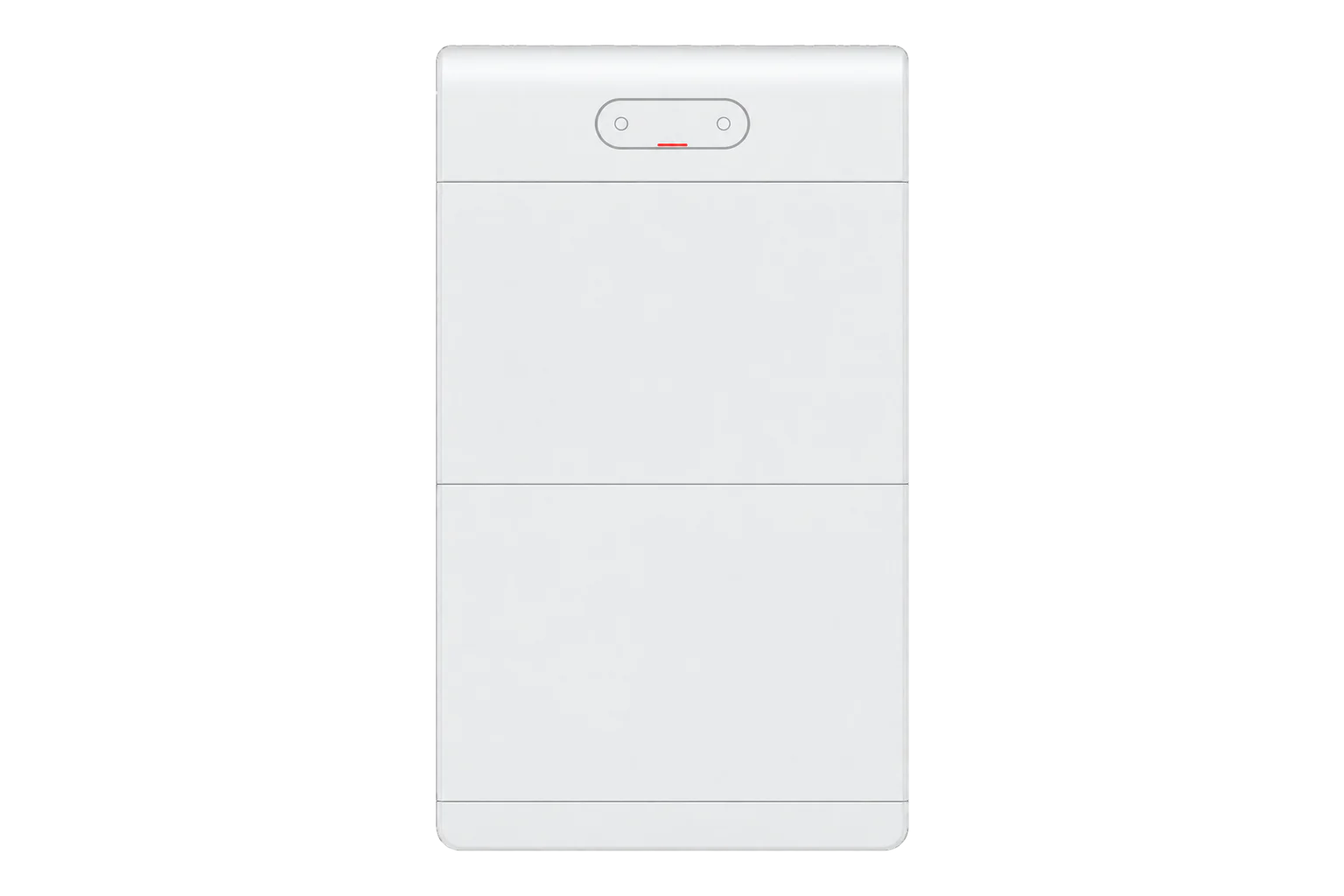
SolarEdge CSS-OD 197
Commercial battery storage system
The CSS-OD 197 is a 197.12 kWh gross, 187.15 kWh usable LFP cabinet for SolarEdge AC-coupled commercial PV sites. One or two 50 kW PCS050 battery inverters set the power configuration; two are capped by the cabinet’s 0.5C limit at 98.5 kW. SolarEdge ONE for C&I manages operation. A country- and firmware-dependent Modbus feature is documented without a read map, so Edge measures the cabinet through an EpiSensor ZEM on its PCS050 AC feeder.
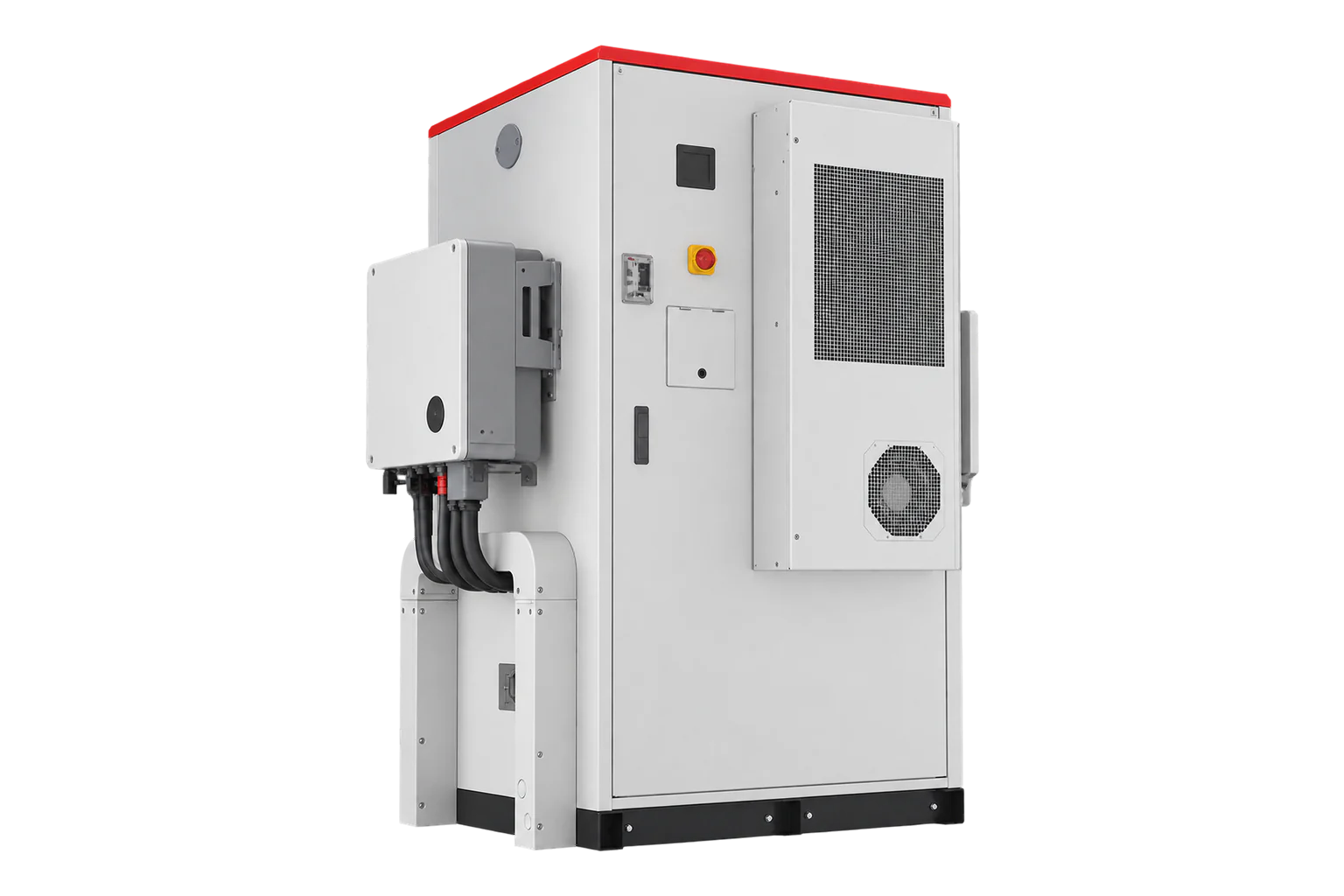
Compatibility
Compatible with EpiSensor Edge through an EpiSensor ZEM on the battery inverter’s AC feeder
SolarEdge ONE for C&I owns the cabinet’s communications, and SolarEdge publishes no third-party read map for the CSS-OD 197; its May 2026 firmware note adds Modbus for regulatory use in several countries, primarily Italy. Edge measures the cabinet through an EpiSensor ZEM with CTs on the PCS050 400/230 V AC feeder: charge and discharge power and energy at the battery’s AC boundary.
CSS-OU-197 cabinet with one or two PCS050 inverters at an approved AC-coupled SolarEdge PV site; June 2026 DS-000233-ENG and September 2026 firmware CR2.2197I / ONE Controller 1.7.9. Confirm national availability with SolarEdge. Site check: put the ZEM CTs on the feeder that carries only the PCS050 output, record the import direction, and compare its power with the cabinet screen during a known charge or discharge. No dispatch or export-control writes.
Connect it with
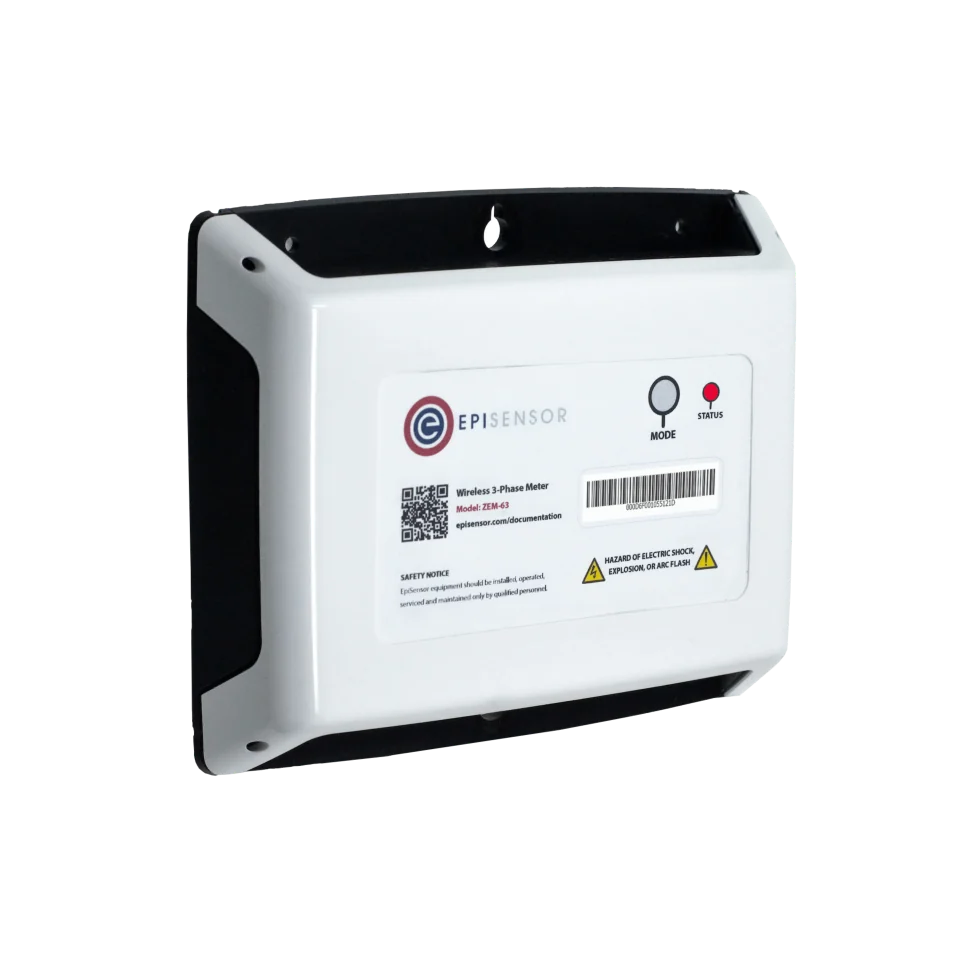
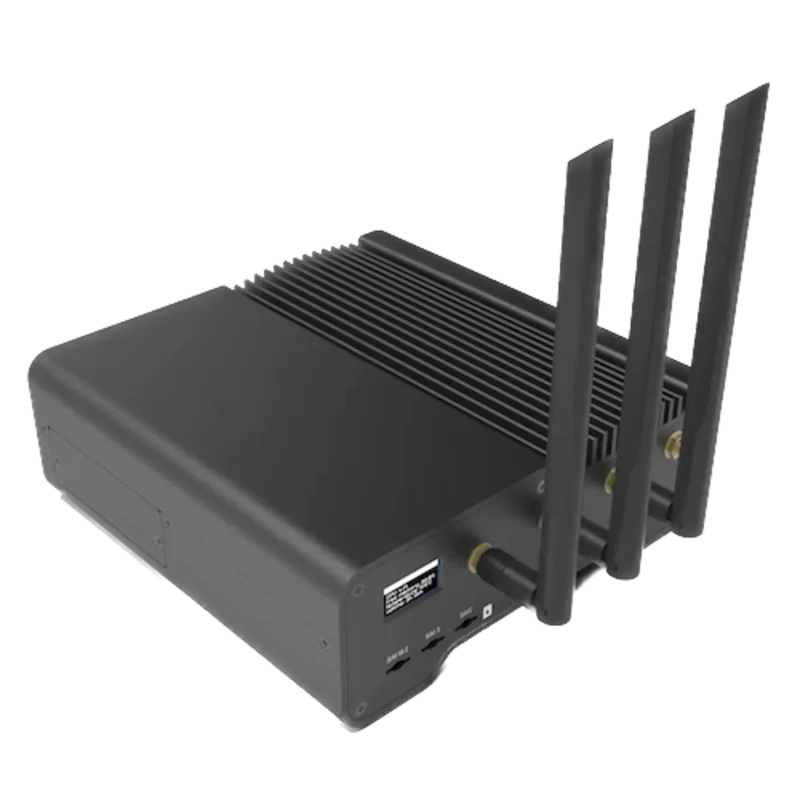
For charge and discharge power and energy at the battery’s AC connection, on any CSS-OD 197 site
- Wired
- Edge
- Platforms
Models
| Models | Interface | Route into Edge |
|---|---|---|
| CSS-OU-197 + one PCS050 | 197.12 kWh gross cabinet and one 50 kW battery inverter | Measure the PCS050 AC feeder with an EpiSensor ZEM; confirm national orderability with SolarEdge. |
| CSS-OU-197 + two PCS050 | Same cabinet, two inverter units, 98.5 kW cabinet-limited maximum | Do not describe this as two independent 197 kWh cabinets. |
| CSS-OD 102/107 | Different cabinets, capacities and firmware streams | Do not transfer their electrical table or register map. |
Specifications
- Cabinet identity
- CSS-OU-197, 11 LFP modules of 17.92 kWh each2
- Energy boundary
- 197.12 kWh total; 187.15 kWh usable at datasheet conditions2
- Battery power
- 0.5C maximum. One or two PCS050 units; two units together are capped at 98.5 kW by the cabinet.2
- AC coupling
- PCS050 is rated 50 kW, 400/230 V; an AC-coupled SolarEdge PV system is required on site.2
- Cabinet environment
- IP54, C4 corrosion protection, built-in HVAC; -30 to +50 °C with derating conditions.2
- Cabinet size
- 1300 × 1200 × 2360 mm and 2360 kg; plan lifting, floor load and service access.2
- Firmware
- September 2026 release pairs CSS-OD 197 CR2.2197I with ONE Controller 1.7.9; upgrades are coordinated with SolarEdge Support.3
Interface
Documented measurements and integration boundaries for CSS-OD 197.
- The cabinet touchscreen and SolarEdge ONE for C&I expose operational and diagnostic information within the vendor system.
- PV generation, PCS AC flow, cabinet SOC and site meter measurements have different physical boundaries; do not merge them into a single unnamed energy counter.
- The retained documents publish no addressable CSS-OD 197 measurement list, so Edge takes battery power and energy from a ZEM on the PCS050 feeder.
Assessment
CSS-OU-197 cabinet with one or two PCS050 units, selected-country SolarEdge AC-coupled site; Edge measures the PCS050 AC feeder through an EpiSensor ZEM.
- InteroperabilityLimited
- Manufacturer-owned ONE Controller and physical PCS communications are documented. SolarEdge publishes no third-party read map, and the regulatory Modbus feature depends on country and firmware.23
- AccuracyNot yet assessed
- SolarEdge publishes no CSS-OD 197 third-party measurement map with units, accuracy or energy-counter boundaries.
- SecuritySupported with conditions
- SolarEdge describes ONE Controller as the on-site communications gateway and does not publish access controls for third-party protocol access.1
- ReliabilitySupported with conditions
- Cabinet HVAC, multiple fire detections, suppression and electrical safeguards are specified; site auxiliary power and safety design remain installation dependencies.2
- RuggednessSupported with conditions
- IP54 cabinet, C4 corrosion protection and stated temperature range support indoor/outdoor siting within the installation limits.2
- ScalabilitySupported with conditions
- One- or two-PCS cabinet configurations and deployment limits are documented; multi-cabinet design needs SolarEdge project approval.2
Setup
-
Identify the storage configuration.
Confirm country availability, CSS-OU-197 cabinet identity, number of PCS050 units, SolarEdge PV equipment and ONE Controller.
-
Check energy and power separately.
Size using 187.15 kWh usable energy and the selected 50 kW or cabinet-limited 98.5 kW configuration. Check the auxiliary AC supply for cabinet HVAC and lifting, floor-load and service-access requirements.
-
Inspect the local monitoring screen.
On a commissioned cabinet, use Home > Branch Overview to check Total Power, operating state and Total SoC for the battery inverter and its clusters. Record cabinet serial numbers and firmware from Settings > System. These are the screens illustrated in the European Quick Installation Guide version 1.1; do not rerun commissioning or change control mode for a monitoring check.
-
Trace the existing Ethernet connection.
The installation guide’s page 25 shows Modbus TCP-LAN from the CSS Local Interface ETH1 through an Ethernet switch to ONE Controller ETH2; ONE Controller ETH1 connects to the site router. View Settings > General > Network to record the existing network configuration. This documents the vendor connection, not a third-party point map; leave the safety and PCS RS-485/CAN links in place.
-
Compare battery power with its AC meter.
During an existing charge or discharge, compare the cluster kW readings on the local screen with the meter covering the same battery feeder and interval. Confirm which displayed power is live rather than a configuration rating. Keep the whole-site meter and PV generation separate; preserve power direction, units and timestamps. For automated collection, read that feeder with an EpiSensor ZEM. Keep dispatch with ONE for C&I.
Common questions
- Does the 197 kWh nameplate equal usable energy?
- No. The June 2026 datasheet gives 197.12 kWh total and 187.15 kWh usable. Use the latter for a bounded storage-energy comparison.2
- Does the firmware note make every CSS-OD 197 readable over Modbus?
- No. It describes regulatory Modbus support in several countries, primarily Italy, without a register map. Edge measures the cabinet through an EpiSensor ZEM on the PCS050 AC feeder instead.3
- Can two PCS050 units continuously provide 100 kW from one cabinet?
- The cabinet’s maximum C-rate caps their combined power at 98.5 kW in the cited datasheet.2
Related devices
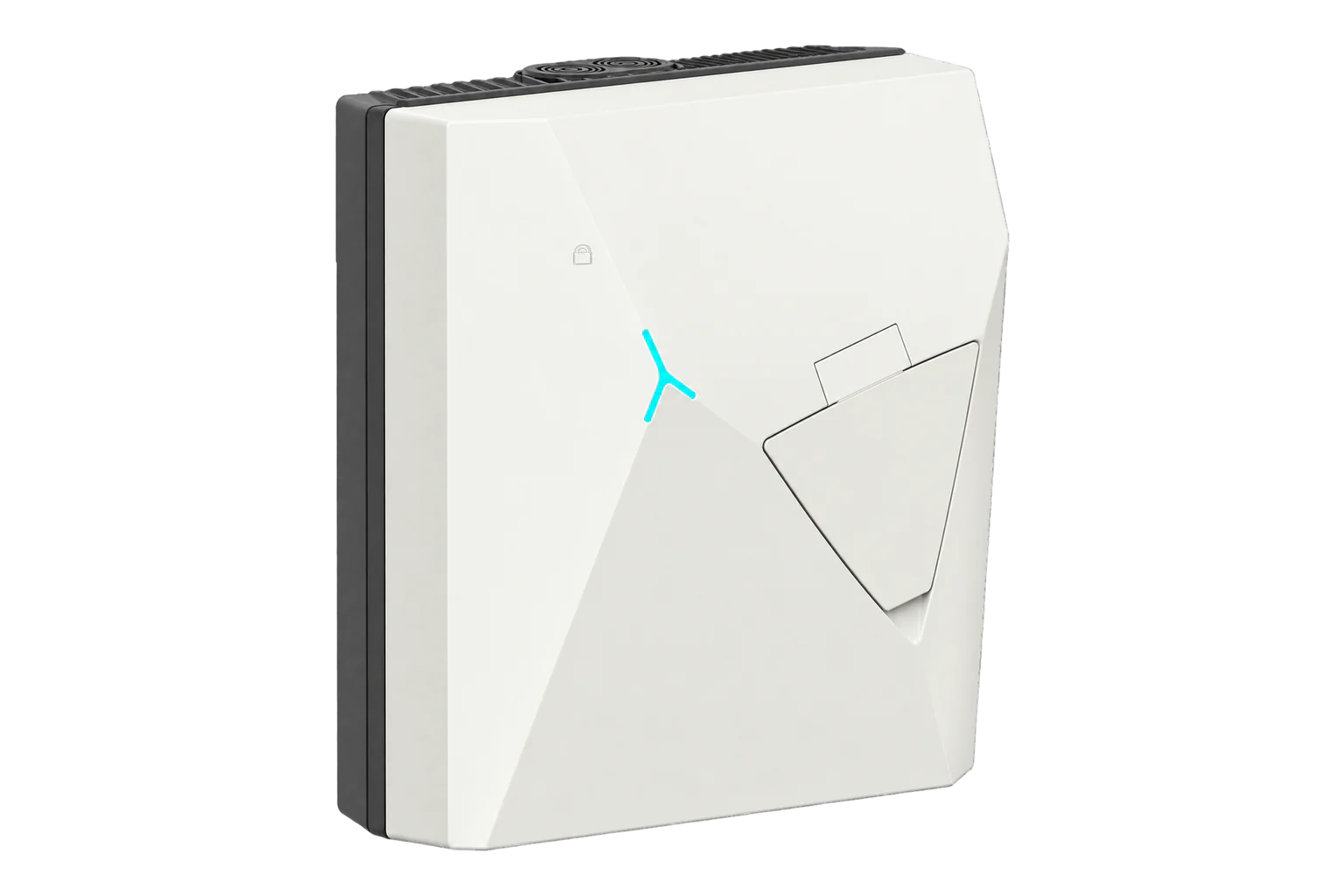
Similar battery systems and controls
Sources
- CSS-OD 197 UK product page (opens in a new tab)
- CSS-OD 197 cabinet and PCS050 datasheet DS-000233-ENG, June 2026 (opens in a new tab) (PDF)
- Commercial storage firmware release notes, September 2026 (opens in a new tab)
- European CSS-OU-197 / PCS050 Quick Installation Guide, version 1.1 (BayWa public mirror) (opens in a new tab) (PDF)
Further reading
Product names and trademarks belong to their owners. Publication does not imply endorsement or a commercial relationship.