As the world continues to reduce reliance on fossil fuels, the need to extend both production and consumption of renewable energy sources increases. Positively, we have the technologies now to produce renewables, particularly wind and solar, and in some cases production is ahead of predicted levels, however the switchover is tricky, because by their nature, renewables are intermittent. The solution will be lots of storage, better energy management, and a mix of new technologies to improve communications and connectivity between the demand side and the supply side, so that when energy is abundant, consumers (large and small) can make use of it, and when the grid is under pressure they can adapt and reduce their demand. This is sometimes referred to as ‘flexibility’ or demand response, and Energy Services Companies (ESCO’s) are playing a key role in developing the products and services to enable these programmes.
UK and Ireland company, SSE, was one of the most recent entities to declare their intended large-scale spend on the energy transition. In May 2023 it announced plans that could see it invest up to £40 billion in low-carbon energy infrastructure across the decade to 2031/32. Focusing on Ireland, the home of EpiSensor, we have seen similar investments and intentions from other market leaders. Investment on that scale is necessary but not sufficient. Getting the value out of renewables while keeping the system flexible is an engineering problem as much as a capital one. As noted by SSE, the aim is to deliver: “cleaner, more secure and more affordable energy”, but also, crucially “flexible power sources to back it up when the wind isn’t blowing and the sun isn’t shining.”
Unlocking the potential of demand response
There is no silver bullet that will deliver what the world needs to accelerate the transition to sustainable energy, however we know from early-adopters that demand response can tangibly contribute to a more sustainable future. In the International Energy Agency’s Technology Deep Dive on Demand Response, they cited: “the pace of policy implementation and technology deployment (on Demand Response) needs to accelerate. The Net Zero Scenario milestone has 500 GW of demand response brought onto the market by 2030, corresponding to a tenfold increase in deployment levels in 2020”.
Demand response is a critical tool in the energy management sphere, offering the potential to balance electricity supply and demand, reducing the strain on the grid imposed by large-scale corporations and cities, and facilitating the prioritisation of renewables over more traditional sources.
What can we gain?
Demand response typically involves incentivising electricity consumers, such as commercial, or industrial customers, to modify their electricity usage or reduce their overall consumption during periods of peak demand. In turn, this allows grid operators the ability to place further reliance on renewables rather than on ‘spinning reserves’ from gas turbine ‘peaker’ power plants. Demand response can yield significant financial returns for commercial entities; however, its benefits are much broader than monetary gain which is why many large corporations such as Microsoft already engage in demand response programmes, using global energy partners, system integrators and IoT infrastructure to support their energy transition and contribute to their Net Zero targets. Read more about the Microsoft success story, a collaboration between Microsoft, Enel X, Eaton, EpiSensor, with analysis by Baringa.
Strategic change
To maximise the potential of demand response, several key strategies can be employed. First and foremost, fostering greater awareness and education among consumers and businesses is essential. By understanding the benefits and mechanics of demand response, participants can actively engage in aligning their energy usage with grid demands and incentives. Deploying advanced monitoring infrastructure and smart grid technologies enables real-time monitoring and communication, allowing for more precise and responsive demand response programmes.
Where EpiSensor works
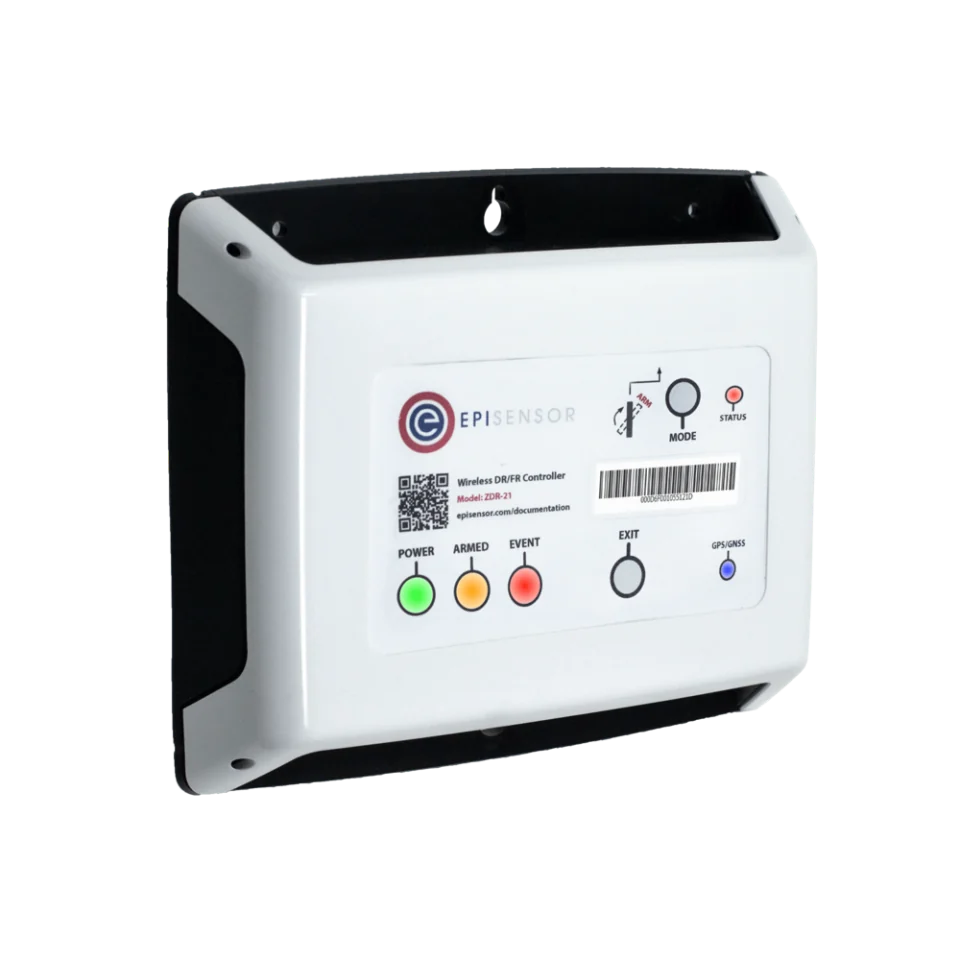
EpiSensor has been involved in deploying demand response programmes worldwide, in partnership with aggregators, whose function is to pool electricity supply or demand and sell that capacity in the electricity markets. We know first-hand the positive impact these programmes can have for the corporation and the planet. Our demand response and frequency response controllers let aggregators, ESCOs and system integrators run flexibility programmes at scale without putting site power stability at risk. They install quickly, which matters when a programme covers hundreds of sites.
The power of partnerships
We believe that achieving the ambitious targets set by Governments will only be possible through collaboration with industry experts, governments, local authorities, large corporations, system integrators, aggregators, SaaS and innovative hardware providers such as EpiSensor. Those partnerships give ESCOs access to expertise and funding they would otherwise have to build or find themselves. By working together, ESCOs and their partners can drive innovation, accelerate the adoption of sustainable energy practices, and overcome barriers to implementation.
Shaping the future
Through their investments in renewable energy, energy efficiency initiatives, and smart grid technologies, ESCOs (along with their partners) are actively shaping the way energy is produced, consumed, and managed. Their contributions play a vital role in commercial decarbonisation, mitigating climate change, and building a more resilient and sustainable energy infrastructure for the future.
Advanced technology like EpiSensor’s IIoT infrastructure is helping ESCO’s worldwide deploy scalable demand response programmes. Deploying EpiSensor technology can help reduce project implementation lead times and reduce ongoing maintenance costs.