The Health Service Executive (HSE) has selected Limerick-based EpiSensor to deliver the energy monitoring infrastructure for a nationwide decarbonisation programme, as Ireland’s healthcare system works to meet legally mandated climate targets.
The HSE’s Infrastructure Decarbonisation Roadmap sets out how it intends to cut energy-related emissions across its estate by 51% by 2030, the target the Climate Action Plan sets for every public body in Ireland. The contract with EpiSensor provides the data infrastructure that programme needs: where energy is used, whether efficiency measures worked, and what carbon was actually saved.
What the HSE needs the data for
Real-time energy data is the first step in any decarbonisation plan. Without it, finding waste and proving what an efficiency project saved is guesswork. The EpiSensor system records electricity, gas, water and heating fuel use at quarter-hourly intervals, which gives the HSE’s energy teams the evidence to act on.
“The global opportunity for reducing cost and carbon through better energy visibility is enormous,” said Brendan Carroll, Director of EpiSensor. “But it starts with accurate easy-to-use measurement. Our technology gives the HSE the data foundation to understand precisely where, when and how energy is being consumed, so they can make informed decisions that cut both bills and emissions.”
The HSE achieved ISO 50001 energy management certification in 2024. The metering programme provides the ongoing data needed to keep that certification and to measure progress towards the 2030 targets.
How the metering supports the roadmap
A health service that cuts its own fossil fuel use reduces both its emissions and the local air pollution its buildings produce, which is why the HSE’s Infrastructure Decarbonisation Roadmap and Climate Action Strategy treat the two together.
Metering supports projects across the roadmap, from LED lighting upgrades to heat pump installations, with before-and-after data that verifies the savings.
What EpiSensor supplies
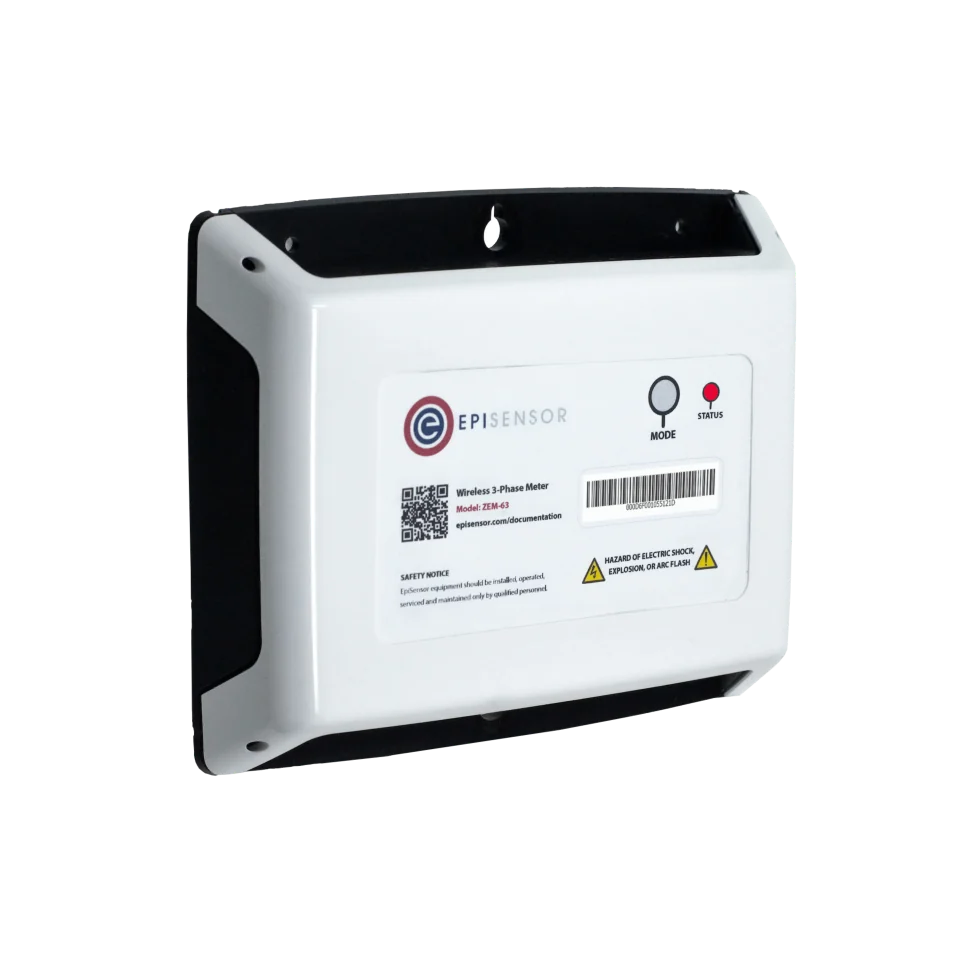
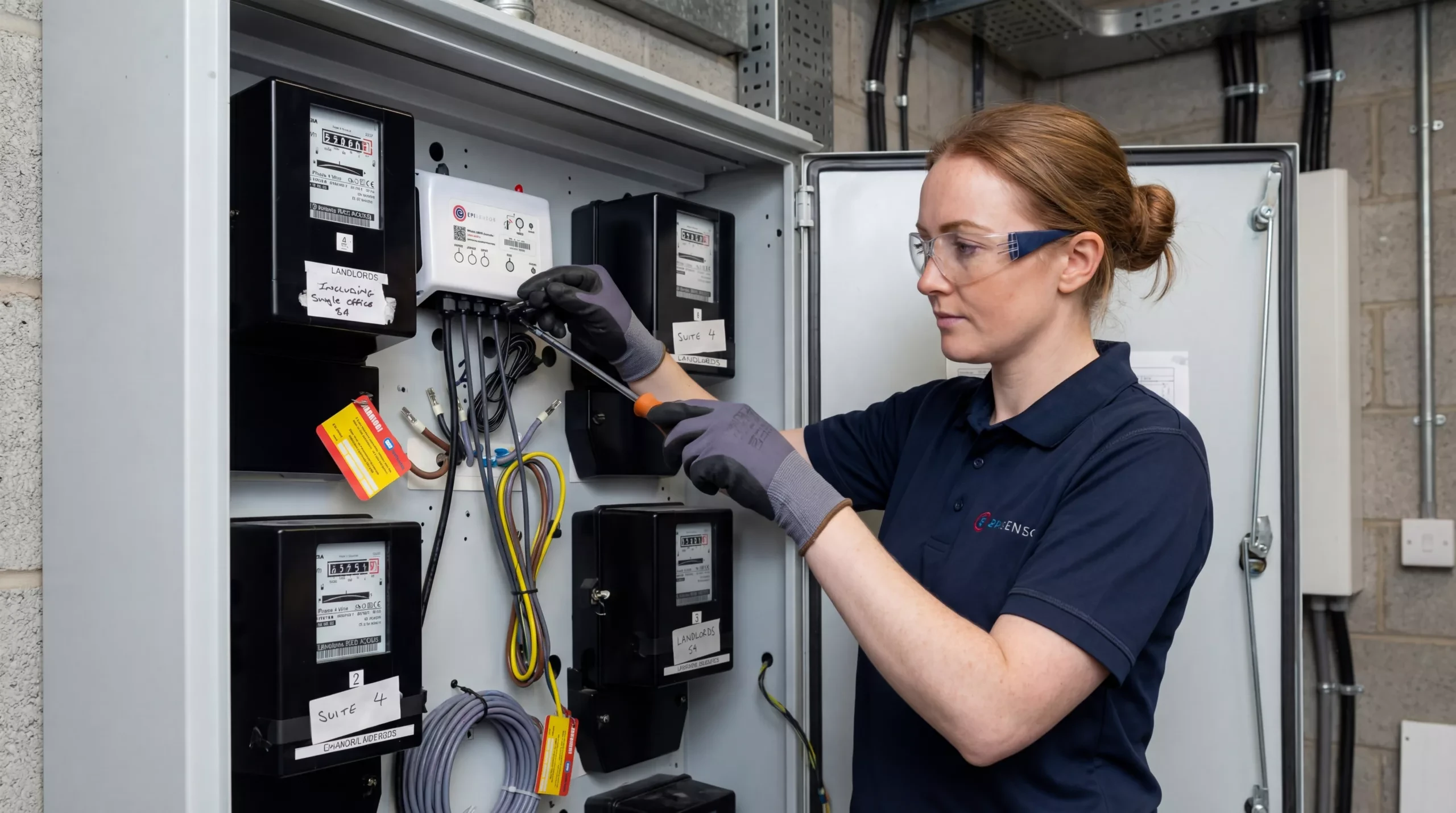
Each site uses EpiSensor Class 0.5S electricity monitors and pulse and M-Bus interfaces for gas, water and heat. A Gateway on site stores readings locally through network outages and sends them encrypted to the HSE’s energy management system. The sensors are wireless, so fitting them causes little disruption in clinical areas.
The targets
By 2030, every public body in Ireland must cut its energy-related greenhouse gas emissions by 51% and improve its energy efficiency by 50%. With metered data in its energy management system, the HSE’s facilities teams can find anomalies, detect waste and decide where to act first across an estate that covers the whole country.