A guide for integrators, facilities managers and energy managers.
Choosing an energy monitoring IoT provider is easier if you ask the same questions of each one. Here are the eight worth asking of any system for a commercial or industrial programme.
1. Does the system operate on Zigbee or LoRaWAN?
Determine the communication protocol used by the system. Zigbee technology enables the transmission of many data points per second from each device to the cloud, has self-healing capabilities and facilitates OTA (or Over-the-Air) firmware updates quickly and easily, minimising any potential disruptions. LoRaWAN, on the other hand, boasts a longer range but may not be suitable for all commercial and industrial projects due to a combination of duty cycle and bandwidth limitations. You can read more about the merits of Zigbee V’s LoRaWAN in this short article by our CEO, Brendan Carroll.
2. To what level of accuracy is the system operating?
When reducing energy usage, sometimes by single figure % points, it’s essential that the data you collect is highly accurate. Accurate energy data provides granular insights that are vital for optimising equipment schedules, identifying energy-intensive processes, and highlighting abnormal energy usage patterns. EpiSensor electricity monitors are pre-calibrated to system level Class 0.5S accuracy, so the readings a programme is judged on do not have to be qualified.
3. What does end-to-end commissioning involve?
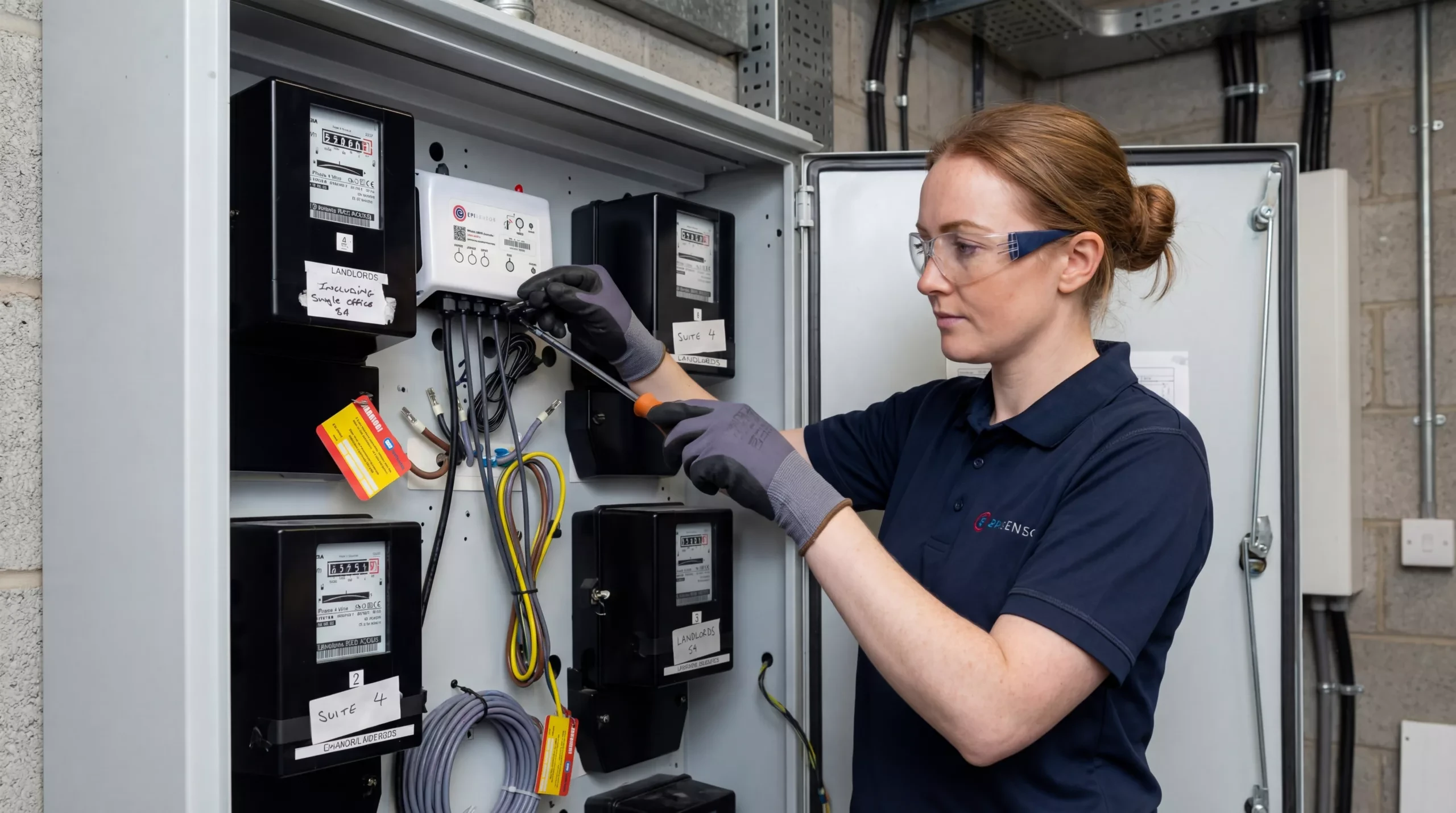
Commissioning traditional energy monitoring systems demands significant time and expertise, constituting a substantial portion of the total energy management project cost. If your goal is to deploy swiftly across multiple sites, opt for a system that (a) features pre-connected and calibrated current transformers, (b) includes all necessary accessories as standard, (c) is enclosed in an IP67-rated, double-insulated housing, enabling safe outdoor mounting and minimising disruption to on-site operations, and (d) incorporates wireless communication capabilities.
A streamlined deployment and commissioning process will ensure a quicker transition to efficient energy management and crucially, will help reduce energy spend quicker for your clients.
4. Furthermore, is specialist system knowledge required to deploy the system onsite?
This is crucial to ask, as by opting for a system that can be deployed and commissioned by any qualified electrician onsite, you free up specialised system integration and management resources to lead and oversee multiple energy programmes simultaneously. That flexibility keeps specialist time for the work that needs it, and keeps deployment and operation on site simple.
5. How quickly can the system scale as locations are added?
The rapidly evolving regulatory environment (coupled with companies driving Net Zero priorities) is undoubtedly increasing demand for energy management solutions. Focusing on the European Union specifically, The EU Energy Efficiency Directive (revised September 2023), expands the scope of energy audit obligations to include all companies, regardless of their size, which are consuming energy above a certain threshold. Meanwhile, the directive makes energy management systems a mandatory requirement for large industrial energy consumers to monitor and optimise their energy efficiency. This, combined with further legislation in the form of The Corporate Sustainability Reporting Directive (“CSRD”) is accelerating the need for energy audits and energy efficiency to be delivered at scale. Energy Managers, Facilities Management firms and System Integrators need to be ready for these growing demands, making it crucial to select an IoT partner that can provide effective, reliable energy monitoring systems.
Scalability at a customer level will also be critical. For example, where your customer is a large retailer or group structure, it is standard practice to undertake proof of concept in a small number of sites initially, before rapidly expanding the system across multiple locations. Check that your provider can meet those needs without a long lead time.
6. Can you verify that the system is secure?
Enquire about the security measures embedded in the IoT solution. Does it utilise encryption and authentication protocols to safeguard your client’s data? How is the data transmitted? A secure system protects your sensitive information and ensures the integrity of your energy monitoring process.
7. Is it standards-based, allowing easy data extraction?
Interoperability is crucial for integrating IoT data into your existing systems. Ensure that the energy monitoring solution adheres to industry standards, making it easy to extract and analyse data in standard formats. Compatibility with existing technologies enhances the solution’s overall utility and efficiency, as well as helping you win business across a variety of sectors and industries.
8. Is it suitable for a variety of environments?
Businesses operate in diverse environments, from warehouses to office spaces and indeed, externally. Verify if the IoT solution is versatile and rugged enough to cater to various settings and environments, broadening your client base and versatility.
How EpiSensor answers these questions
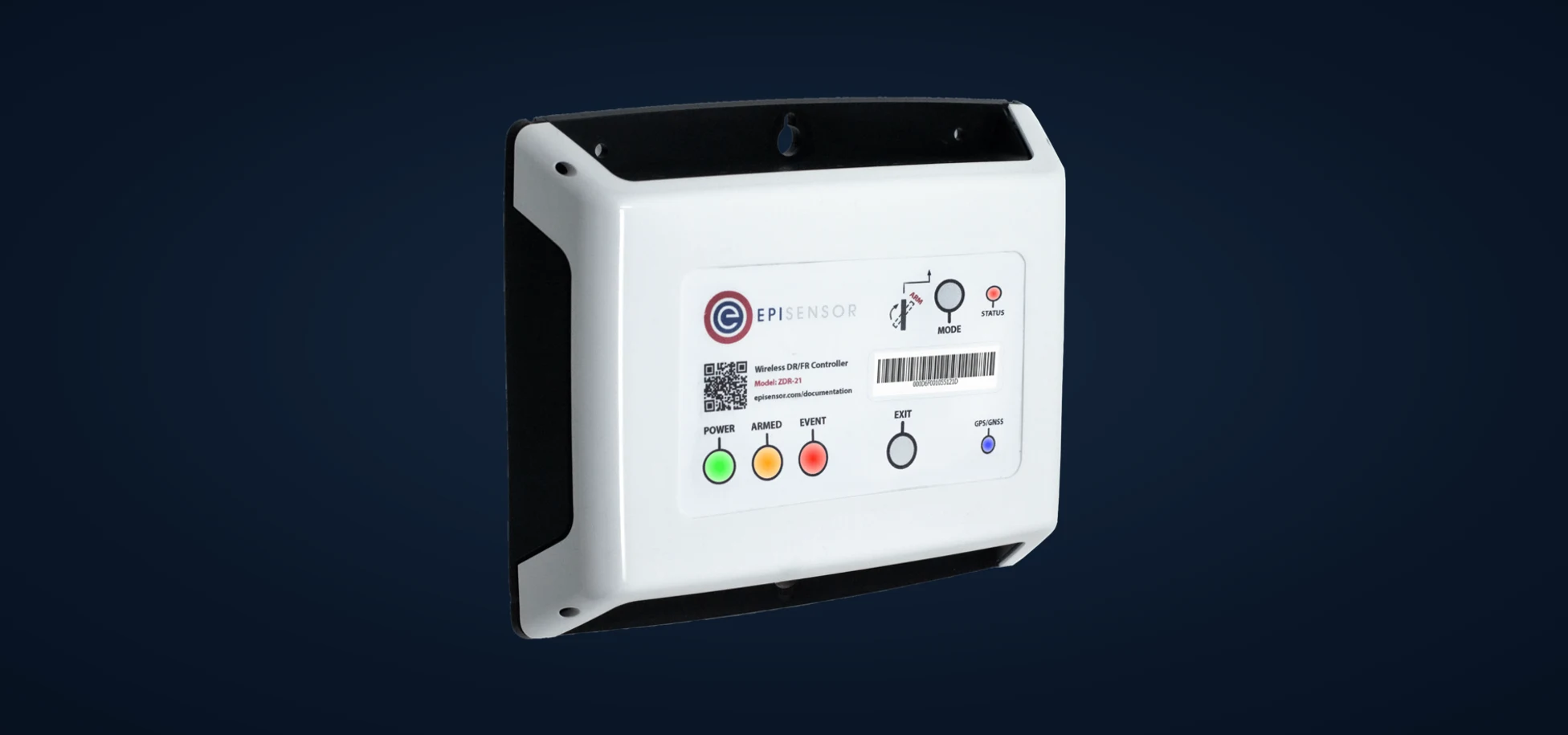
EpiSensor energy monitoring systems are wireless, quick to deploy and commission, encrypted from sensor to server, standards-based and built for industrial environments. They can be installed by any qualified electrician, which keeps deployment cost and commissioning time down.
They are manufactured in Ireland and delivered fully calibrated with current transformers connected, so a site visit fits a single commissioning window.