
Aurora Energy Research
Power market forecasts and asset valuation software for investors and developers

Gridcog models solar, storage and EV-charging projects with market data and technical constraints, helping developers compare design and revenue scenarios.
Gridcog is a browser-based platform for evaluating flexible energy projects. Its company profile describes software used to design, realise and finance projects, while its platform overview brings technical operation and commercial outcomes into the same modelling process. The intended task is comparing alternatives before and during project development: storage size, generation mix, network limits or market participation can change both costs and achievable revenue. A single model can represent interacting assets, rather than treating a battery, solar array and electricity connection as unrelated financial line items.
For large-scale asset developers, Gridcog models standalone and co-located generation and storage, with scenarios for different technical and commercial configurations. Its e-mobility offering addresses charging infrastructure and fleet electrification, including the interaction between charging demand, supply arrangements and site constraints. These use cases share a need to compare options over time: the cheapest individual component may not produce the best combined project. The software is a planning and analysis environment for those comparisons, enabling teams to test assumptions consistently rather than duplicating a separate spreadsheet for every proposed configuration.
Compares technical operation and commercial outcomes for flexible energy assets.1
Models generation and battery configurations with market and operational constraints.5
Assesses charging, fleet electrification and wider site energy interactions.4
Gridcog's asset-development description includes operational constraints and market behaviour such as bid intervals, accepted offers, activation and available capacity. Its platform combines simulation with market information so that changing a physical assumption can flow through to a commercial result. For EV projects, charging requirements and connection limits are considered alongside the wider energy system. This is model-based assessment rather than a claim of real-time device control. Enterprise plans describe custom integrations, but the public pricing page does not establish an unrestricted customer API or a field-protocol driver catalogue.
Historical prices in the platform's market library update daily through an API, and network tariffs follow the transmission and distribution operators' published charges. DNV's July 2026 announcement adds that the platform draws on Solcast data. Outputs include cashflows, IRR and interval-level energy flows in downloadable reports. Gridcog describes its approach as having no black box, with assumptions visible and results traceable, a point Prosolia Energy makes in its case study.
Utility-scale PV and battery hybrid design in Spain and Portugal, including battery sizing against market conditions.
Reported outcome: Company-reported: more than 200 projects modelled, at least ten times faster than in-house tools.7
Multi-asset, multi-site project modelling, as reported by Tech.eu in March 2024.10
Listed by the Clean Energy Finance Corporation as a Gridcognition customer in February 2022.12
The pricing page offers Core, Plus and Enterprise subscriptions. Core includes five active sites and one market; Plus includes ten active sites and three markets within one region, while Enterprise is tailored. This structure reflects how users expand from a bounded project set into multi-market portfolios. The e-mobility material is aimed at teams planning charging and electrification investments, while large-scale development addresses generation and storage businesses. Commercial evaluation still depends on the input assumptions, project constraints and selected markets, so a modelled outcome is a scenario result rather than a contracted return.
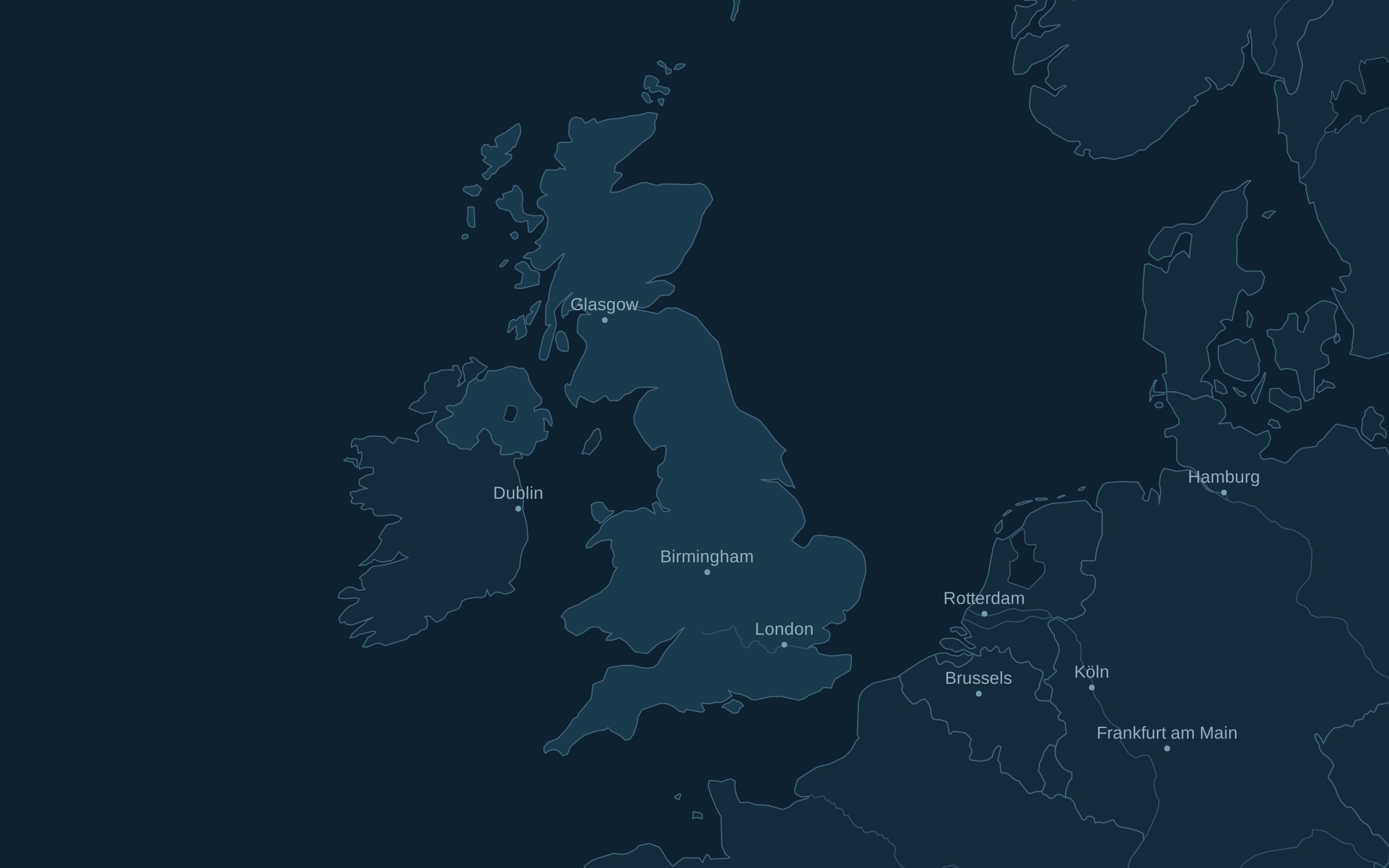
The company's developer page names coverage of GB, Australia, New Zealand, Germany, Spain, Poland, Italy, Portugal, the Netherlands, Belgium and France, across wholesale, ancillary, balancing and capacity revenue. Prosolia Energy, an independent power producer working in Spain, Portugal, France, Italy, Germany and Mexico, reports using it on more than 200 projects, including battery sizing for hybrid PV plants. Tech.eu reported in March 2024 that Shell, Mitie and EY used the platform across the UK, Europe, Australia, New Zealand and Japan, and earlier Australian customers listed by the Clean Energy Finance Corporation included Origin Energy, AusNet Services, Synergy and JET Charge.
Gridcog identifies the United Kingdom as its headquarters, with offices including London, Berlin, Madrid, Perth and Melbourne. Co-founders Fabian Le Gay Brereton and Pete Tickler previously founded Greensense, which was acquired by ERM Power, now Shell Energy. VERBUND's July 2026 investment announcement dates Gridcog's founding in Australia to 2020 and describes its subsequent European expansion. That round was led by ABB Electrification Ventures, with other participants including DNV Ventures and Axpo Ventures. These are investment relationships; they do not make Gridcog a subsidiary of each investor.
The business began in February 2020 as Gridcognition, backed by an A$675,000 pre-seed round led by the Clean Energy Finance Corporation, and took the Gridcog name in November 2022. AlbionVC led a £3.3 million round in March 2024, and DNV puts the 2026 Series A at £7 million. ABB's release describes a strategic minority investment, does not disclose the amount and notes that Albion and the CEFC remain shareholders.
A$675,000
Pre-seedInvestors: Clean Energy Finance Corporation, Alberts Impact Capital, Startmate
Led by the CEFC through its Clean Energy Innovation Fund.11
A$2.3 million
SeedInvestors: Clean Energy Finance Corporation, Alberts Impact Ventures, Afterwork Ventures
Brought total funding, including grants, to almost A$4 million.12
£7 million
Series AInvestors: ABB Electrification Ventures, VERBUND X Ventures, Axpo Ventures, DNV Ventures
Led by ABB Electrification Ventures to fund European expansion and product development.8
Gridcog is an investment-modelling tool, not a live trading or dispatch system, so it is judged here on how well it simulates market revenue rather than on scheduling. That part is well evidenced: the company reports more than 18,000 projects modelled across more than 40 markets, Prosolia Energy reports over 200 projects on it, and ABB, DNV, VERBUND and Axpo invested in its July 2026 Series A. Traceable, visible assumptions are a stated design principle. Against it: no public API, no published methodology or validation against operating assets, no live market interface, and no security evidence beyond single sign-on. The business is six years old and venture-funded.
Independent sources Historical market prices in its library update daily through an API, and DNV states that the platform integrates Solcast data.
Independent sources The company reports more than 18,000 projects modelled and coverage of more than 40 markets on its profile page, while its developer page says 30+ markets and names GB, Australia, New Zealand and eight EU countries.
Independent sources Started in February 2020 in Australia as Gridcognition and renamed Gridcog in November 2022.
Funding is steady but modest: an A$675,000 pre-seed led by the Clean Energy Finance Corporation (2020), about A$4 million in total by February 2022, £3.3 million led by AlbionVC (2024) and a £7 million Series A led by ABB Electrification Ventures in July 2026. Strategic investors help, but the company is young and private.
Company sources Models standalone and hybrid generation, storage, EV charging and flexible load against wholesale, ancillary, balancing and capacity revenue, network tariffs, subsidies and PPAs, with cashflow, IRR and interval-level energy outputs.
Company sources The only public security feature is single sign-on on the pricing page.
Independent sources Prosolia Energy, in a case study on the company site, reports more than 200 projects and over a thousand simulations in a few months, and modelling at least ten times faster than with in-house tools.
Independent sources Plan structure (5 or 10 active sites, 1 or 3 markets on the entry plans) and market coverage are public, and the company states that assumptions are visible and results traceable.
This profile does not imply a commercial relationship with Gridcog and may contain inaccuracies.