
Alfen
EV charging, grid infrastructure and battery systems

Caterpillar supplies Cat generator sets and EMCP controls, with documented electrical measurements, protection and local monitoring interfaces.
Caterpillar's company history dates the business to the 1925 merger of Holt Manufacturing Company and C.L. Best Tractor Co. Its company overview covers a wide industrial portfolio, with power generation forming part of a business that also supplies machinery, engines and related services. The Cat brand identifies the equipment used on site, while Caterpillar Inc. is the corporate manufacturer.
For generator monitoring, the relevant product is the controller fitted to the set. The EMCP 4.4 specification brings power metering, protective relaying, engine control and generator monitoring into one panel. Its operating information supports both local use and external supervision. The EMCP application guide then connects these functions to the physical installation, covering sensors, wiring, communications, alarms and the configuration of the generator control system.
The EMCP 4.4 specification describes a controller combining electrical metering, engine and generator control, diagnostics and protective functions. Operators access operating information through the panel display and keypad. Optional modules extend the system, and their diagnostics are available through the controller. The specification also covers monitoring of utility or bus electrical values alongside the generator.
The EMCP 4.3 and 4.4 application guide provides the detailed installation context. It addresses electrical connections, input and output configuration, sensing, events and communications. The range therefore includes both the physical panel and a configurable control arrangement around the generator. The corporate company overview places this equipment within Caterpillar's broader power and industrial business. Its dealer model links equipment supply to parts, installation support and ongoing service, which are material parts of a long-lived generator installation.
The EMCP 4.4 specification lists Modbus TCP over Ethernet, Modbus RTU over half-duplex RS-485, a webserver, primary and accessory CAN links, and a separate RS-485 annunciator link. These links serve different functions. A connector carrying RS-485 signalling is not by itself evidence that it is the Modbus monitoring connection.
The application and installation guide describes the controller's communications and configurable inputs, outputs and events in the context of the installed generator. A data design should identify the exact EMCP version and connection, then compare selected values with the local display. Protection, starting, paralleling and external monitoring remain distinct functions. The existence of controller writes or operating commands in technical documentation does not grant permission to use them in an energy-data project, and the interface claims here are specific to the named controller documentation.
Caterpillar's company overview covers construction, mining, power and other industrial equipment, supported by a worldwide dealer network. The corporate FAQ explains the company's products, history and organisation. For energy and building projects, the generator-set control is the useful connection point within that much broader range.
The EMCP 4.4 specification addresses installations needing generator and bus measurements, protective relaying and operating diagnostics. The application guide serves engineers and technicians configuring the installed system, with separate treatment of wiring, sensing, events and communications. This is a technical equipment and service proposition: the panel belongs to the generator installation, and external monitoring draws on a defined subset of its values. Dealer support and the documented configuration accompany the equipment throughout its operating life.
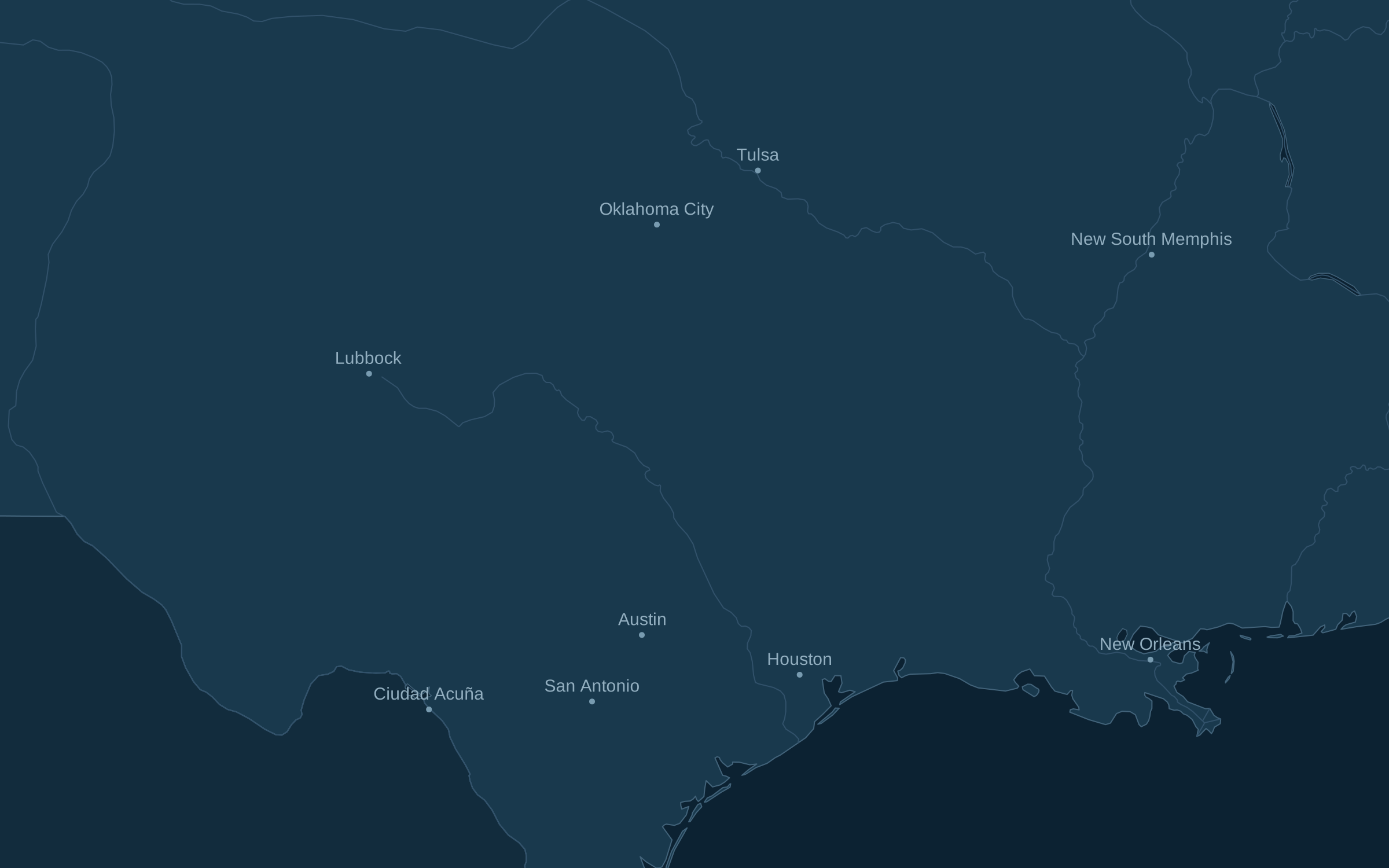
Caterpillar Inc. lists its global headquarters at 5205 N. O'Connor Boulevard, Suite 100, Irving, Texas, United States. The same page identifies the corporation's Delaware registration. Its official FAQ confirms Irving as the headquarters and records the 1925 merger that formed Caterpillar Tractor Co., originally headquartered in San Leandro, California.
The company overview describes the industrial group and the role of its global dealer network. Cat generator controls sit within that wider organisation rather than constituting a separate software company. For an installation, this combines the manufacturer's product and application literature with local equipment support, parts and maintenance. The EMCP technical documentation provides the controller-specific engineering detail used alongside that service channel.
EV charging, grid infrastructure and battery systems

Electricity demand and renewable-generation forecasting

Generator controls, power systems and remote monitoring

Technical advice and asset management for renewables

Utility-scale solar and storage design software

On-site control and infrastructure monitoring for European energy assets
This profile does not imply a commercial relationship with Caterpillar and may contain inaccuracies.