OCPP and EV networks
As the adoption of electric vehicles (EVs) accelerates, the demand for smart, efficient, and scalable charging infrastructure is more critical than ever. One of the key enablers in this evolving ecosystem is the Open Charge Point Protocol (OCPP).
OCPP is the open communication standard between EV charging stations and the back-end systems that manage them. It is what lets a network operator run mixed hardware from one place.
What OCPP is
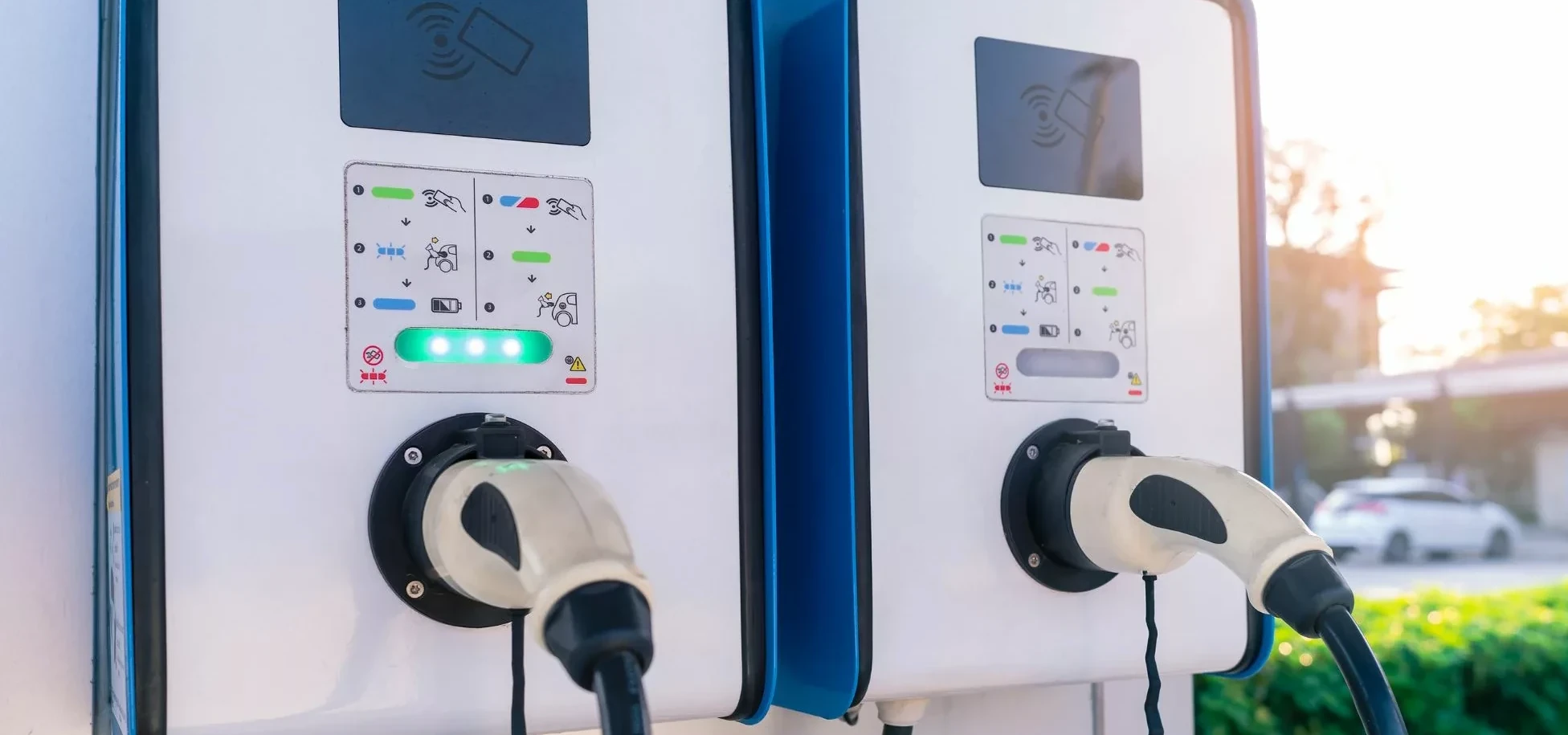
OCPP, or Open Charge Point Protocol, is a standardised communication protocol used in electric vehicle (EV) charging infrastructure. It facilitates the exchange of information between EV charging stations and a central management system, often referred to as a Charge Point Management System (CPMS) or backend system.
Developed by the Open Charge Alliance, OCPP aims to create interoperability between different charging station manufacturers and network operators. This protocol has become increasingly important as the adoption of electric vehicles grows and the need for efficient, standardised charging infrastructure expands.
Key features of OCPP
- Open Standards: OCPP is an open protocol, meaning it’s freely available for use without licensing fees.
- Vendor Neutrality: The protocol allows charging stations from different manufacturers to communicate with various backend systems, promoting flexibility and choice in the EV charging ecosystem and driving industry standardisation.
- Scalability: OCPP capabilities support both large and small EV network charging facilities, making it adaptable and suitable for the current growth rates in EV vehicles (According to Statista, the Electric Vehicles market worldwide is projected to grow by 6.63%(2024-2029) resulting in a market volume of US$1084.0bn in 2029.)
- Real-time Communication: The protocol enables real-time monitoring and control of charging stations, allowing for efficient management and oversight of charging processes.
- Security: OCPP includes security features to protect the communication between charging stations and backend systems.
Understanding OCPP versions
Several versions of OCPP have been released, each introducing new features and improvements:
- OCPP 1.5: An earlier version that uses SOAP for communication.
- OCPP 1.6: Introduced JSON communication and additional functionalities.
- OCPP 2.0: The latest major version, adding support for smart charging, improved security, and device management features.
The benefits of OCPP
- Interoperability: OCPP allows charging station operators to mix and match hardware and software from different vendors, avoiding inflexible and often costly vendor lock-in.
- Cost-effectiveness: By using a standardised protocol, development and integration costs can be reduced for both hardware manufacturers and software providers.
- Future-proofing: As an evolving standard, OCPP helps ensure that charging infrastructure can adapt to future needs and technologies.
- Enhanced Management: The protocol enables comprehensive management features, including remote diagnostics, firmware updates, and usage reporting.
OCPP and EpiSensor solutions
At EpiSensor, we develop scalable, easy-to-integrate solutions for smart grids, energy management, and demand response, all aimed at accelerating the energy transition. Our extensive experience includes large-scale EV networks, where our technology enables real-time grid condition monitoring, supports the pausing and resuming of battery charging, and drives energy efficiency throughout the network.
EpiSensor hardware can sit alongside an OCPP-based charging network to:
- Advanced Energy Monitoring: EpiSensor’s energy monitoring devices can be easily integrated with EV charging stations to provide detailed energy consumption data, complementing the information exchanged via OCPP.
- Demand Response: With OCPP-enabled charging stations alongside EpiSensor demand response hardware, an operator can shift charging schedules against grid conditions and energy prices.
- Monitoring Data with Precision: EpiSensor’s data analytics capabilities can process and analyse data from OCPP-enabled charging stations, providing granular insights into usage patterns, energy efficiency, and maintenance needs.
- Integration with Building Management Systems: EpiSensor’s IoT platform can facilitate the integration of EV charging infrastructure with wider building management systems, enabling holistic energy management strategies.
- Wireless Sensor Networks: EpiSensor’s expertise in wireless sensor networks can be applied to create robust, scalable communication infrastructure for OCPP-based charging systems.
Building our EV network future
Adding measurement and control alongside an OCPP network gives an operator the energy data the protocol itself does not carry. In Taiwan, EpiSensor hardware was deployed across 2,500 scooter battery-swapping stations in six weeks to bring them into Enel X’s virtual power plant. Onsite electricians did the installation, without specialist personnel.