Sustainability Consultants, Facilities Managers, and ESCOs are increasingly tasked with implementing innovative and efficient energy monitoring solutions, without the budget for substantial capital expenditure. The EU Corporate Sustainability Reporting Directive (CSRD), EU Energy Efficiency Directive (2023), and the revised EU Energy Performance of Buildings Directive (EBPD) will significantly raise the bar for transparency and performance in energy consumption. Organisations will be obliged to not only track and report their energy consumption but also implement continuous improvements in energy efficiency. Regulatory advancements, coupled with energy price uncertainties, and an appetite to become more sustainable, means that organisations must embrace advanced technologies and methodologies to meet energy compliance obligations and drive sustainability goals while managing costs effectively.
The EXEED (Excellence in Energy Efficient Design) Certified Grant, provided by the Sustainable Energy Authority of Ireland (SEAI), presents a significant opportunity for companies planning such energy management projects. So, what are the benefits of the EXEED grant and the project eligibility criteria?
Understanding EXEED and its benefits
The EXEED Certified Grant Scheme is designed to promote innovation in energy efficiency projects. With a grant support of up to €1,000,000 available per project, the programme encourages organisations to adopt energy-efficient practices both at the outset of building design and at the retrofit stage.
Who can apply?
The grant is available to all organisations undertaking substantial energy upgrades (and new building designs). This inclusivity ensures that various sectors can benefit from the scheme, whether you’re revamping existing structures or creating new, energy-efficient systems.
Some examples of eligible projects (source: SEAI)
- Major energy upgrade of an existing commercial, industrial or public sector building, such as a shopping centre, hotel, hospital or sports arena
- Major multi-year phased energy upgrade of a manufacturing facility
- Design of a new data centre
How to apply?
The application process for the EXEED grant is methodically structured into two stages: design and capital investment. This approach ensures thorough preparation and execution of projects with a focus on achieving EXEED certification upon completion. Details and online application forms are available here on the SEAI website.
Key dates
The programme is open for applications up until 5pm on the 31st December 2024. The EXEED programme can support projects submitted in 2024 with a completion date up to 1 October 2025.
Key requirement
It is a requirement that you achieve EXEED certification following completion of the project.
The potential of IoT in EXEED projects
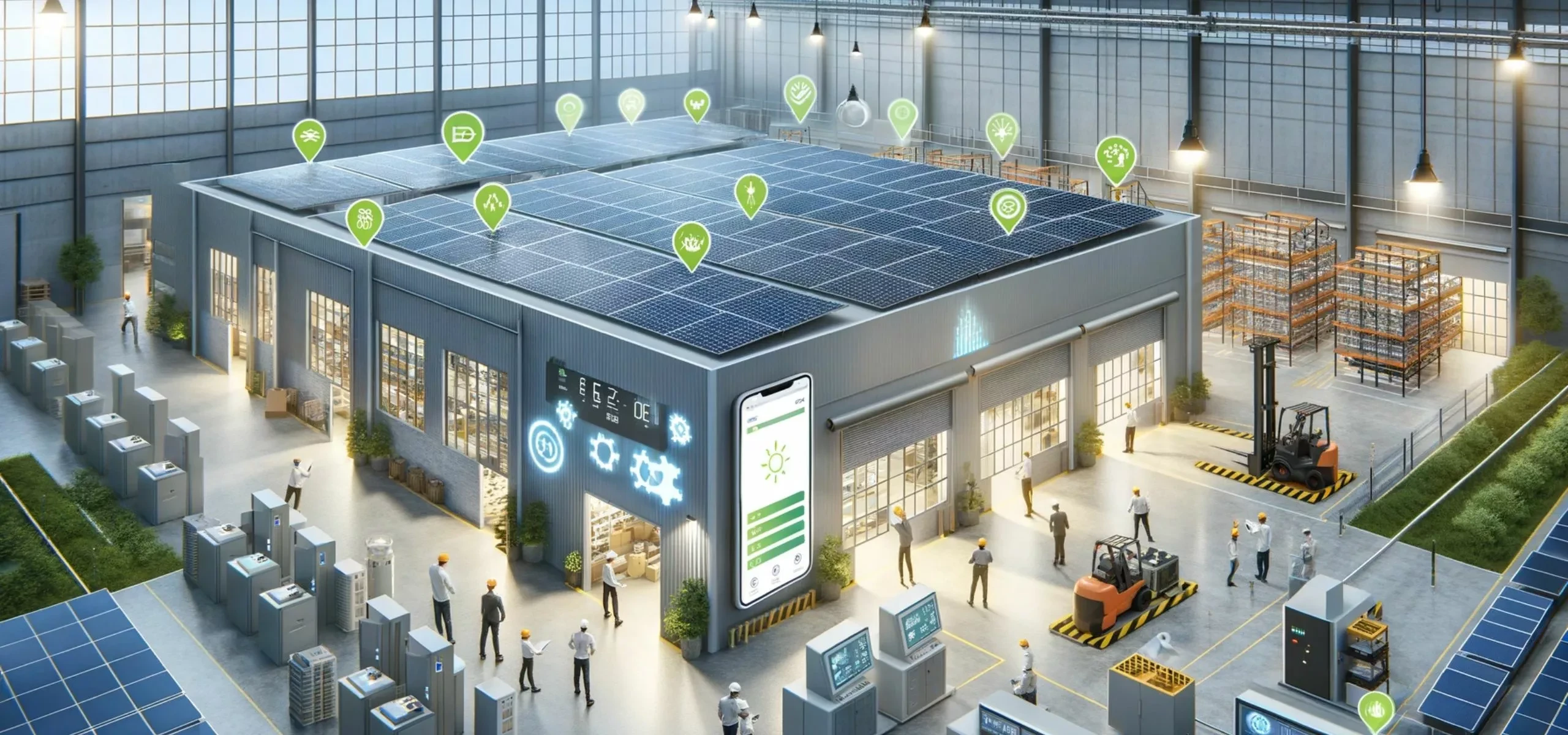
Internet of Things (IoT) technology is at the forefront of transforming energy management by enabling real-time monitoring and control of energy usage across various systems and equipment. Including IoT metering in an EXEED project as capital expenditure gives the granular data needed to improve energy performance, reduce operating costs and cut emissions. This not only helps you to support your clients with meeting EU and global sustainability targets, it can also help your customers boost competitiveness.
Here, we explore just 4 of the ways IoT technology can benefit your EXEED (or any energy management) programme:
- Pre-Investment Analysis: Utilise IoT for detailed energy usage assessments to inform the EXEED design stage processes.
- Implementation and Monitoring: Deploy IoT devices and sensors to monitor energy in real-time and ensure that the designed efficiencies are being realised.
- Post-Implementation Review: Analyse data collected via IoT technologies to verify energy savings and to refine strategies for ongoing and future projects.
- Demand management: sites with solar and battery assets can automate how they respond to price and demand, rather than managing it by hand.
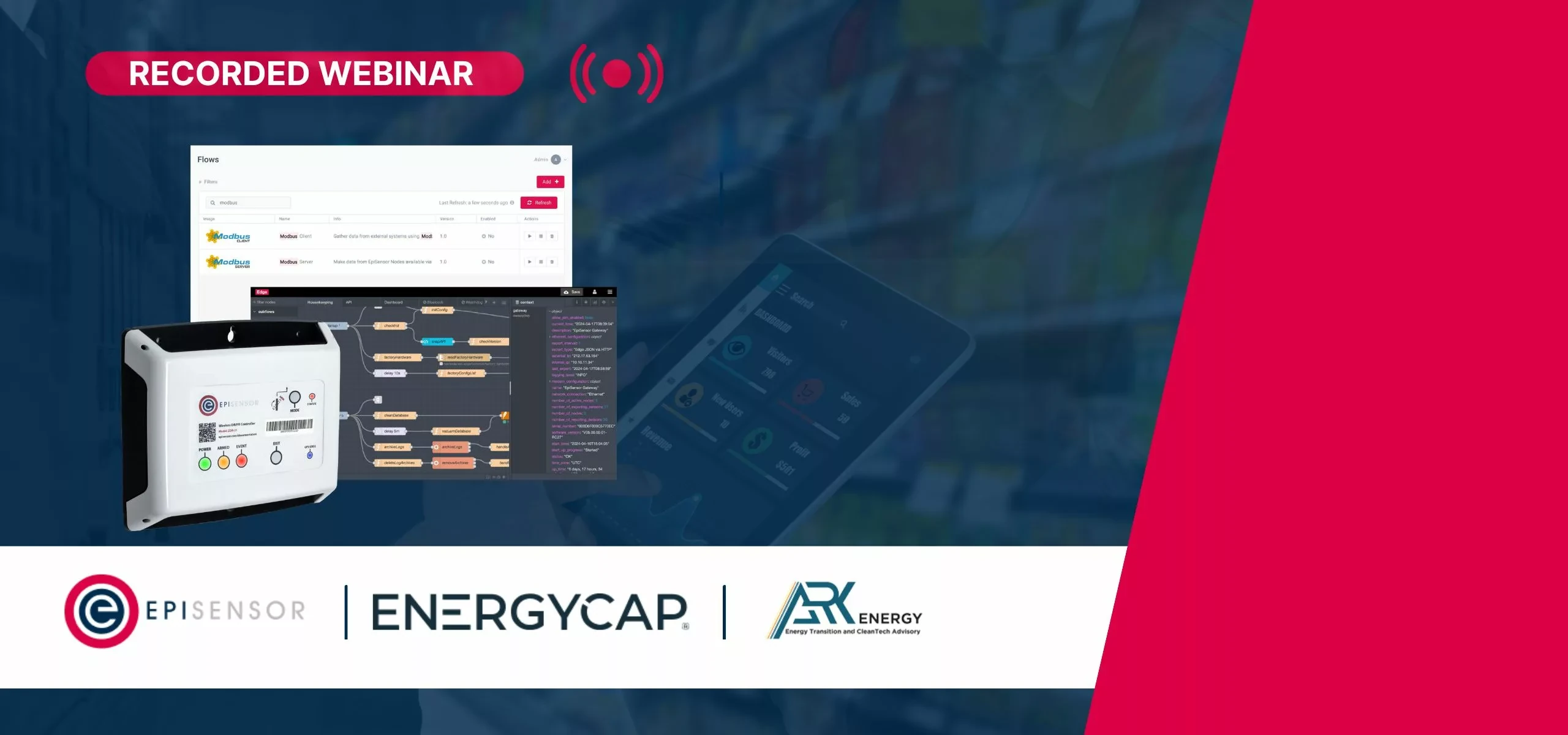
EpiSensor as the hardware partner
EpiSensor has researched, designed and built IoT infrastructure for energy management and demand response since 2007. The systems are used in energy programmes with Microsoft and Enel X, Veolia, CoolPlanet and ESB. They arrive pre-calibrated with current transformers connected, which shortens the commissioning process and keeps specialist engineering time off the critical path.
The products are designed and manufactured in Ireland.